In the corridors of power, where policy is forged and futures debated, there is often a quiet understanding that transcends public posturing. Prime Minister Anthony Albanese stands at the center of a complex energy puzzle, one where the urgent demand for digital infrastructure collides with the physical limits of the national grid. While public discourse may focus on the friction of transition, behind the scenes, there is a shared recognition among political and industry leaders: the data center boom is not just coming, it is already here. It is a moment where economic ambition meets electrical reality, requiring a delicate balance of speed and sustainability.
The surge in artificial intelligence and cloud computing has created an insatiable appetite for processing power. Data centers, the physical backbone of the digital economy, require vast amounts of electricity to run servers and keep them cool. For Australia, this presents both a challenge and an opportunity. The country’s abundant renewable resources, particularly in solar and wind, make it an attractive destination for global tech giants seeking green energy solutions. However, the infrastructure to harness and deliver this power is still catching up.
Albanese’s government is navigating this landscape with a keen eye on investment. The Prime Minister understands that securing these projects is crucial for job creation and technological sovereignty. Yet, the "energy brawl" refers to the intense competition for grid capacity and the regulatory hurdles that must be overcome. State and federal authorities are working to streamline approvals, but the pace of development often outstrips the ability of the network to adapt.
Industry leaders are equally aware of the stakes. They know that without reliable and affordable energy, the data center boom will stall. This mutual dependency has fostered a pragmatic dialogue between government and business. While public debates may highlight disagreements, private negotiations are focused on finding workable solutions that benefit both the economy and the environment.
The transition to renewable energy is central to this strategy. New transmission lines and storage facilities are being planned to support the increased load. These projects are massive in scale and require significant capital investment. The government is leveraging public funds to de-risk private investment, aiming to accelerate the build-out of critical infrastructure.
Community concerns about land use and visual impact are also part of the equation. Local residents often worry about the changes to their landscapes and the potential strain on local resources. Engaging with these communities is essential for social license and long-term success. Transparent communication and benefit-sharing agreements can help mitigate opposition.
As the debate continues, the underlying consensus remains clear: Australia must embrace its role in the global digital economy. The data center boom is inevitable, and managing it effectively requires collaboration, innovation, and foresight. The energy brawl is not just a conflict but a catalyst for modernization.
Prime Minister Albanese’s approach reflects a pragmatic recognition of the data center boom’s inevitability. By balancing energy constraints with economic opportunity, the government aims to position Australia as a leader in the digital age, ensuring that growth is both sustainable and inclusive.
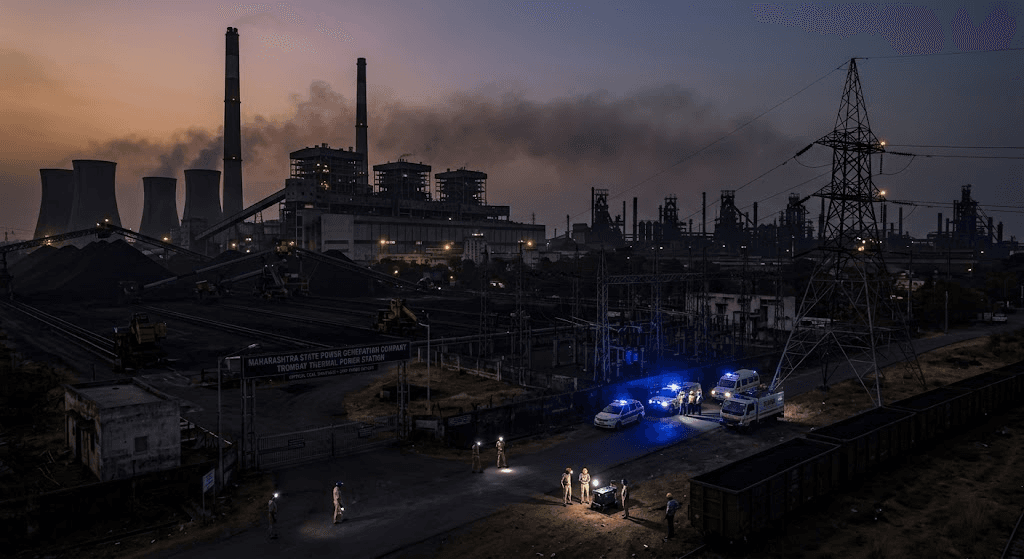
AI Image Disclaimer: Please note that any accompanying visuals for this report are AI-generated representations intended to illustrate the context of the event.
Sources: ABC News The Australian Financial Review The Guardian Reuters
Published by Banx Network. This article is part of the Banx decentralized media programme, powered by the BXE token on the XRP Ledger.