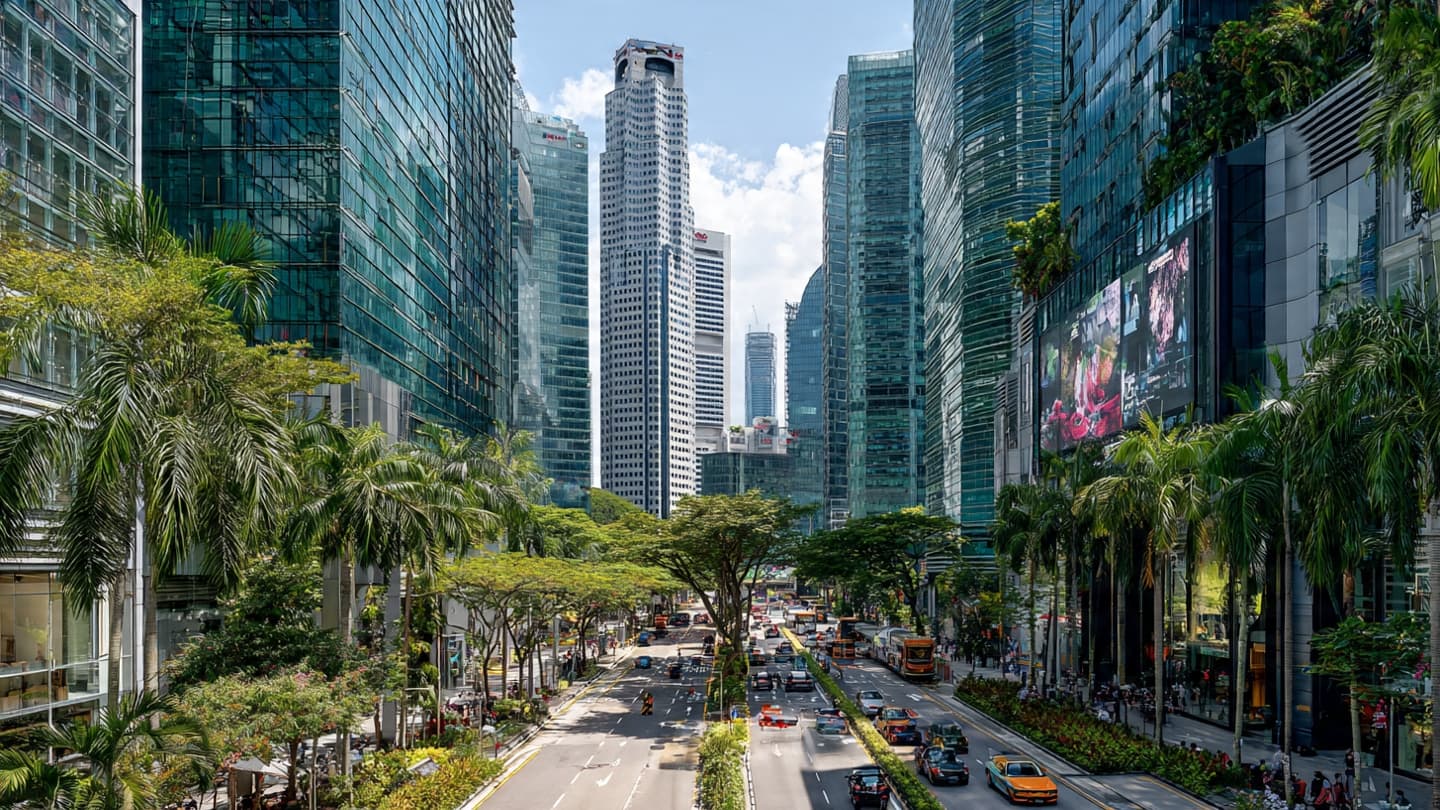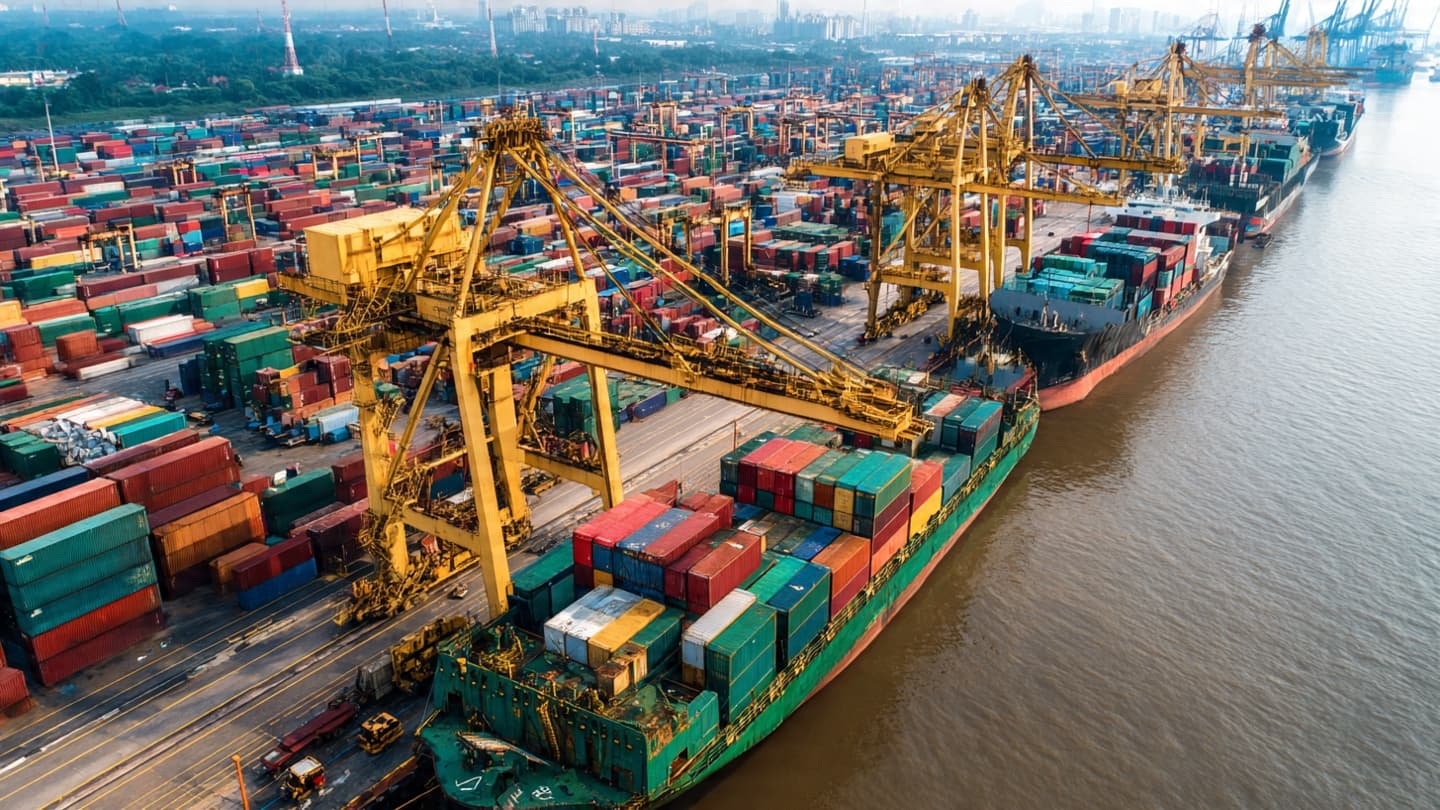
Morning traffic in Jakarta rarely suggests stillness. Motorcycles move between cars, shops open their doors, and workers begin another day beneath a tropical sky. Yet behind that constant movement, economic growth can sometimes follow a quieter rhythm, measured not in streets but in consumption, exports, investment, and production.
Indonesia’s economy grew 5.29% year over year in the second quarter of 2026, according to Statistics Indonesia, slowing from the first quarter but coming slightly above economists’ expectations. The figure showed that activity remained resilient despite a less favorable external environment. (reuters.com)
The result represented a moderation from the 5.59% annual growth recorded during the first quarter. On a quarterly basis, however, the economy expanded 3.93%, reflecting stronger activity as businesses and households moved through the middle of the year.
Consumption remains central to Indonesia’s economic landscape. The country’s large domestic market provides an important source of resilience when global trade conditions become less predictable. Household spending, therefore, continues to influence how quickly economic activity can regain momentum.
Exports have also played an important role, particularly through Indonesia’s commodity industries. But demand from overseas markets can change quickly, leaving exporters exposed to fluctuations in commodity prices, global manufacturing activity, and trade conditions.
The second-quarter figures arrived after the Ramadan and Eid period, when household activity traditionally increases. Economists had expected some normalization afterward, creating a natural comparison between the stronger seasonal activity of earlier months and the more measured pace that followed.
Investment remains another important piece of the picture. Indonesia has continued seeking ways to attract capital into manufacturing, infrastructure, financial services, and natural-resource processing, with policymakers hoping that new investment can create longer-term sources of economic expansion.
The challenge is maintaining that investment while keeping domestic demand healthy. Strong growth requires businesses to see sufficient demand for their products and services, while households need purchasing power and confidence to continue spending.
Indonesia is also seeking to deepen its position in global supply chains. Efforts to develop downstream industries and attract investment into higher-value manufacturing are intended to move more economic activity beyond the export of raw commodities.
For now, the 5.29% figure presents an economy that continues to expand, although at a slower pace than earlier in the year. The coming quarters will show whether investment, consumption, and exports can provide enough momentum to keep Indonesia's growth near its current trajectory.
AI Image Disclaimer The accompanying visuals were generated with AI and are conceptual representations of Indonesia’s economic activity rather than authentic photographs.
Sources Reuters Statistics Indonesia
Published by Banx Network. This article is part of the Banx decentralized media programme, powered by the BXE token on the XRP Ledger.