Between Oil and Credit: Iran and China Build a Trade Corridor Beneath the Pressure of Global Sanctions
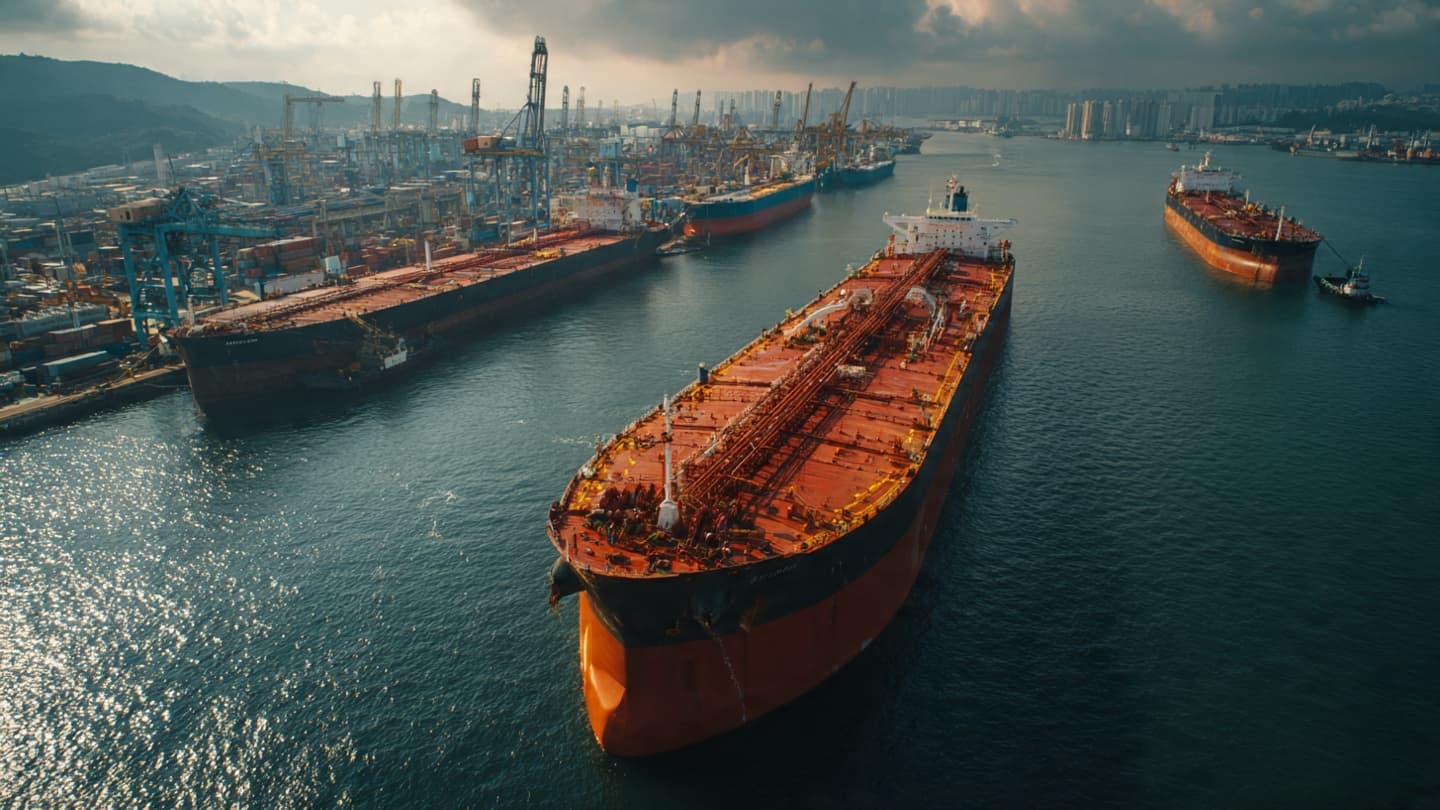
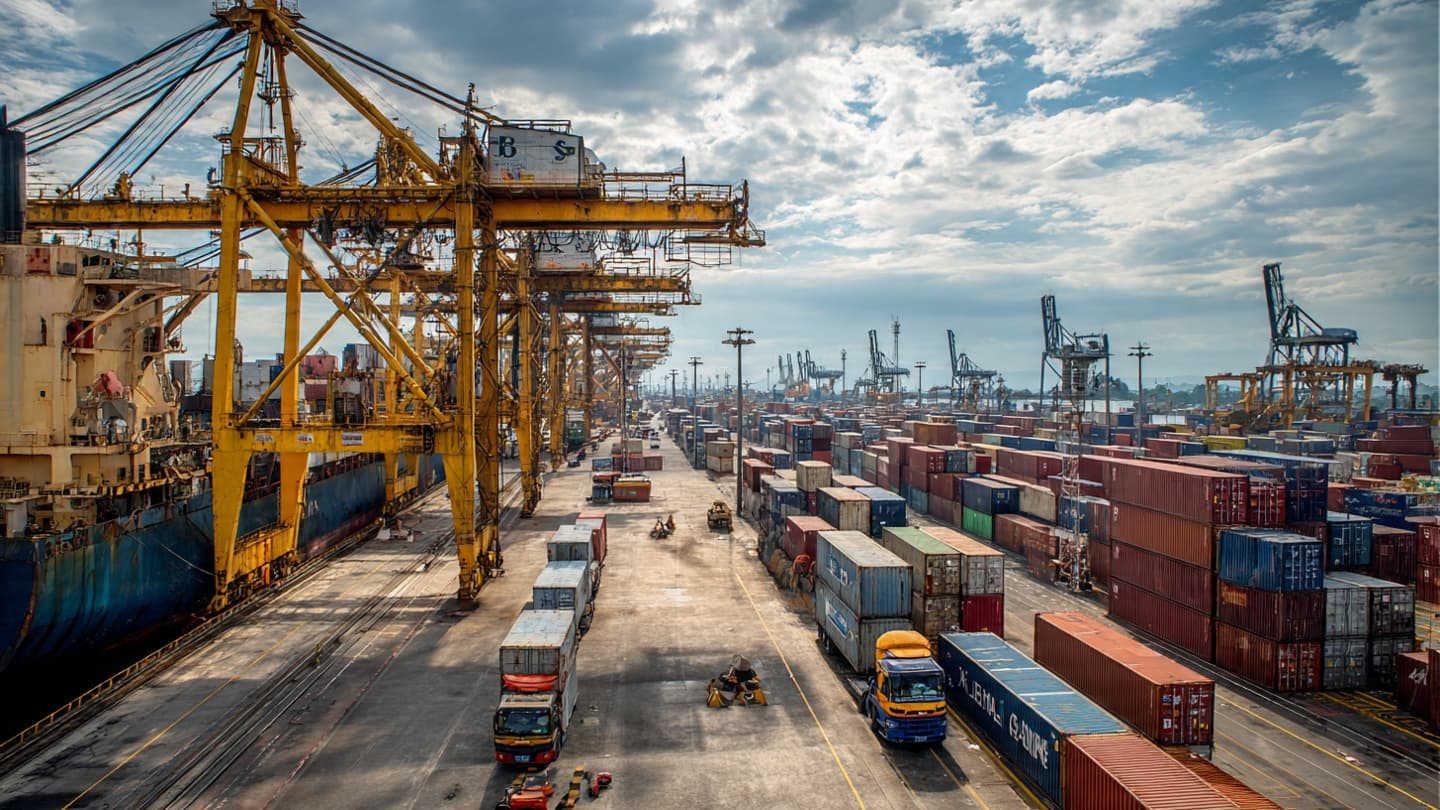
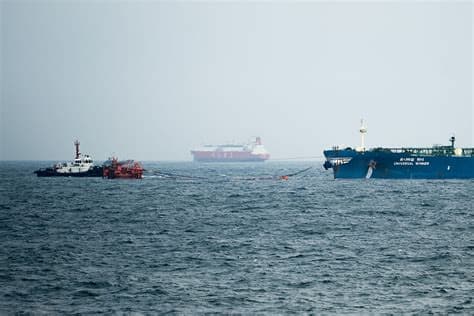
Iran uses a barter-like mechanism with China, exchanging oil revenue for credits to purchase goods, allowing trade to continue amid US sanctions.

Iran uses a barter-like mechanism with China, exchanging oil revenue for credits to purchase goods, allowing trade to continue amid US sanctions.

Summary: Indonesia faces changing dynamics in commodity trade as global energy prices rise and demand for several key commodities shifts.

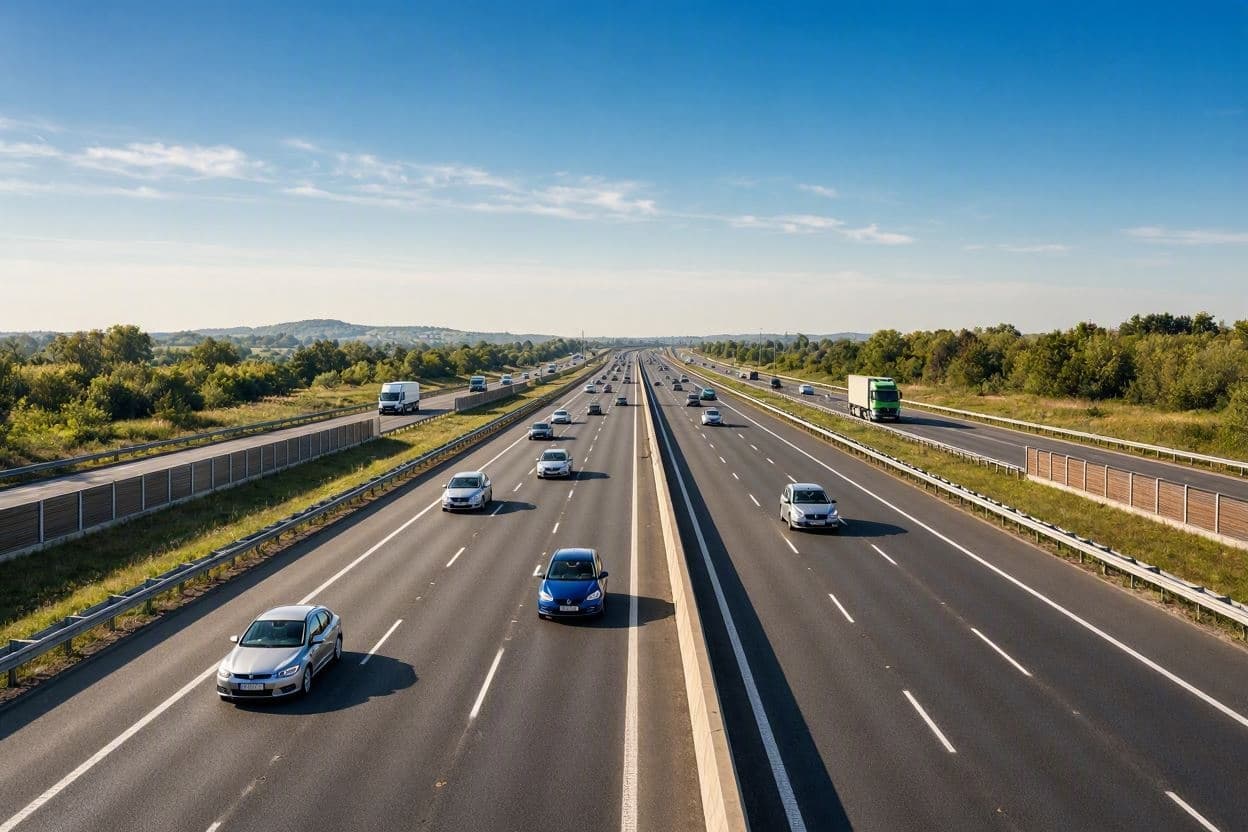
Motorists in the Hunter Region are adjusting to the new M1 Pacific Motorway extension, citing time savings but also confusion over signage and layout.

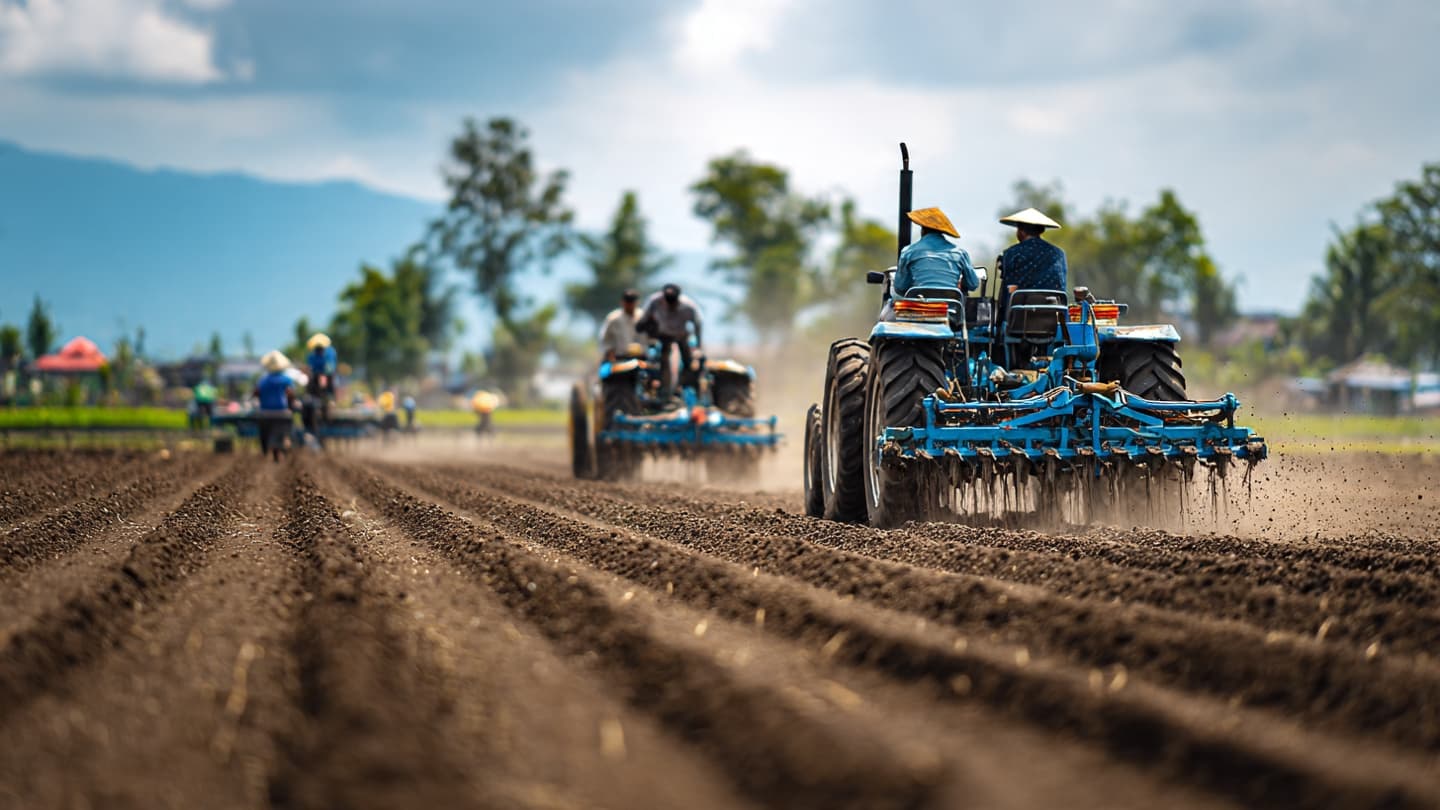
Sleman has begun applying PM AAS modern farming technology to increase rice productivity as available agricultural land becomes more limited.

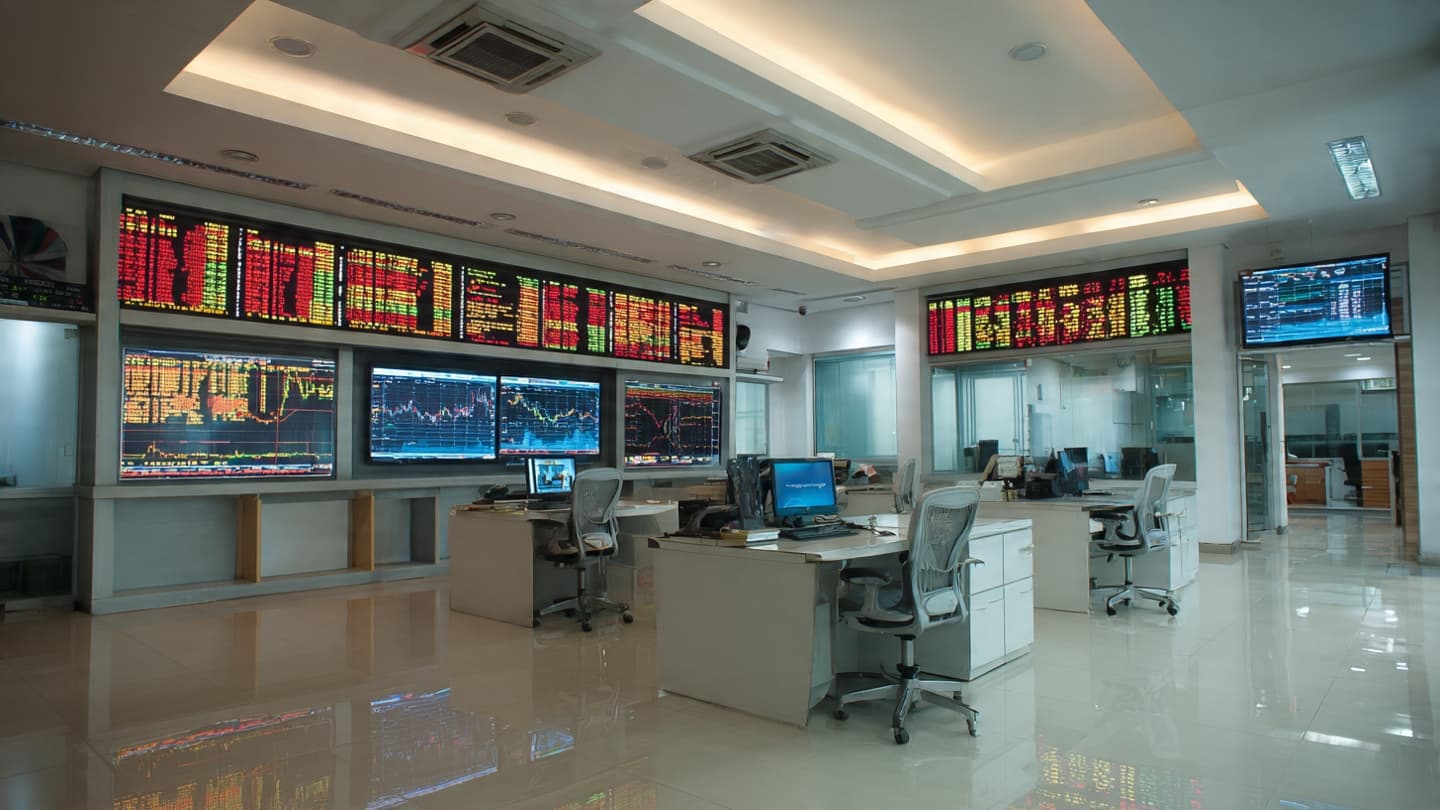
Indonesia’s planned new commodity exchange aims to strengthen domestic trading, but mandatory trading rules could create liquidity and participation risks.

Indonesia returned to a trade surplus in July as exports rose 6% and imports jumped 27% year on year.

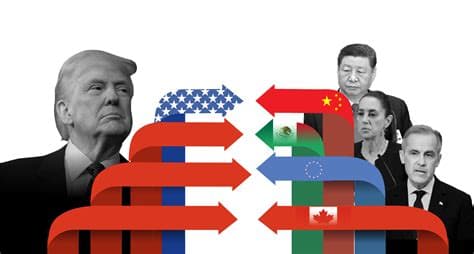
Canada’s exports to China rose 30% in early 2026 as Ottawa sought new markets amid escalating trade tensions with Washington

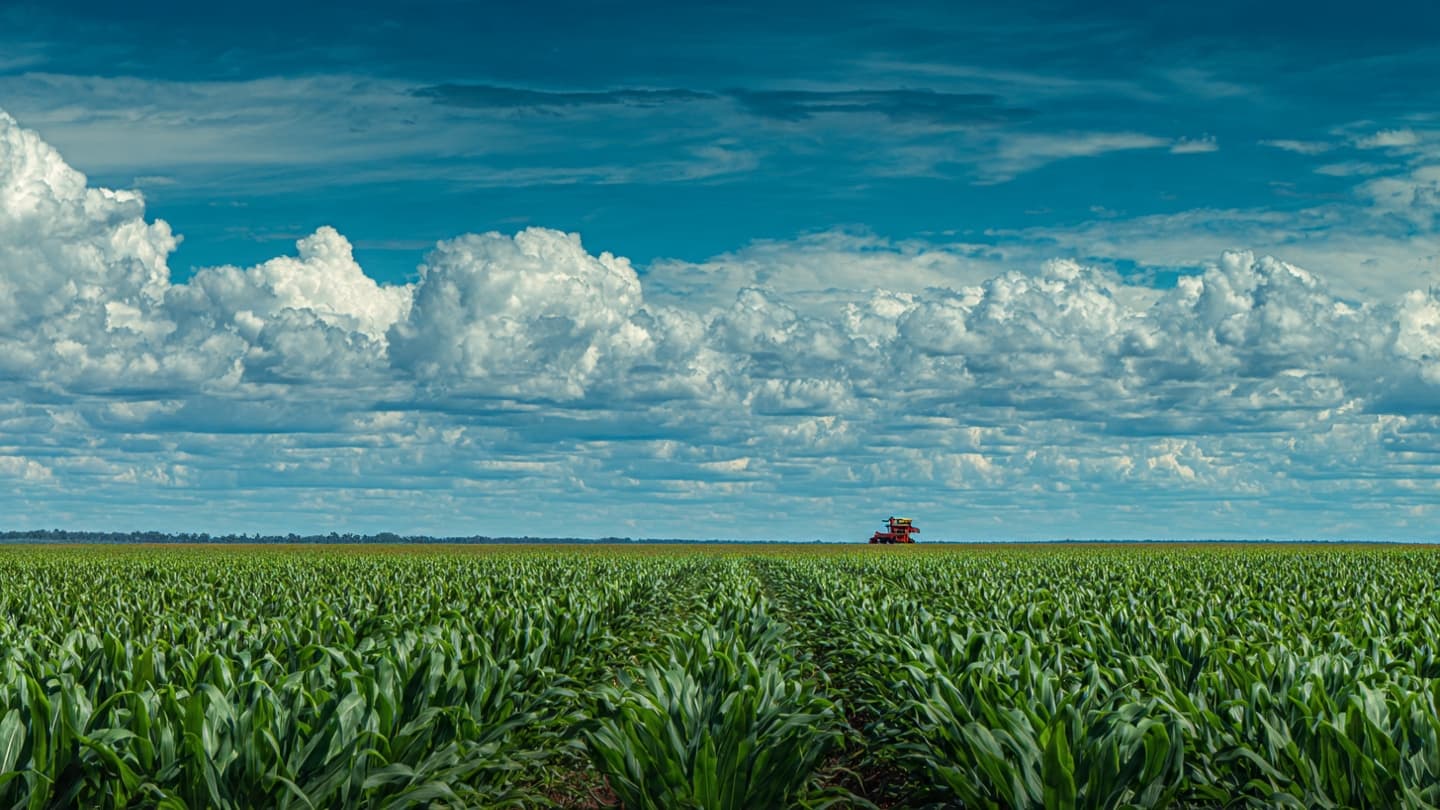
Argentina’s soybean planting area is expected to rise 1.2% to 17 million hectares in 2026/27 as corn acreage faces pest pressure.

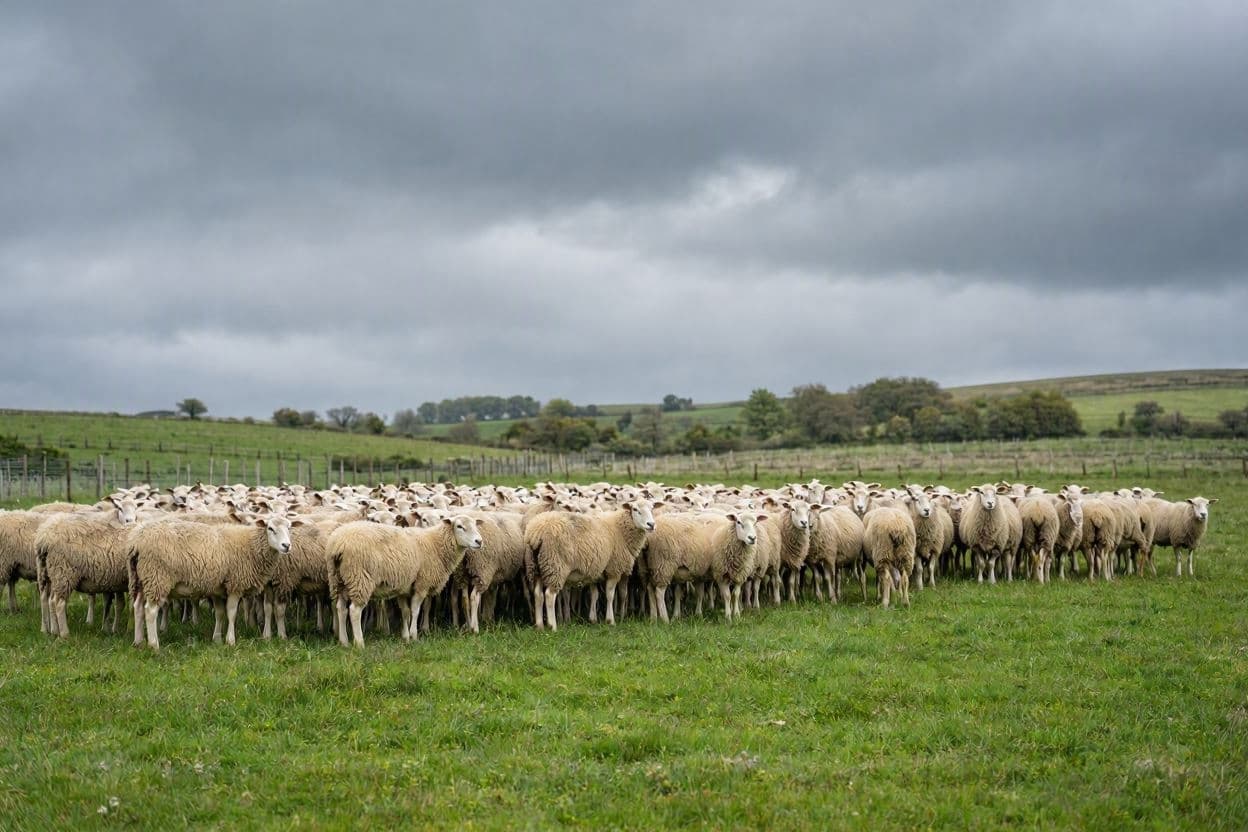
The Bureau of Meteorology has issued a warning to sheep graziers in the South East district due to expected cold, wet, and windy conditions.

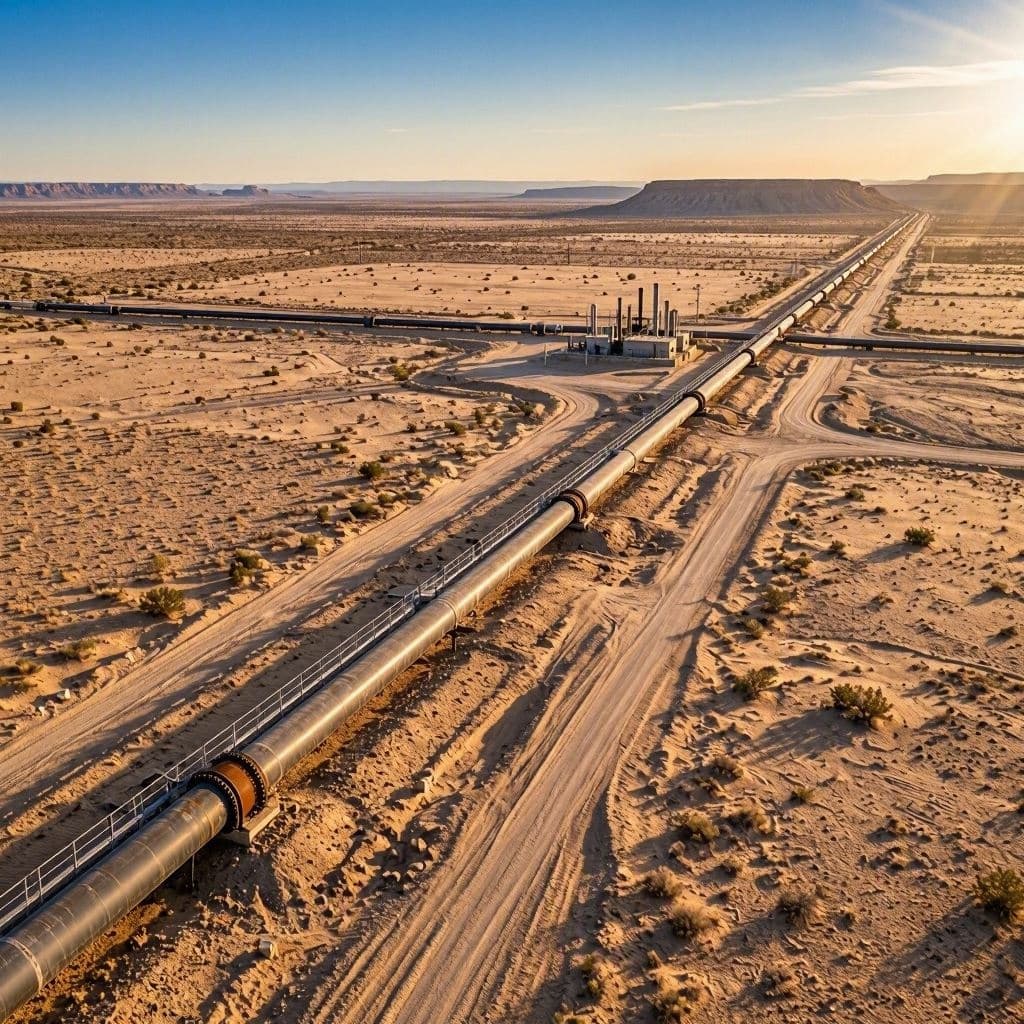
A shutdown of a key Saudi oil pipeline threatens to disrupt 4% of global supply, raising concerns about market stability and energy security.

The IEA says recovery of Gulf oil supplies will be delayed until 2027 as Middle East disruptions keep exports constrained.

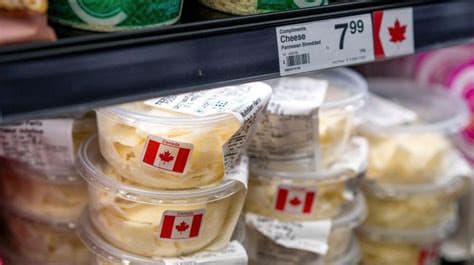
Canadian grocers are adapting to a consumer boycott of US products by sourcing from countries like Morocco and Brazil, while boosting local Canadian supplies.

China, Russia and India are seeking deeper economic cooperation at BRICS as members pursue trade, investment and financial coordination together.

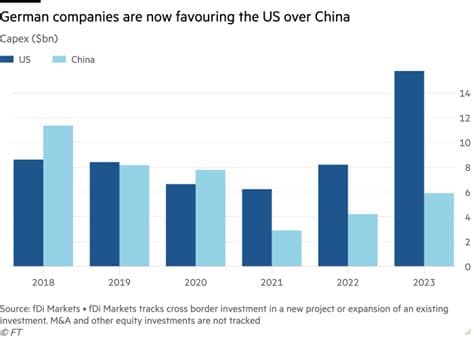
German companies increased investment in China by one-third while U.S. outlays fell nearly two-thirds, an IW study found in 2026.

Argentina’s corn exports are expected to reach a record as disruptions in Ukraine and European heat reshape global grain trade.

A new Triangulum II educational quantum computer has begun training students, researchers, and teachers at Firjan Senai in Brazil.

Brazil’s financial market lowered its 2026 inflation forecast to 5%, while raising its GDP growth projection slightly to 1.93%.

Brazil introduces new fuel measures expected to cost about R$7 billion per month as international oil prices remain elevated.

Brazil recorded a $7.4 billion trade surplus in August as exports increased 12.2%, strengthening the country’s external trade position.

Brazil’s economy grew 0.5% in the second quarter, supported by stronger agricultural activity and continued domestic economic expansion.

Brazil is exploring China as a potential buyer of carbon credits while pursuing a bilateral carbon-market agreement before COP31.

Brazil expands diesel subsidies and cuts gasoline and ethanol taxes as global oil prices approach $100 per barrel.

Europe faces a bleak winter as gas shortages, soaring prices, and disrupted LNG supplies push energy-intensive factories toward closure again.

Canadian shoppers are avoiding US goods, forcing grocers to expand domestic sourcing, rethink imports, and respond to changing consumer loyalties.