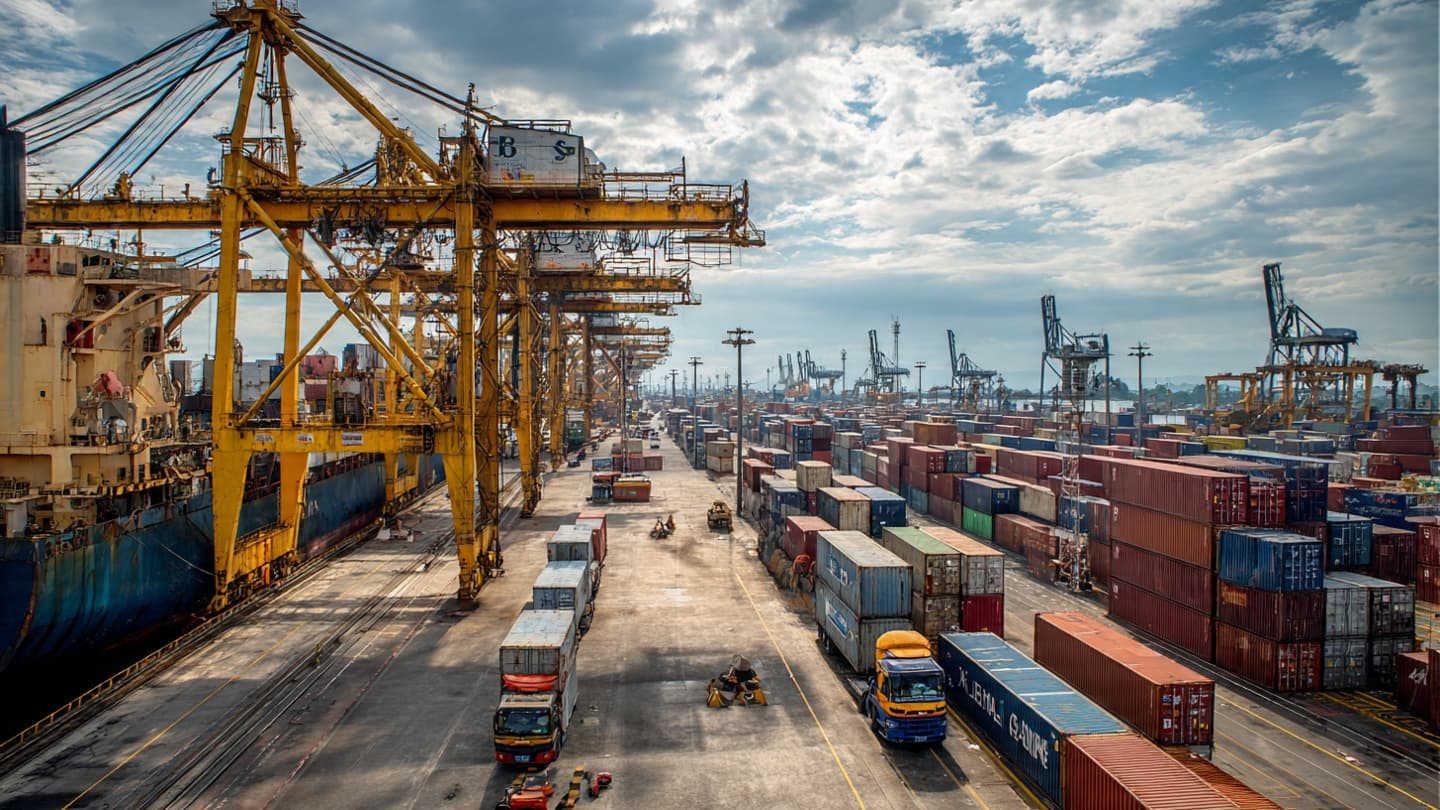
Across Argentina’s agricultural plains, the movement of corn toward distant ports is becoming part of a much larger global story. A strong harvest is meeting changing supply conditions elsewhere, creating an opening for Argentine exporters as international grain markets adjust to war, weather, and shifting demand.
Argentina’s corn exports are expected to reach a record 10 million metric tons during August and September 2026, according to Reuters. The increase follows a bumper harvest estimated at 71.7 million tons and stronger demand from international buyers.
The development comes as Ukraine’s grain exports continue to face disruption from the ongoing war and attacks affecting Black Sea infrastructure. Ukrainian exporters have increasingly had to redirect shipments through the Danube River, where low water levels have created additional logistical difficulties.
Europe has also experienced a difficult agricultural season. A severe heat wave has damaged crops in parts of the continent, reducing local supplies and increasing the need for imports. The combination of war-related disruptions and extreme weather has therefore altered the balance of grain availability across several markets.
Argentina has been positioned to benefit from those changes. North African buyers, including Morocco, Egypt, and Algeria, have increased purchases of Argentine corn. Morocco’s imports of Argentine corn were reported to have risen 133% year on year, highlighting how quickly trade relationships can shift when traditional supply routes become more difficult.
Brazil’s own corn market is also part of the story. Rising domestic demand for corn-based ethanol has reduced the amount available for export, creating additional room for Argentina to expand its position in international markets. Brazilian corn consumption rose to 98 million tons in the 2025/26 season, according to the Reuters report.
For Argentina’s farmers and exporters, the moment brings an unusual combination of opportunity and uncertainty. International demand can strengthen prices and expand market access, but agricultural trade remains highly sensitive to weather, shipping conditions, currency movements, and harvest expectations.
The wider grain market is moving through a period in which geography and climate increasingly interact with geopolitical developments. A disruption in one major producing region can quickly alter shipping routes and buying patterns elsewhere, turning distant events into tangible changes in agricultural commerce.
Argentina’s record export prospects therefore extend beyond one country’s harvest. They illustrate how food markets continuously rearrange themselves as crops emerge from fields, ships change destinations, and buyers search for reliable supplies. For the moment, Argentine corn is moving into that changing space with unusually strong momentum.
Image Disclaimer: The accompanying illustrations are AI-generated representations of agricultural and trade scenes and should not be mistaken for photographs of the specific harvests, ports, or shipments described.
Sources: Reuters
Published by Banx Network. This article is part of the Banx decentralized media programme, powered by the BXE token on the XRP Ledger.