There are moments when movements in distant oil markets begin to appear in familiar places: at fuel stations, on highways, in delivery schedules, and eventually in household budgets. Brazil is now facing such a moment, with the government introducing new fuel measures as international crude prices continue to climb.
The latest measures are expected to have an estimated impact of around 7 billion reais per month. They include changes involving diesel subsidies and federal taxes on gasoline and ethanol, forming part of a broader effort to reduce the pressure created by higher energy prices.
The policy arrives against a difficult international backdrop. Global oil prices have moved sharply higher amid disruptions and uncertainty surrounding supplies from the Middle East. For Brazil, the situation carries particular significance because transportation across the country relies heavily on road networks.
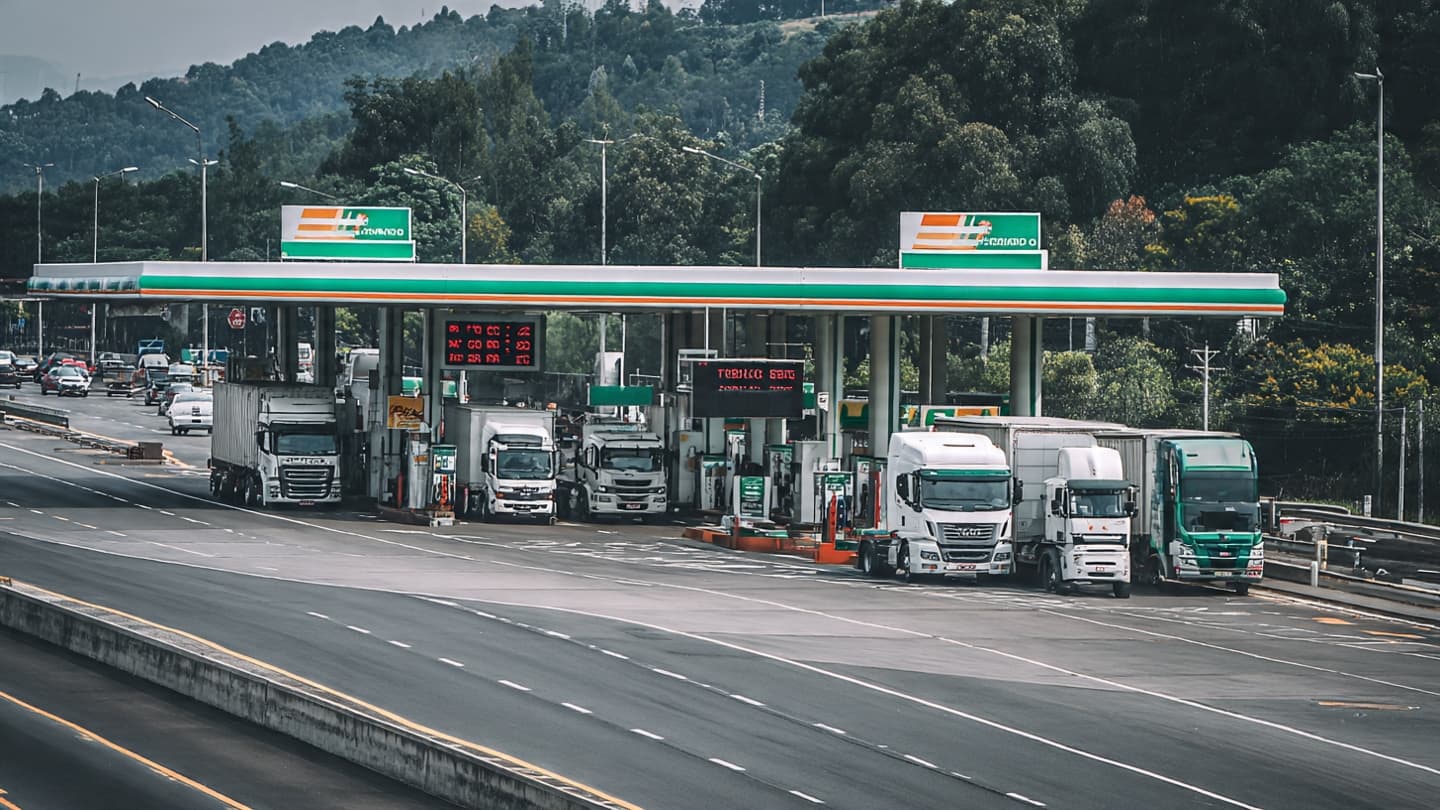
Diesel occupies a central position in that system. Trucks carry agricultural products from inland farms to ports, move manufactured goods between cities, and supply stores across vast distances. When diesel becomes more expensive, its influence can gradually reach many other parts of the economy.
Gasoline and ethanol have a different but equally visible role in daily life. Changes in their prices are noticed directly by drivers and can also influence transportation costs, commuting expenses, and other forms of household spending.
The government’s approach therefore involves more than adjusting numbers at fuel stations. It also requires consideration of public finances. A subsidy can provide immediate relief, but it creates an expense that must eventually be reflected somewhere in the broader fiscal picture.
Brazil expects increased revenues from oil-related taxes and royalties to help offset part of the cost. The country’s position as an oil producer means that rising international prices can create both pressure and additional government revenue, producing a complicated balance between the benefits and costs of higher crude prices.
For now, the R$7 billion monthly estimate illustrates the scale of the intervention. As global energy markets continue to move, Brazil will have to watch both the price at the pump and the cost of maintaining support. The road ahead will depend heavily on how long the international oil shock lasts and how quickly energy markets settle.
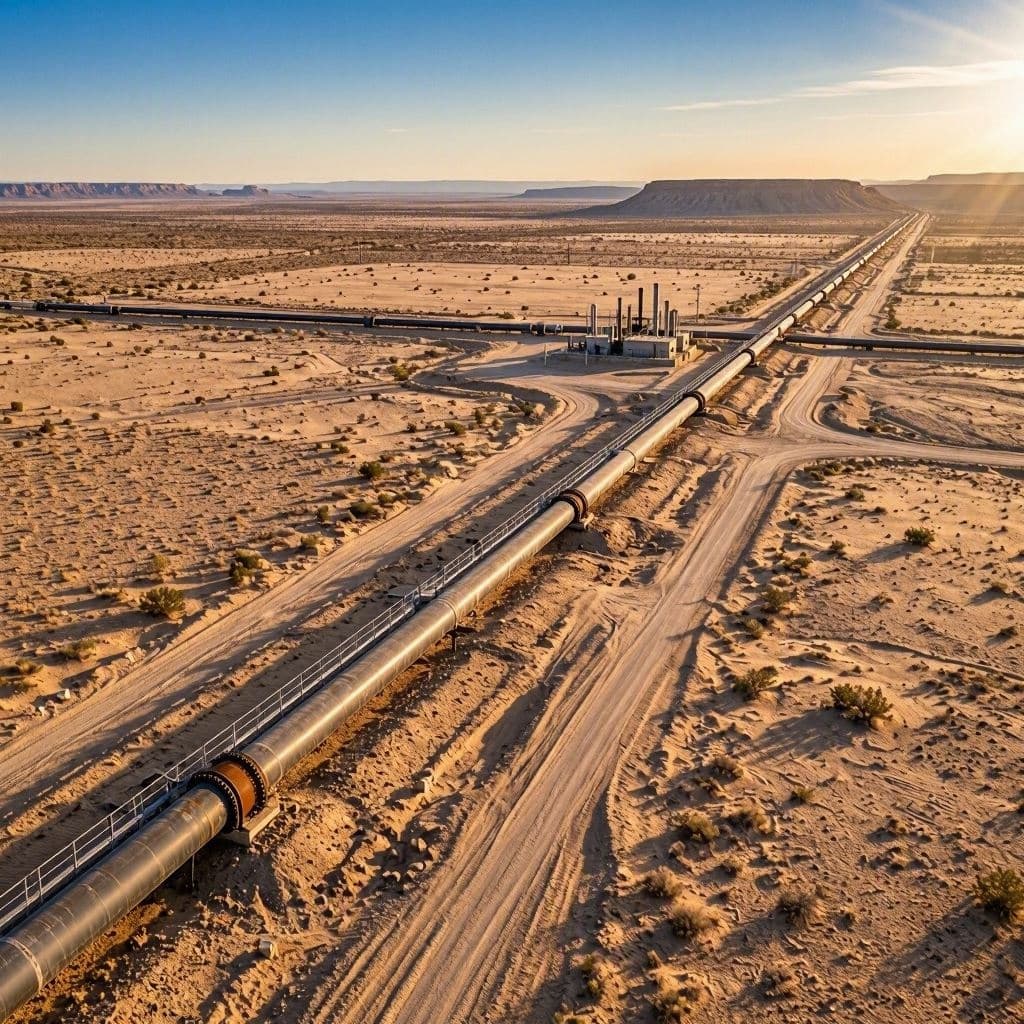
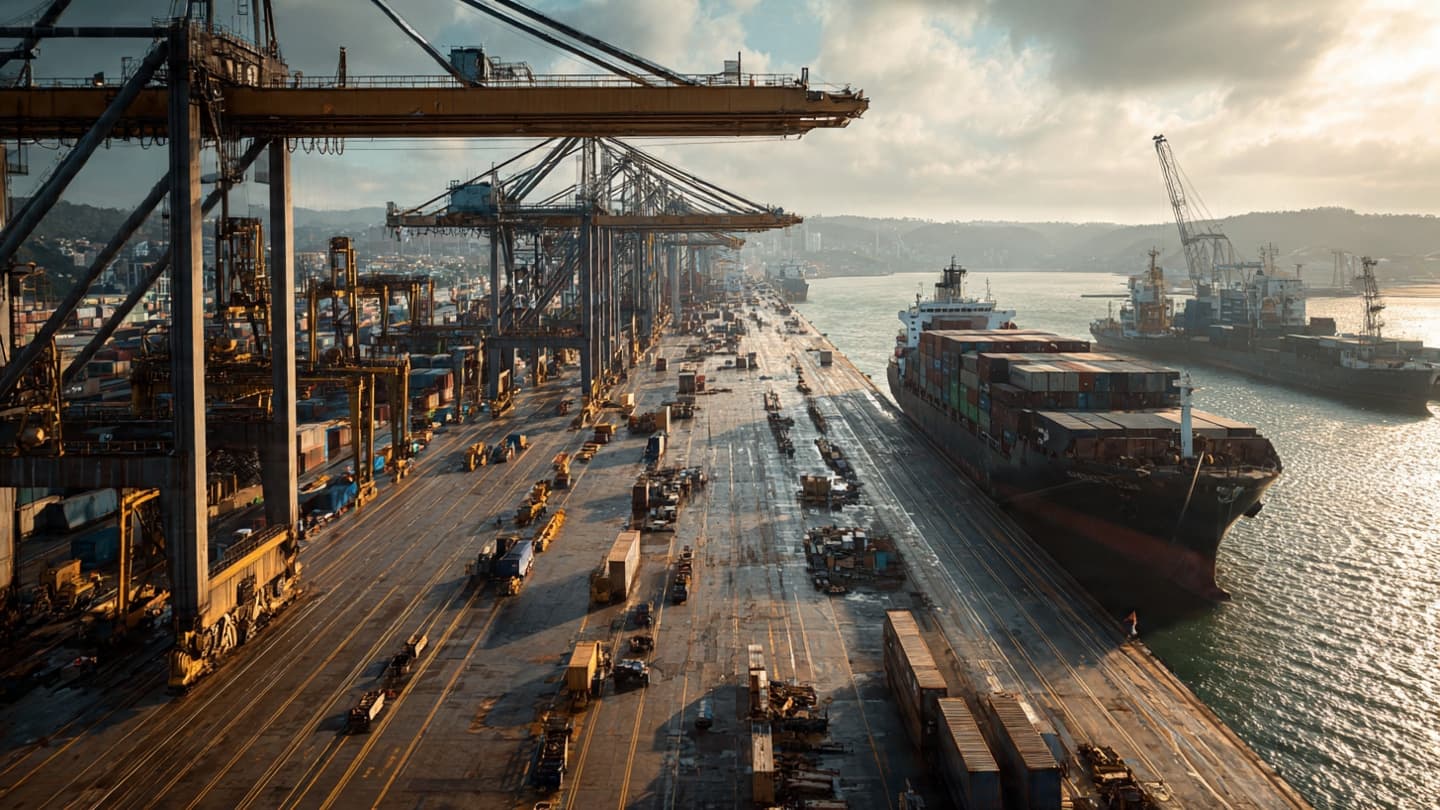
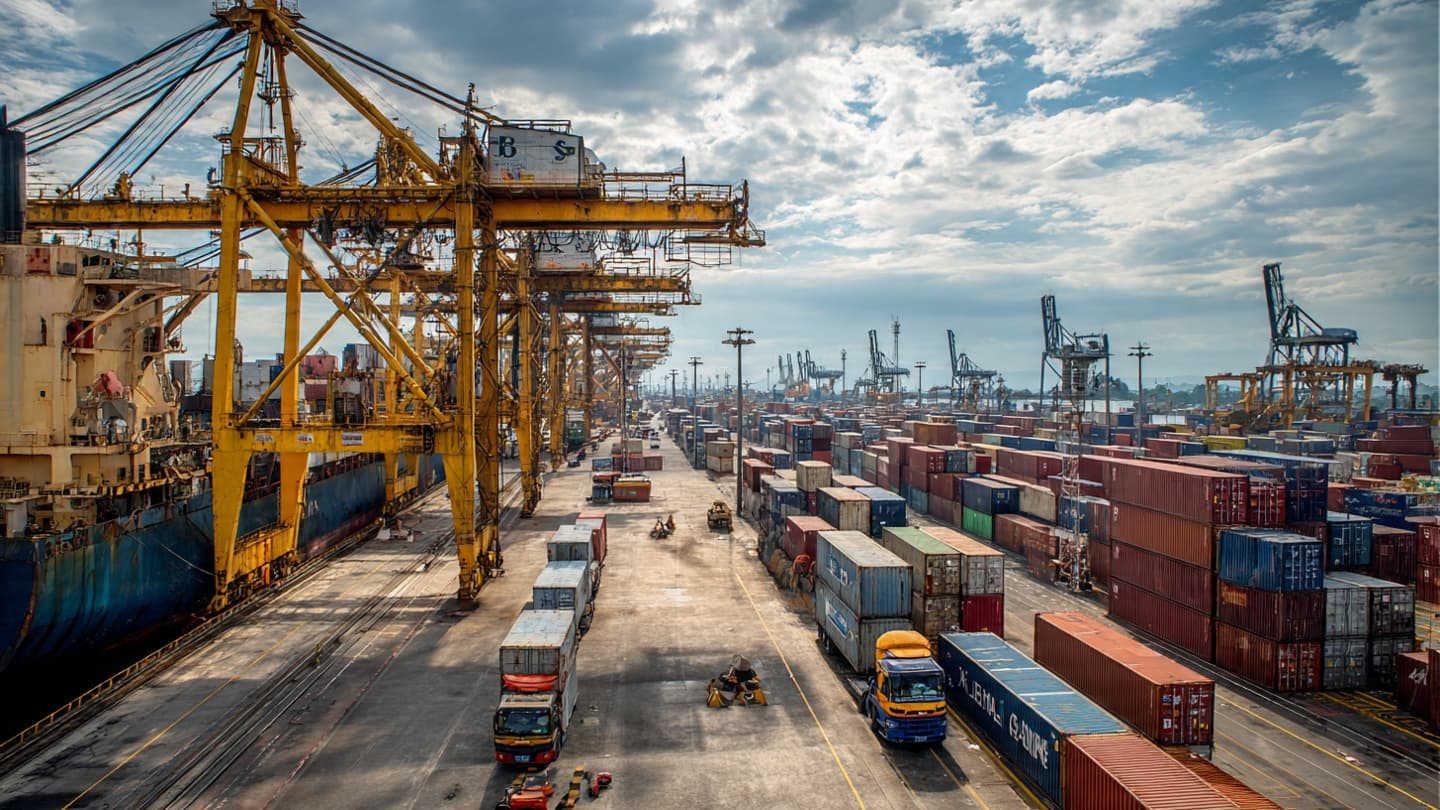
Image Disclaimer: These visuals were generated with AI to illustrate the subject matter and are not direct photographs of Brazil’s fuel-policy implementation or actual government facilities.
Sources: Agência Brasil; Reuters
SEO Slug: brazil-new-fuel-measures-r7-billion-monthly-cost-2026
Published by Banx Network. This article is part of the Banx decentralized media programme, powered by the BXE token on the XRP Ledger.