Amid oil fields, ports, and trade networks that stretch far beyond borders, money is not always the only language used in commerce. As financial pathways narrow, countries and companies can seek alternative routes to keep goods moving.
Reuters reports that Iran is using a barter-like trade mechanism with China to sell oil while obtaining credits used to purchase various goods from China. This system has become one of Tehran's ways to maintain trade flows as U.S. pressure on the Iranian economy intensifies.
In this mechanism, revenue from Iranian oil does not always flow through the international banking system like regular trade transactions. Instead, funds are channeled through a special structure that allows for the purchase of goods from Chinese companies. Reuters reports that this mechanism has facilitated the purchase of medicines, vehicles, and communication devices.
According to sources cited by Reuters, this mechanism has been in place at least since 2021 and is estimated to handle around $2 billion to $2.5 billion over the past year. Some funds are also linked to infrastructure projects in Iran, while others are used to pay suppliers of goods.
Behind these figures lies a simple yet significant change in how trade occurs. As banks, companies, and financial institutions face sanction risks, trade can move through more indirect structures, using credits, intermediary companies, and special payment mechanisms.
China itself has strong economic interests in this relationship. As one of the world's largest crude oil importers, China continues to have access to Iranian oil at relatively attractive prices. At the same time, this trade structure can help certain companies reduce their direct exposure to the international financial system.
Reuters also reports that the United States has imposed sanctions on several Chinese entities related to the purchase or shipment of Iranian oil, but Washington has yet to take the broadest steps that could have a significant impact on the global economy.
For Iran, the issue is not just how to sell oil, but how to convert the proceeds from those sales into goods needed by society and industry. As access to foreign currency, international financing, and formal trade routes becomes increasingly limited, every alternative mechanism becomes more crucial.
However, such routes also have limits. Pressure on Iranian trade is increasing alongside disruptions in oil shipments through the Strait of Hormuz. Reuters reports that no Iranian crude oil cargo has successfully passed through the strait to China since the blockade was reinstated on July 14.
Ultimately, the trade relationship between Iran and China illustrates how the global economy can find new pathways as old ones become narrower. Oil continues to flow as a source of value, while credits and trade networks replace some functions of traditional payment systems. Amid prolonged geopolitical pressures, this relationship has become one of the few spaces where Iran's trade can still thrive.
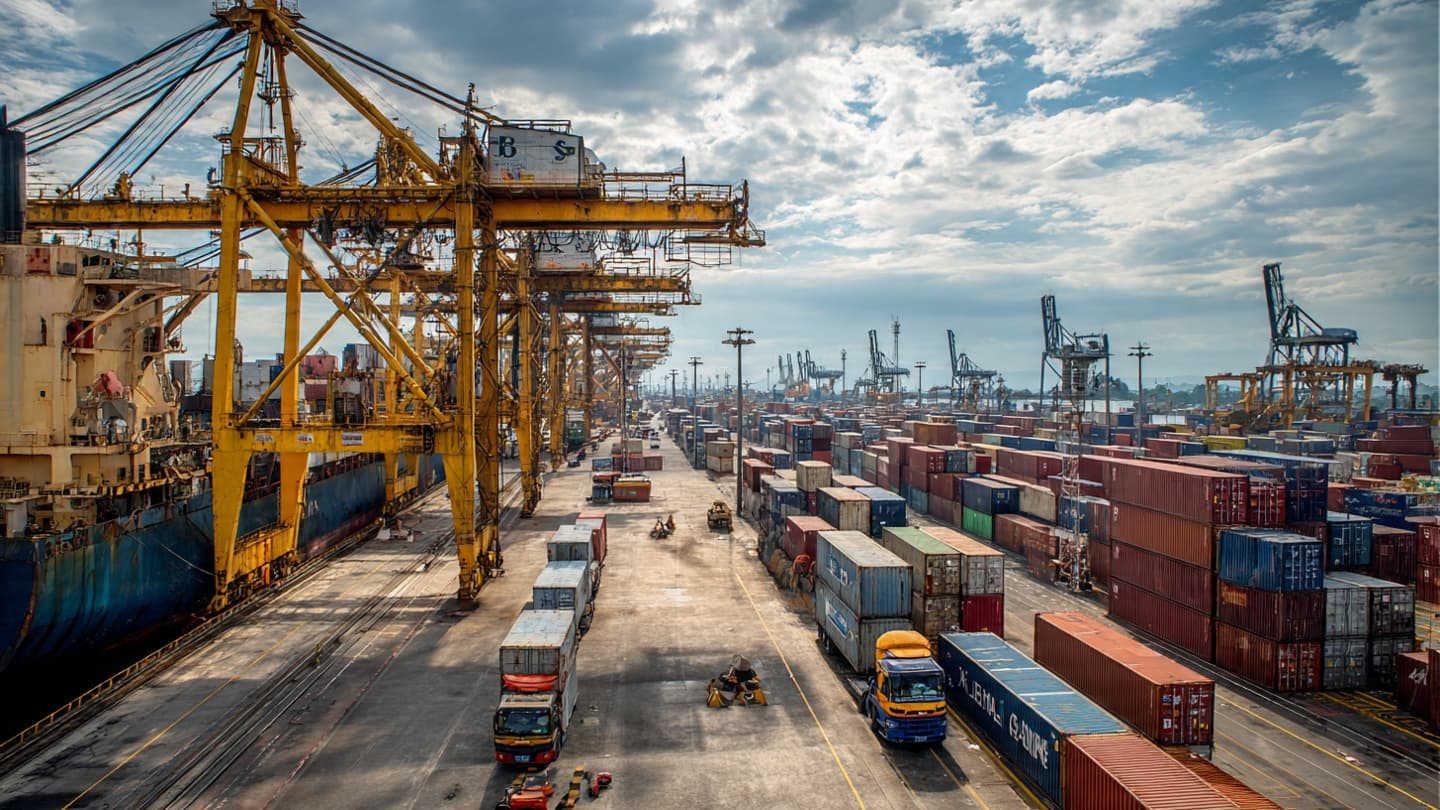
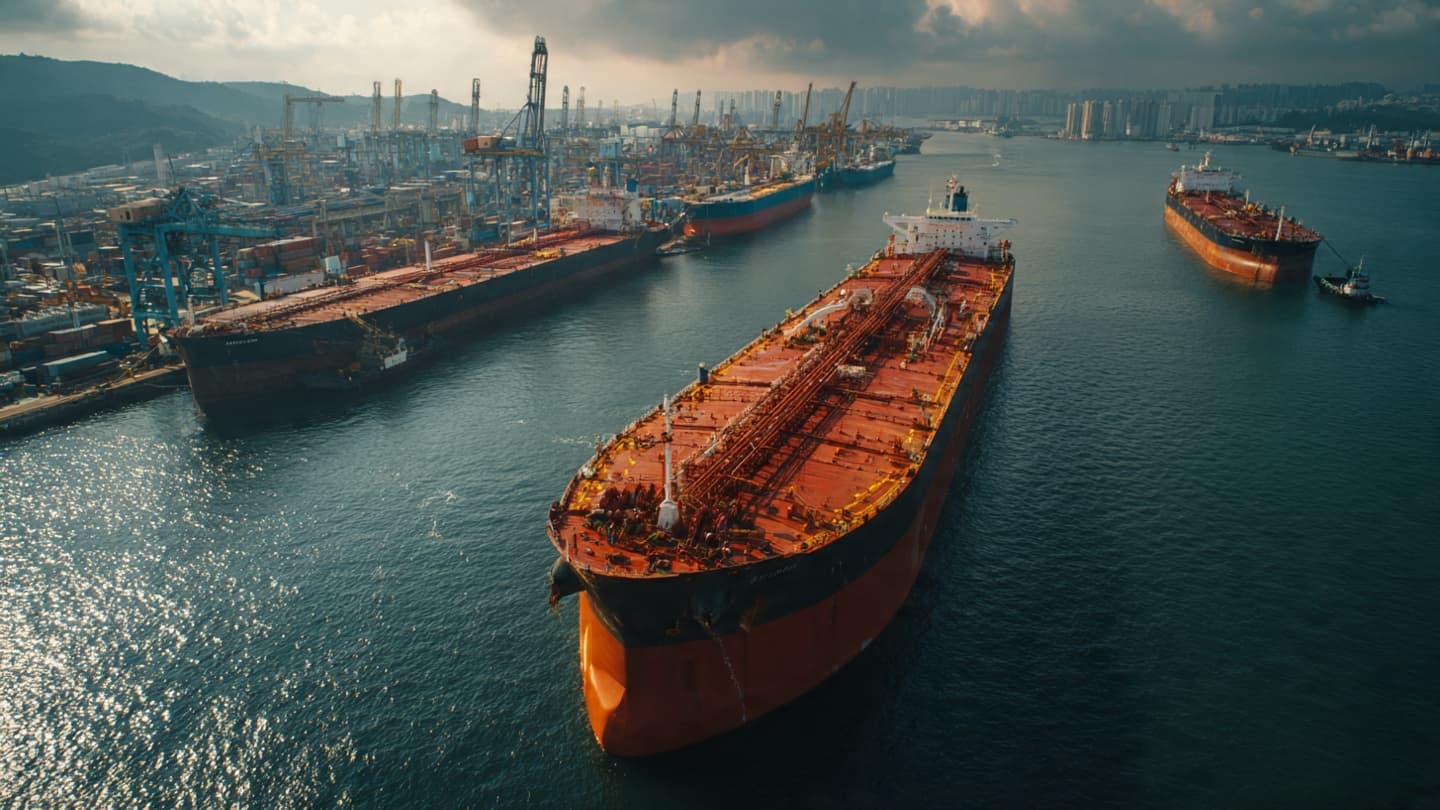
Image Disclaimer: The image accompanying this article is a conceptual AI visualization to illustrate oil trade and the Iran-China logistics relationship, not photographic documentation of actual transactions.
Sources: Reuters
Published by Banx Network. This article is part of the Banx decentralized media programme, powered by the BXE token on the XRP Ledger.