Has Technology Borrowed Our Attention, or Have We Given It Away?
Technology often trades convenience for attention. Reclaiming focus and presence does not mean rejecting tools, but using them with intention and clear boundaries.

Technology often trades convenience for attention. Reclaiming focus and presence does not mean rejecting tools, but using them with intention and clear boundaries.

Apple is urging millions of iPhone users to install iOS 26.2.1, a minor-appearing update that includes bug fixes and support for new AirTags, but may address broader stability and security concerns.

DeepMind’s AlphaGenome AI reads long stretches of DNA to predict how genetic variations influence gene regulation and expression, offering new insights into the genome’s “recipe for life.”

Stanford researchers developed a new light‑capturing system for atom qubits that could enable reading many at once, opening a path toward scalable quantum computers.

An internal bug report accidentally leaked the first look at Google’s Android‑for‑PC desktop interface, showing Aluminium OS with a taskbar, status bar, split screens, and Play Store access.

A recent leak claimed the iPhone 18 may have improved telephoto performance, but the report is vague and unlikely to be accurate; stronger evidence points to other camera refinements instead.

Despite a fix released six months ago, attackers continue exploiting unpatched WinRAR systems, showing how delayed updates allow known vulnerabilities to quietly persist.

Generative latent diffusion models can synthesize high-fidelity synthetic IoT attack data, improving intrusion detection system performance up to F1-scores of 0.99 by addressing class imbalance during training.

Crystal Dynamics has unveiled new brand partnerships to mark the 30th anniversary of Tomb Raider, alongside major new game announcements and collaborations that look to celebrate and expand the franchise’s legacy.

A recent investigation revealed that Apple’s and Google’s official app stores hosted numerous AI “nudify” apps that generate deepfake nude images, despite strict platform policies. Companies removed some after the report.

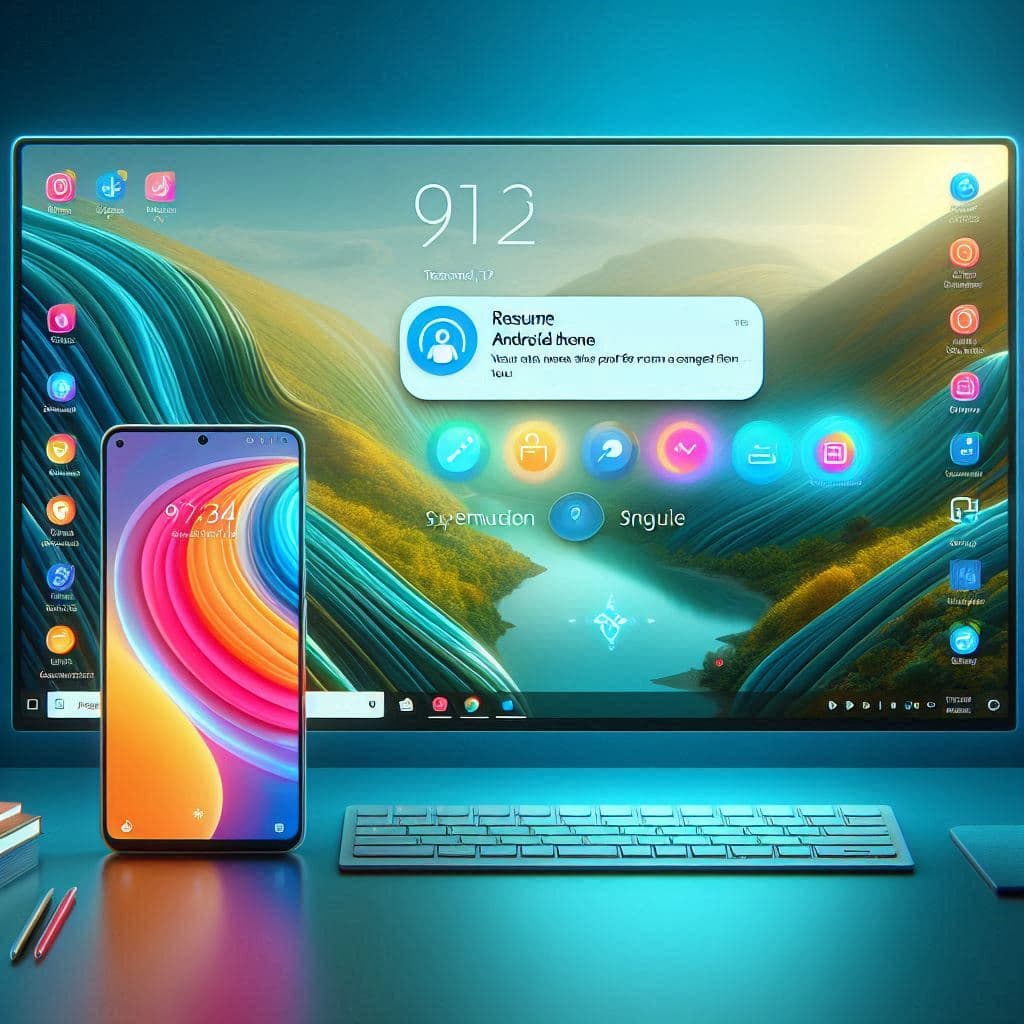
Windows 11 is edging closer to letting users resume Android apps on their PC, expanding cross-device continuity in preview builds so tasks begun on phones can continue on computers.

GIGABYTE’s AI-powered X870E AORUS XTREME X3D AI TOP motherboard — designed to unleash performance from AMD Ryzen X3D processors with dynamic AI overclocking and advanced cooling — is now available for PC builders and gamers.

At CES 2026, AMD showcased an AI-driven keynote production that blended narrative, immersive visuals, and human stories to deepen engagement, while highlighting its “AI Everywhere” vision and new hardware and software platforms.

Samsung teases a new Galaxy privacy feature that hides screen content from side views, protecting sensitive info while keeping the display clear for the user.

Google is embedding its Nano Banana AI image generator and assistant tools directly into the Chrome browser, letting users create and edit images from text within a new side panel, initially for desktop users in the U.S. using Gemini-powered AI.

Samsung’s Galaxy Z TriFold officially launches in the U.S. on Jan. 30 at $2,899, marking a bold step in foldable tech while prompting questions about price and accessibility.

Microsoft is expanding Windows 11’s Cross-Device Resume feature, bringing Android app activity continuity — like resuming Spotify or Office work on PC — closer to general rollout via the Release Preview channel.

Users are embracing Moltbot, an open source always-on AI, despite serious security and privacy risks, reflecting growing demand for persistent, user-controlled intelligence.

Rumors suggest the iPhone 18 Pro could add a teleconverter and variable aperture, hinting at a more adaptable camera system focused on optical flexibility.

A leaked preview shows Android running on a PC-like interface, hinting at deeper convergence between mobile and desktop platforms within Google’s ecosystem.

A long-known WinRAR path traversal flaw is still being actively exploited, highlighting how unpatched, familiar software continues to pose quiet cybersecurity risks.

Sony’s new PS5 firmware (26.01-12.60.00) adds optional read receipts, easier navigation from social widgets, and general performance and stability improvements.

Apple has released rare updates for older iOS versions to extend security certificates so iMessage, FaceTime, and device activation continue working past 2027.

Apple’s cautious AI strategy has lagged behind rivals and led to partnerships with competitors on AI models, sparking fresh scrutiny even as the company retools Siri and Apple Intelligence.