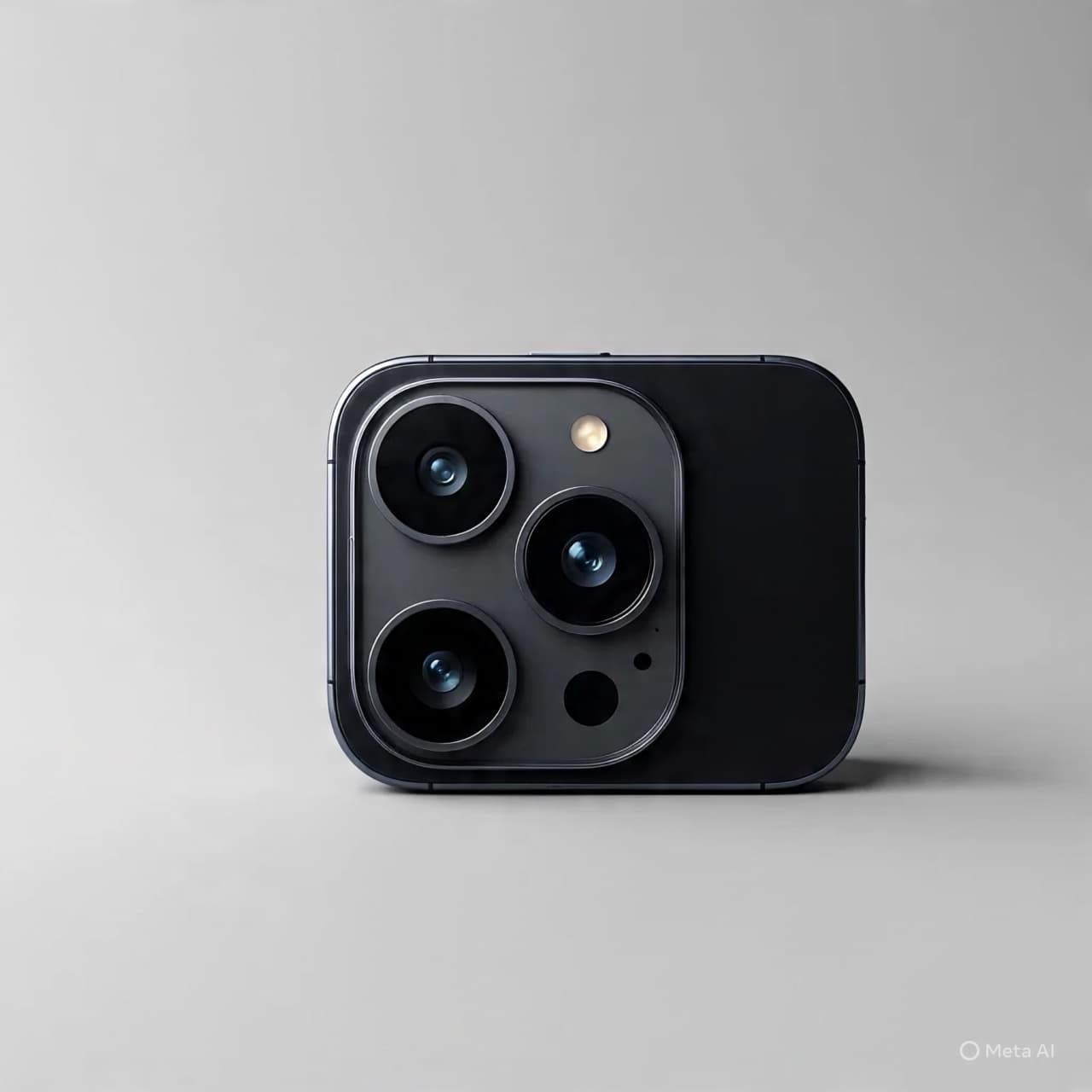
Rumors in technology rarely arrive as certainty. They surface instead as possibilities, shaping expectations long before products exist to meet them. The latest speculation around the iPhone 18 Pro suggests Apple may be exploring a new photographic direction — one that combines a teleconverter with a variable aperture, subtly reframing how the device approaches mobile imaging.
If realized, such a setup would mark a quiet but meaningful evolution. A teleconverter would allow users to extend focal length without switching lenses, while a variable aperture could adapt to light conditions and depth needs in real time. Together, they hint at a camera system less fixed in its behavior, more responsive to circumstance.
Apple’s recent camera philosophy has leaned toward computational refinement rather than dramatic hardware leaps. Sensors grew larger, lenses sharper, processing smarter. Introducing a teleconverter alongside variable aperture would align with that trajectory — enhancing flexibility while keeping the experience largely invisible to the user. The goal would not be manual control for its own sake, but better outcomes without added friction.
Such a move would also reflect changing expectations. Smartphone photography has matured, and users increasingly compare phones not just to each other, but to dedicated cameras. Optical reach and light control remain areas where physics still matters. A variable aperture could manage highlights and low light more naturally, while a teleconverter could reduce reliance on aggressive digital zoom.
There are, of course, constraints. Space inside a phone remains unforgiving, and added optical complexity brings trade-offs in thickness, cost, and reliability. Apple’s history suggests restraint — features tend to arrive only when they can be integrated cleanly, without asking users to think too much about how they work.
For now, the idea exists only as a suggestion, not a promise. But it fits within a broader pattern: smartphones inching closer to traditional cameras, not by imitation, but by selective borrowing. The emphasis is on adaptability rather than control panels, on intelligence rather than knobs.
If the iPhone 18 Pro does adopt such technology, its significance would lie less in novelty than in intent. It would signal Apple’s continued belief that photography advances not through spectacle, but through systems that quietly adjust themselves to the world in front of the lens.
Until then, the rumor remains a sketch — a glimpse of a future where phone cameras become less rigid, more interpretive, and slightly more aware of the light they’re trying to capture.
AI Image Disclaimer Illustrations were created using AI tools and are not real photographs.
Sources MacRumors Bloomberg Ming-Chi Kuo
Published by Banx Network. This article is part of the Banx decentralized media programme, powered by the BXE token on the XRP Ledger.