There was a time when tools waited patiently for human hands. A hammer rested until lifted. A book remained silent until opened. Technology once felt like an invitation rather than a demand. Today, however, it hums constantly in our pockets, lights up our faces before sunrise, and lingers beside us long after night has settled. It arrives not as a guest, but as a companion that rarely leaves, shaping not only how we work and communicate, but how we notice the world itself.
What technology takes from us is rarely stolen outright. It is borrowed quietly, in small increments, until we barely notice its absence. Minutes dissolve into hours, attention fragments into pieces too small to hold, and stillness becomes unfamiliar. Devices promise efficiency, yet often leave us hurried. They offer connection, yet sometimes thin our sense of presence. In this gentle exchange, something intangible slips away — the ability to sit fully within a moment, undivided and unmeasured.
The modern digital environment is designed for engagement, not reflection. Platforms reward speed, reaction, and repetition. Notifications arrive like soft taps on the shoulder, each one difficult to ignore, each one asking for just a little more of our focus. Over time, the mind adapts, learning to skim rather than settle, to scroll rather than stay. The cost is not dramatic, but cumulative. Concentration weakens. Memory feels less anchored. Even boredom, once a doorway to imagination, becomes something to escape at all costs.
Yet technology does not only take; it also mirrors the choices we allow it to make on our behalf. The erosion of attention is not inevitable, nor is the feeling of being perpetually behind. To take something back does not require rejection, but intention. It begins with small acts of resistance that are, in truth, acts of care. Turning off nonessential alerts. Letting silence stretch without filling it. Choosing depth over breadth, even briefly.
Reclaiming agency also means redefining progress. Faster is not always better. More connected is not always more meaningful. When technology serves clear human purposes — learning, creativity, genuine communication — it becomes a tool again rather than a tide. Boundaries, once established, restore a sense of proportion. The screen returns to its frame. Life expands beyond it.
There is a quiet power in deciding when to look away. In reading without interruption. In walking without tracking, measuring, or documenting the moment. These gestures do not reject technology; they reposition it. They remind us that attention is not an unlimited resource, and that where we place it shapes who we become.
Closing Researchers and commentators across multiple disciplines continue to examine the effects of digital technology on attention, mental health, and social behavior. While tools and platforms evolve rapidly, experts note that individual habits and conscious limits remain central to maintaining balance in an increasingly connected world.
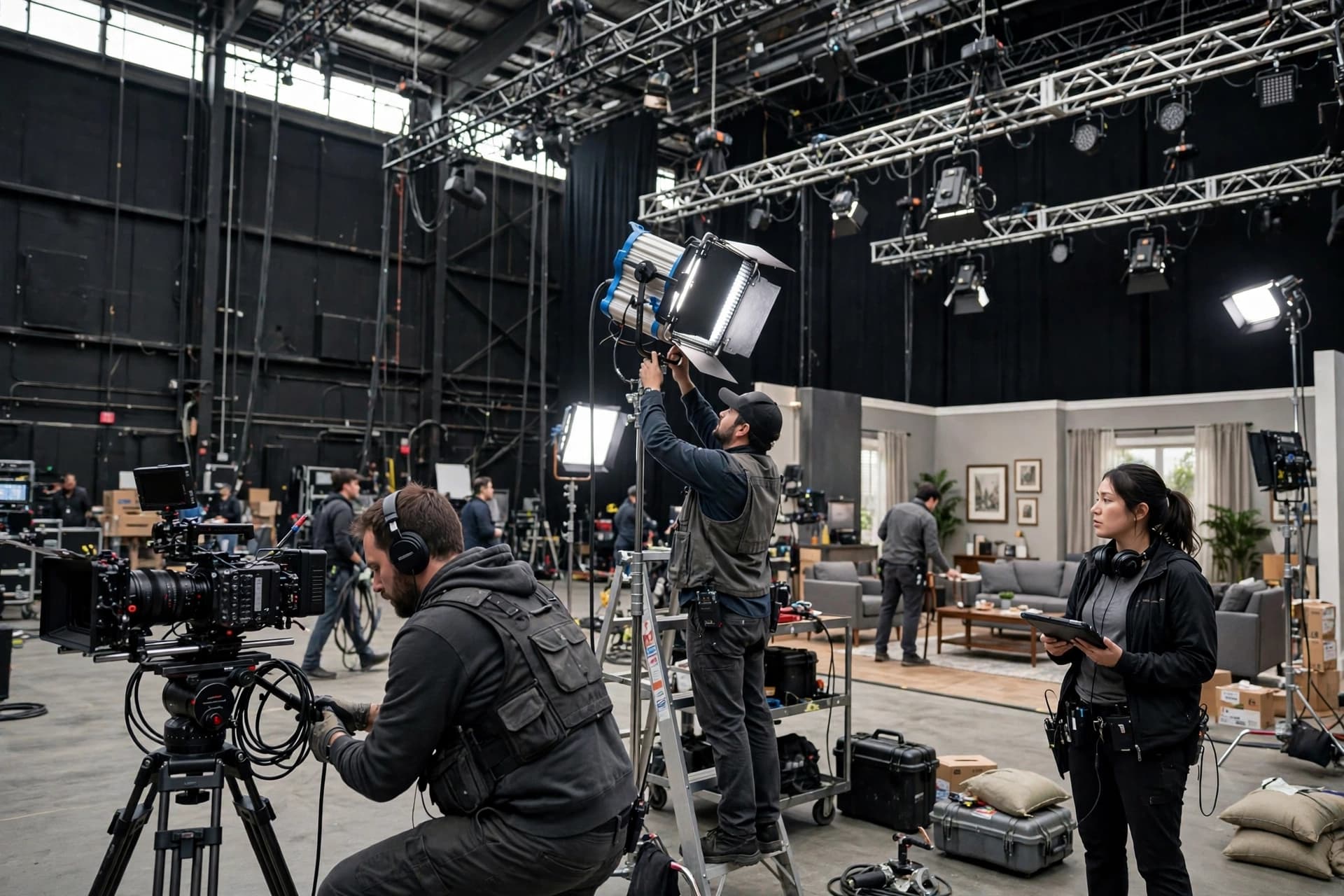
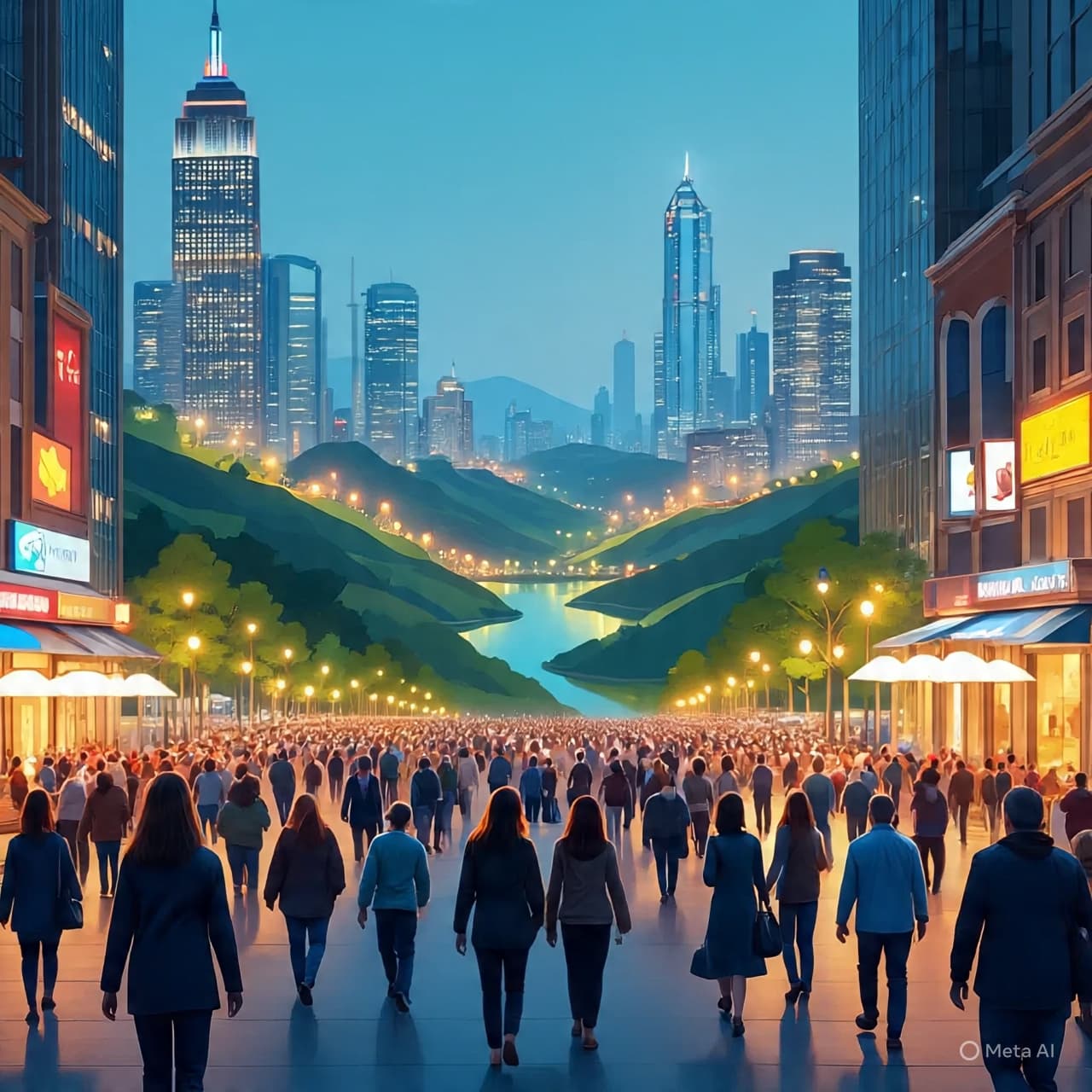
AI Image Disclaimer Graphics are AI-generated and intended for representation, not reality.
Sources The Atlantic The New York Times The Guardian MIT Technology Review Pew Research Center
Published by Banx Network. This article is part of the Banx decentralized media programme, powered by the BXE token on the XRP Ledger.