Some previews arrive polished, announced, and rehearsed. Others slip into view almost by accident, revealing more through implication than intent. Google’s apparent leak of Android running on a PC belongs to the latter — a brief glimpse that has quietly reignited questions about where the platform is headed.
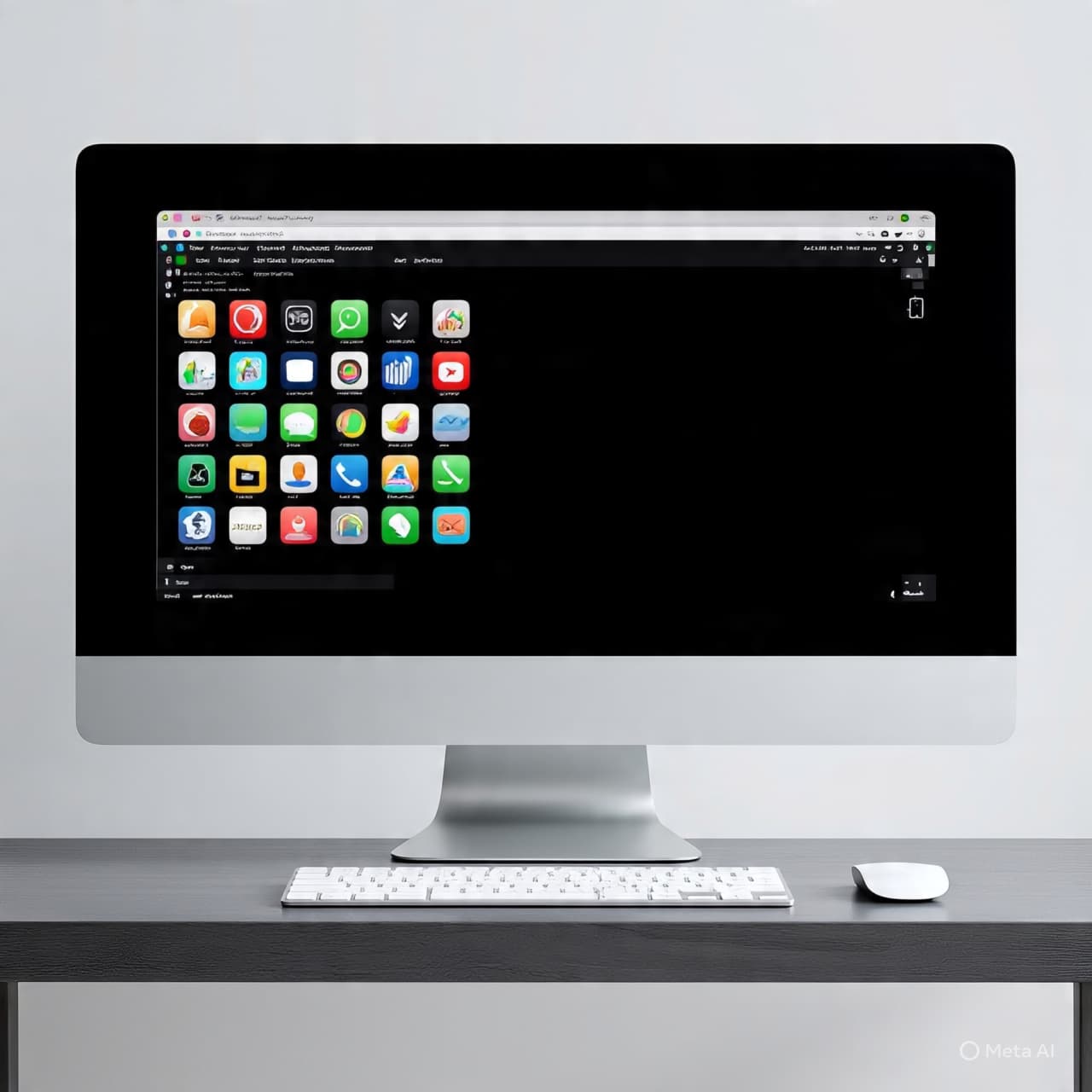
The early look suggests Android adapting itself to a desktop environment, with windowed apps, mouse and keyboard support, and an interface that feels less like a stretched phone screen and more like a system learning new posture. It is not a finished statement, but a hint — one that aligns with years of speculation about Android’s role beyond mobile devices.
Google has long maintained parallel operating systems, with Android dominating phones and ChromeOS carving out space on laptops. Yet the boundaries between them have steadily blurred. Android apps already run on Chromebooks, and desktop-style multitasking has crept into tablets and foldables. Seeing Android appear directly on a PC feels less like a sudden pivot and more like a continuation of that slow convergence.
The leak matters not because of what it definitively shows, but because of what it implies. A native Android-for-PC experience could simplify development, unify ecosystems, and offer users a more consistent relationship with their apps across screens. For developers, it could mean fewer compromises between mobile and desktop logic. For users, fewer transitions between platforms that feel conceptually adjacent but technically separate.
Still, uncertainty remains. Google has experimented before, sometimes publicly, sometimes quietly, and not every experiment becomes a product. The leaked view does not confirm timelines, availability, or intent. It simply reveals possibility — and in technology, possibility often arrives well before clarity.
There are also cultural questions embedded in the moment. Android has thrived because of its adaptability, its ability to inhabit many forms without insisting on one. Bringing it fully into the PC space risks both dilution and expansion. Success would depend on restraint as much as ambition.
For now, the image of Android running on a PC functions like a reflection in glass: fleeting, incomplete, but hard to ignore. It suggests that Google is still thinking about operating systems not as fixed territories, but as environments that stretch, overlap, and evolve.
Whether this glimpse becomes a roadmap or remains a footnote will depend on what Google chooses to do next. But even in its unfinished state, Android for PC hints at a future where screens matter less than continuity — and where platforms quietly learn to travel further than they were first designed to go.
AI Image Disclaimer Illustrations were created using AI tools and are not real photographs.
Sources The Verge Android Authority 9to5Google
Published by Banx Network. This article is part of the Banx decentralized media programme, powered by the BXE token on the XRP Ledger.