There are moments in technology that feel like the end of a long journey — a sunrise cresting slowly over a distant horizon, finally revealing what seemed for so long just a distant promise. This week, that moment arrived for the latest chapter in mobile innovation: the long‑anticipated U.S. release of Samsung’s triple‑folding wonder. What once existed only in speculation, glimpses, and elation at concept reveals is now set to become a real device in consumers’ hands — not tomorrow, but this Friday, January 30, 2026. For many, this milestone feels like the culmination of years of engineering daring; for others, it raises questions about whether such bold leaps still make sense in everyday life.
At its heart, the Galaxy Z TriFold represents a notable shift in how we think about mobile devices: a screen that unfolds not once but twice, expanding from a standard phone into a tablet‑like 10‑inch workspace — a place where creativity, productivity and leisure might coexist in a single handheld tool. This is good news for those enchanted by the idea of technology that bends boundaries, offering a glimpse of what the future smartphone might become. Samsung’s own announcement highlights its confidence in this design and its desire to bring it to a broader audience after limited launches elsewhere around the globe.
Yet, just as the sun that rises can cast long shadows, there is an unmistakable note of tension around this moment. The TriFold’s price tag — $2,899 in the U.S. — marks it as one of the most expensive mainstream phones ever offered. That figure places it well above the already premium Galaxy Z Fold models and even some high‑end laptops, prompting a reflective pause: innovation can excite, but when cost soars, what does that mean for accessibility and for the everyday user who might yearn for cutting‑edge features but balk at the financial leap?
In conversations with early adopters and technology watchers, one recurring theme emerges: the TriFold is both captivating and challenging. It captivates because of its hardware — the expansive display, the powerful chip, the sleek design — it challenges simply because not everyone will feel the lure of a nearly three‑grand device, especially amid economic uncertainties that nudge people toward more measured spending. Where some see a rare fusion of smartphone and tablet, others see a price point that elevates the TriFold into luxury territory.
But even as critics raise eyebrows at the cost, enthusiasts celebrate the arrival of a new form factor that pushes engineers and app developers alike to reimagine what a foldable device can do. And in a way, that blend of hope and reservation feels almost poetic: the very thing that propels us forward can also remind us of our own limitations and priorities. This tension is not a flaw so much as a reflection of our collective negotiation with progress — an ongoing dialogue between aspiration and reality.
So, as January draws to a close and Samsung’s newest creation hits shelves and websites across the United States, the moment stands at once as good news — a long‑awaited release that brings extraordinary hardware to life — and as a gentle challenge, inviting consumers to consider not just what technology can do, but what they want it to be. In that interplay between desire and discernment lies the true narrative of innovation, unfolding more slowly and thoughtfully than any single headline could capture.
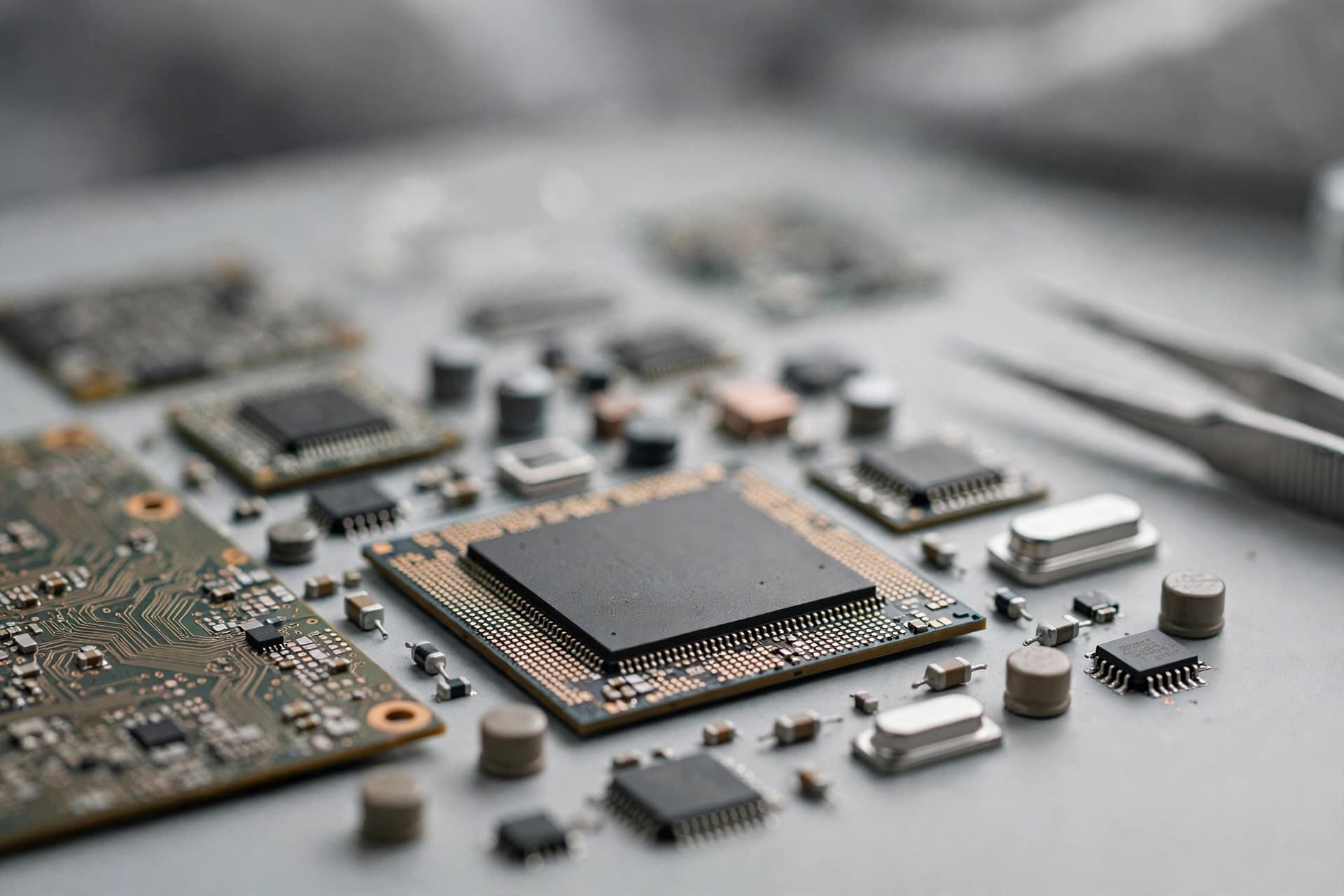
AI Image Disclaimer Visuals are created with AI tools and are not real photographs.
Sources (News Coverage) Reuters Samsung Newsroom Bloomberg Digital Trends Tom’s Guide
Published by Banx Network. This article is part of the Banx decentralized media programme, powered by the BXE token on the XRP Ledger.