At the edge of Earth’s gravity, where schedules drift as gently as spacecraft themselves, spaceflight often resembles a carefully timed dance. One movement cannot rush another, and every step must respect the rhythm of orbit. In this quiet choreography, NASA’s return to the Moon and routine journeys to low Earth orbit now share the same narrow stage, bound together by timing, precision, and patience.
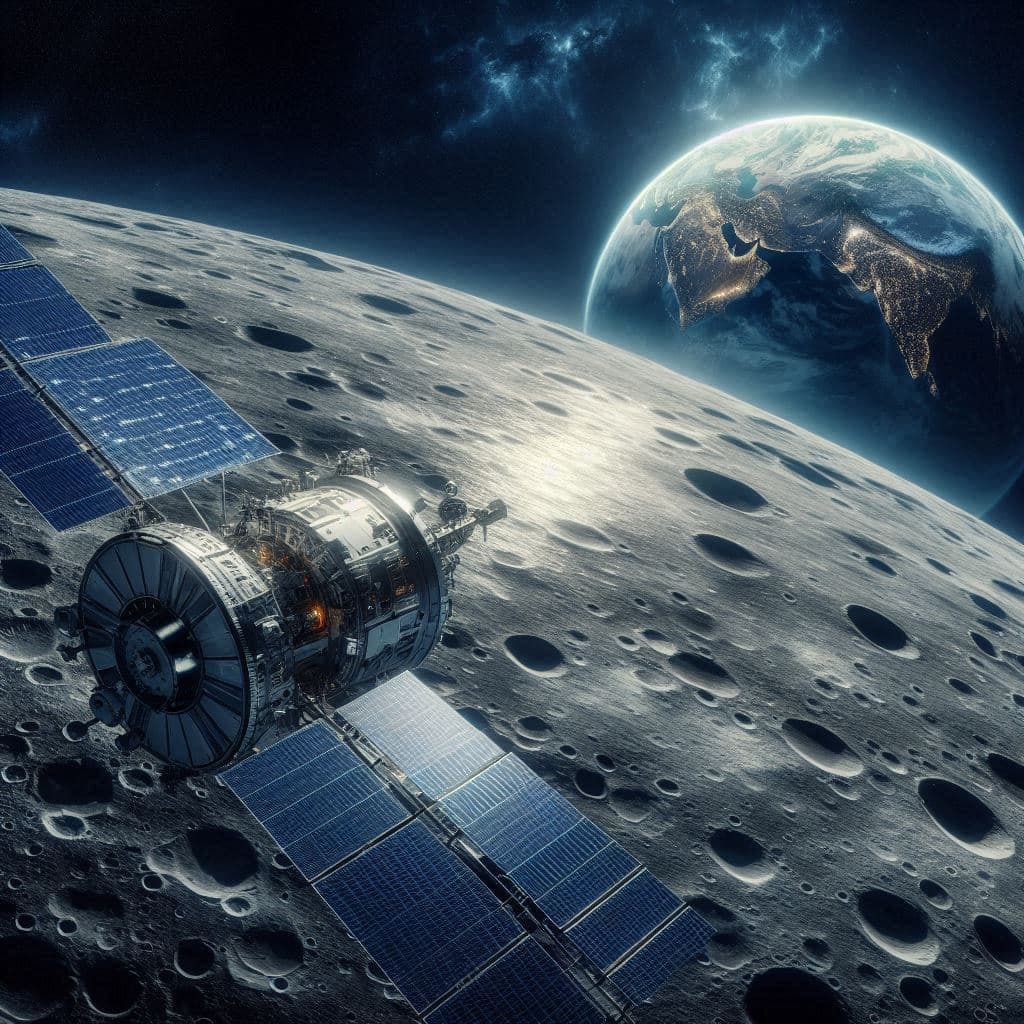
NASA’s Artemis 2 mission, planned as the first crewed voyage around the Moon in more than half a century, represents a moment both symbolic and practical. Four astronauts are preparing to leave Earth’s immediate neighborhood, testing the Orion spacecraft and Space Launch System in a long arc around the Moon before returning home. The mission is widely seen as a bridge between past ambition and future permanence beyond Earth orbit, and its preparations ripple across NASA’s broader launch calendar.
That ripple reaches the International Space Station, where SpaceX’s Crew-12 mission is scheduled to rotate astronauts as part of NASA’s Commercial Crew Program. Both Artemis 2 and Crew-12 rely on overlapping infrastructure, shared teams, and tightly coordinated launch windows. Though the vehicles differ, the ground systems, recovery assets, and flight readiness teams are intertwined, requiring careful sequencing to ensure safety and operational clarity.
NASA officials have described this overlap not as conflict, but as coordination. Artemis 2’s lunar ambitions must align with the steady cadence of station operations, where human presence remains continuous. A delay in one mission can gently press against the other, requiring adjustments that resemble small steps backward and forward rather than abrupt changes.
SpaceX, as a partner on both programs, plays a central role in maintaining this balance. While Orion lifts atop NASA’s own heavy-lift rocket, Crew-12 depends on Falcon 9 and Dragon systems that must remain fully supported throughout the Artemis preparation period. The result is a launch manifest that behaves less like a rigid timetable and more like a living system, adapting as milestones approach.
Behind the scenes, engineers and planners navigate this complexity with a shared understanding that spaceflight rarely moves in straight lines. Weather, technical reviews, and safety assessments can nudge timelines in subtle ways. What matters most is that each mission retains its integrity, even when paths cross.
As Artemis 2 inches closer to flight readiness, NASA continues to signal that Crew-12 remains a priority, with no indication that the ISS mission will be sidelined. Instead, the agency emphasizes coordination, flexibility, and communication across teams, reinforcing a broader message about modern spaceflight: exploration and operations are no longer separate chapters, but parallel stories unfolding together.
In the coming months, NASA is expected to finalize launch readiness milestones for Artemis 2 while maintaining Crew-12’s position in the ISS rotation schedule. Both missions remain on track, their timelines intertwined in a careful orbital dance that reflects how far human spaceflight has evolved — not away from complexity, but into it.
AI IMAGE DISCLAIMER
Graphics are AI-generated and intended for representation, not reality.
---
SOURCES
NASA SpaceNews Space.com Reuters Associated Press
Published by Banx Network. This article is part of the Banx decentralized media programme, powered by the BXE token on the XRP Ledger.