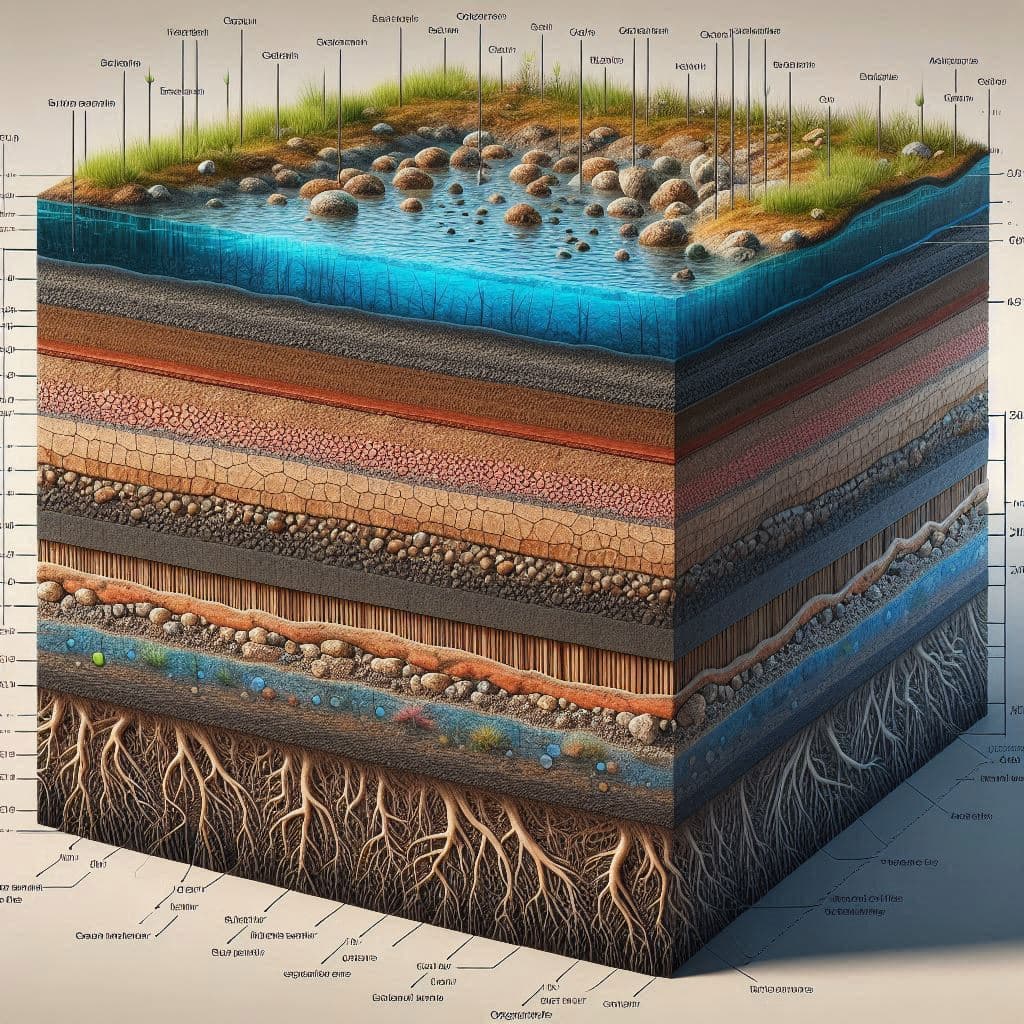
Wetlands have long been imagined as places of standing water and mirrored skies, landscapes where stillness reflects the clouds above. In this familiar picture, water defines the wetland, pooling generously across reeds and grasses, marking the boundary between land and lake. Yet beneath this image lies a quieter truth, one that unfolds not in dramatic floods but in subtle balances. Like a breath held gently rather than forcefully drawn, wetlands offer their greatest climate value not through constant saturation, but through restraint.
For years, the prevailing assumption held that wetter was better. Flooded soils, it seemed, locked carbon safely underground, slowing its return to the atmosphere. But recent research has begun to soften that view, revealing a more nuanced relationship between water, soil, and climate. When wetlands remain permanently flooded, oxygen is pushed out of the soil, creating conditions that favor methane-producing microbes. Methane, though short-lived, is a far more potent greenhouse gas than carbon dioxide, and its release can quietly offset some of the climate gains wetlands are meant to provide.
By contrast, wetlands that experience seasonal or partial drying tell a different story. In these landscapes, soils still store large amounts of carbon in plant roots and organic matter, while reduced saturation limits methane emissions. The result is a system that continues to act as a carbon sink without amplifying other warming forces. Vegetation thrives, microbial communities shift, and the wetland breathes with the rhythm of natural cycles rather than remaining locked in a single state.
This understanding carries implications beyond academic circles. Wetland restoration projects, often guided by the desire to maximize water coverage, are being reexamined with greater care. Allowing for fluctuating water levels — shaped by seasons, rainfall, and local hydrology — may offer stronger long-term climate benefits while also supporting biodiversity. Birds, insects, and plants adapted to dynamic conditions often flourish in these environments, finding niches in the gentle transitions between wet and dry.
At its core, this shift in perspective invites a more patient approach to nature. Rather than forcing wetlands into a permanently flooded mold, scientists increasingly suggest working with their natural variability. Climate benefit, it turns out, does not always come from abundance, but from balance.
As research continues, the emerging consensus is clear but measured. Wetlands remain among the planet’s most valuable natural allies in addressing climate change, and their effectiveness depends not on constant inundation, but on thoughtful stewardship that respects how these ecosystems function best over time.
AI Image Disclaimer “Images in this article are AI-generated illustrations, meant for concept only.”
Sources (media names only):
Nature Climate Change Scientific American National Geographic The Guardian (Environment) Smithsonian Magazine
Published by Banx Network. This article is part of the Banx decentralized media programme, powered by the BXE token on the XRP Ledger.