From Eggshell to Mind, the Echo of Shape and Sound Connects Worlds
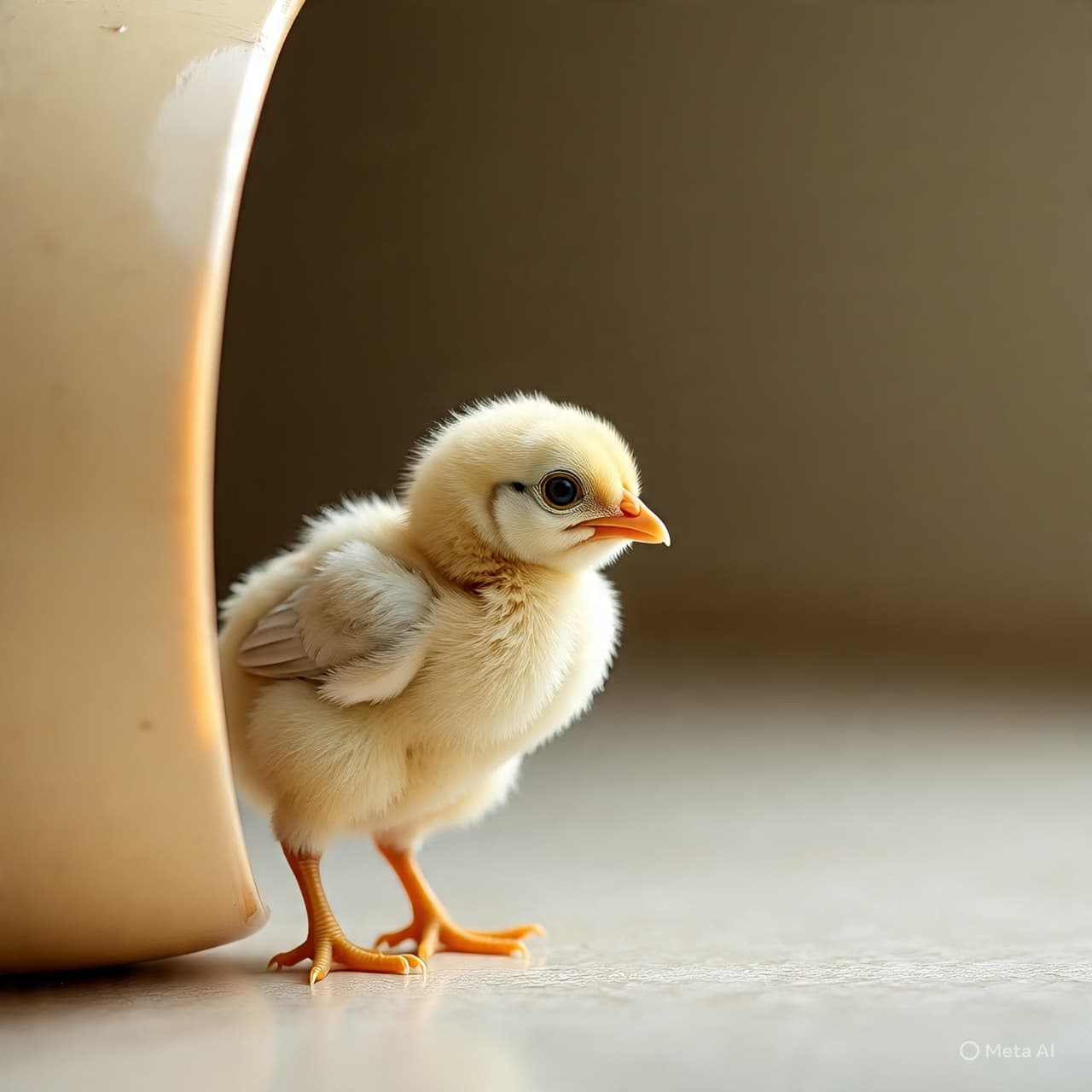
A new study shows newly hatched chicks, like humans, associate the sound “bouba” with rounded shapes and “kiki” with sharp ones, suggesting deep sensory links across species.

A new study shows newly hatched chicks, like humans, associate the sound “bouba” with rounded shapes and “kiki” with sharp ones, suggesting deep sensory links across species.

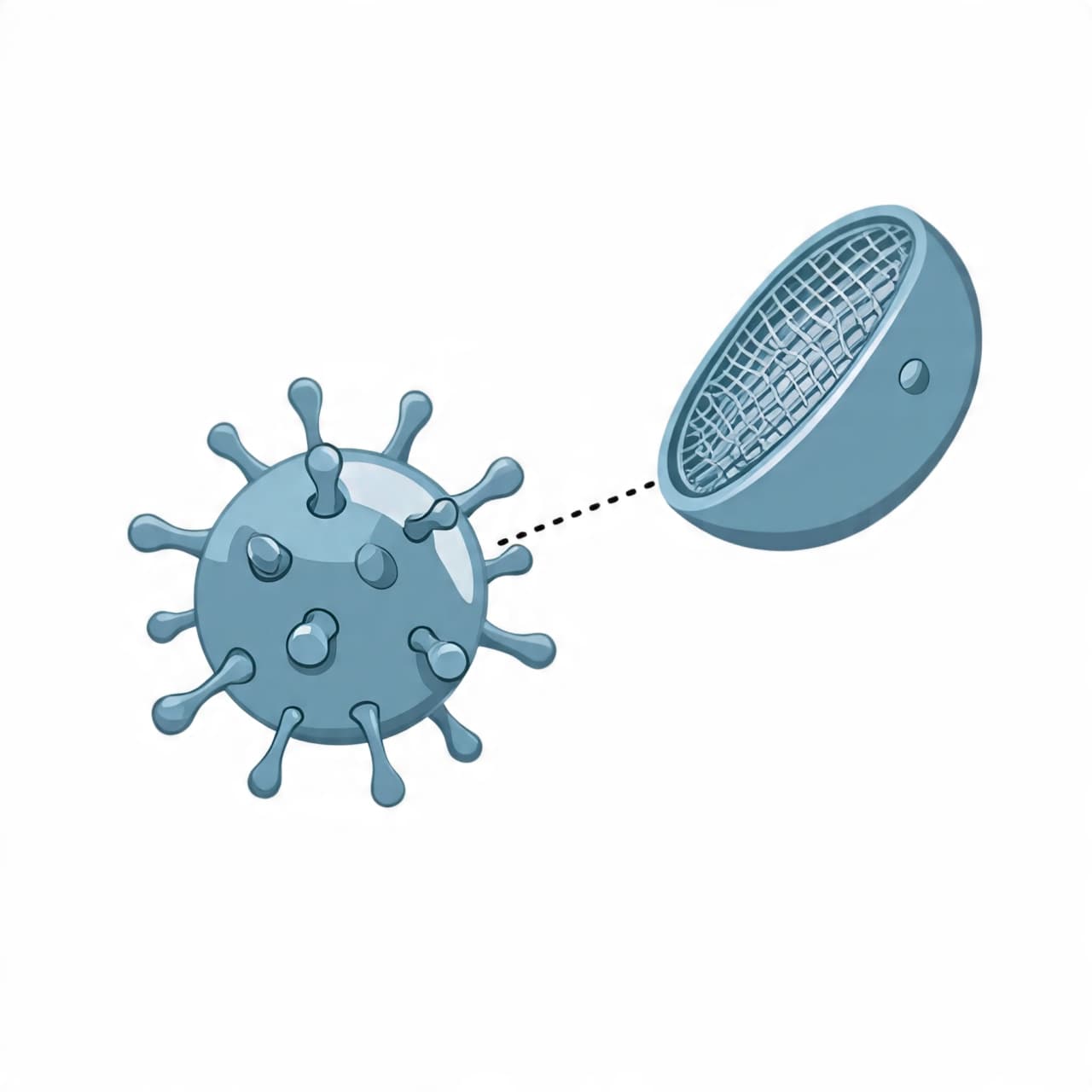
Researchers have identified a new giant virus, ushikuvirus, whose features and interactions with host cells may offer clues to the evolutionary origins of complex eukaryotic life.

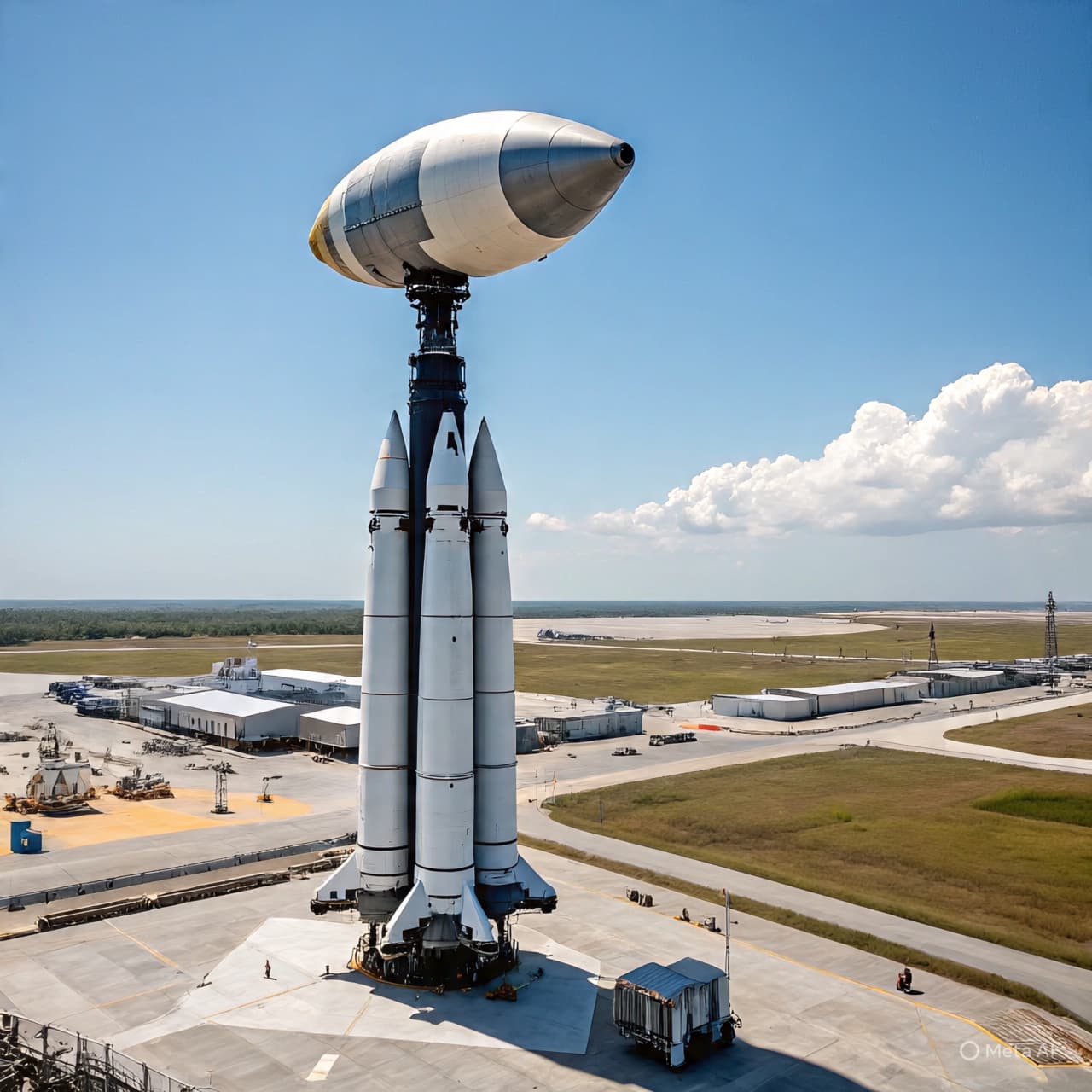
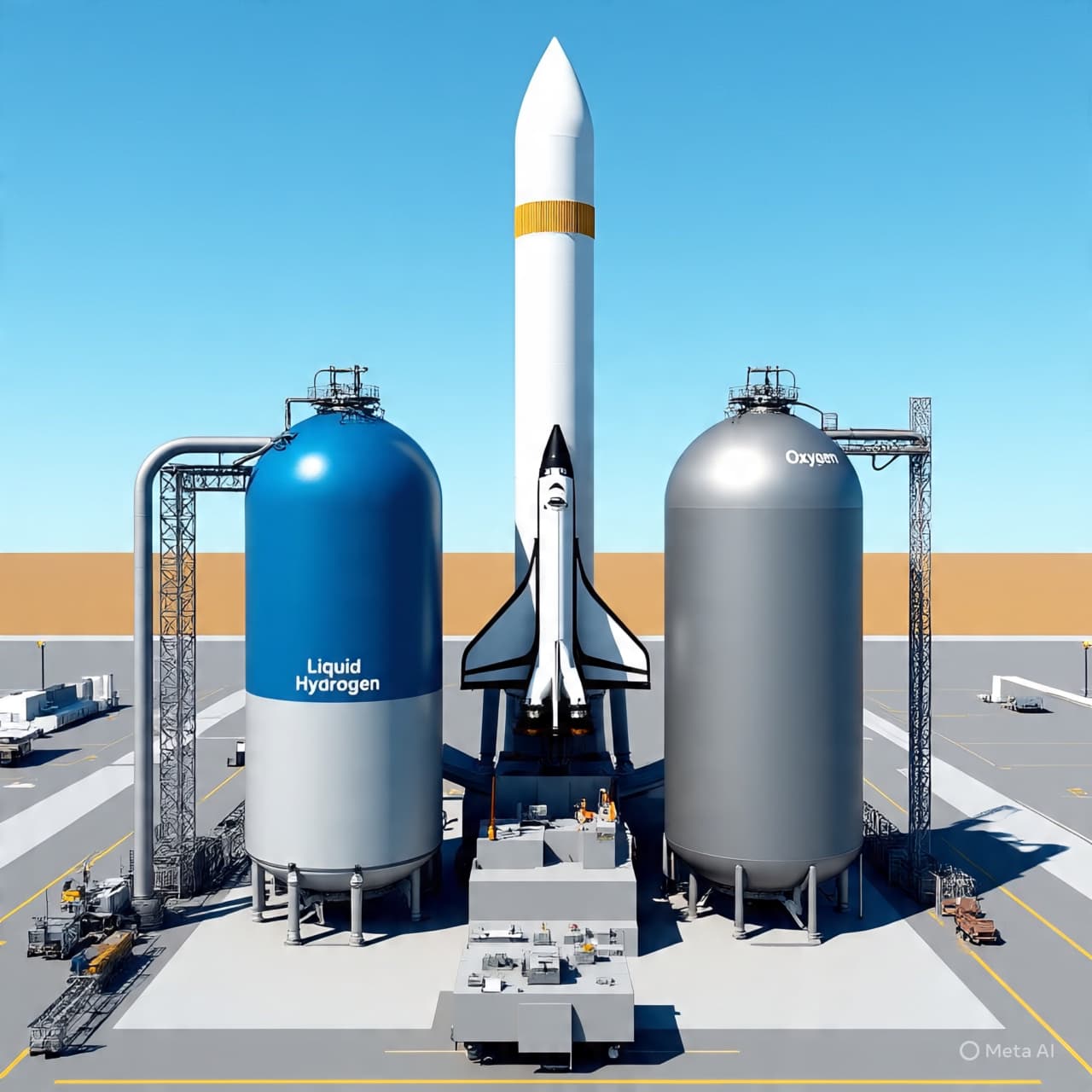
NASA’s Artemis II wet dress rehearsal reached a key milestone as the SLS rocket completed its fueling countdown, testing propellant loading and launch procedures ahead of a possible March lunar mission.

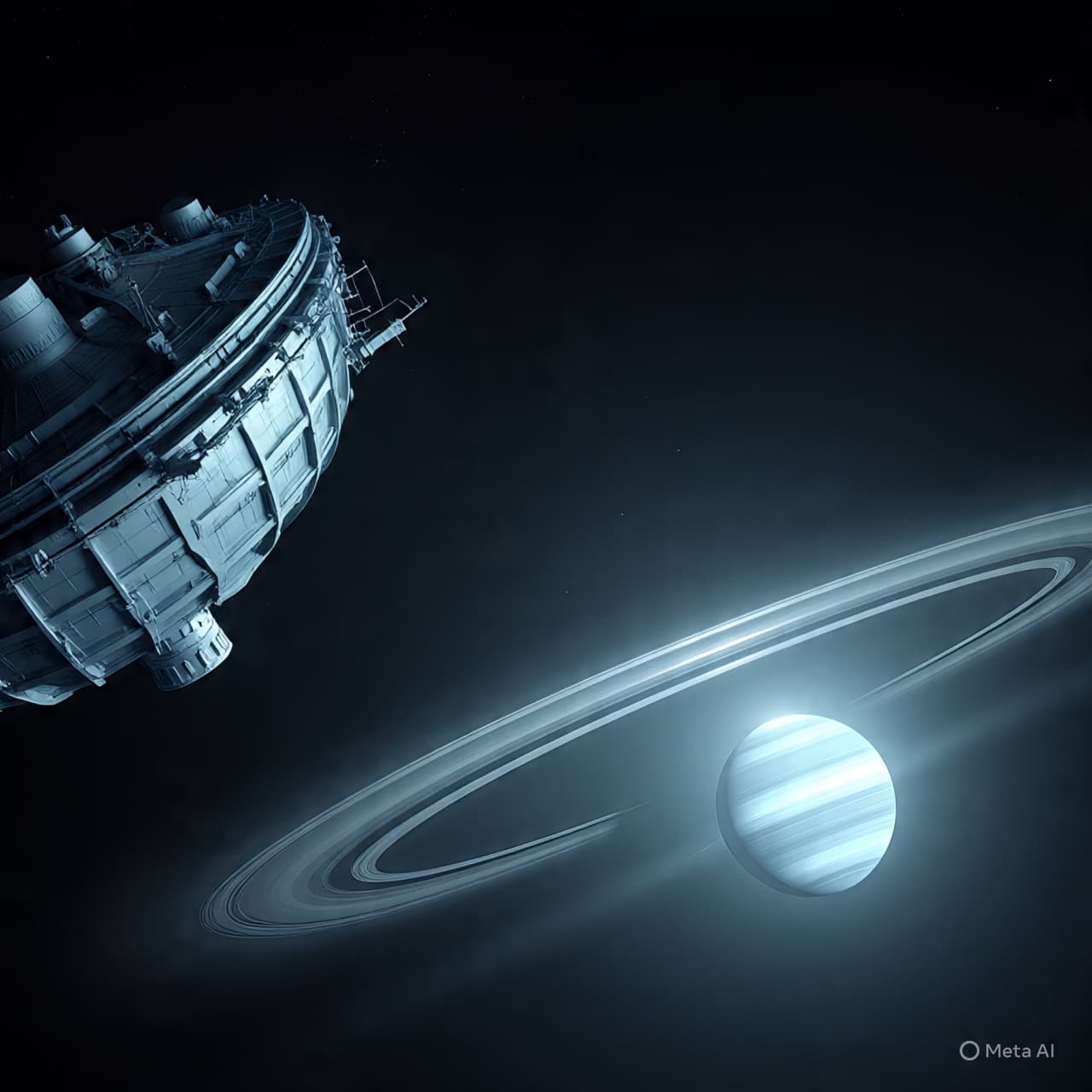
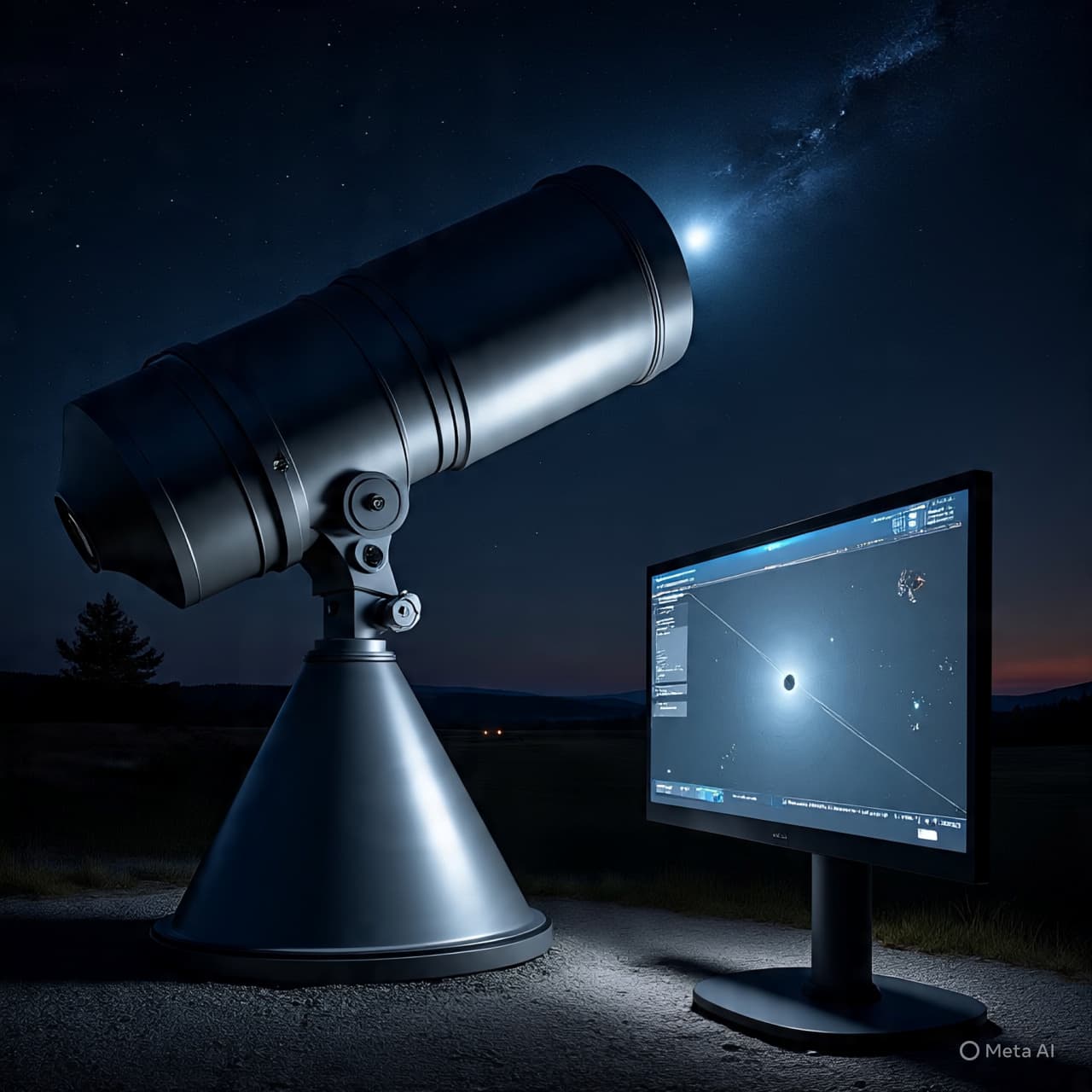
The James Webb Space Telescope has produced the first 3D map of Uranus’ upper atmosphere and auroras, revealing how its tilted magnetic field shapes charged particle motion.

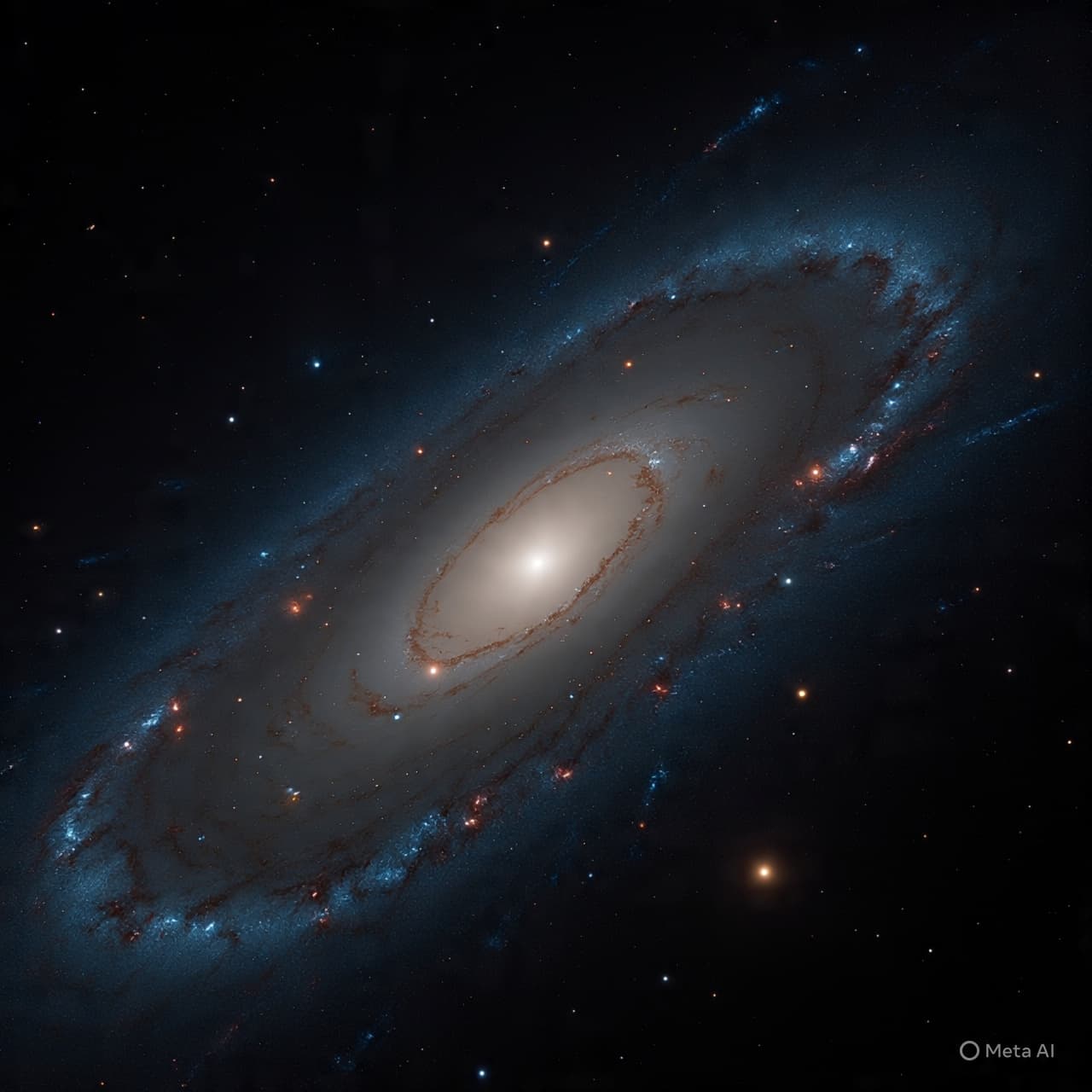
Astronomers have discovered a galaxy dominated by dark matter, with only a few stars and globular clusters visible, revealing one of the most extreme dark matter‑rich systems known.

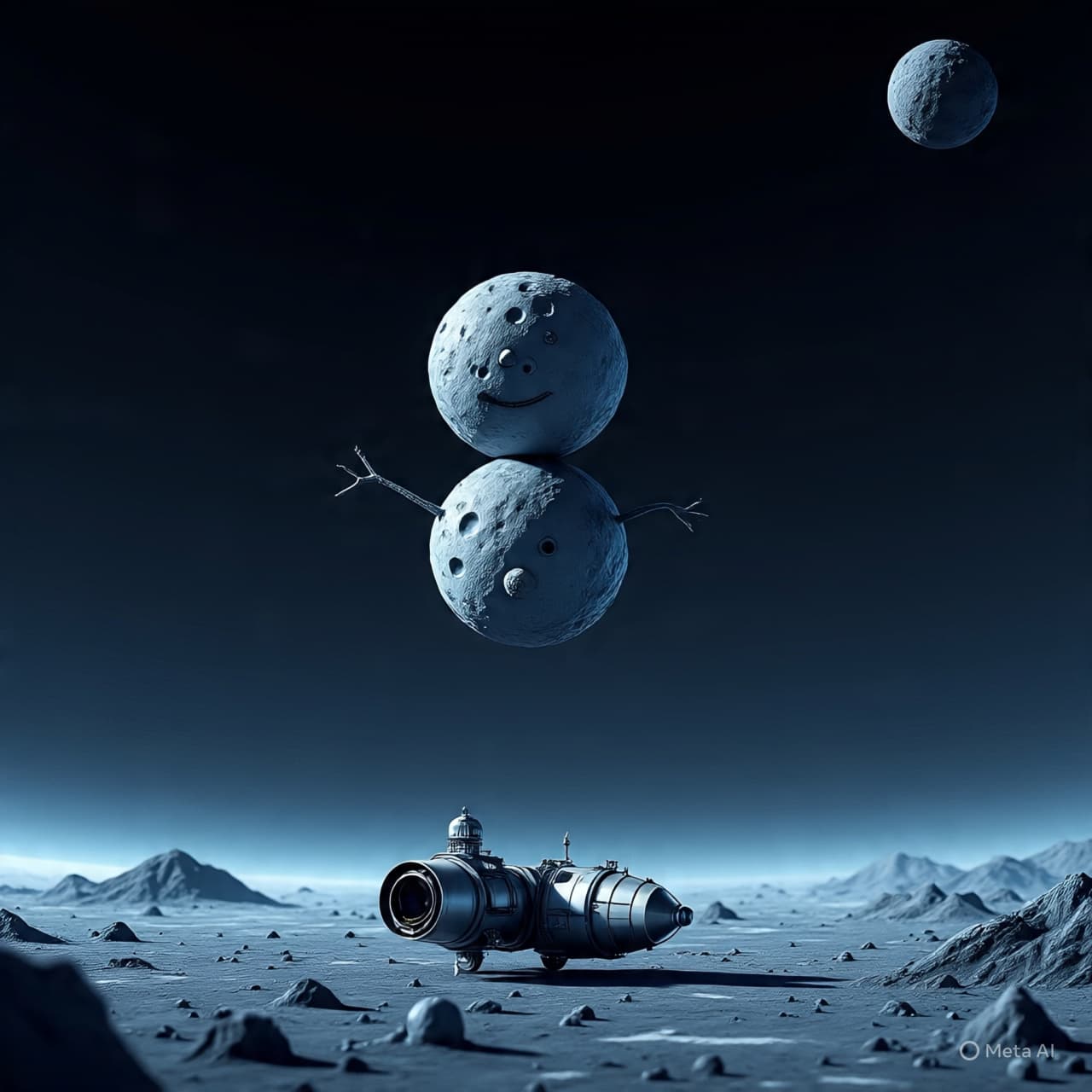
Some comets and asteroids appear snowman-shaped due to cosmic collisions, accretion, and gravity, revealing quiet patterns in the vast solar system.

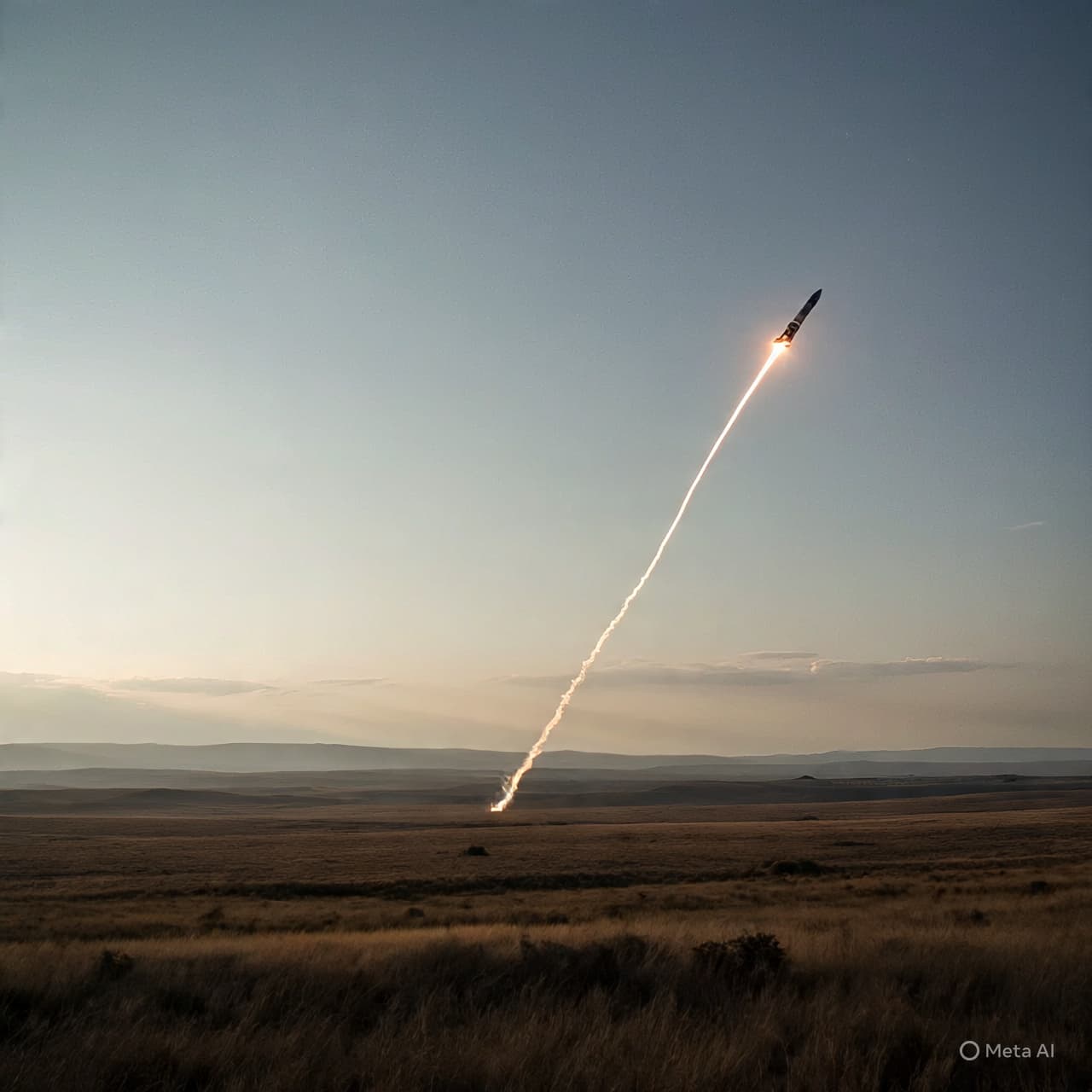
Study finds SpaceX rocket reentries release metallic particles into the upper atmosphere, subtly affecting chemistry and cloud formation over time.

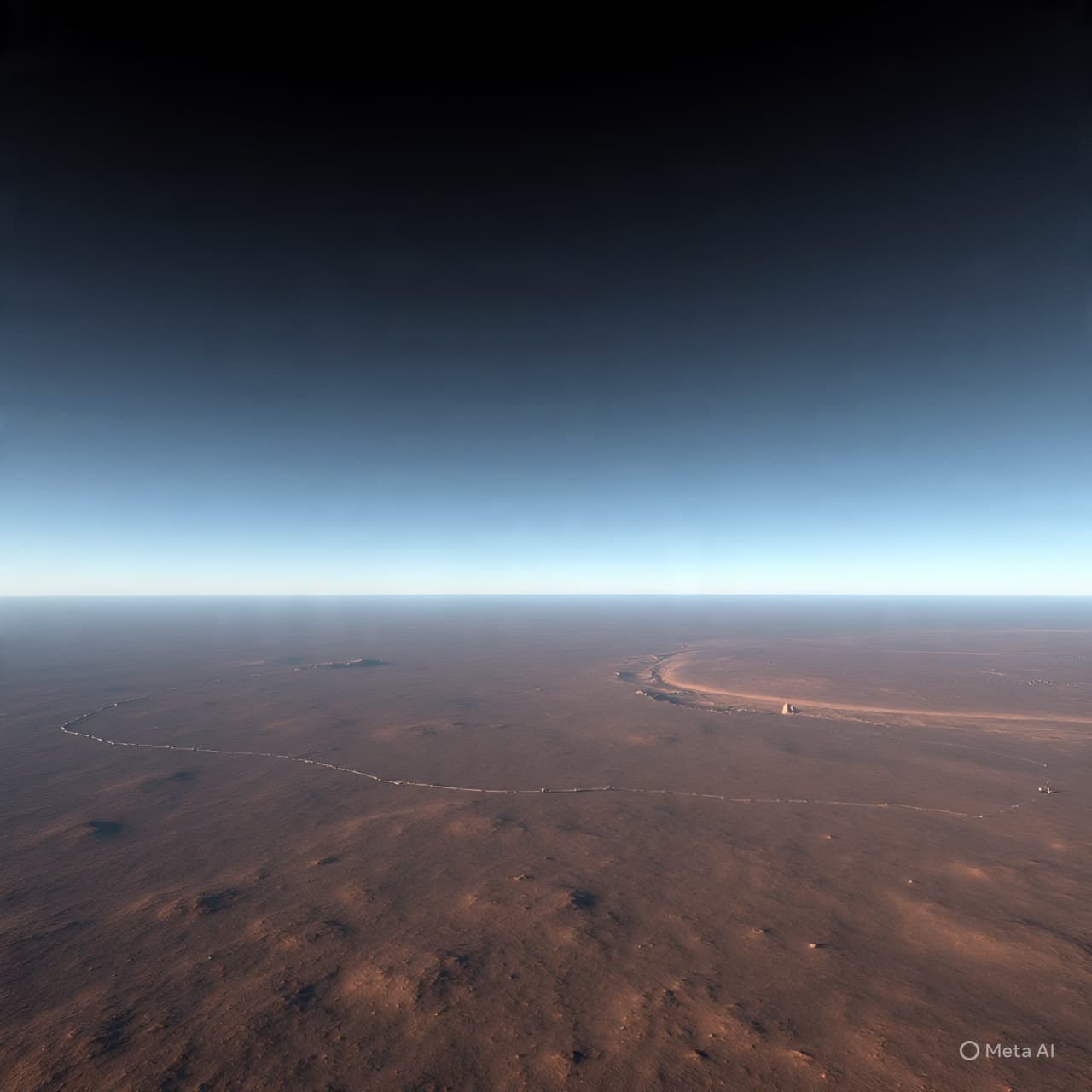
Perseverance now uses a new system to locate itself on Mars within 25cm, enabling precise navigation across craters, dunes, and plains for scientific exploration.

A growing number of people are seeking corrective lenses as extended screen use and modern visual habits subtly alter focus, clarity, and the experience of everyday sight.

A NASA scientist warns that up to 15,000 potentially city-destroying asteroids remain difficult to track or deflect, highlighting ongoing challenges in planetary defense efforts.

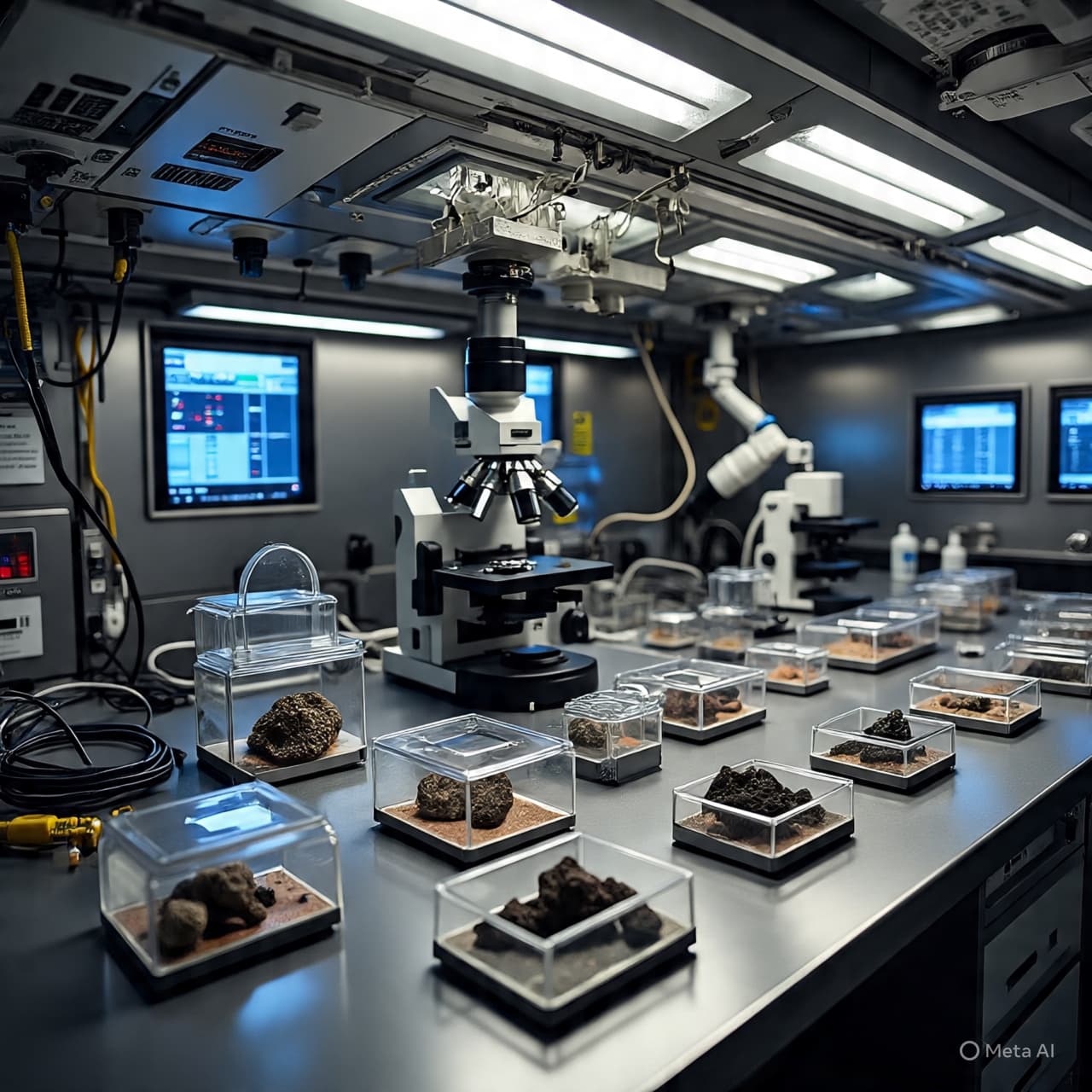
Scientists aboard the ISS are studying whether microbes can extract metals from meteorites in microgravity, advancing research into space biomining and future resource use beyond Earth.

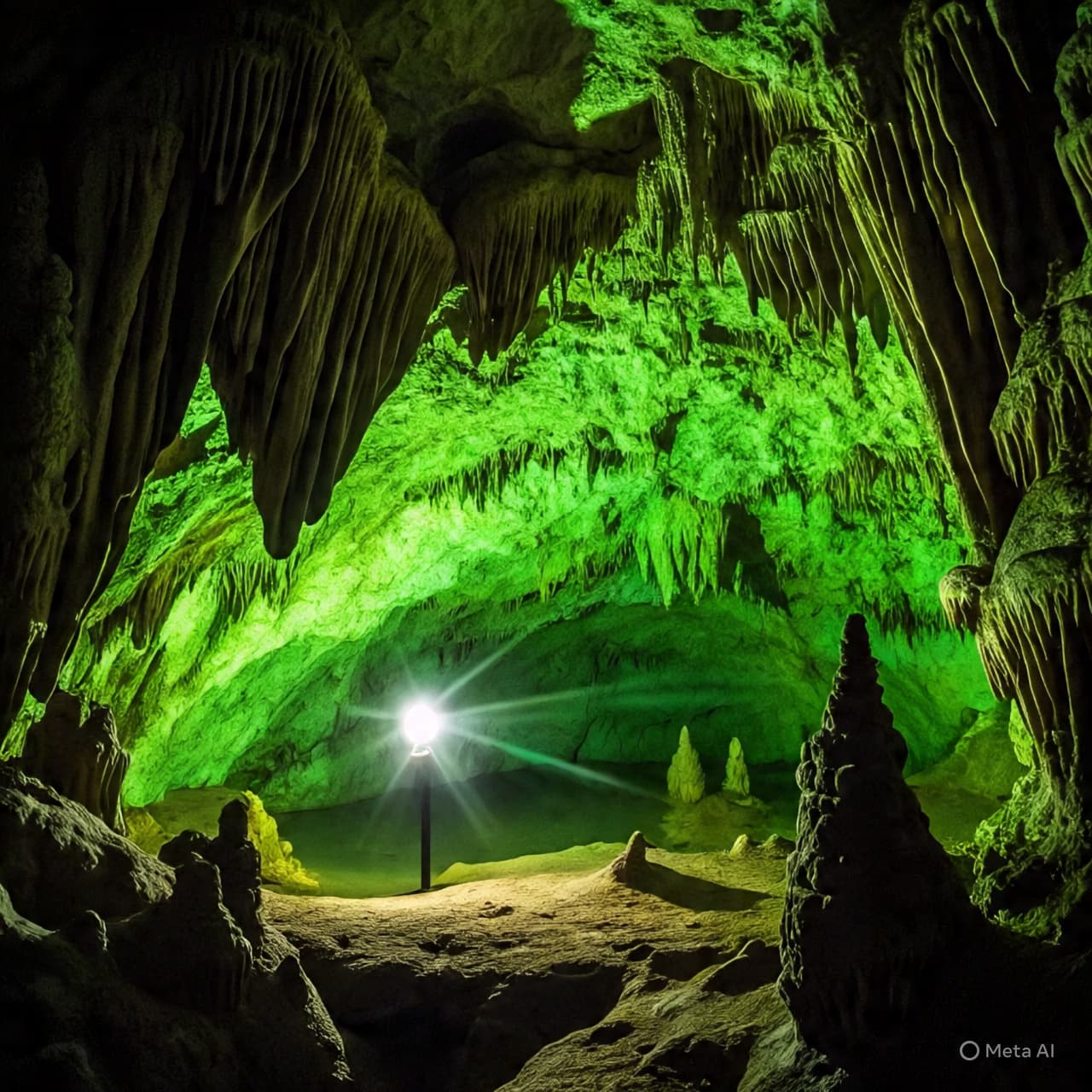
A neon green mineral wall discovered in a dark New Mexico cave may be up to 9 million years old, offering new insight into subterranean geology and mineral formation.

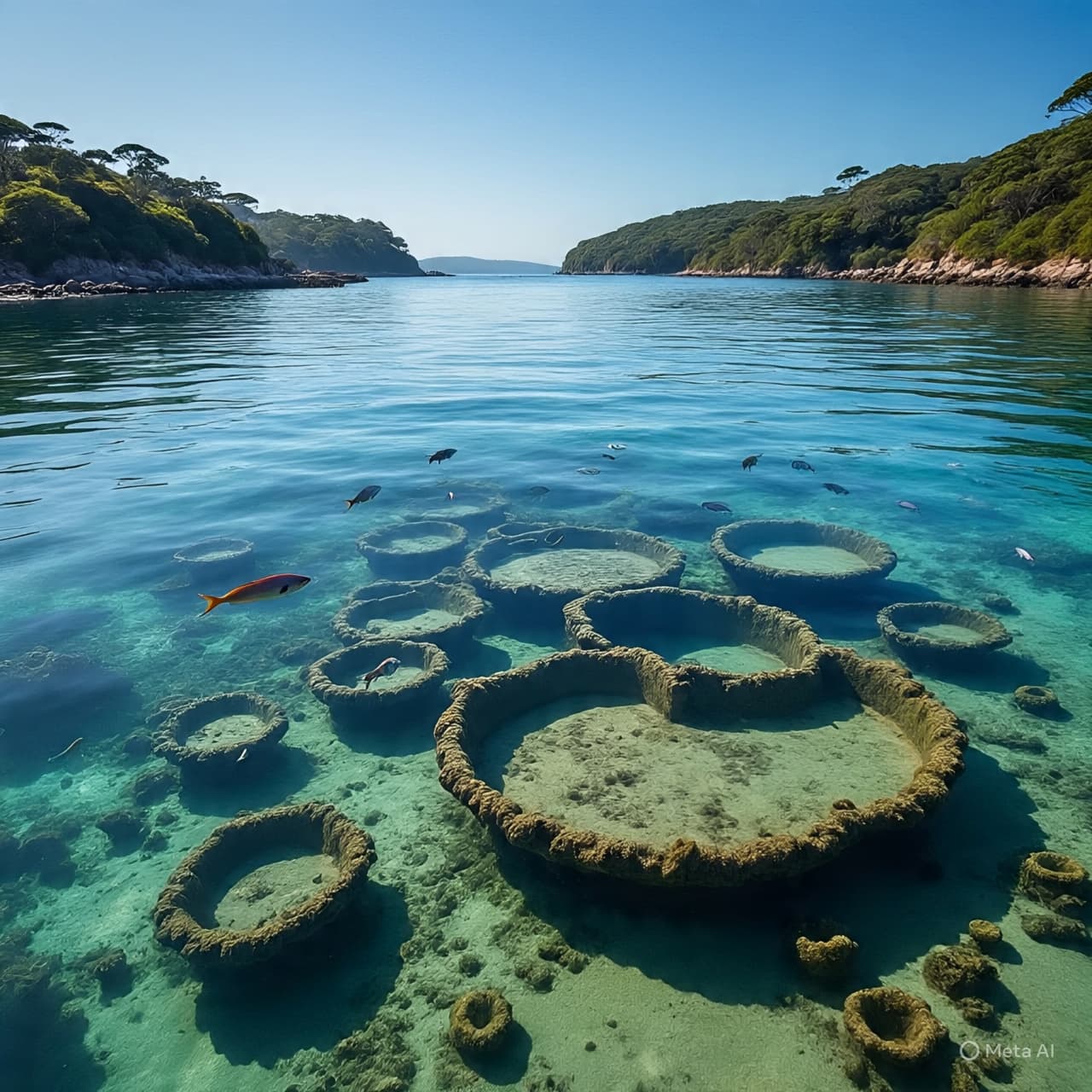
Sydney’s oyster reefs were dredged away during early colonization, but new science shows how restoring them can improve water quality, biodiversity, and coastal resilience. Carefully designed projects are now rebuilding what was lost.

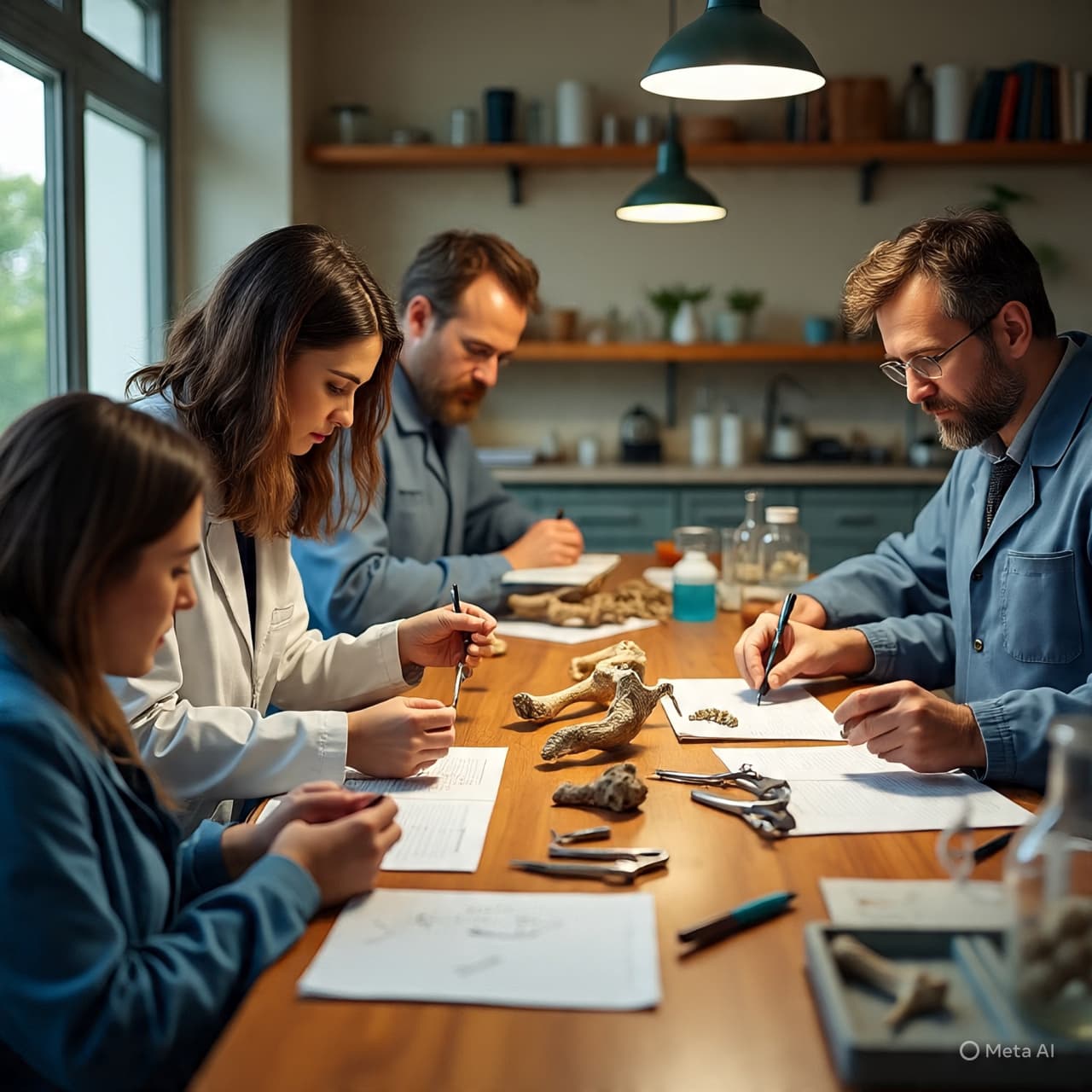
Scientists identified a new 215‑million‑year‑old crocodile relative from a fossil unearthed in 1969, revealing a fast, land‑adapted predator and enriching early crocodylomorph evolution.

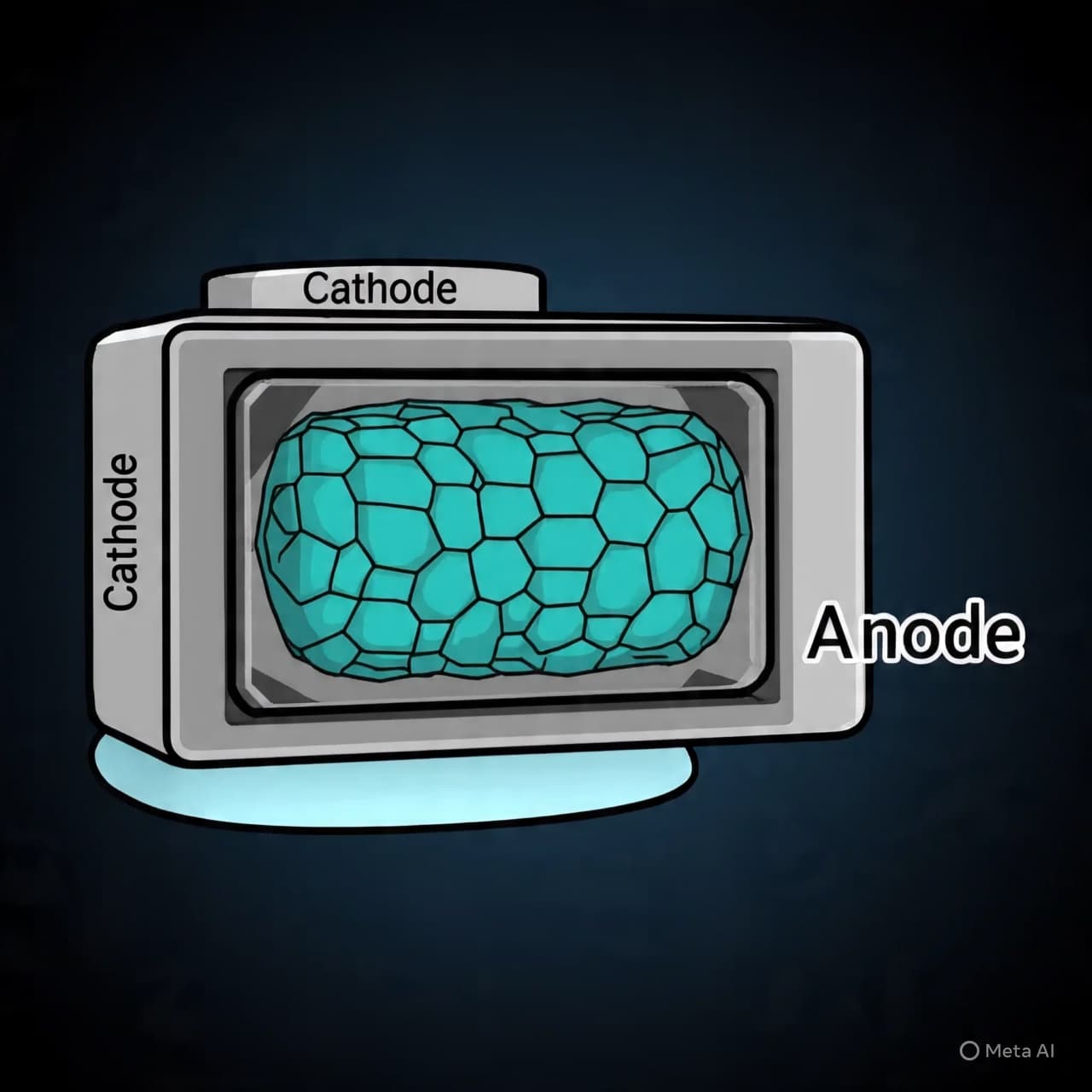
Scientists boosted sodium‑ion battery charge capacity nearly two‑fold by keeping water in a key material; the system also showed potential for electrochemical desalination of seawater.

NASA conducts live coverage of the Artemis II Wet Dress Rehearsal, testing fueling and countdown systems for the Space Launch System and Orion ahead of the crewed lunar mission.

NASA retried a key fueling test for its Moon rocket after hydrogen leaks halted earlier attempts, collecting new data to assess safety and launch readiness.

Researchers are studying PPP2R5C as a potential biomarker for tauopathy in Alzheimer’s disease, with early findings suggesting a link to tau phosphorylation and progression.

Scientists link a SpaceX rocket fireball to a lithium-containing plume in the upper atmosphere, prompting new research into the environmental impact of rising launch activity.

NASA’s James Webb Space Telescope has mapped Uranus’ auroras in 3D for the first time, revealing complex magnetic interactions and offering new insight into the planet’s atmosphere.

New simulations suggest Kuiper Belt object Arrokoth formed through a slow, gentle merger of two icy bodies, supporting theories of calm gravitational collapse in the early solar system.

On March 3, a total lunar eclipse will be visible in many regions. Earth’s shadow will cover the moon, creating a reddish glow. It’s safe to watch with the naked eye — check local timing.

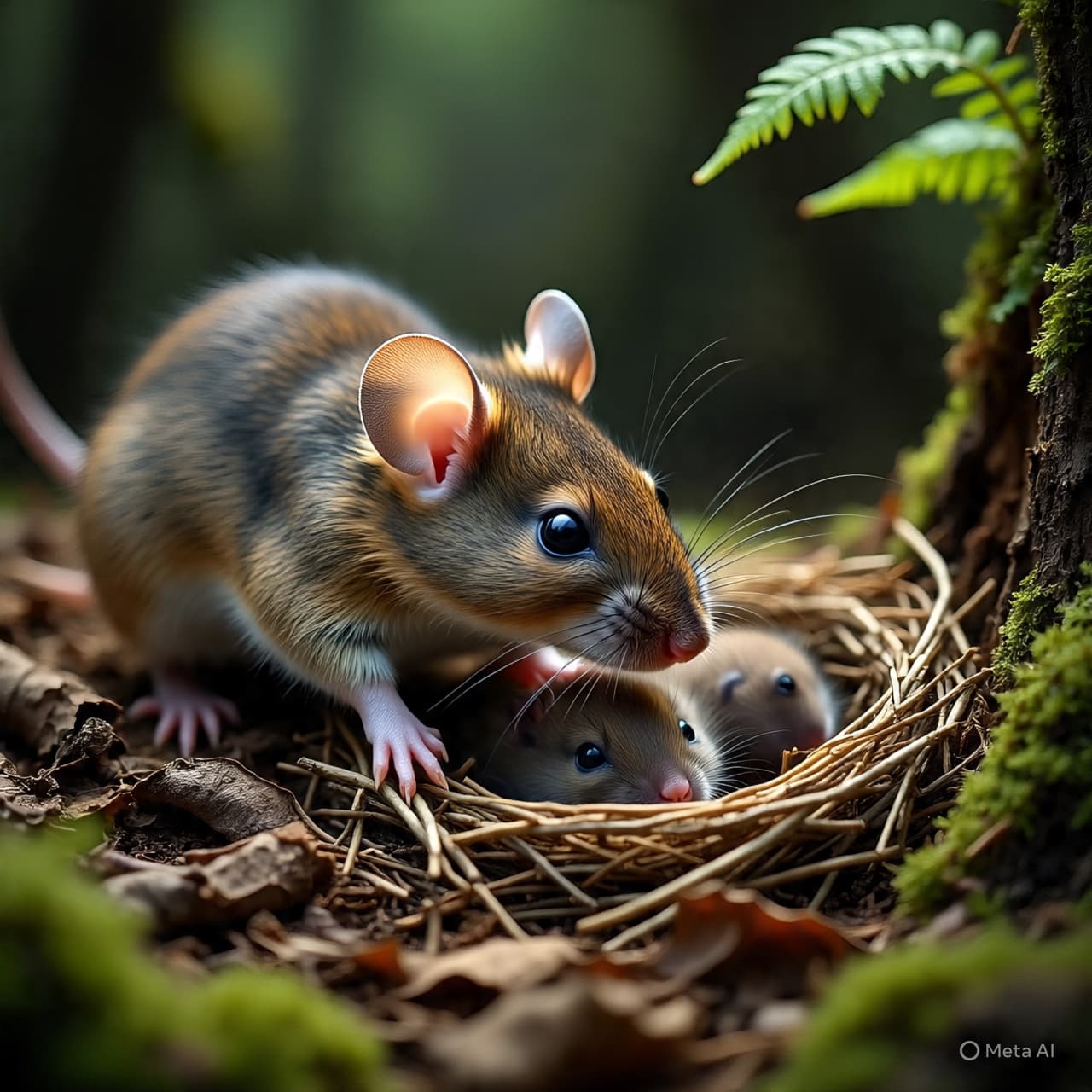
Scientists found that variation in the Agouti gene in a brain “parenting hub” of male mice correlates with paternal behavior, with lower levels linked to nurturing and higher levels tied to less care or aggression.

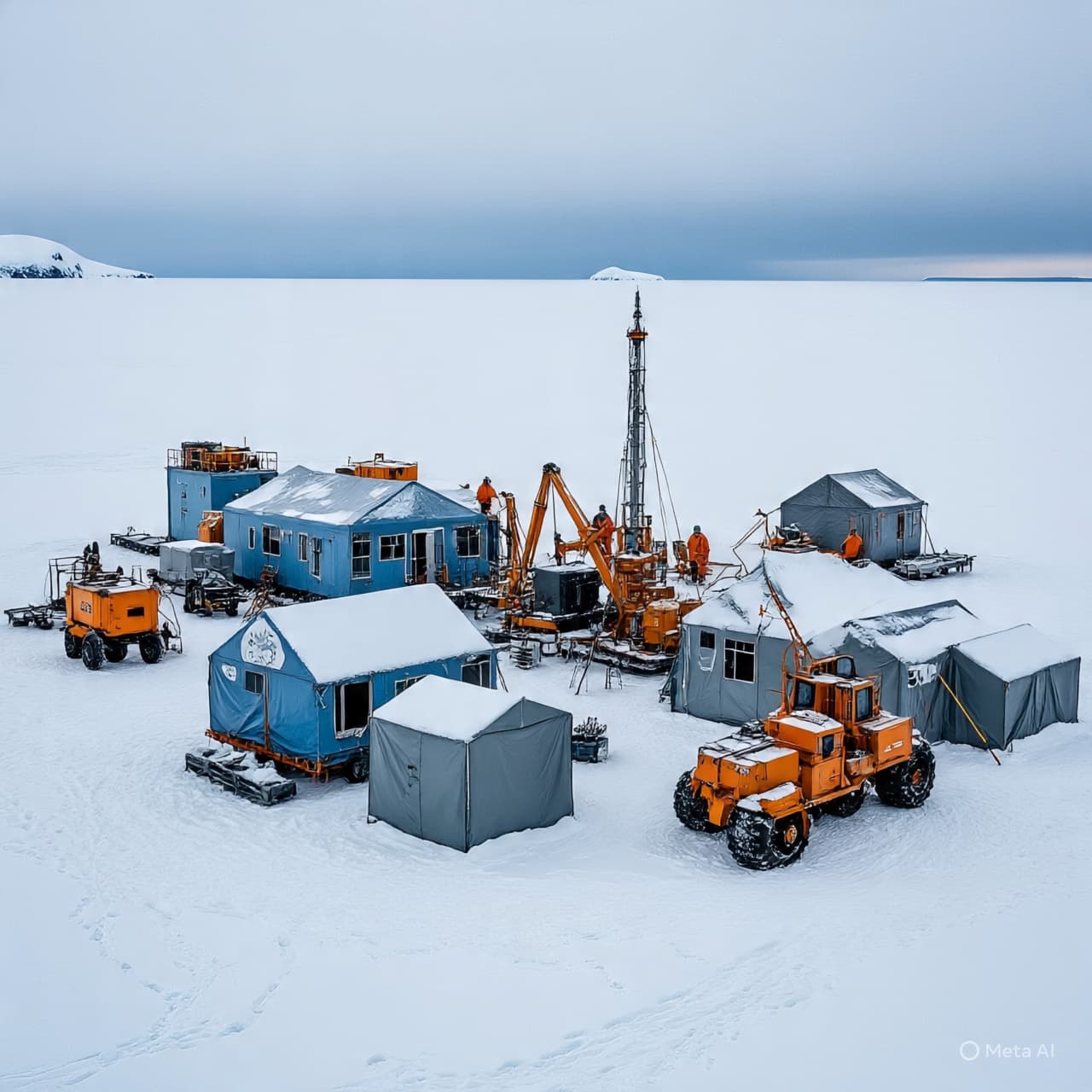
A record-breaking Antarctic ice drilling effort recovered a 228-m sediment core beneath 523 m of ice, revealing ancient marine evidence and helping scientists better understand past ice sheet retreat and future sea-level change.