Chasing the Horizon: Indonesia’s Ambition for Stronger Economic Growth
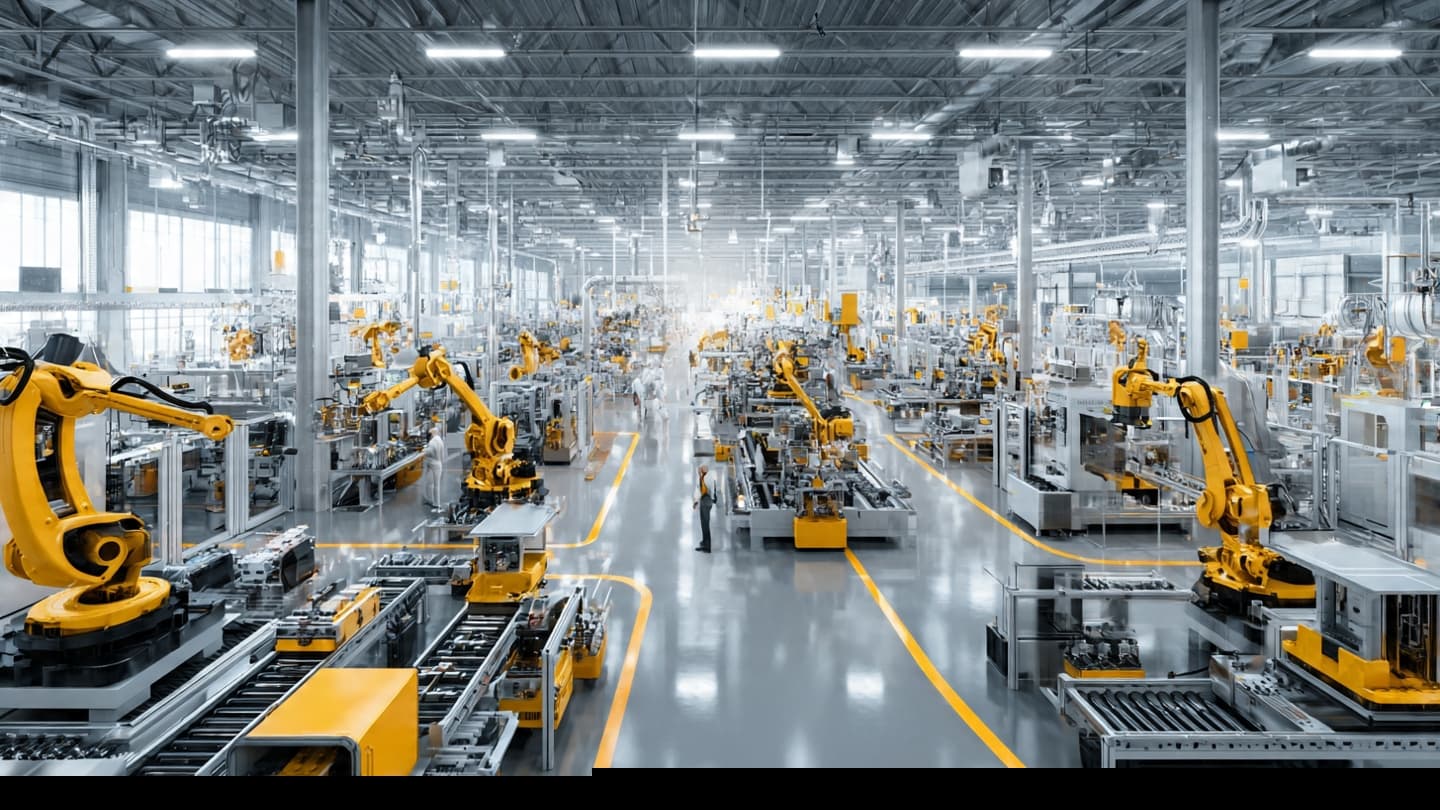
Economic projections suggest Indonesia could approach 6.5% growth by 2027, supported by infrastructure, industrial development, investment, and digital transformation.

Economic projections suggest Indonesia could approach 6.5% growth by 2027, supported by infrastructure, industrial development, investment, and digital transformation.

Indonesia continues supporting open export markets for strategic commodities, reinforcing international trade relationships and strengthening participation in global supply chains.

Indonesia is expanding financial literacy programs to help younger generations develop stronger financial knowledge, decision-making skills, and economic confidence.

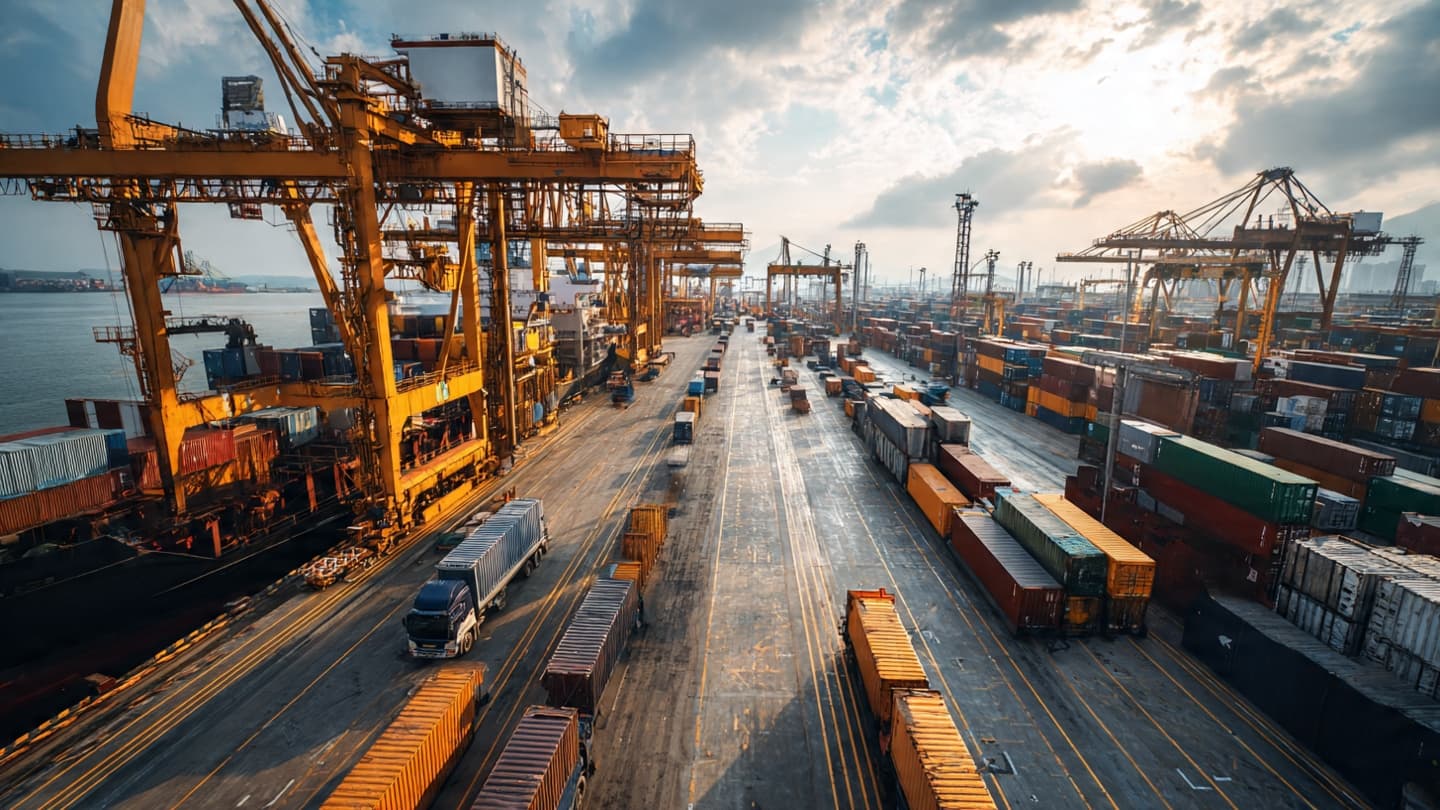
Global shipping costs have increased amid logistics challenges, prompting businesses to adjust supply-chain strategies and monitor transportation expenses.

Indonesia has established a new state-owned industrial estate holding company to improve coordination, attract investment, and strengthen industrial competitiveness.

Indonesia is advancing industrial downstreaming initiatives to strengthen its position in global supply chains and capture greater economic value from domestic resources.

Companies worldwide are prioritizing efficiency, financial resilience, and selective investment as economic uncertainty encourages a more cautious business approach.

Indonesia’s electric vehicle battery industry is poised for strong growth, supported by abundant nickel resources, industrial investment, and expanding global EV demand.

Higher fuel prices are increasing operating costs for airlines worldwide, prompting efficiency measures while raising concerns about long-term industry expenses.

Businesses across Iran are benefiting from restored internet access, enabling digital commerce, communication, and economic activity to regain momentum.

Bank Indonesia increased its benchmark interest rate to 5.25%, aiming to strengthen financial stability and respond to evolving global economic conditions.

Rising energy prices are contributing to renewed inflation concerns worldwide, affecting production costs, consumer spending, and economic policy discussions.

Iran is seeking broader participation in global oil markets, a development that could influence energy supply, international trade, and long-term market dynamics.

Indonesia is updating e-commerce regulations to support digital trade growth, strengthen consumer confidence, and create a more sustainable online business environment.

Investors worldwide are increasing allocations to safe-haven assets such as government bonds and gold as economic and geopolitical uncertainties influence market sentiment.

Indonesia plans to centralize exports of key commodities through a state agency, aiming to improve coordination, strengthen market influence, and support long-term economic goals.

U.S. energy companies are expanding investments in advanced nuclear technologies as rising electricity demand and clean-energy goals renew interest in next-generation reactors.

Vvagahb

VzvvV Nn

Ggfcccvvv

Ferrari has introduced its first fully electric vehicle, signaling a major shift for the iconic luxury automaker while testing demand for premium electric performance cars.

BP's leadership change highlights the growing importance of corporate governance, transparency, and accountability as global companies face increasing scrutiny from investors and regulators.

American Airlines will begin installing Starlink Wi-Fi on over 500 aircraft in 2027 to improve in-flight internet speed and reliability.

Global companies are increasing investment in AI infrastructure, including data centers, cloud computing, and advanced semiconductor technologies supporting future innovation.