
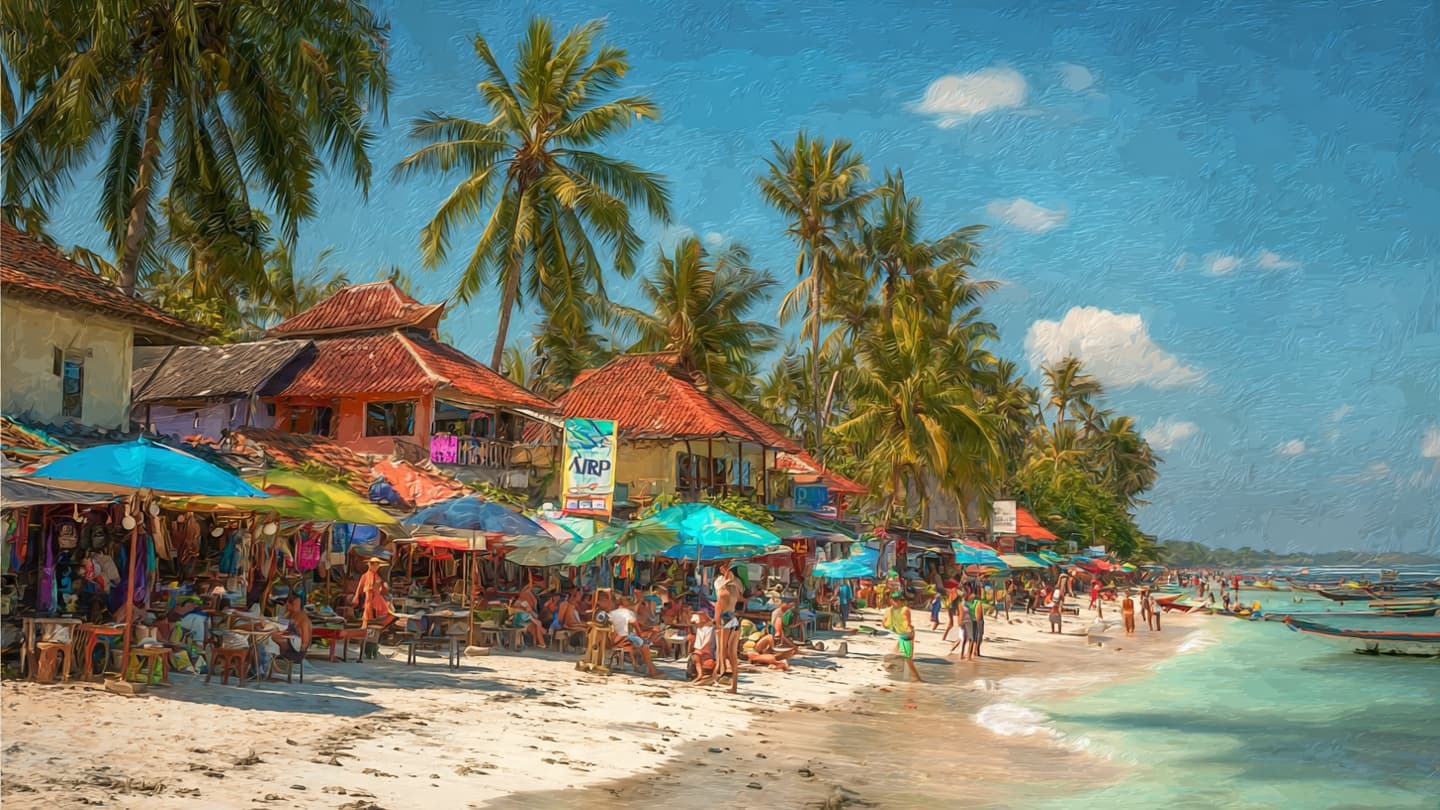
Key Highlights
- Tourism Recovery:Indonesia's tourism sector is rebounding as travelers return.
- Economic Impact:Local businesses benefit from increased tourism activity.
- Sustainability Challenges:Balancing growth with environmental protection remains crucial.
Indonesia’s landscapes have long carried stories of nature, culture, and human connection. From tropical beaches to mountain villages, tourism remains closely connected with local communities and economic activity. As the world emerges from the pandemic, Indonesia's tourism sector is witnessing a significant recovery, with travelers returning to explore its diverse offerings.
The tourism sector continues to develop as travelers flock back to destinations across the archipelago. Hotels, restaurants, transportation services, and local businesses are experiencing a resurgence in activity, benefiting from the renewed movement of tourists. This uptick in tourism is not only revitalizing the economy but also providing much-needed jobs and income for local communities.
Major destinations in Indonesia are improving their facilities and services to meet the evolving expectations of visitors. Digital promotion has become a vital part of this growth, with many businesses leveraging social media and online platforms to reach potential travelers. Enhanced accessibility, including better transportation options and infrastructure, is also playing a crucial role in attracting tourists.
For local communities, tourism provides opportunities through hospitality, crafts, food businesses, and cultural experiences. The unique cultural heritage of Indonesia, combined with its natural beauty, creates a compelling reason for travelers to visit. Local artisans and entrepreneurs are finding new markets for their products, contributing to the overall economic uplift.
Indonesia’s natural diversity remains one of its strongest advantages. Different regions offer unique attractions that contribute to the country’s tourism identity. From the stunning beaches of Bali to the lush jungles of Sumatra, each area presents distinct experiences that cater to a wide range of interests. This diversity not only attracts international tourists but also encourages domestic travel, fostering a sense of national pride.
However, the growth of tourism also supports related industries, including transportation, creative businesses, and local commerce. As the sector expands, it creates a ripple effect that benefits various sectors of the economy. Yet, challenges remain, particularly regarding infrastructure needs and the necessity to maintain a balance between tourism growth and environmental protection. Sustainable practices are becoming increasingly important as stakeholders recognize the need to preserve Indonesia's natural beauty for future generations.
As Indonesia's tourism industry continues to move forward, businesses and communities are building new opportunities around travel and hospitality. The focus on sustainability and responsible tourism practices will be essential in ensuring that the benefits of tourism are felt widely while protecting the environment. The future of Indonesia's tourism sector looks promising, with a commitment to growth that respects both cultural heritage and natural resources.
Published by Banx Network. This article is part of the Banx decentralized media programme, powered by the BXE token on the XRP Ledger.



