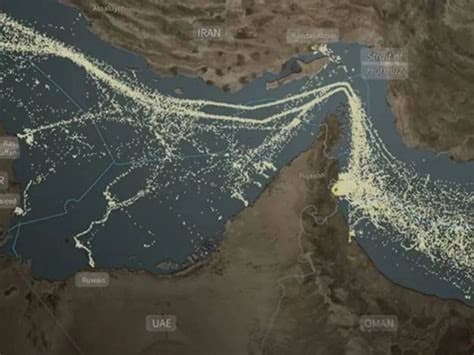
At the Crossroads of Southeast Asia, Trade Continues to Flow
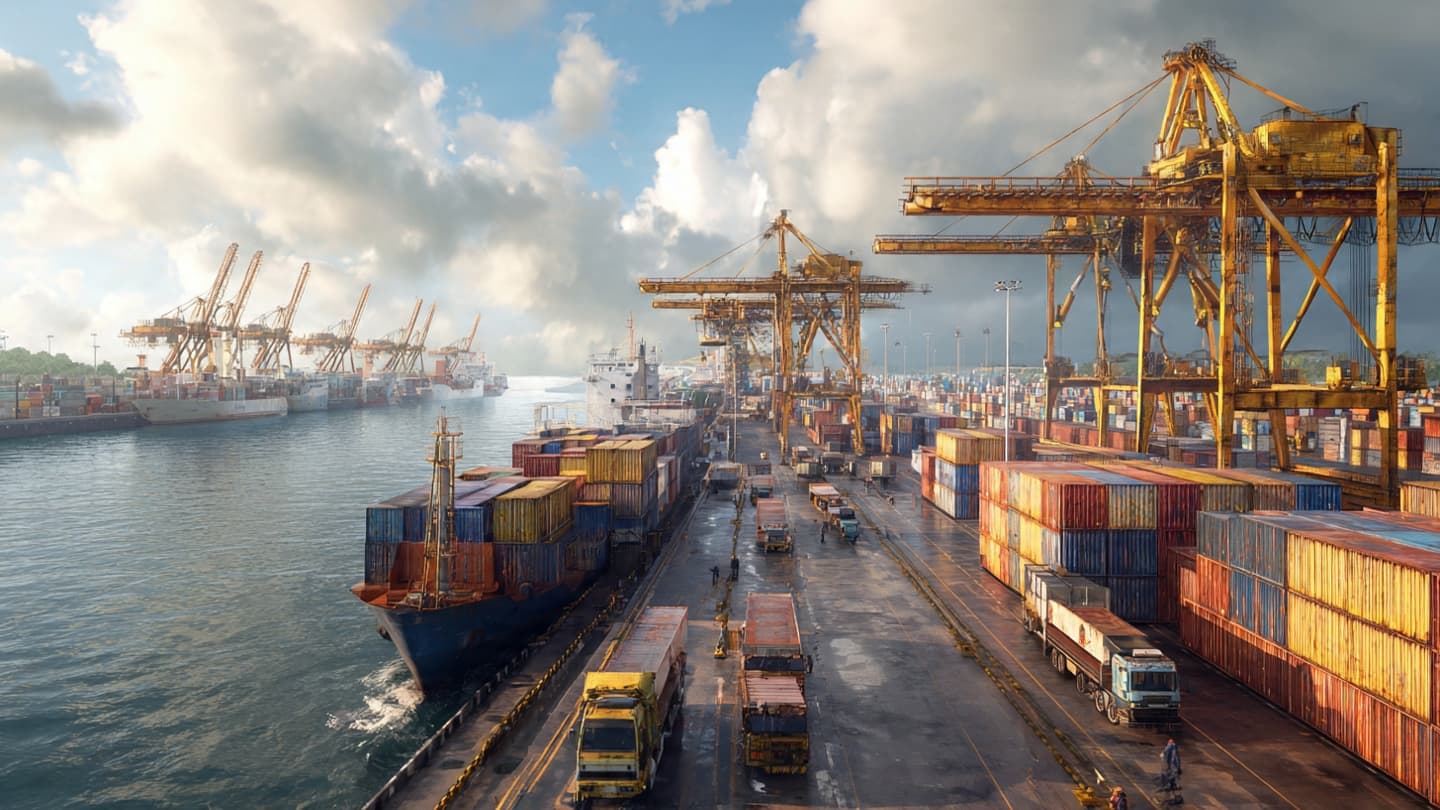
Indonesia is strengthening its role in Southeast Asian trade networks through infrastructure development, regional integration, and expanding commercial partnerships.

Indonesia is strengthening its role in Southeast Asian trade networks through infrastructure development, regional integration, and expanding commercial partnerships.

Indonesia’s renewable energy projects are attracting global investor interest, supported by strong geothermal, solar, and hydropower potential across the archipelago.

Tourism investment projects are expanding across Indonesia, supporting hospitality growth, infrastructure development, and sustainable destination management.

Indonesian banks report steady lending growth, supporting businesses, consumers, and broader economic activity through expanded access to financing.

Indonesia’s digital economy continues attracting regional investment through growth in e-commerce, fintech, startups, and expanding digital infrastructure.

Logistics companies are expanding across Indonesia to support e-commerce growth, regional connectivity, and increasing demand for efficient transportation networks.

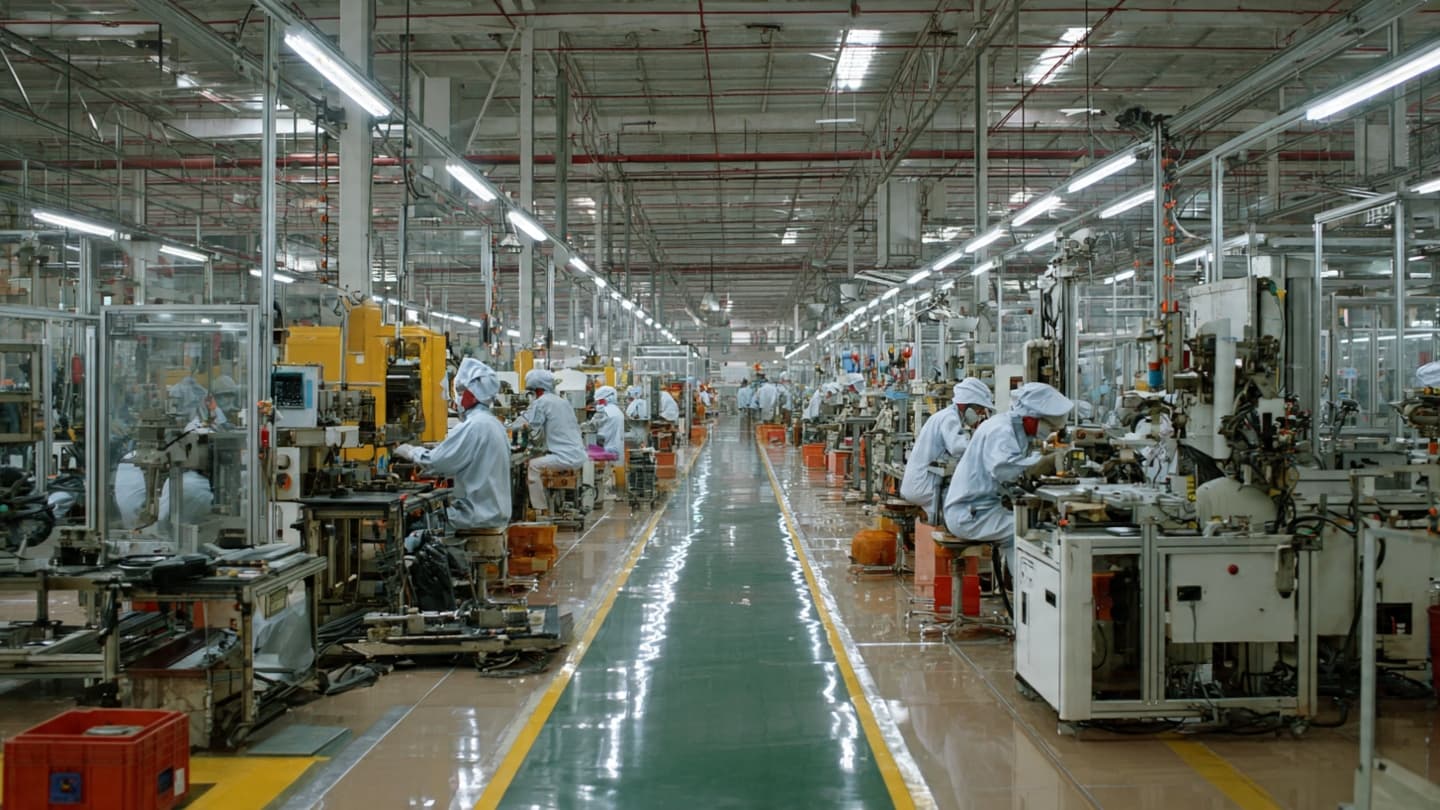
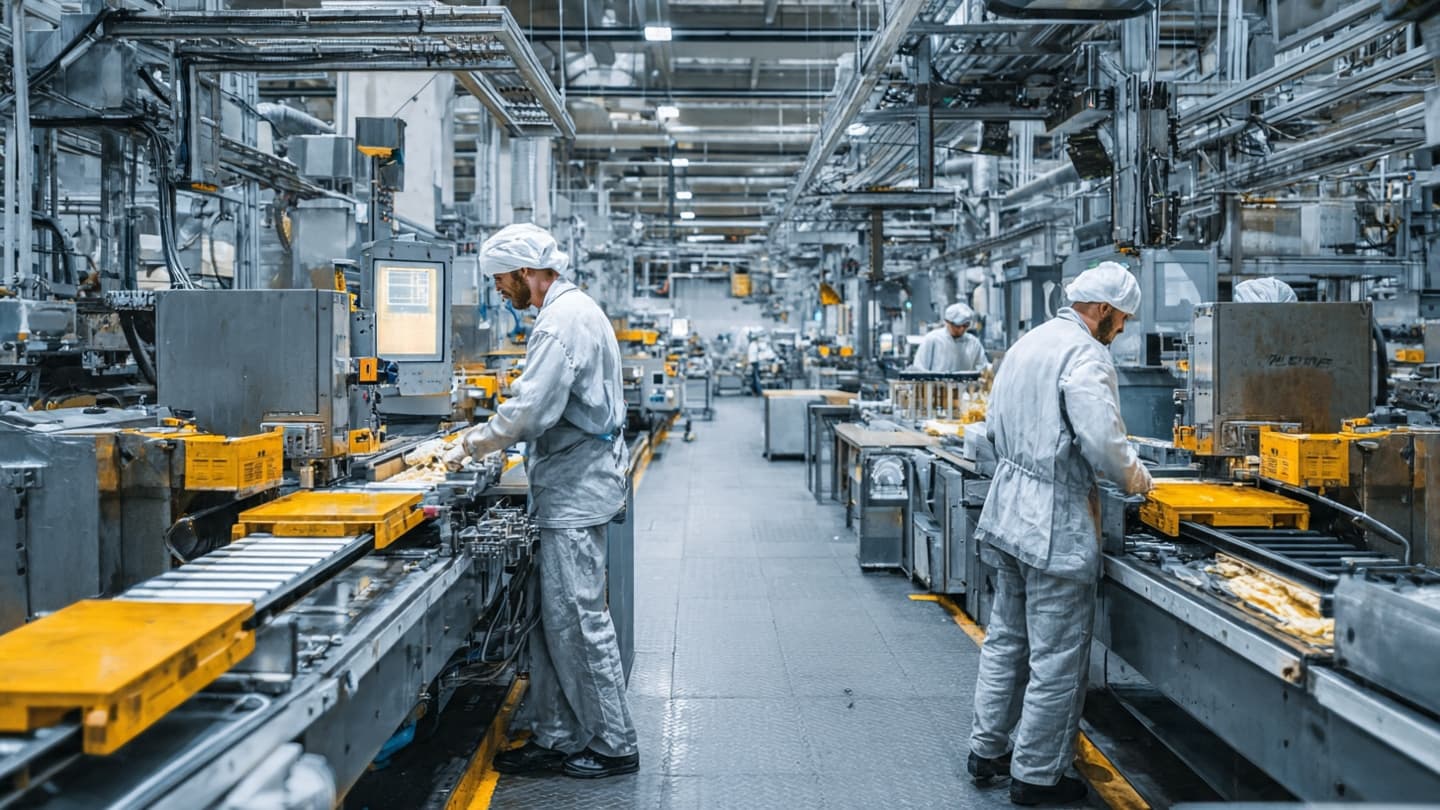
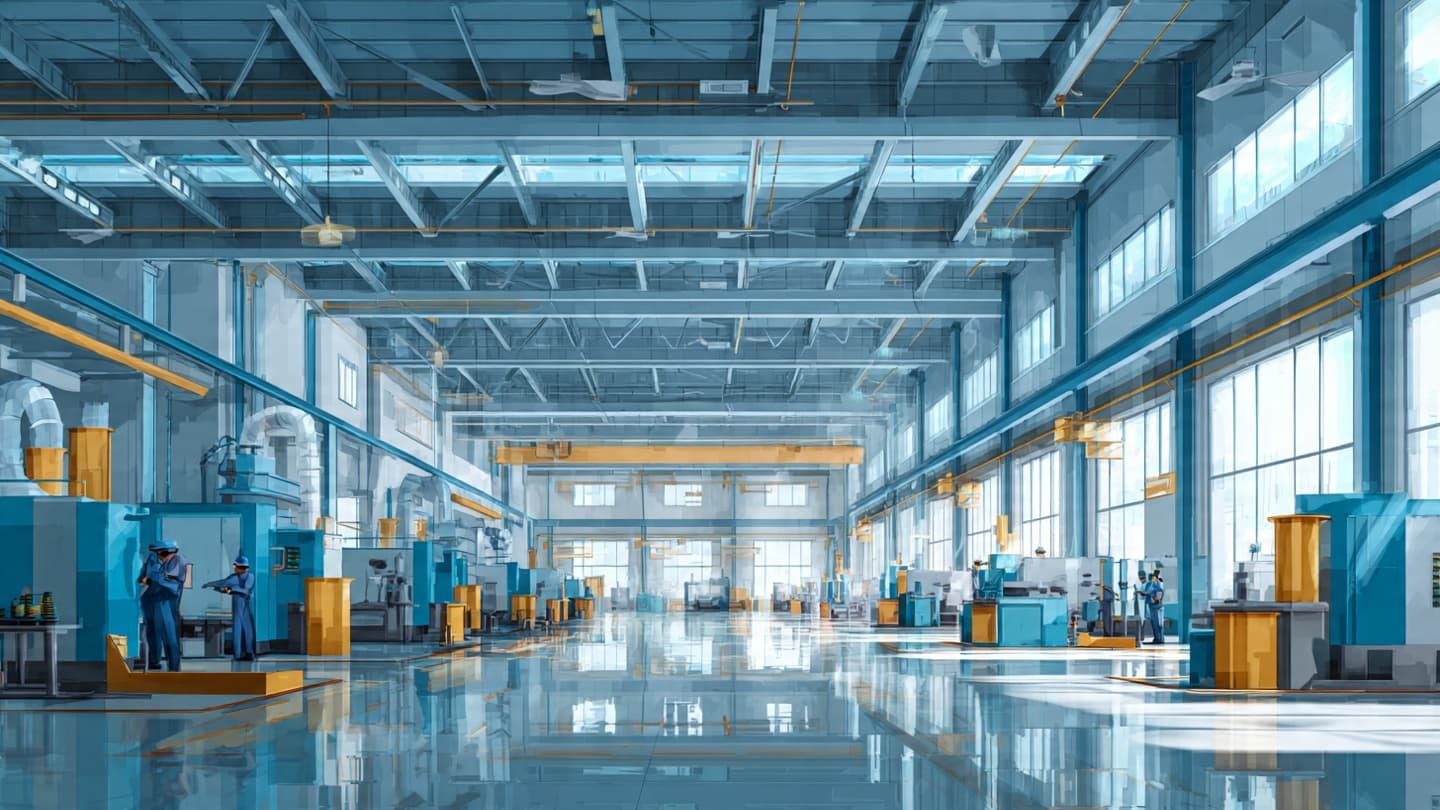
Indonesia’s manufacturing sector is showing signs of recovery as demand improves, production expands, and businesses invest in technology and operational growth.

Indonesia’s nickel sector continues attracting foreign investment as global demand grows for critical minerals used in manufacturing and battery technologies.

Danantara is expected to oversee Indonesia’s strategic commodity export system, with goals centered on transparency, coordination, and long-term trade management.

Indonesia’s proposed export control policy has prompted investor discussion regarding transparency, regulation, and future opportunities within key commodity sectors.

Indonesia plans to centralize strategic commodity exports through a state agency, aiming to improve oversight, transparency, and long-term trade management.

US industries are closely monitoring global commodity markets as fluctuations in energy, metals, and agricultural products continue influencing costs and investment decisions.

US retailers are adapting to evolving consumer spending habits through digital innovation, data analytics, inventory adjustments, and customer-focused strategies.

Transportation and healthcare are leading US job creation, supported by demographic trends, expanding logistics networks, technological advancement, and sustained consumer demand.

Inflation pressures continue influencing US markets through housing costs, business expenses, consumer spending, and investment decisions despite easing from previous highs.

Chinese automaker Chery is evaluating a future entry into the US market, reflecting growing international ambitions and increasing competition within the global automotive industry.

Rising energy prices are increasing operating costs for US businesses, prompting investments in efficiency, renewable energy, and long-term cost-management strategies.

US employers continue hiring above expectations, driven by healthcare, logistics, technology, and service sectors, demonstrating labor market resilience amid economic uncertainty.

US consumer confidence has reached historic lows despite ongoing job growth, reflecting concerns about inflation, housing affordability, and household financial pressures.

High oil prices are increasing operating costs across French industries, prompting businesses to invest in efficiency, risk management, and long-term resilience strategies.

French startups are attracting renewed venture capital investment, particularly in artificial intelligence, fintech, and health technology as investors focus on sustainable growth opportunities.

French industries are increasing green investment projects, focusing on energy efficiency, renewable power, innovation, and sustainable manufacturing to strengthen long-term competitiveness.

French SMEs are expanding beyond Europe in search of new export opportunities, using technology, global partnerships, and diversified market strategies to support future growth.

France has expanded fuel-price support programs to help businesses manage rising energy costs while encouraging long-term efficiency and resilience across key economic sectors.