When Borrowing Grows Heavier: A Quiet Shift in the Cost of Calling a House Home
A major bank has raised several home loan rates due to higher funding costs, signaling continued pressure on borrowers amid evolving economic conditions.

A major bank has raised several home loan rates due to higher funding costs, signaling continued pressure on borrowers amid evolving economic conditions.

Wattie’s frozen vegetable exit may reduce crop and seed demand, disrupting farm income, rotations, and long-term stability for arable growers.

Wattie’s frozen vegetable exit could reduce demand for crops and seeds, disrupting farm incomes, crop rotations, and New Zealand’s domestic vegetable supply chain.

Retail rates rise and central banks tighten as food inflation persists, rents ease, and markets remain relatively stable across Australia and New Zealand.

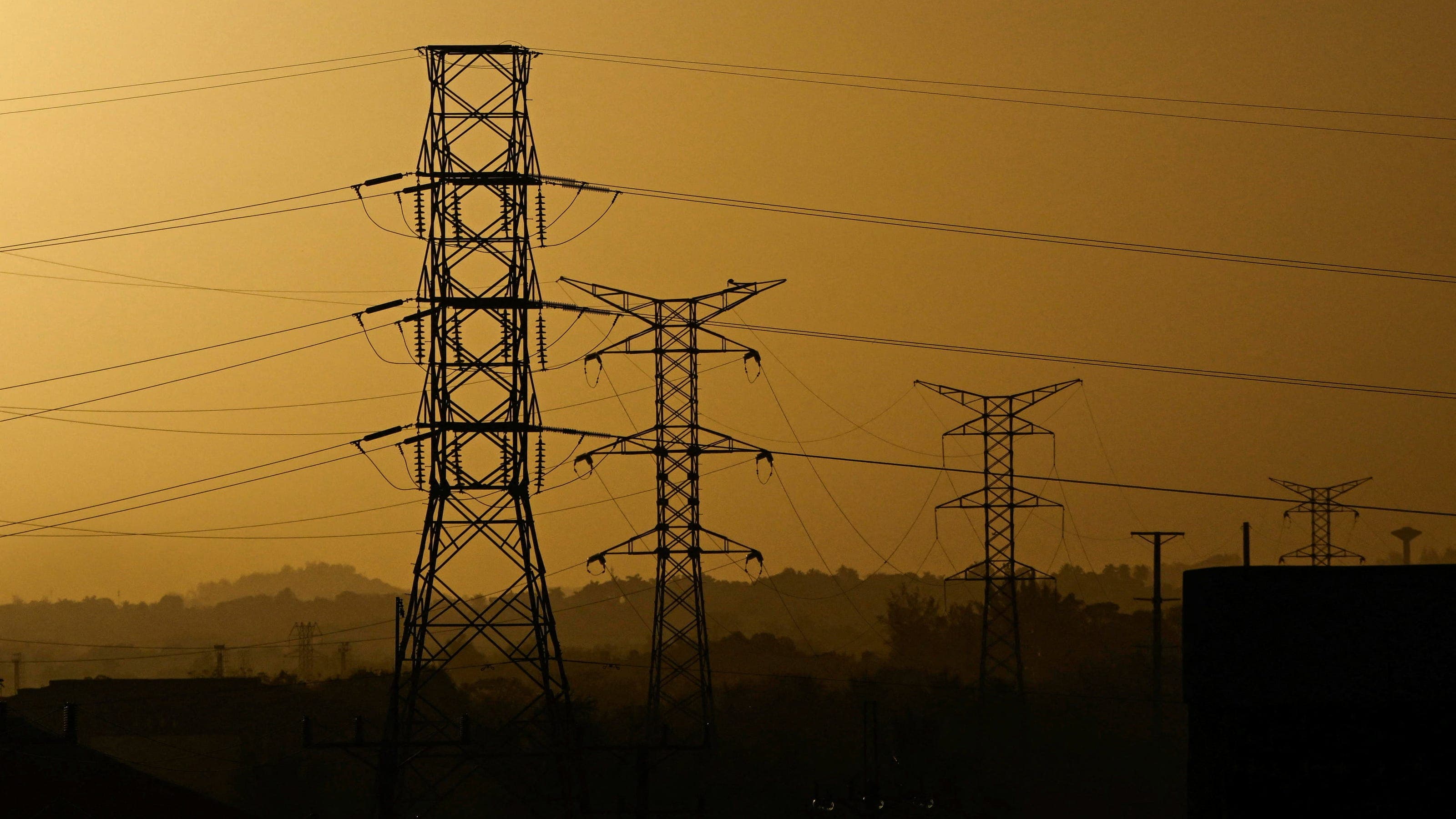
In a catastrophic failure, Cuba's national electric grid has collapsed, leaving millions of residents without power. The widespread blackout has sparked concerns over infrastructure stability and has prompted urgent calls for government action.

Bernstein has raised its rating on The Cigna Group from “Market Perform” to “Outperform” and increased the price target to $358, reflecting improved outlook on valuation and near‑ to long‑term earnings potential.

The Lehigh Valley housing market continues to see strong demand and limited inventory, pushing prices higher. A deeper analysis this week explores the forces shaping the region’s evolving real estate landscape.

Wall Street’s once-confident bullish outlook is weakening as economic growth slows, inflation lingers, oil prices rise, and bond yields approach 5%, challenging expectations for continued stock market gains.

EverForward Trading has introduced a Market Authorization Protocol under Brian Ferdinand, requiring markets to meet structural conditions before capital is deployed amid rising market uncertainty.

Companies are quietly testing investor demand before launching IPOs, signaling a potential increase in new stock listings after a prolonged slowdown in global equity markets.

Wall Street surged as oil prices dropped, easing fears of supply disruptions linked to the Iran conflict and lifting major U.S. stock indexes toward their strongest session since the war began.

About 3,800 meatpacking workers in Colorado walked off the job at a major JBS plant, marking the first large U.S. meatpacking strike in roughly 40 years amid contract disputes over wages and working conditions.

France’s President Emmanuel Macron says plans are underway for a naval escort mission to help ensure commercial ships can safely pass through the Strait of Hormuz amid rising regional tensions.

New Zealand’s government says Air New Zealand must keep flying despite rising jet fuel costs and flight cuts, but analysts warn global energy volatility could create ongoing turbulence.

An Auckland worker discovered diesel siphoned from his truck as fuel prices climb, reflecting a wider pattern where rising costs often bring an increase in fuel theft.

After a mid-2025 slump, New Zealand’s economy rebounded in the September quarter and likely kept growing modestly through the end of 2025, economists say.

BYD sold about 80 plug-in vehicles in one day in New Zealand, with rising petrol prices pushing more drivers to consider electric vehicles.

Consumer NZ says a Prezzy card promotion highlights the “loyalty tax,” urging consumers to review long-term service plans as loyal customers can sometimes pay more than new sign-ups.

Stock markets appear stable on the surface, but subtle volatility beneath reflects investor sentiment, macroeconomic indicators, and geopolitical tensions shaping trading dynamics.

Middle East tensions influence metals markets as copper, aluminum, nickel, and gold respond to supply risks, energy costs, and investor caution, reflecting global economic and geopolitical interplay.

REINZ data shows New Zealand house prices recorded their biggest monthly increase in two and a half years, though sales remain steady and the housing market continues to recover slowly.

Economists say seafood, imported foods, and produce may see price increases first as rising fuel costs ripple through fishing, farming, and transport supply chains.

Finance Minister Nicola Willis says inflation could reach about 3.7% if global oil disruptions persist, as petrol prices surge past $3 a liter across New Zealand.

Winston Peters has criticized outgoing Fonterra CEO Miles Hurrell after the cooperative confirmed his resignation, highlighting ongoing debate over the sale of iconic dairy brands.