
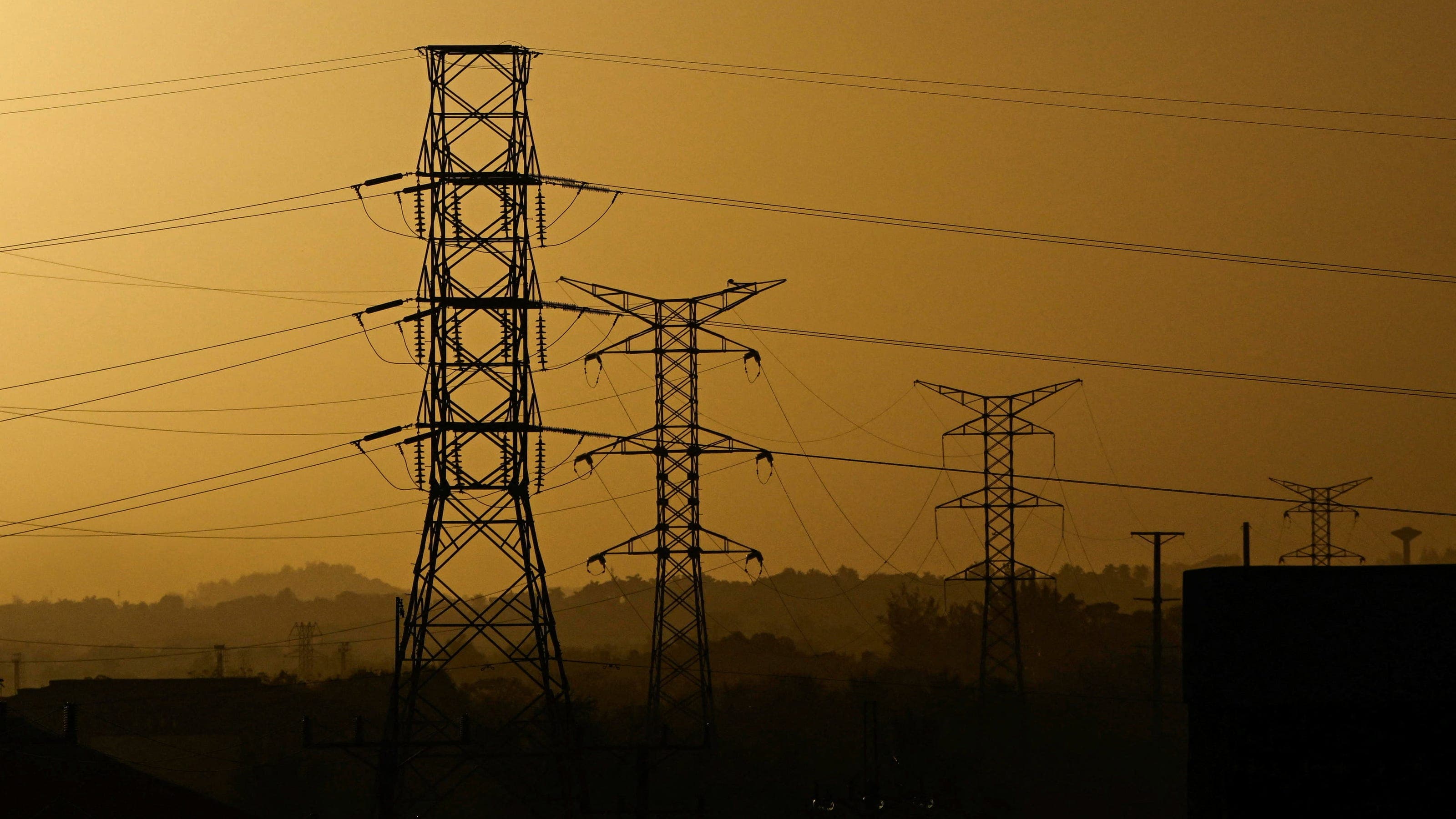
Cuba is facing a severe crisis as the national electric grid has collapsed, resulting in widespread power outages affecting millions of residents across the island. This unprecedented failure has raised alarm bells regarding the country's aging infrastructure and its ability to withstand increasing energy demands.
The blackout began early in the morning and has persisted into the afternoon, with many communities, particularly in urban areas, struggling to cope without electricity for basic needs such as lighting, refrigeration, and medical care. Reports indicate frustration among citizens, many of whom have been facing regular power cuts in recent months due to ongoing issues with supply and maintenance.
Government officials have attributed the collapse to several factors, including outdated equipment, insufficient maintenance, and the impact of recent tropical storms that have further strained the already fragile system. Urgent repairs and restoration efforts are currently underway, but the timeline for widespread recovery remains uncertain.
In response to the crisis, the Cuban government is under intense scrutiny as citizens demand improvements in energy policies and infrastructure investment. The situation has raised broader questions about energy security and the need for reform in the approach to energy production, especially in light of Cuba's reliance on imported fuel.
As the blackout continues, emergency services are mobilizing to assist vulnerable populations, and there are ongoing discussions among officials about long-term strategies to enhance the resilience of the national electric grid. The restoration of power is becoming increasingly critical not only for daily life but also for the economy, which has already been struggling during challenging times.
Published by Banx Network. This article is part of the Banx decentralized media programme, powered by the BXE token on the XRP Ledger.



