
Key Highlights
- Historic Strike:3,800 meatpacking workers in Greeley, Colorado, walk out after contract negotiations fail.
- Union Representation:Workers are represented by the United Food and Commercial Workers Local 7 union.
- Industry Impact:The strike affects a major beef processing plant, crucial to the U.S. beef supply chain.
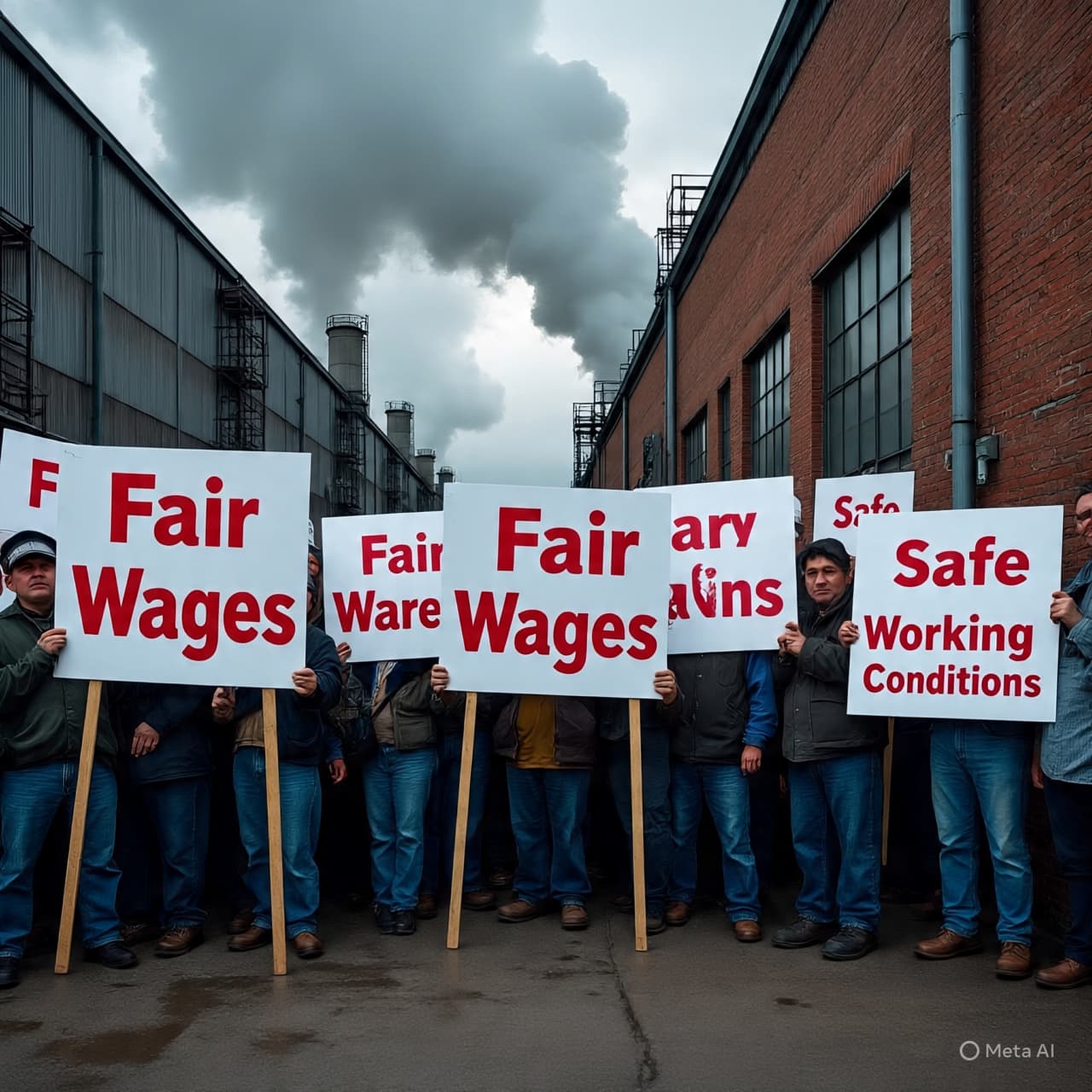
In Greeley, Colorado, the hum of machinery and the bustle of workers have been replaced by picket lines and chants as approximately 3,800 meatpacking workers at the Swift Beef facility owned by JBS USA have initiated a strike. This marks the first major labor action in the U.S. meatpacking industry in nearly four decades, a significant moment for workers advocating for better conditions and compensation.
The strike began after negotiations between the union and JBS USA reached a stalemate. Workers, represented by the United Food and Commercial Workers Local 7, have expressed dissatisfaction with the company's proposed wage increases, which they argue have not kept pace with inflation. Additionally, concerns have been raised regarding the costs of protective equipment that workers are required to purchase themselves, further straining their financial situations.
The Swift Beef facility is a key player in the U.S. beef production landscape, processing thousands of cattle daily. The implications of this strike extend beyond the immediate concerns of the workers; they ripple through the entire supply chain, affecting ranchers, grocery stores, and ultimately consumers. As the strike continues, the potential for disruptions in beef supply could lead to increased prices at grocery stores already facing historically high costs.
The decision to strike was not taken lightly by the workers, many of whom have dedicated years to their roles in the meatpacking industry. The physically demanding nature of the work, coupled with long hours, has made the job both essential and exhausting. The union's authorization vote showed overwhelming support for the strike, indicating a rare moment of solidarity among workers in an industry where large-scale walkouts have become increasingly uncommon.
JBS USA has responded to the strike by asserting that it has offered a fair contract, which includes wage increases and benefits that align with agreements made at other facilities. The company has indicated its intention to maintain operations during the strike by reallocating resources and adjusting production schedules. However, the effectiveness of these measures remains to be seen as the strike progresses.
The timing of this labor action is particularly poignant, as the U.S. beef industry grapples with a declining cattle supply, which has contributed to soaring beef prices. The Greeley facility plays a crucial role in connecting ranchers with markets, and any disruption in its operations could have far-reaching consequences for the industry.
As the strike unfolds, it serves as a reminder of the ongoing struggles faced by workers in the meatpacking industry and raises important questions about labor rights, fair wages, and the balance of power between corporations and their employees. The outcome of this strike could set a precedent for future labor negotiations within the industry, potentially reshaping the landscape of workers' rights in the years to come.
For now, the picket lines remain active, and the voices of the workers are echoing through the cold Colorado air, signaling a pivotal moment in labor history.
Published by Banx Network. This article is part of the Banx decentralized media programme, powered by the BXE token on the XRP Ledger.



