
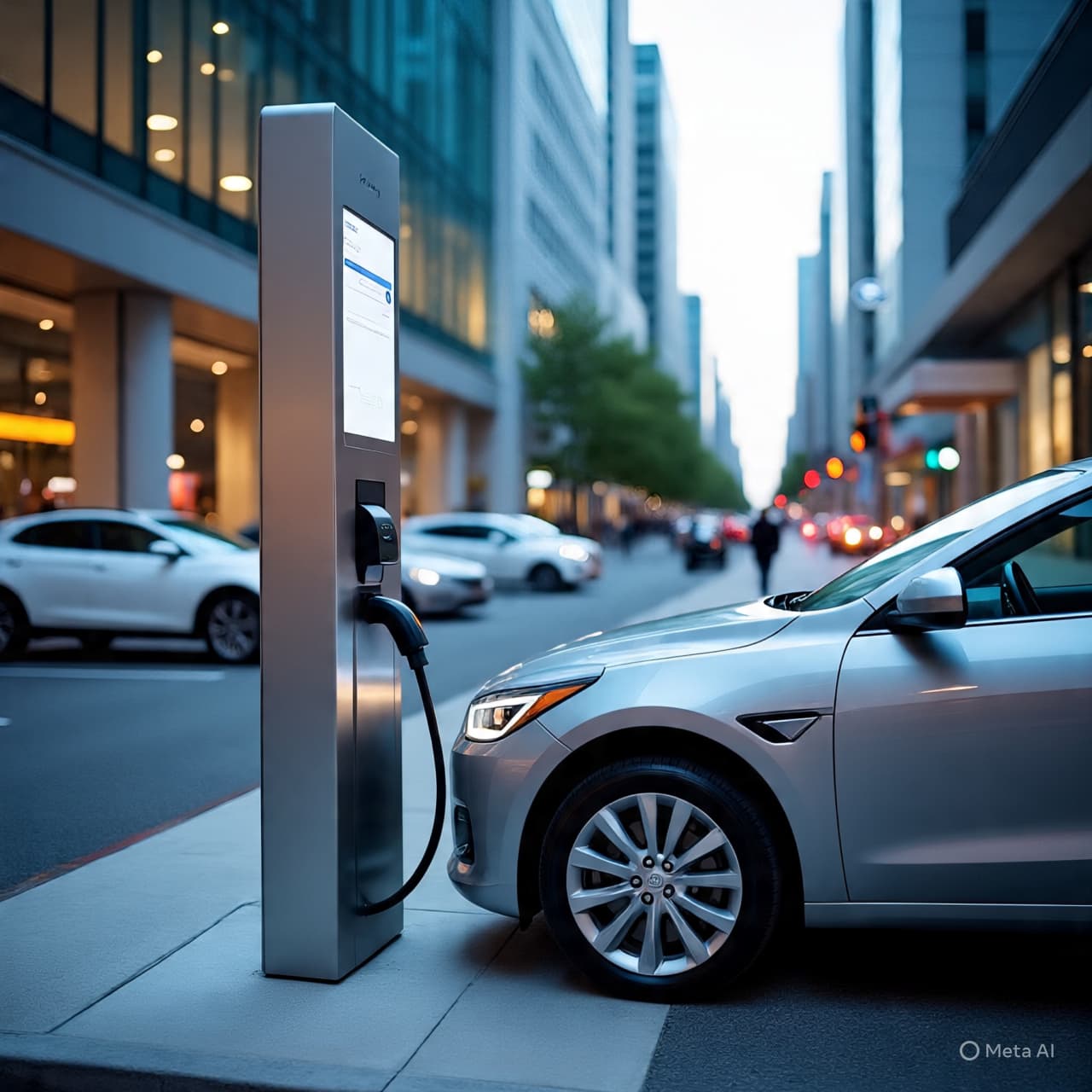
Key Highlights
- Surge in Sales:BYD sold 80 electric vehicles in one day in New Zealand.
- Rising Costs:Petrol prices have exceeded $3 per litre, influencing consumer choices.
- Market Shift:Electric vehicles are gaining a larger share of new car registrations.
The transition from petrol to electric vehicles has been a gradual process in New Zealand, shaped by various factors including policy changes, pricing, and consumer behavior. Recently, however, a notable shift has occurred, highlighted by a significant spike in sales from the Chinese electric vehicle manufacturer BYD. The company reported selling around 80 plug-in vehicles in a single day, a figure that, while modest compared to the overall vehicle fleet, signals a growing interest in electric alternatives as fuel prices rise.
As petrol prices climb past $3 per litre in some regions, the financial implications of commuting and daily travel have become more pronounced for many drivers. The cost of filling a tank, once a routine expense, now weighs heavily on household budgets. This economic pressure is prompting consumers to reconsider their vehicle options, making electric vehicles appear more viable in the present rather than just a future aspiration.
BYD, which stands for "Build Your Dreams," has emerged as one of the fastest-growing electric car brands in New Zealand over the past two years. Its models, such as the Atto 3 and Dolphin, have garnered attention due to their competitive pricing within the electric vehicle market. The recent surge in orders can be attributed to a combination of promotional offers, heightened consumer interest, and the ongoing rise in petrol costs.
Historically, fuel prices have influenced vehicle purchasing decisions, but the connection has become increasingly evident in recent months. As petrol becomes more expensive, the long-term savings associated with electric vehicles become more attractive. For drivers who frequently travel long distances, the cost difference between charging an electric vehicle and filling a petrol tank can accumulate significantly over time.
However, the transition to electric vehicles is not solely a financial decision. Infrastructure plays a crucial role in this shift. While charging stations are expanding across highways and urban areas, concerns about range and accessibility still affect some potential buyers. Additionally, the upfront cost of electric vehicles remains a consideration, even as consumers weigh it against the potential for long-term savings.
Despite these challenges, the trajectory of the market is becoming clearer. Electric vehicles are increasingly representing a larger share of new car registrations in New Zealand, reflecting a global trend toward lower-emission transportation. Manufacturers from various regions, including China, Europe, Korea, and the United States, are expanding their electric line-ups as both governments and consumers seek alternatives to fossil fuels.
For many households, the decision to switch to electric vehicles often begins with a simple calculation: the weekly cost of filling a petrol tank. As petrol prices continue to rise, this question becomes increasingly difficult to ignore.
The recent spike in BYD sales may not immediately transform the national vehicle fleet, but it illustrates how economic pressures can accelerate technological change. The impact of rising fuel prices can quietly influence consumer choices at car dealerships across the country, suggesting that the shift toward electric mobility may unfold through a series of individual decisions rather than grand announcements.
In conclusion, the movement toward electric vehicles is gaining momentum in New Zealand, driven by economic factors and changing consumer attitudes. As more drivers consider the implications of rising petrol prices, the landscape of the automotive market is poised for significant transformation.
Published by Banx Network. This article is part of the Banx decentralized media programme, powered by the BXE token on the XRP Ledger.



