
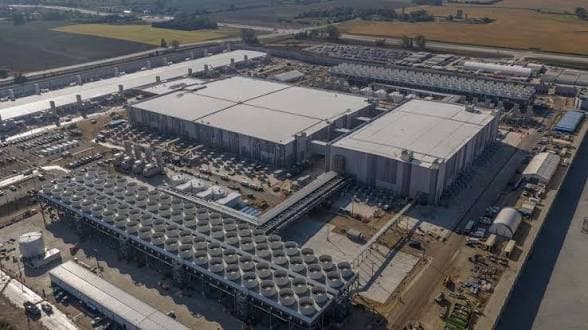
Key Highlights
- Data centers emitted approximately 315 million tons of CO2 in 2025.
- Emissions are 57% higher than previous estimates by the International Energy Agency.
- AI workloads account for 15% to 20% of data center electricity use, projected to rise to 40% by 2030.
A recent study conducted by Allianz Trade has revealed that data centers, particularly those powering artificial intelligence, have a significantly larger carbon footprint than previously estimated. According to the study, data centers are projected to emit around 315 million tons of carbon dioxide in 2025, a figure that is 57% higher than the estimates provided by the International Energy Agency (IEA). This alarming increase is attributed to the rapid expansion of data centers worldwide, driven by the growing demand for computing power and electricity to support AI workloads.
The report emphasizes the increasing share of electricity consumption attributed to AI, which currently accounts for approximately 15% to 20% of total data center electricity use. This figure is expected to rise dramatically, potentially reaching around 40% by 2030. The implications of this shift are significant, as the study warns that without effective measures to decarbonize power grids, emissions from data centers could more than double by the end of the decade. This escalation would contribute further to the climate damage already associated with AI workloads.
One of the critical factors influencing emissions outcomes is the source of electricity used by data centers. The carbon intensity of power varies widely across different regions, meaning that the environmental impact of data centers can differ significantly based on local energy sources. Regions relying heavily on fossil fuels for electricity generation will see much higher emissions compared to those utilizing renewable energy sources.
In addition to carbon emissions, the report highlights the considerable pressure that data centers are placing on natural resources, particularly water. The cooling processes required to maintain optimal operating conditions for data centers demand substantial water resources, raising concerns about sustainability and resource management in areas where water is already scarce.
As the demand for data centers continues to grow, driven largely by advancements in AI technology, the findings of this study underscore the urgent need for the tech industry to address its environmental impact. Stakeholders must prioritize the development of sustainable practices and invest in cleaner energy solutions to mitigate the carbon footprint associated with data centers.
The Allianz Trade study serves as a wake-up call for both the tech industry and policymakers, highlighting the critical intersection of technology, energy consumption, and climate change. As the world moves towards an increasingly digital future, the responsibility to ensure that this growth does not come at the expense of the environment rests on all of us.
Published by Banx Network. This article is part of the Banx decentralized media programme, powered by the BXE token on the XRP Ledger.



