

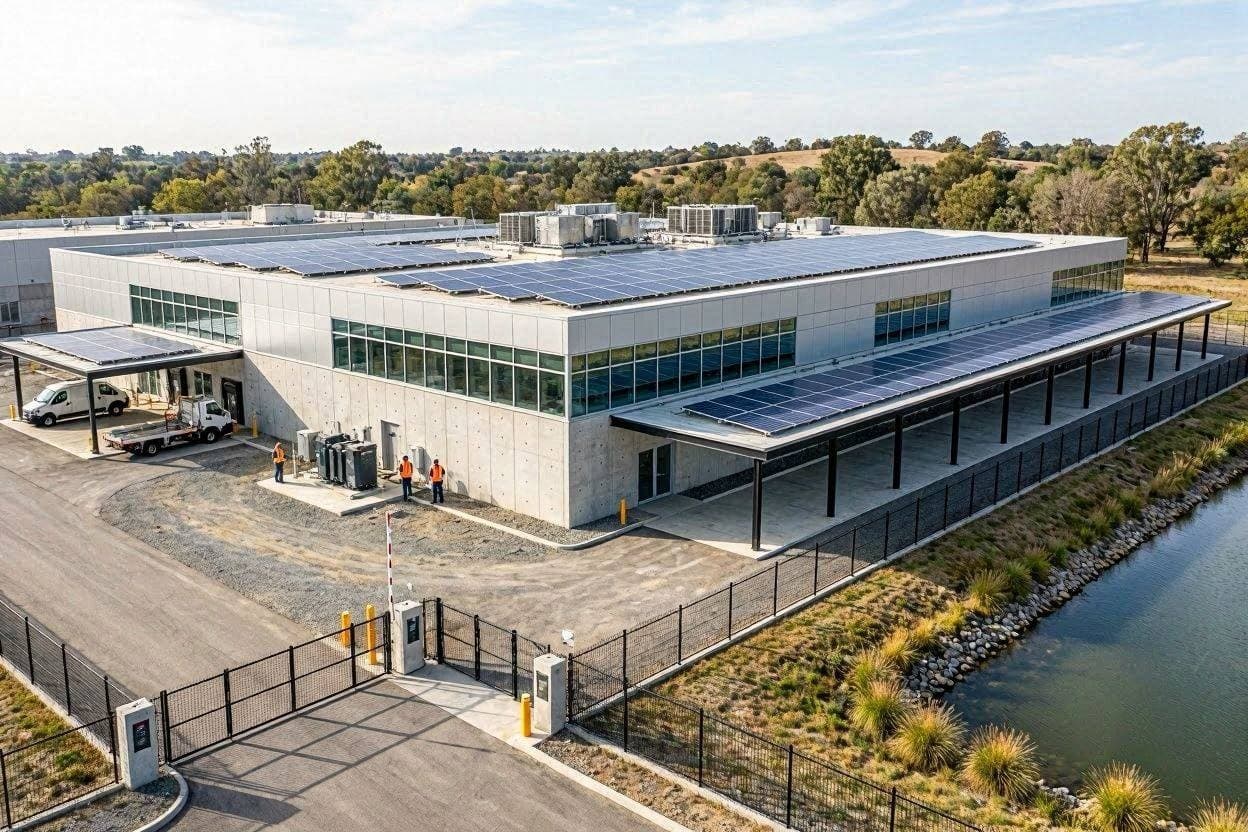
Key Highlights
- Australia unveils a blueprint for responsible AI development.
- Critics demand a moratorium on new data centers due to environmental concerns.
- The government emphasizes the importance of AI for economic growth.
As Australia charts its course in the artificial intelligence age, the government has unveiled a comprehensive blueprint to guide the development and deployment of this transformative technology. Prime Minister Anthony Albanese’s plan aims to position Australia as a leader in safe and responsible AI, focusing on ethics, skills, and infrastructure. However, amidst the excitement of innovation, a counter-narrative has emerged. Critics and community groups are calling for a temporary moratorium on the construction of new data centers, arguing that current regulations are insufficient to address the environmental and social impacts of this rapid expansion.
The physical backbone of AI—massive data centers—consumes enormous amounts of energy and water. In regions already facing resource constraints, the prospect of new facilities has sparked local opposition. Residents worry about increased power bills, strain on water supplies, and the loss of green space to industrial developments. Proponents of the moratorium argue that without strict regulatory frameworks, the rush to build infrastructure could outpace the ability to manage its consequences. They point to the lack of mandatory sustainability standards and community consultation requirements.
By pausing new projects, they believe policymakers can take the time to develop robust rules that balance economic growth with environmental stewardship and community well-being. The government maintains that the blueprint includes provisions for sustainable development and that stopping progress would hinder Australia’s competitiveness in the global tech race. Officials emphasize the importance of AI for productivity and economic diversification. They argue that with proper planning, data centers can be built efficiently, incorporating renewable energy sources and advanced cooling technologies to minimize their footprint.
This debate highlights the tension between technological ambition and local reality. While the national vision is broad and forward-looking, the impacts are felt deeply at the community level. Bridging this gap requires meaningful dialogue and inclusive decision-making processes that respect the concerns of those most affected by infrastructure changes. Environmental experts suggest that a moratorium could provide a valuable opportunity to assess the cumulative impact of data centers on the grid and natural resources.
It would allow for the development of standardized metrics for energy efficiency and water usage, ensuring that new facilities meet high sustainability benchmarks. This proactive approach could prevent costly retrofits and community backlash later on. As the discussion evolves, the focus remains on finding a middle ground. Stakeholders from industry, government, and civil society are engaged in negotiations to refine the regulatory landscape. The outcome will shape not just the AI sector but also the broader conversation about how Australia manages its transition to a digital economy.
The call for a data center moratorium underscores the need for careful regulation in the AI era. Balancing innovation with sustainability and community interests is a complex challenge that requires thoughtful policy and collaborative effort.
AI Image Disclaimer: Please note that the images included in this article are AI-generated visualizations created to complement the narrative and are not actual photographs of data centers or political events.
Published by Banx Network. This article is part of the Banx decentralized media programme, powered by the BXE token on the XRP Ledger.




