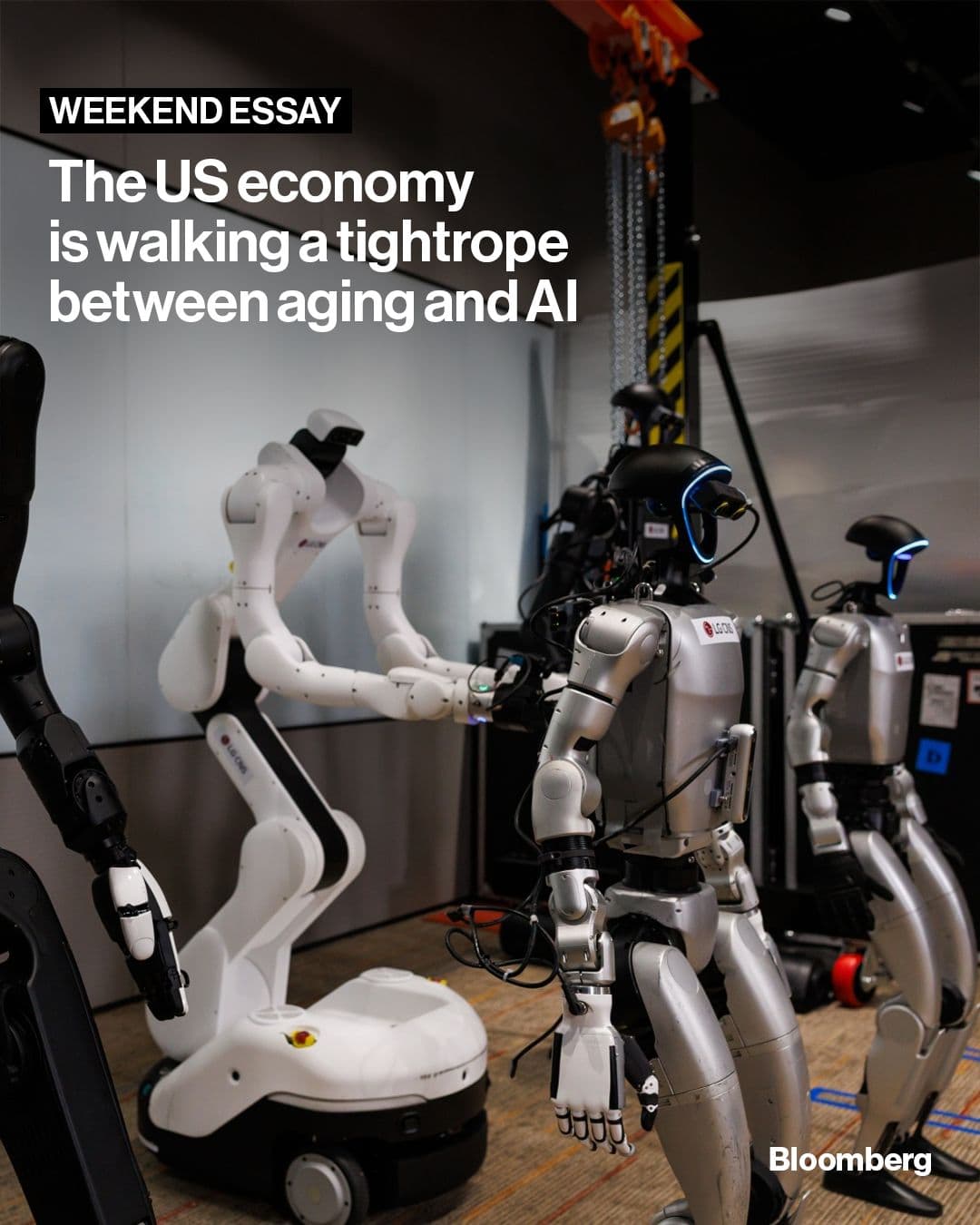
The United States economy is navigating a complex transition as two major forces reshape labor markets and long-term growth prospects: artificial intelligence and demographic change. Economists increasingly view these trends as among the most important factors influencing productivity, employment, and economic policy. Advancements in AI are creating opportunities for businesses to automate tasks, improve efficiency, and develop new products and services. Companies across industries are investing heavily in AI infrastructure, software, robotics, and data centers in hopes of gaining competitive advantages and boosting productivity. At the same time, the U.S. population is aging. As larger numbers of workers retire, concerns have emerged about labor shortages, rising healthcare costs, and pressure on social support systems. Policymakers are exploring ways to maintain economic growth while adapting to changing workforce demographics. Some analysts believe AI could help offset the economic effects of an aging population by increasing productivity and allowing businesses to operate more efficiently with fewer workers. Others caution that the transition may create challenges for labor markets as workers adapt to changing skill requirements. The interaction between technological innovation and demographic trends is expected to remain a defining theme for the economy over the coming decades. Businesses, governments, and educational institutions are all evaluating how best to prepare for a rapidly evolving economic landscape.
Published by Banx Network. This article is part of the Banx decentralized media programme, powered by the BXE token on the XRP Ledger.