In the Quiet Persistence of Cities: France’s Socialists and the Art of Holding Ground
France’s Socialists retain control of major cities, signaling urban stability and continued support for mainstream center-left leadership.

France’s Socialists retain control of major cities, signaling urban stability and continued support for mainstream center-left leadership.

Iran responds firmly after Trump threatens power infrastructure, signaling deterrence as tensions resurface between Washington and Tehran.

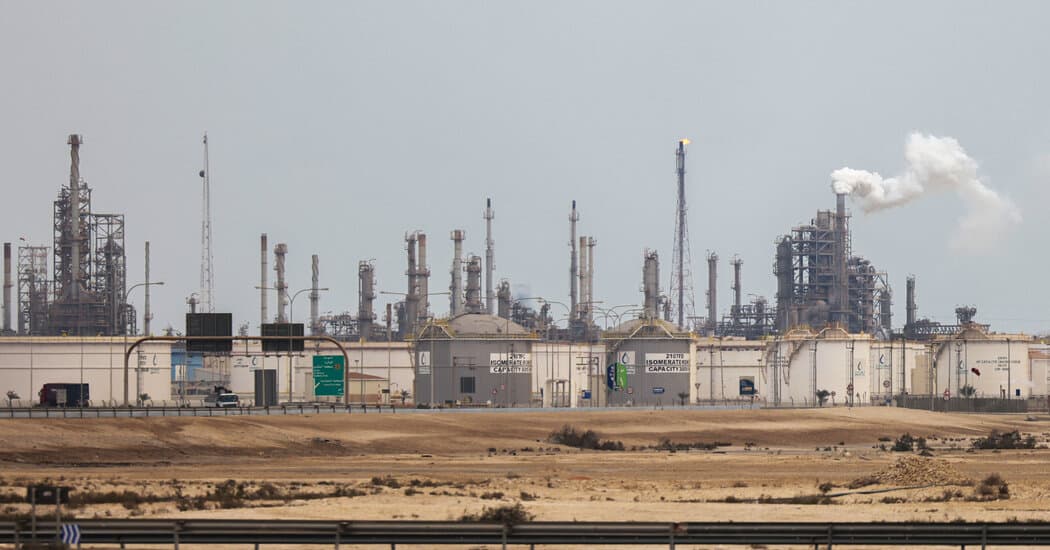
Iran warns it may close the Strait of Hormuz if U.S. infrastructure threats escalate, raising global concerns over energy flows and regional stability.

Strait of Hormuz

Lebanese Prime Minister Salam has stated that the Islamic Revolutionary Guard Corps (IRGC) is actively commanding Hezbollah operations in Lebanon. This assertion highlights the complex dynamics of regional influence and military coordination.

Initially opposed to military conflict with Iran, many Gulf states are now advocating for ongoing engagement against the country. This shift reflects changing geopolitical concerns and pressures within the region.

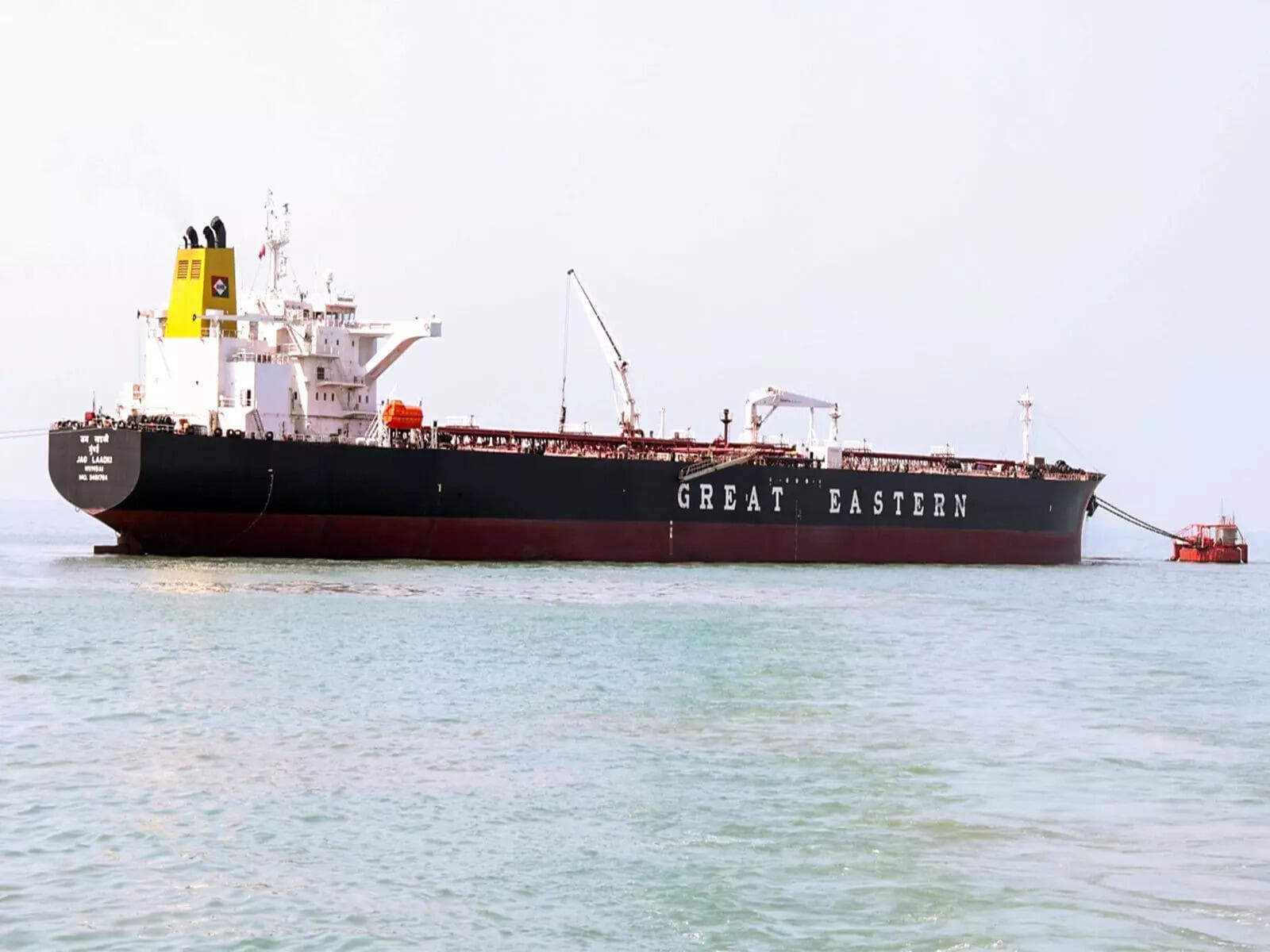
Iran has stated that there is no floating crude or surplus available for export, following the U.S. easing of sanctions on Iranian crude oil loaded on vessels as of March 19. This marks a complex development in international oil trade dynamics.

On World Water Day, Chileans took to the streets to protest President Kast's rollback of key environmental regulations. This movement underscores growing concerns over water rights and environmental protection in the country.

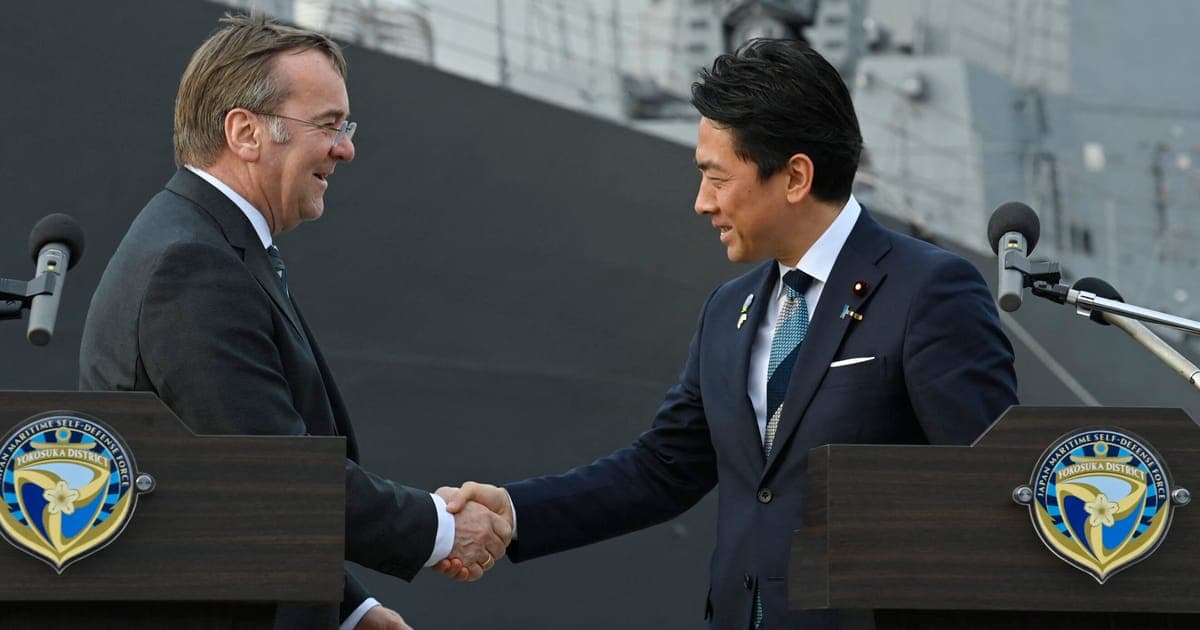
Germany is actively seeking to establish a new military cooperation agreement with Japan, aimed at strengthening defense ties and enhancing regional security. This initiative reflects growing concerns over security challenges in the Asia-Pacific region.

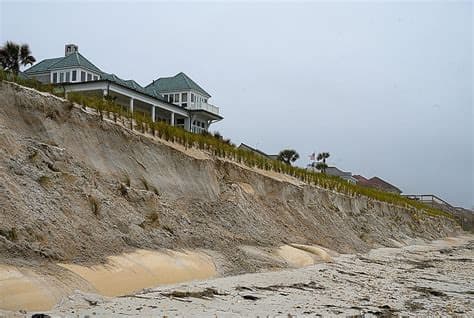
A New Zealand council has proposed relocating a coastal community as a proactive measure against rising sea levels. This initiative serves as a test case for addressing climate change impacts and ensuring the safety of residents.

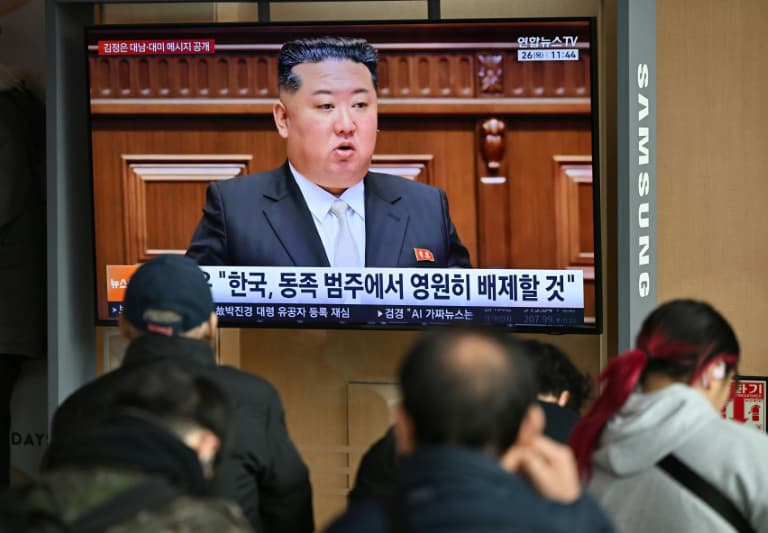
North Korea's Kim Jong Un has been reappointed as the President of State Affairs, according to the state-run KCNA. This reaffirmation of leadership underscores his continued authority and influence within the country.

Canadian companies operating in Cuba may face significant challenges and potential losses as impending changes in the political and economic landscape threaten their investments. This shift raises concerns about the future of Canadian business ventures on the island.

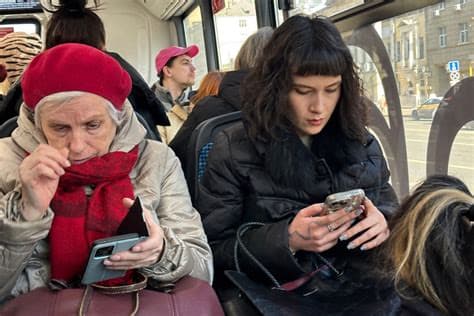
Russia has successfully quelled protests against the blocking of a popular messaging app, yet widespread frustration among users remains. The government's actions raise concerns about freedom of expression and the right to digital communication.

In response to disrupted natural gas supplies due to ongoing conflicts, Asian countries are reverting to coal as their primary energy source. This shift raises concerns about environmental impacts and energy security across the region.

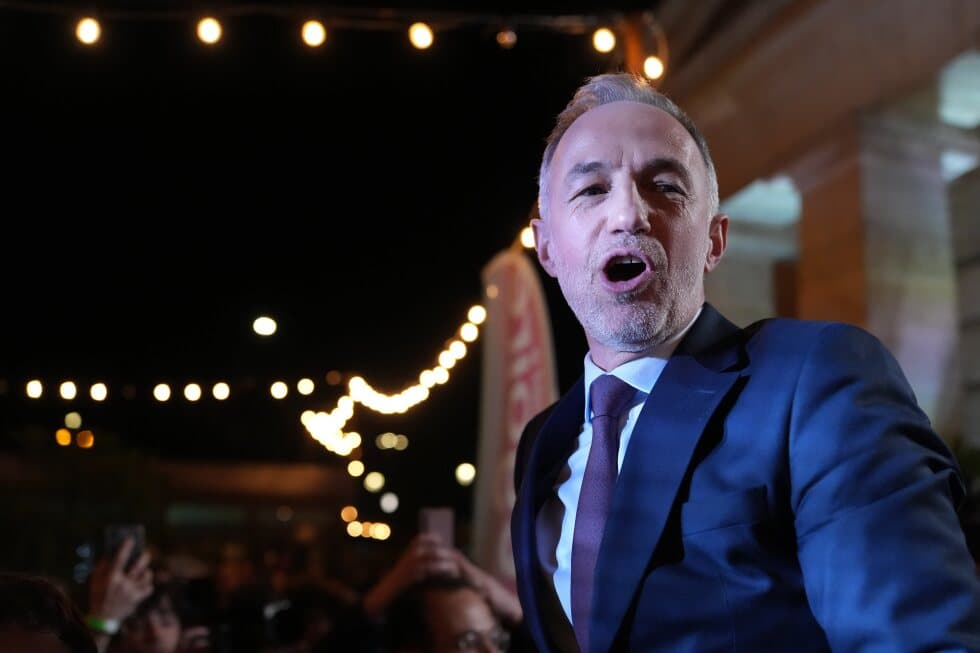
Emmanuel Grégoire has been elected as the new mayor of Paris, succeeding his predecessor in a move that reflects the city’s continuing support for socialist policies. His election promises to bring progressive change to the French capital.

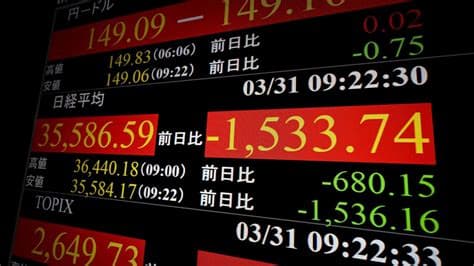
Asian stock markets plummeted as tensions between Trump and Iran escalate, causing significant unease among investors. Major indices such as the Nikkei and Kospi have fallen by 4%, reflecting widespread concern over geopolitical instability.

The U.S. Treasury Secretary has justified recent military actions in Iran, stating that sometimes escalation is necessary to achieve long-term stability. This statement comes amid rising tensions and calls for diplomatic solutions.

A Basij commander in Shiraz has reportedly been killed in strikes attributed to US-Israeli forces, according to an IRGC-affiliated news outlet. This incident intensifies existing tensions and raises questions about regional security.

The European Union has decided to cut Hungary out of critical discussions amid fears of sensitive information leaks to Russia. This decision reflects rising tensions within the bloc over national security and information integrity.

Germany is grappling with a significant workforce shortage and is now seeking assistance from India to fill crucial job vacancies across various sectors. This initiative highlights the country's strategy to address labor shortages amid economic challenges.

Jehovah's Witnesses have announced a significant change in their stance on blood transfusions, easing restrictions that have long been a cornerstone of their medical doctrine. This shift aims to provide more flexibility for members in critical health situations.

In North Korea, public schools are increasingly pressuring parents for financial contributions, raising concerns about the education system's adequacy and equity. This trend highlights the ongoing struggles within the country's education sector as economic challenges persist.

Iran has issued stark warnings of retaliation against Gulf energy and water infrastructure in response to Trump's recent ultimatum, escalating tensions in the region. The threat poses significant risks to regional stability and vital resources.

The U.S. Department of State has issued a security alert, urging citizens to exercise “worldwide caution” due to potential threats. This advisory emphasizes the importance of awareness and preparedness amid rising geopolitical tensions.