
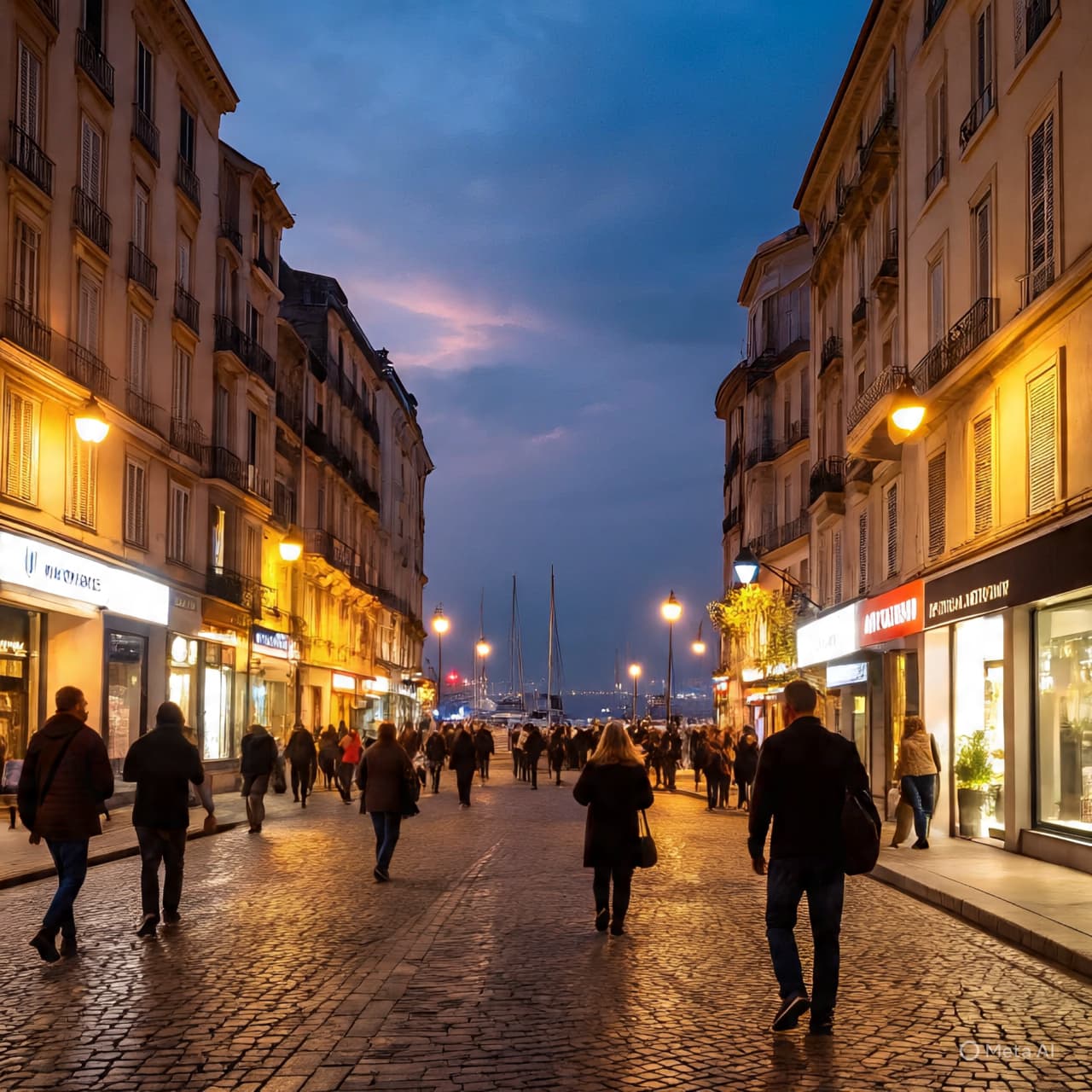
Morning arrives slowly over the boulevards of Paris, where cafés set out their chairs in quiet ritual and the first footsteps echo across stone still holding the coolness of night. In other cities—Lyon, Marseille, Lille—the same gentle unfolding takes place, each street carrying its own rhythm, each square its own memory of voices gathered and dispersed. It is within these familiar movements that politics, too, finds its expression—not only in speeches and ballots, but in the quiet persistence of place.
Recent municipal elections across France have traced a pattern that feels less like a surge and more like a steady holding of ground. Candidates aligned with the Socialist Party (France) and their broader center-left allies have retained control in several major cities, preserving a presence that has, in recent years, faced both fragmentation and challenge.
The results, while not dramatic in their shifts, carry a certain resonance. In an era where political landscapes often tilt sharply, the endurance of mainstream forces in urban centers suggests a quieter continuity. Mayors and local coalitions, some long established, have managed to maintain trust among voters navigating concerns that are both immediate and enduring—housing, transport, environmental pressures, and the evolving texture of urban life.
In cities like Paris, where governance has become a careful balancing of tradition and change, the outcome reflects an electorate attentive to stability, even as it remains open to reform. Similar dynamics unfold in Lyon and Lille, where local leadership has been shaped as much by pragmatic administration as by ideology. In Marseille, long known for its complex political currents, the persistence of left-leaning coalitions speaks to a negotiated equilibrium rather than a decisive realignment.
Nationally, the implications ripple outward. The resilience of socialist and center-left leadership in major municipalities offers a counterpoint to the broader uncertainties that have defined French politics in recent years. It suggests that, at least within the daily fabric of city governance, voters may still find value in continuity—an anchoring presence amid wider debates that often feel more volatile.
Analysts note that municipal elections in France have always carried a distinct character, shaped by proximity and familiarity. The mayor, after all, is not a distant figure but one encountered in the cadence of local life, in decisions that shape neighborhoods directly. This closeness lends the results a texture different from national contests, one where ideology is often softened by the practicalities of governance.
As the ballots settle into record and the numbers take their place in analysis, the cities themselves continue. Streets fill, markets open, and the subtle choreography of daily life resumes. The political outcome becomes part of that rhythm—less a rupture than a reaffirmation.
In the end, the elections leave behind not a sense of upheaval, but of continuity carefully maintained. France’s Socialists and their allies, holding their ground in key urban centers, offer a reminder that in certain spaces, stability is not the absence of change, but its measured, deliberate pace.
AI Image Disclaimer Illustrations were created using AI tools and are not real photographs.
Sources Reuters BBC News Le Monde France 24 Associated Press
Published by Banx Network. This article is part of the Banx decentralized media programme, powered by the BXE token on the XRP Ledger.


