
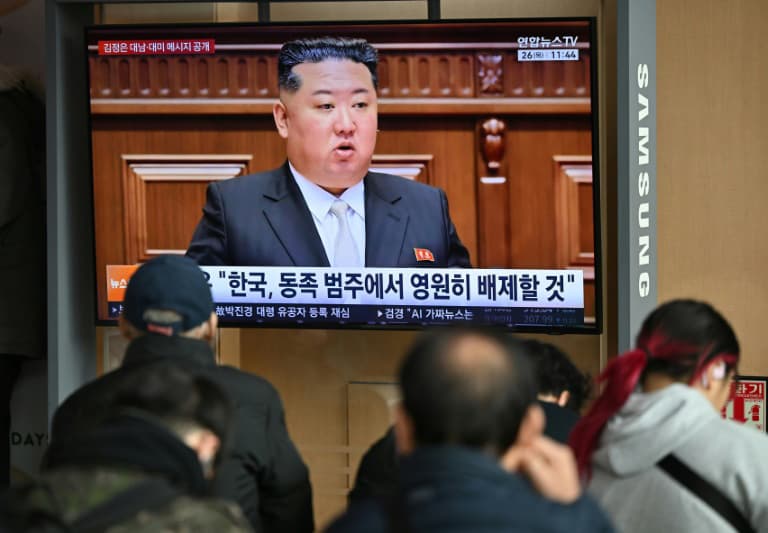
Kim Jong Un has officially been reappointed as President of State Affairs in North Korea, as reported by the Korean Central News Agency (KCNA). This development further solidifies his position at the helm of the government and reinforces the centralized control he has maintained since taking power.
The reappointment comes amid ongoing challenges faced by the regime, including economic difficulties exacerbated by international sanctions and the COVID-19 pandemic. Kim's leadership has been characterized by efforts to strengthen military capabilities and maintain a tight grip on power, all while navigating the complexities of foreign relations.
In the announcement, KCNA emphasized Kim's dedication to the country's development and security, highlighting his vision for North Korea's future. The reaffirmation of his role as President of State Affairs reflects the regime's focus on consolidating power and promoting national unity.
Experts suggest that this leadership stability may be an attempt to project strength internally and externally, amid growing pressure from both domestic issues and international scrutiny. Kim's ongoing leadership is likely to influence North Korea's approach to diplomacy, particularly concerning nuclear negotiations and relations with South Korea and the United States.
As North Korea continues to grapple with its geopolitical challenges, Kim's reappointment signals his commitment to maintaining authority and pursuing his strategic objectives in the evolving political landscape. The implications of this leadership decision will be closely monitored by analysts and observers around the world, particularly in relation to regional security and stability.
Published by Banx Network. This article is part of the Banx decentralized media programme, powered by the BXE token on the XRP Ledger.


