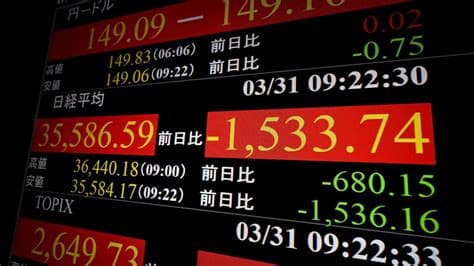
Asian markets experienced a significant downturn, with major indices like the Nikkei and Kospi falling by 4% in response to escalating threats between Trump and Iran. Investors are increasingly anxious about the potential for conflict in the Middle East, which could have dire implications for global economic stability.
The heightened tensions have led to fears of military escalation, prompting many traders to reassess their positions and move away from stocks in favor of safer assets. Analysts indicate that the situation has created a climate of uncertainty, influencing investment strategies across the region.
Sector stocks heavily impacted include technology, manufacturing, and energy, with companies in these fields experiencing sharp declines. The ripple effects of geopolitical issues often lead to increased volatility in stock markets, and the recent developments are no exception.
In response to the market fluctuations, economic experts are warning that prolonged instability could harm consumer confidence and slow down economic growth in Asia. Many are keenly observing government responses and potential diplomatic resolutions to the conflict as a means to restore market stability.
As the situation develops, both investors and policymakers will need to navigate the implications of these tensions carefully, seeking both immediate solutions and long-term strategies to foster economic resilience amid geopolitical challenges. The ongoing volatility serves as a reminder of the interconnectedness of global markets and the profound effects that international relations can have on economic conditions.
Published by Banx Network. This article is part of the Banx decentralized media programme, powered by the BXE token on the XRP Ledger.