
SCIENCE94% credibility
Before Dinosaurs Ruled, How Diverse Was Life on Earth?
Fossils from Brazil reveal diverse herbivores before dinosaurs, challenging assumptions about early ecosystems and evolution.
1 min read

Fossils from Brazil reveal diverse herbivores before dinosaurs, challenging assumptions about early ecosystems and evolution.

Scientists suggest a hidden dwarf galaxy may exist within the Milky Way, offering new insights into galactic formation and structure.

Welsh researchers have developed new high-precision methods for tracking carbon emissions in heavy industry, providing a critical tool for the nation's 2026 decarbonization goals.

A marine biology study in the Scottish Highlands has documented a significant shift in coastal biodiversity, highlighting the rapid arrival of new species and changing ecosystem patterns in 2026.

Scotland is leading the UK in sustainable material research, with 73% of firms overhauling their supply chains to prioritize environmental resilience and circular economy principles in 2026.

The University of the Republic has launched international research collaborations focused on environmental sustainability, seeking global solutions for carbon reduction and climate-smart agriculture.

New data suggests mysterious red dots seen by JWST may be “black hole stars,” offering insights into early cosmic evolution.
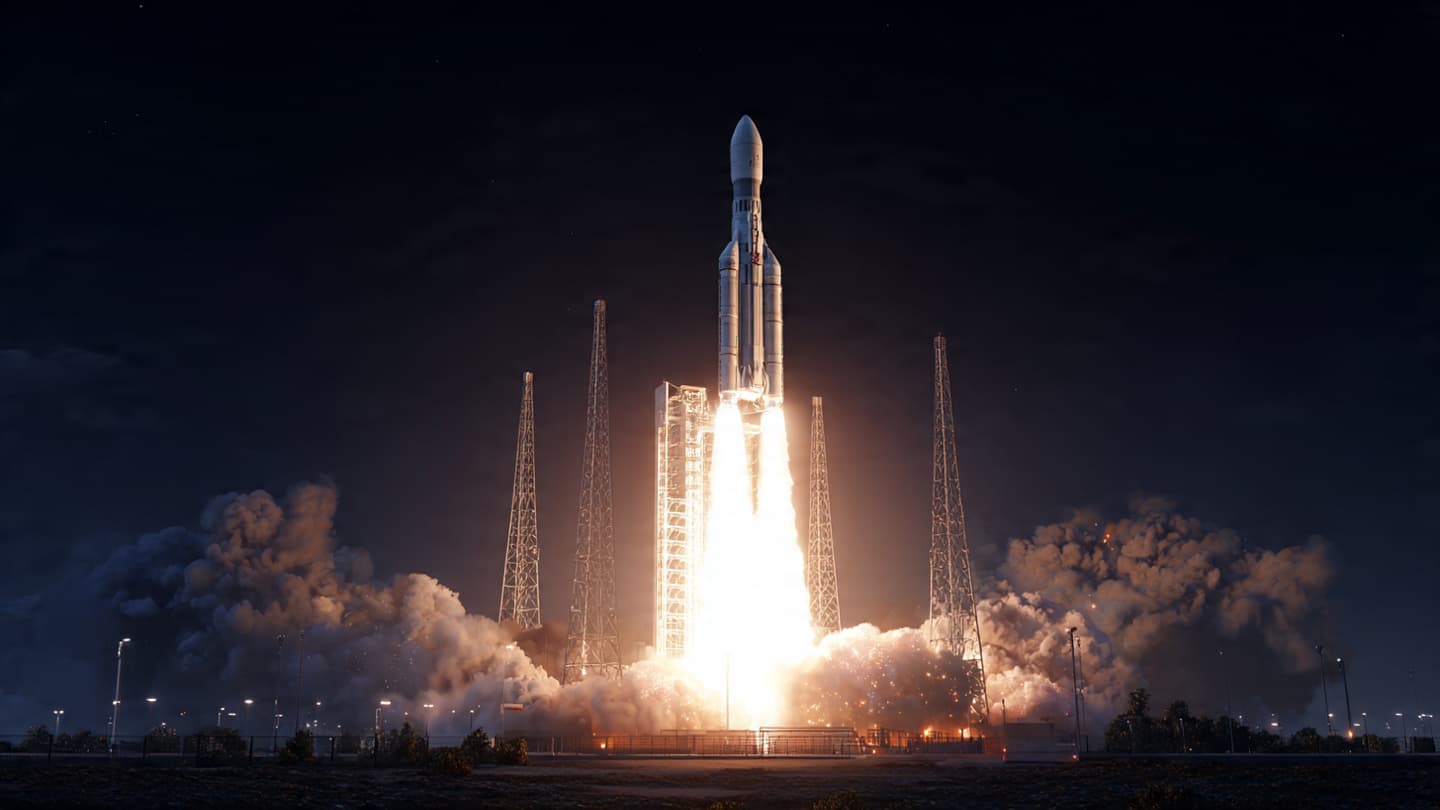
Ariane 6 launches 32 Amazon satellites, advancing Project Kuiper’s plan to deliver global internet coverage.

Czechia’s record 72 billion crown investment in rail infrastructure marks a historic pivot toward a high-speed, sustainable future, finally bridging the gap between the capital and its international airport.
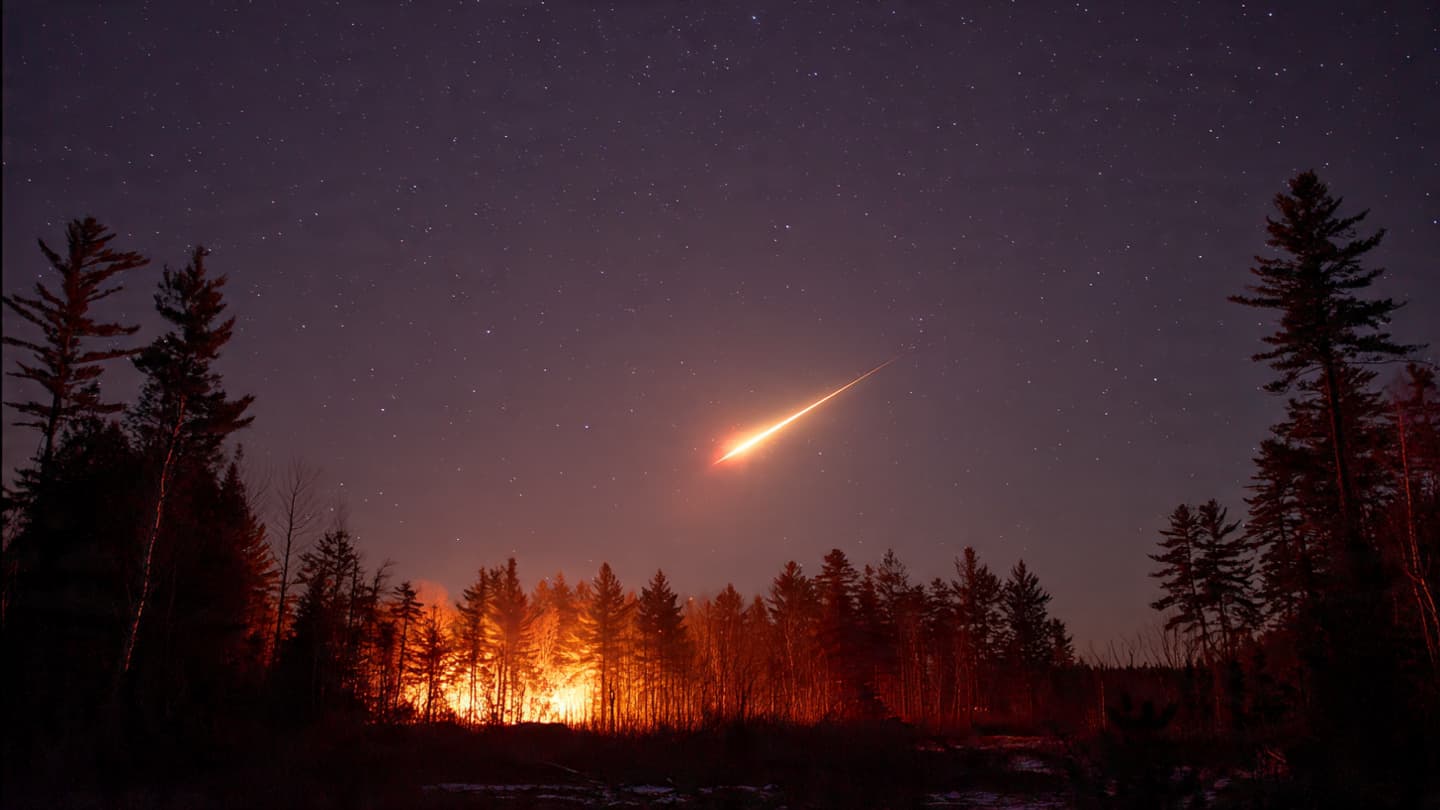
A bright fireball over Washington and Oregon was likely a meteoroid burning in Earth’s atmosphere.
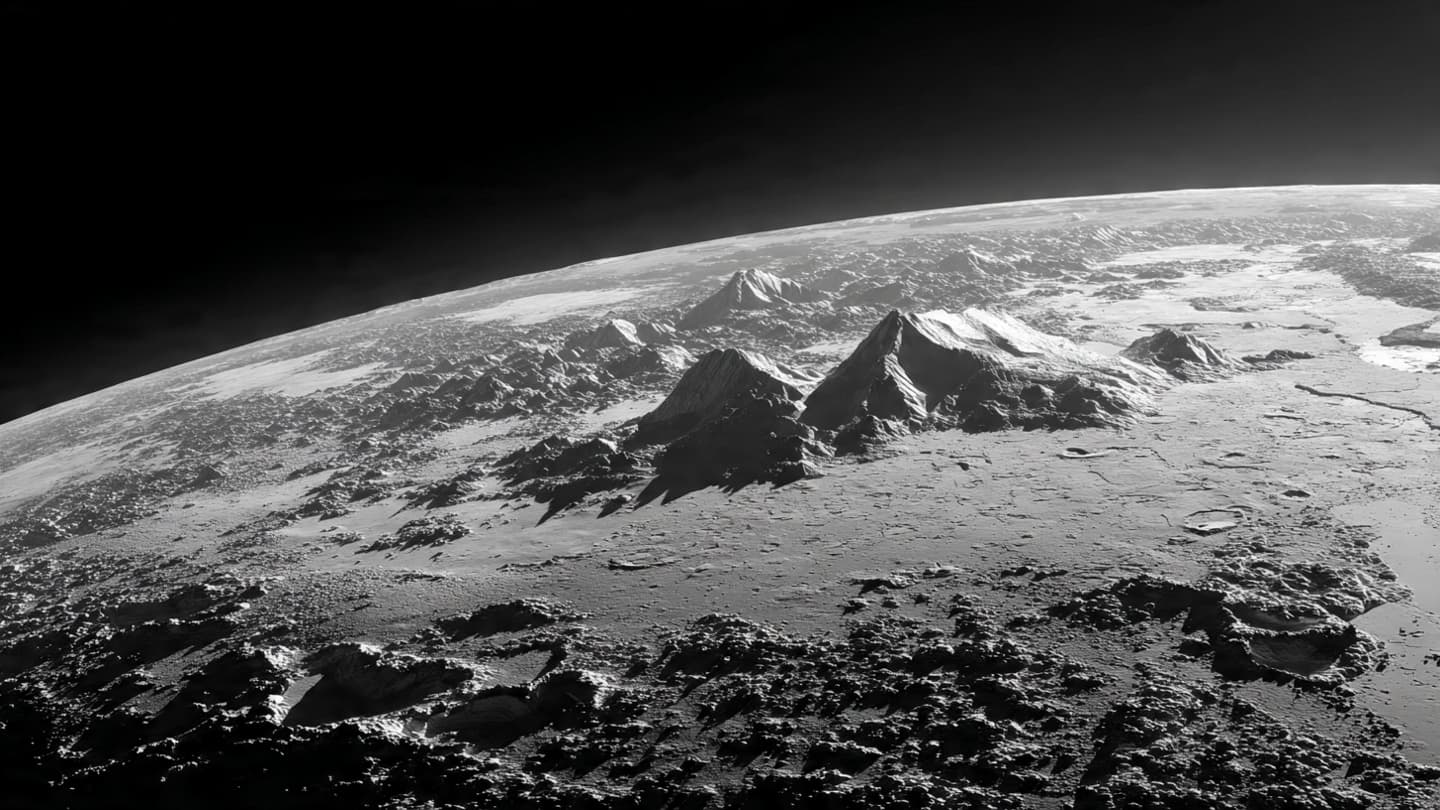
Pluto’s classification as a dwarf planet reflects evolving science, while its significance remains unchanged.
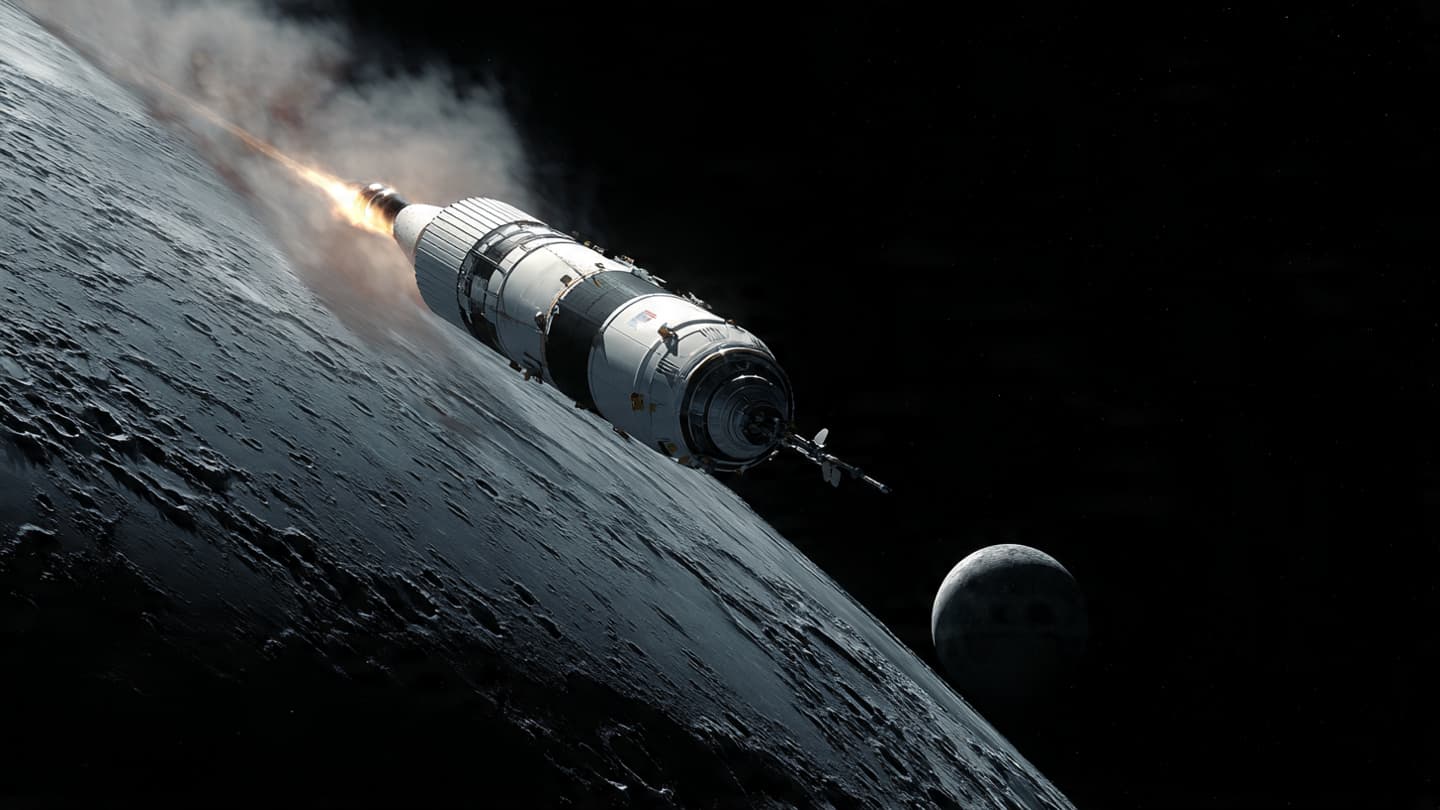
A stray rocket stage is expected to impact the Moon at high speed, highlighting space debris tracking challenges

Astronomers identify debris and gravitational forces as key sources shaping Uranus’s unusual ring structure.

Scientists develop a silent robot that tracks sperm whales by listening to their communication clicks, enabling non-invasive marine research.

Astronomers suggest a hidden “Loki” galaxy may be embedded within the Milky Way, based on unusual stellar patterns and gravitational clues.

Scientists report early indications of a possible fifth fundamental force based on galaxy survey data, though confirmation remains pending.

Rare Tyrian purple dye found in a Roman infant burial in York suggests elite status and far-reaching trade.
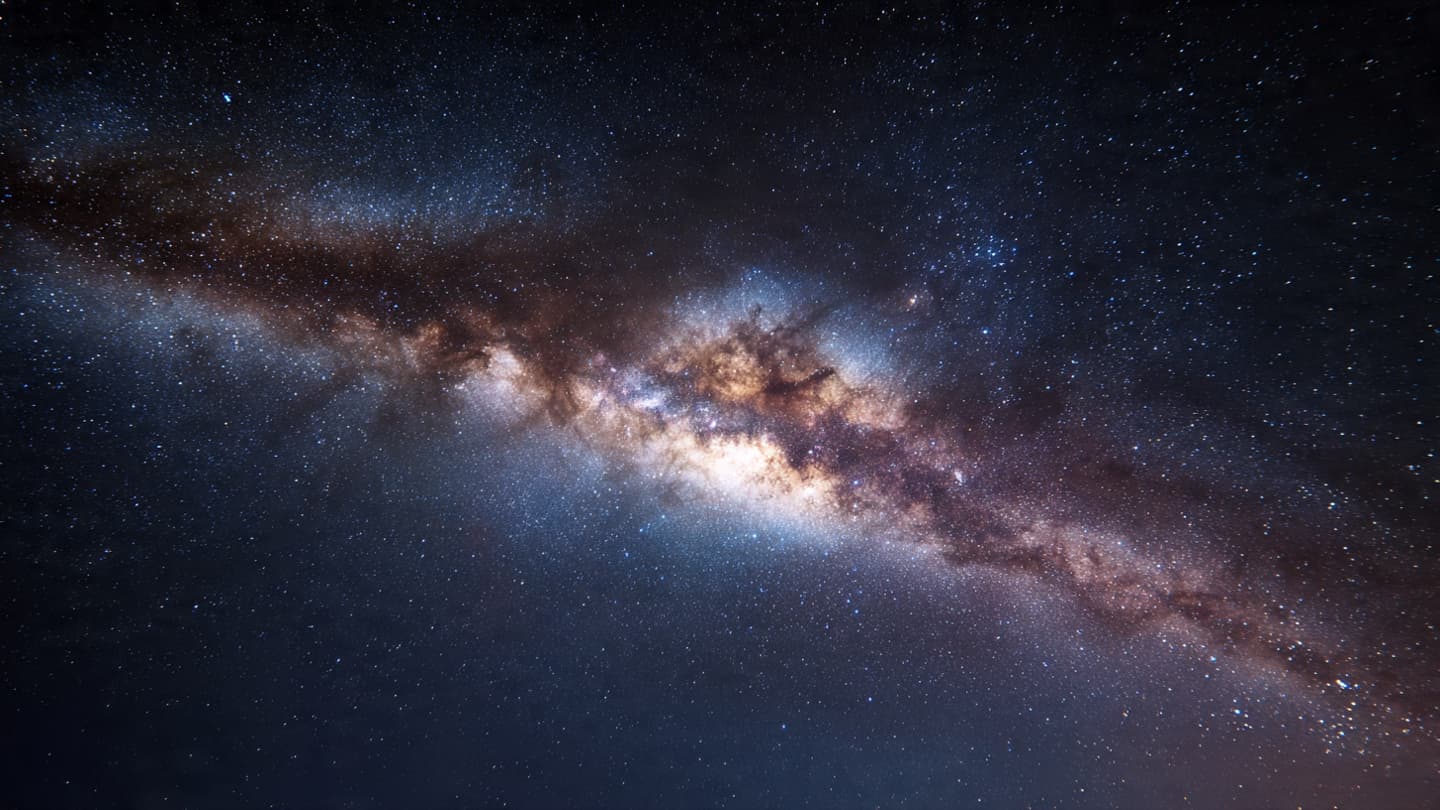
Astronomers suggest a clearer outer boundary of the Milky Way, refining understanding of its size and structure.
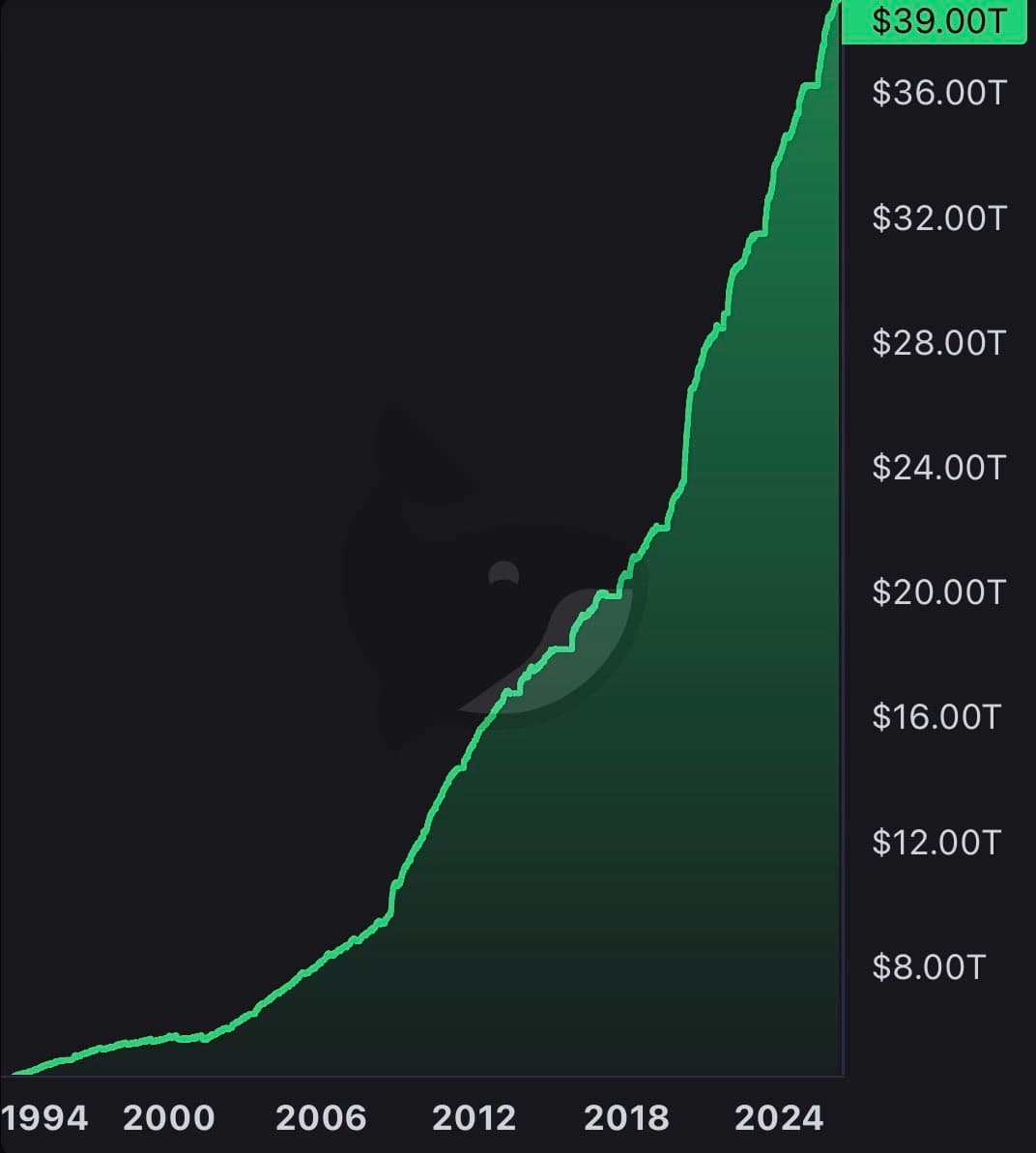
U.S. debt surpasses GDP for first time since WWII, nearing $39T. The milestone raises concerns over long-term sustainability and fiscal pressure.
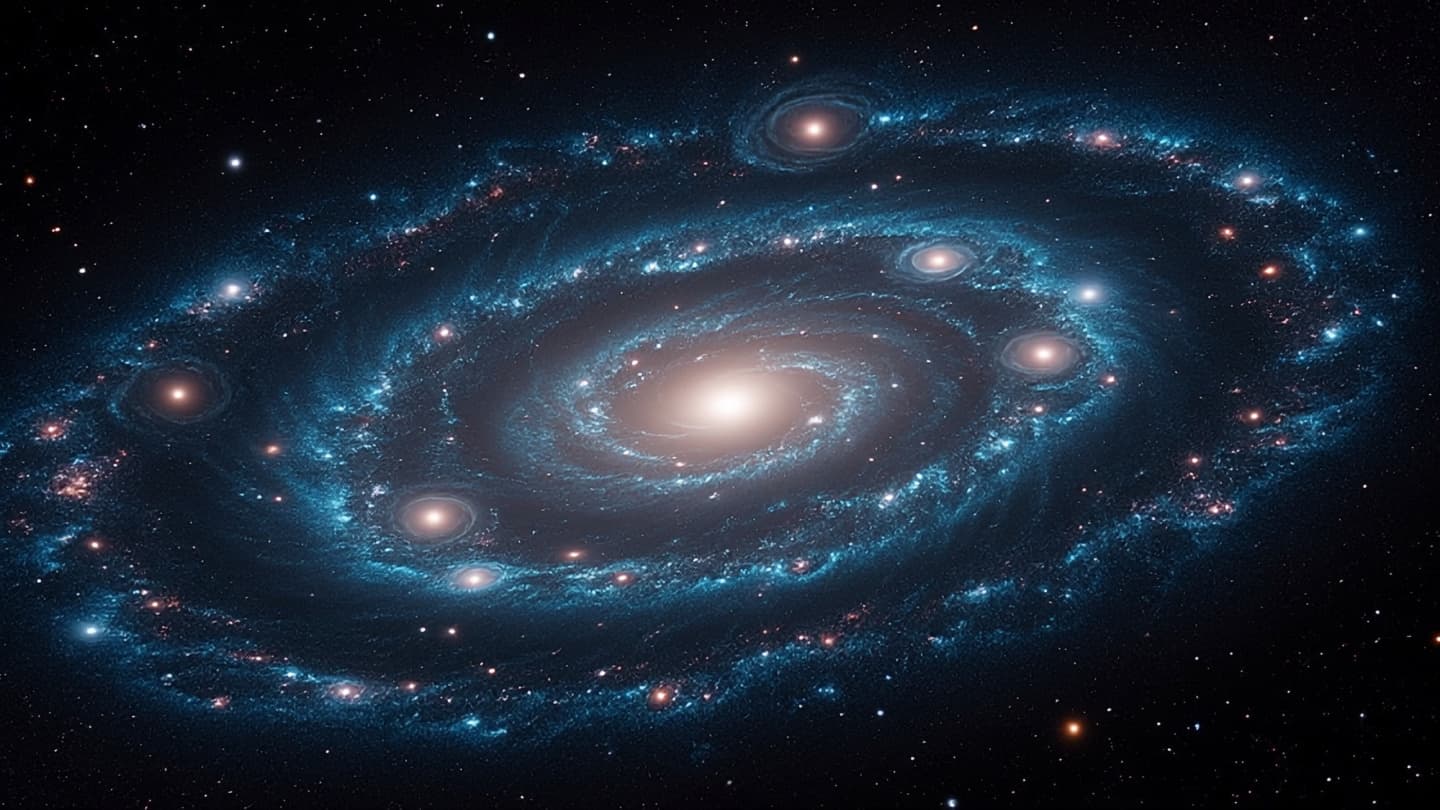
Astronomers released a massive 2.5-petabyte cosmic simulation dataset, enabling global research into galaxy formation and the structure of the universe.
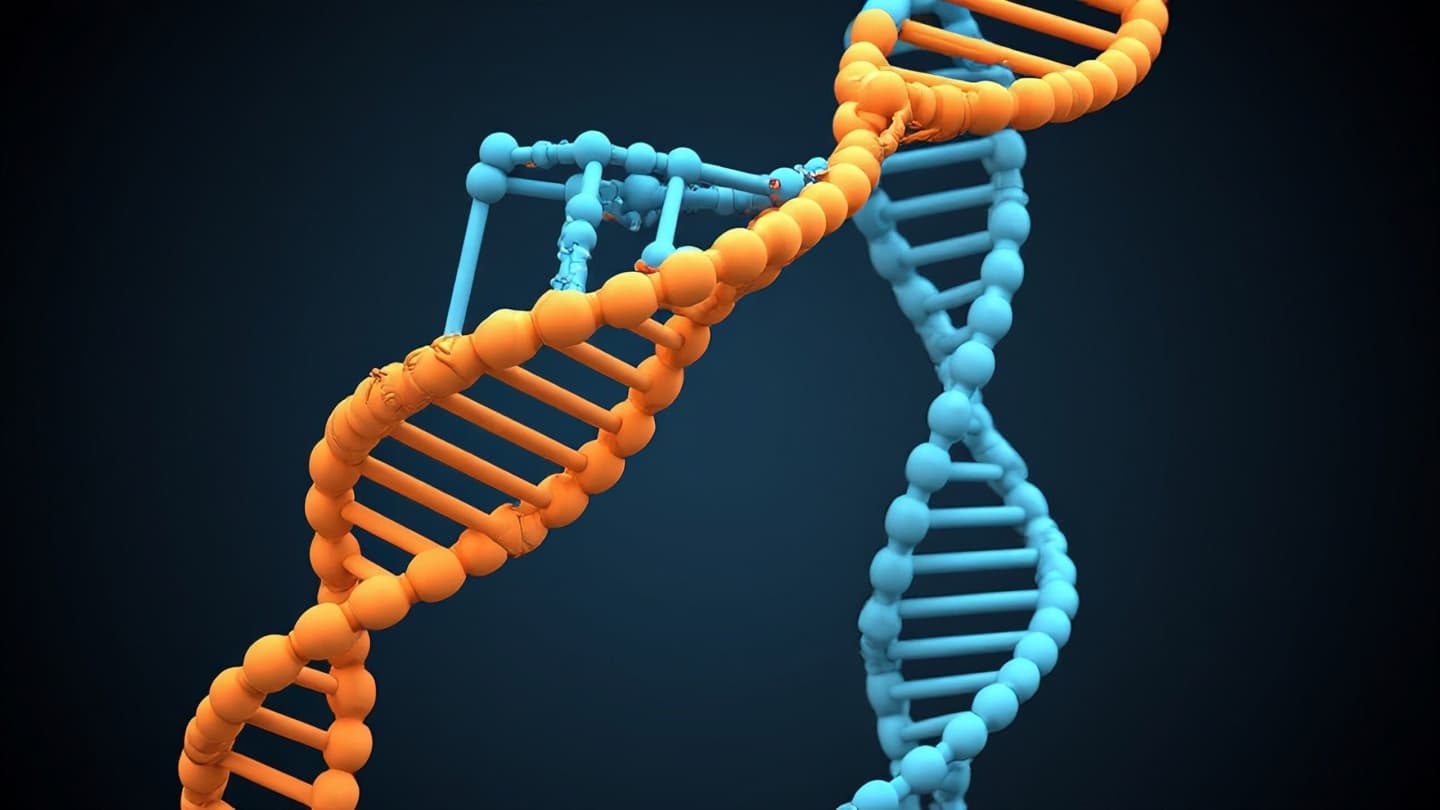
Scientists have discovered a new protein-guided mechanism for DNA synthesis, challenging the long-held template-based model.
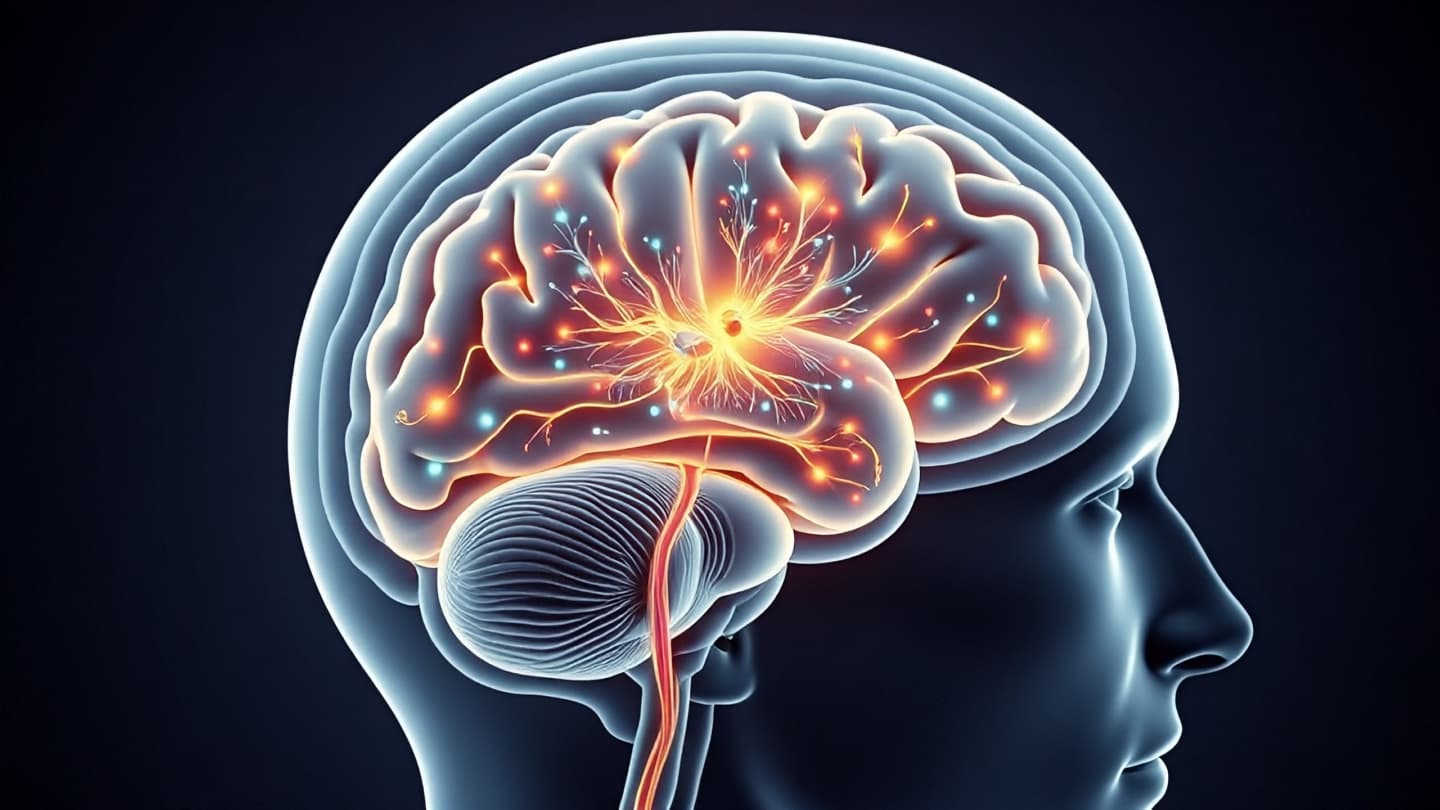
New research suggests dreams may simulate real-life situations, helping the brain process memory and prepare for future experiences.
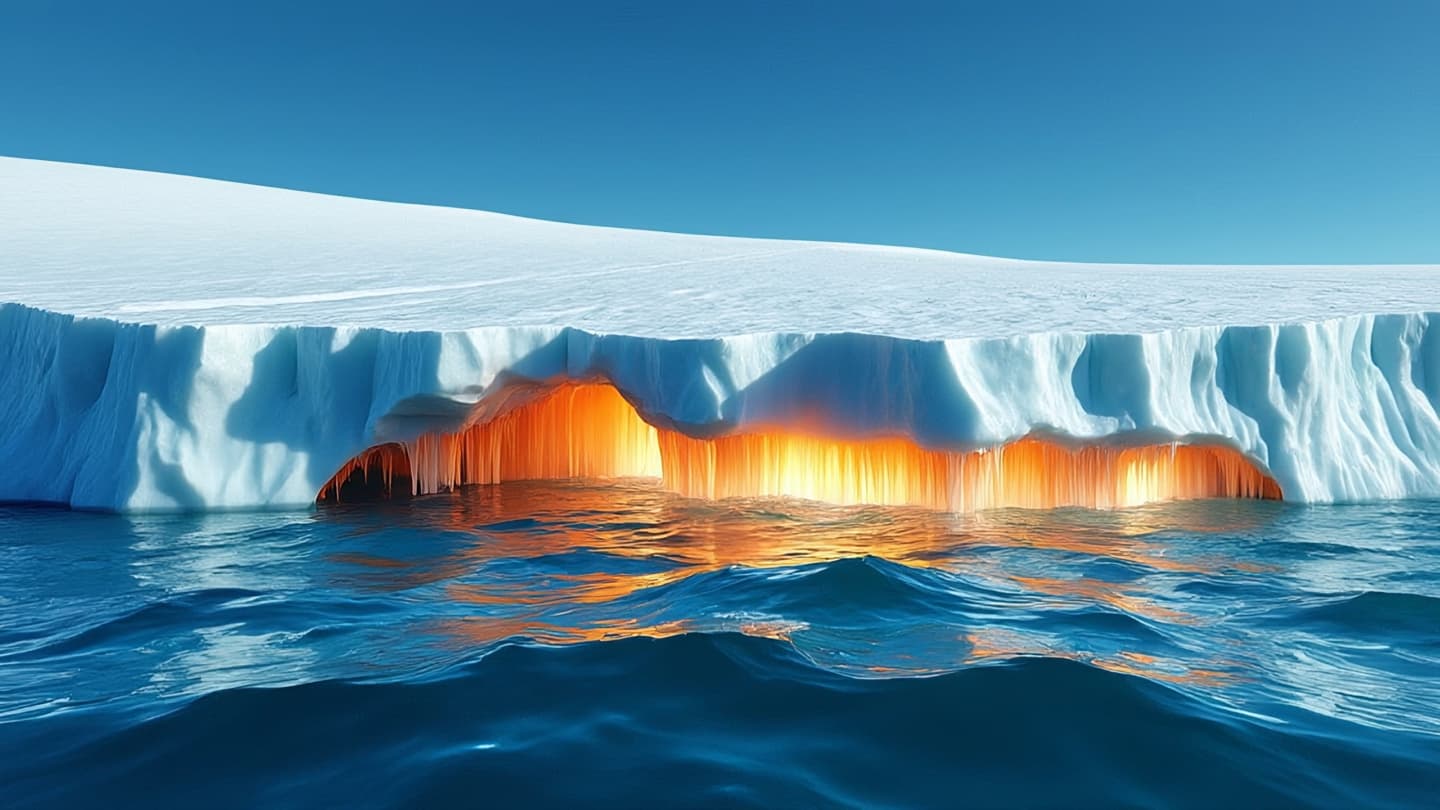
Warm ocean currents are reaching Antarctica’s ice shelves from below, gradually weakening them and contributing to long-term glacier instability.

A forensic toxicology study in Buenos Aires has uncovered a rise in the misuse of synthetic anesthetics, prompting a call for updated public health and emergency response strategies.