SCIENCE87% credibility
Mapping the Universe Brings Distant Forces Slightly Closer
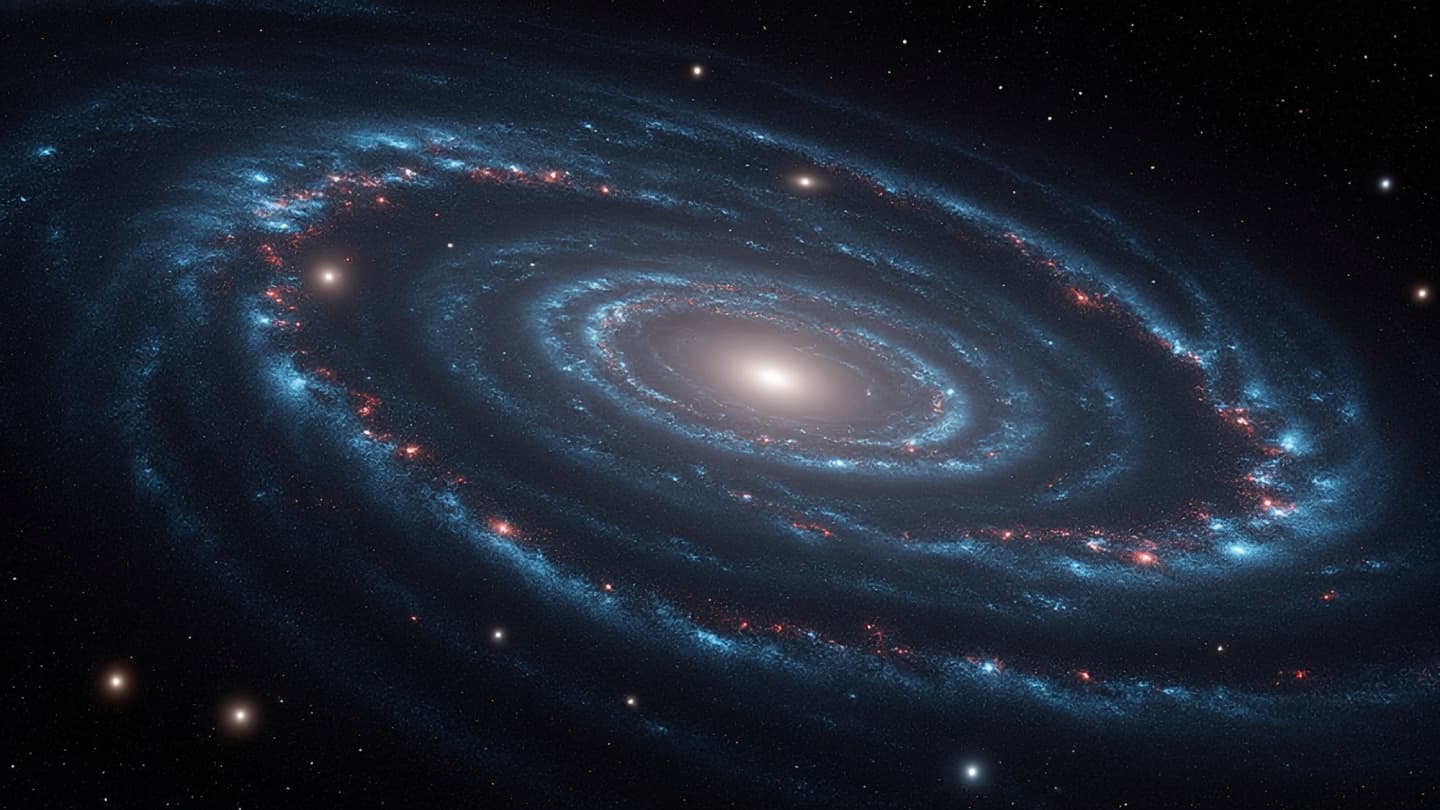
Scientists completed the largest 3D map of the universe, offering new insights into dark energy and cosmic expansion.
1 min read

Scientists completed the largest 3D map of the universe, offering new insights into dark energy and cosmic expansion.
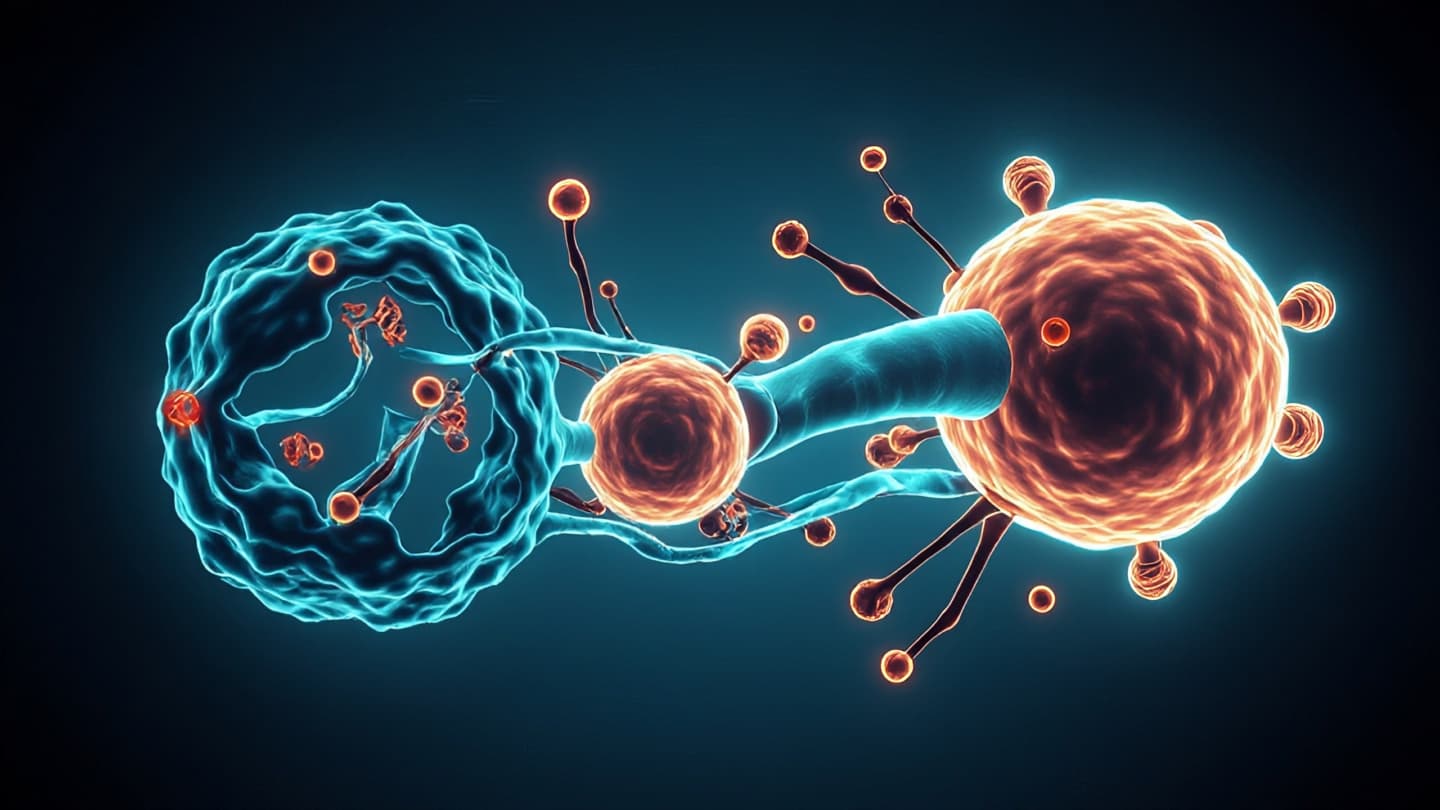
Scientists have created the first 3D visualization of killer T cells attacking cancer, revealing precise immune mechanisms that may improve therapies.
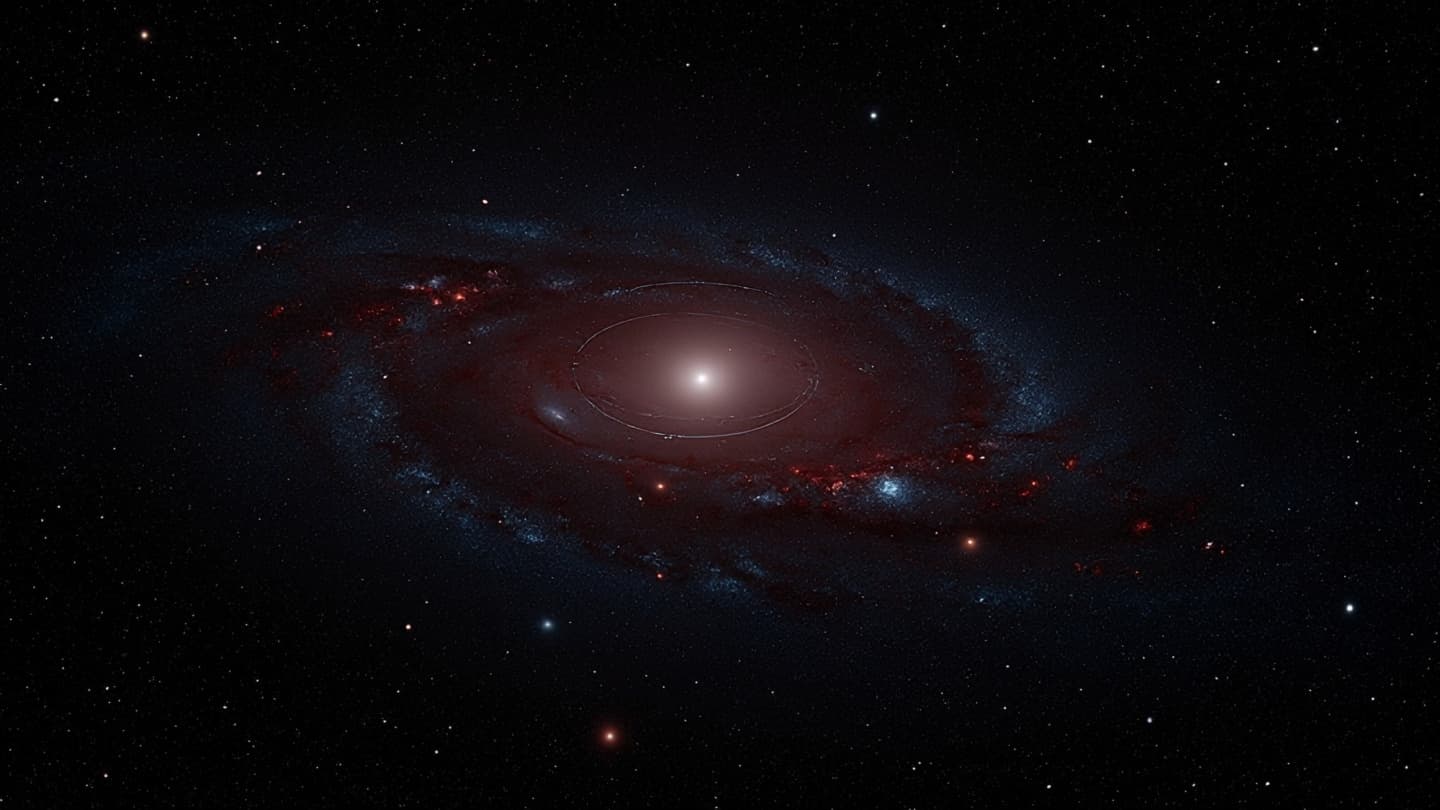
A newly observed “X-ray dot” may help explain mysterious “little red dots,” suggesting some are early galaxies with active black holes.
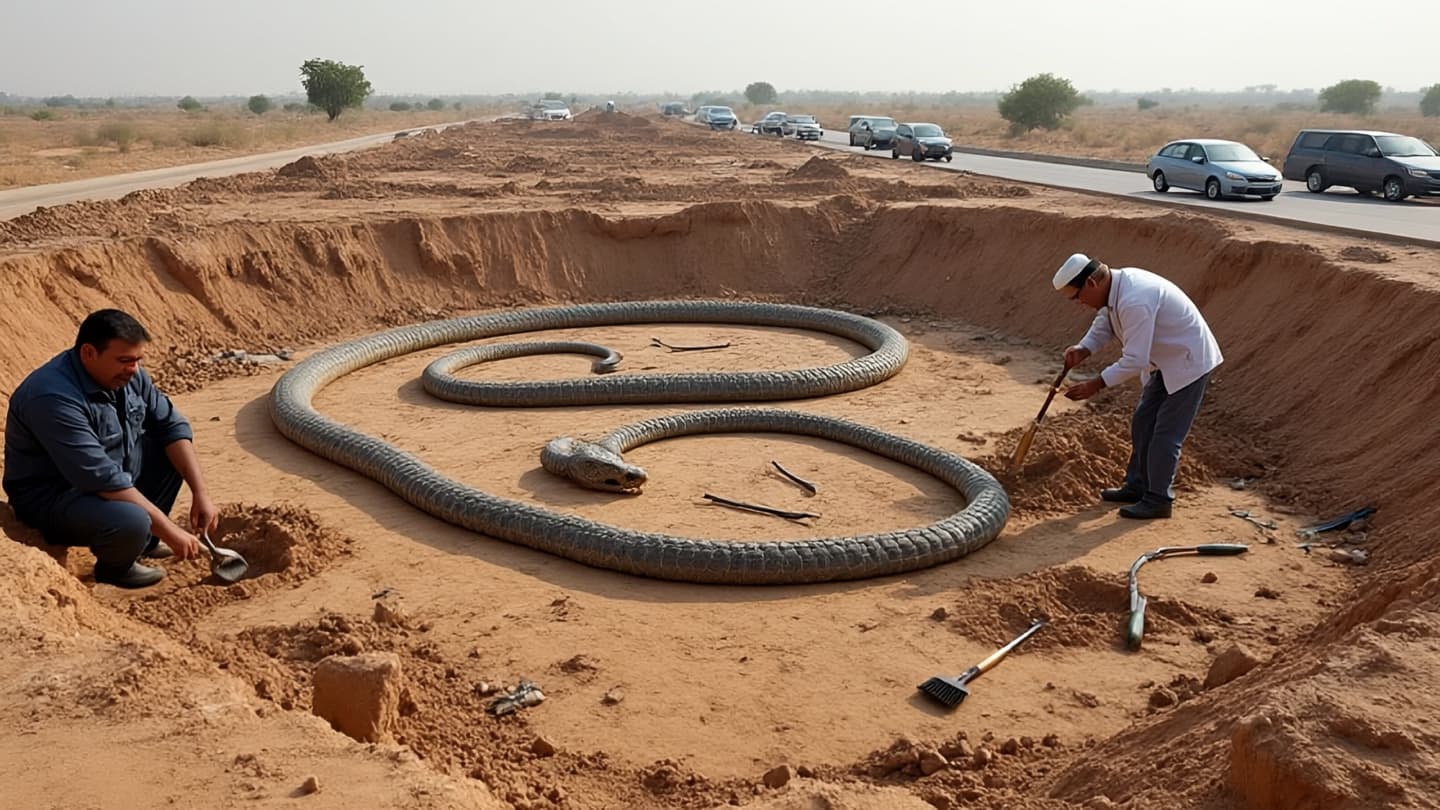
Scientists in India identified Vasuki indicus, a prehistoric snake estimated at up to 50 feet long, potentially placing it among the largest snakes ever discovered.
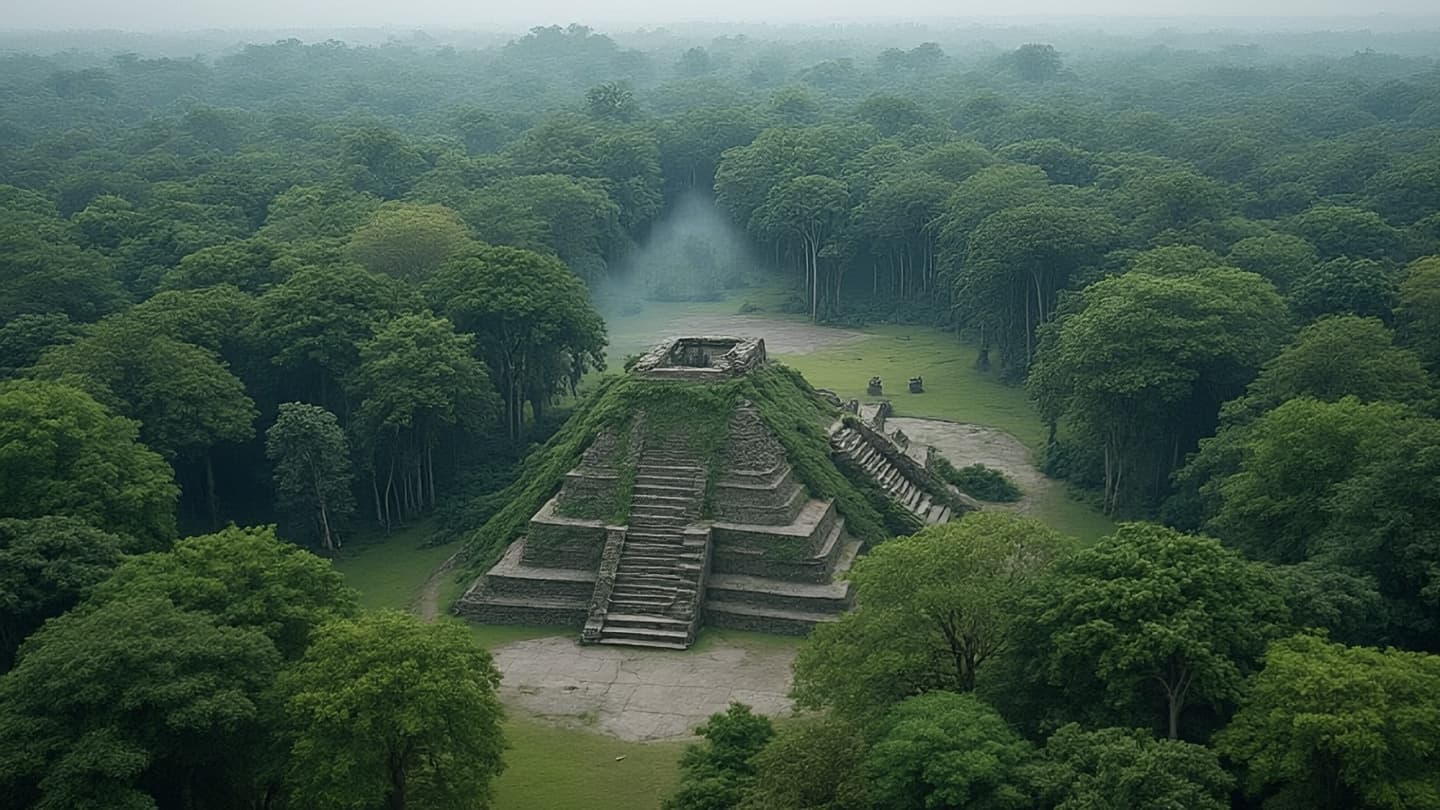
Archeologists in Mexico have used advanced LIDAR technology to uncover thousands of hidden Maya structures, revealing a far more urbanized and complex ancient landscape than previously understood.
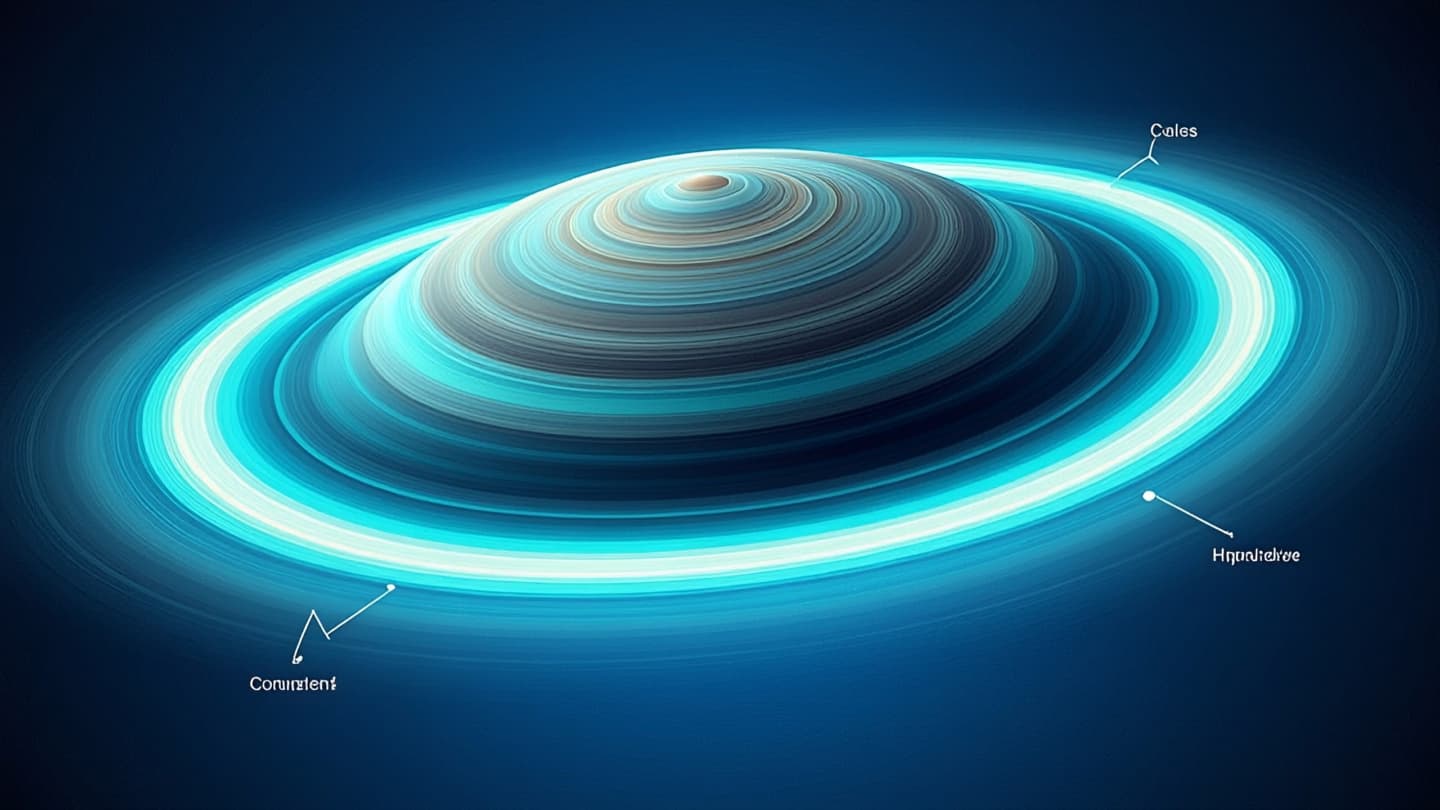
Scientists discover a quasi-1D state of matter inside Uranus and Neptune, offering insights into extreme planetary conditions.
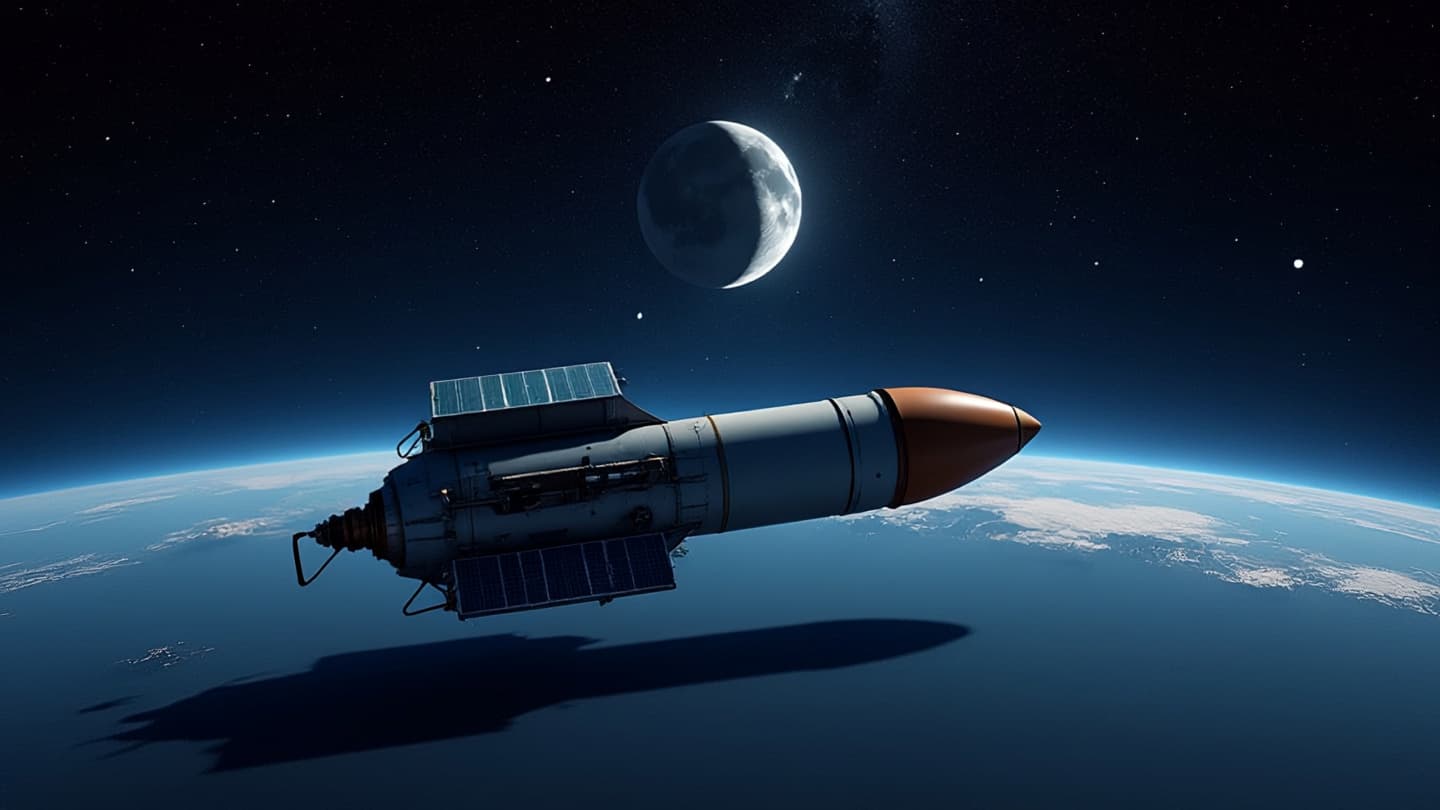
A defunct rocket linked to SpaceX may collide with the Moon, highlighting ongoing challenges in tracking space debris.
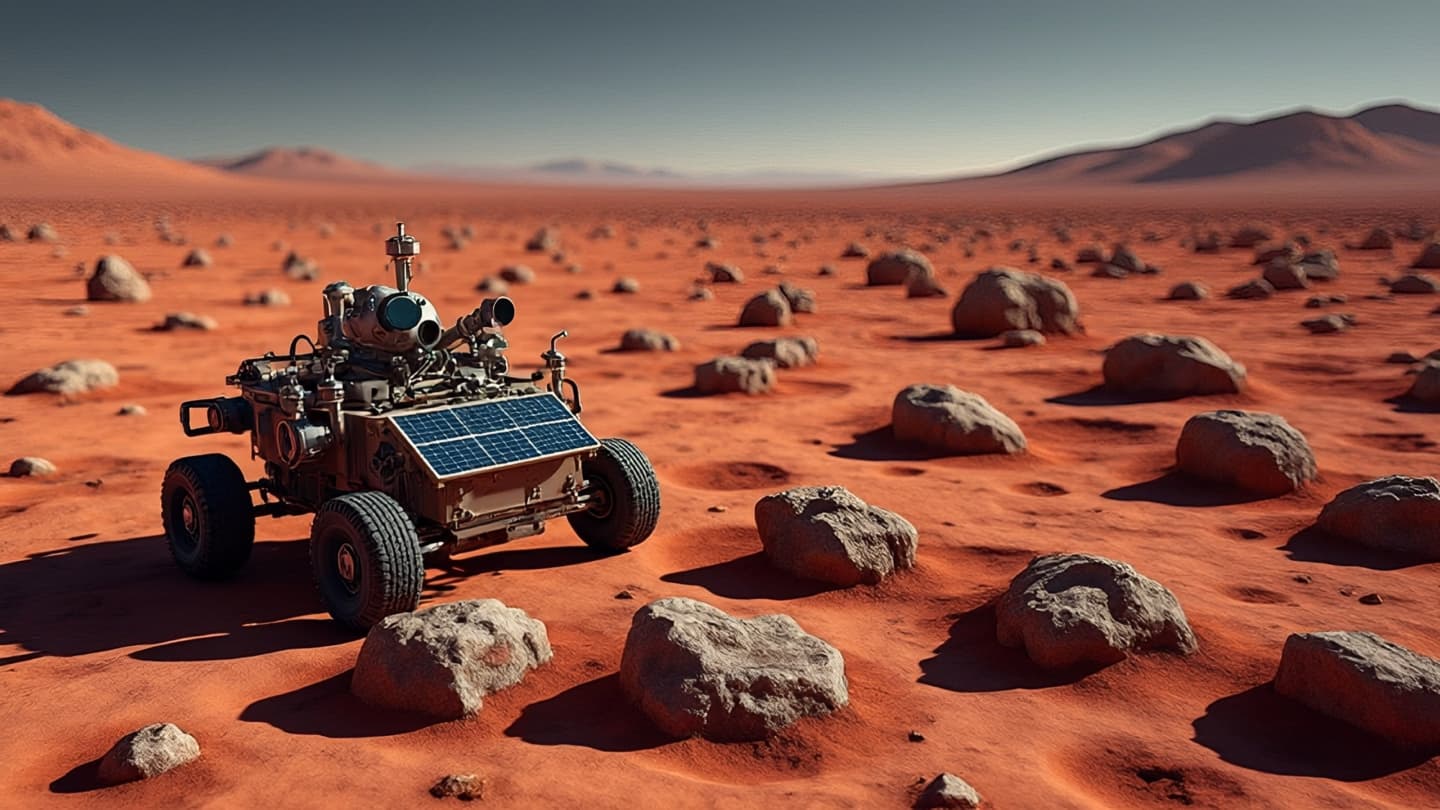
Curiosity rover finds seven new organic molecules on Mars, deepening understanding of the planet’s chemical history.
Scientists uncover coordinated electron behavior that may explain superconductivity and help develop more practical energy systems.
A new study proposes a realistic pathway for hydrogen cyanide formation on early Earth, offering insights into life’s chemical origins.
Scientists study tectonic shifts in the Pacific Northwest, emphasizing gradual geological processes rather than sudden change.
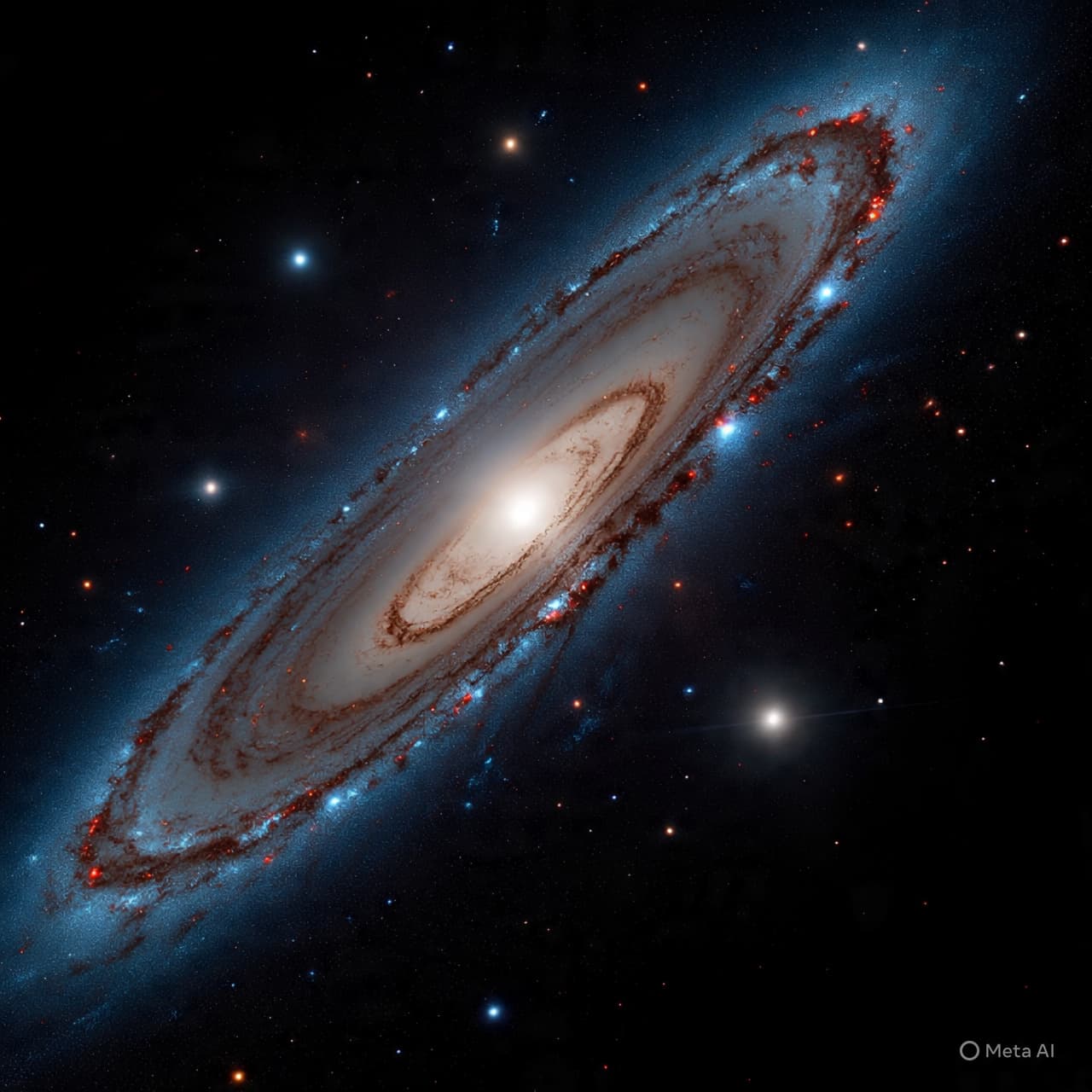
A striking galaxy resembling a sombrero highlights both cosmic beauty and scientific discovery.
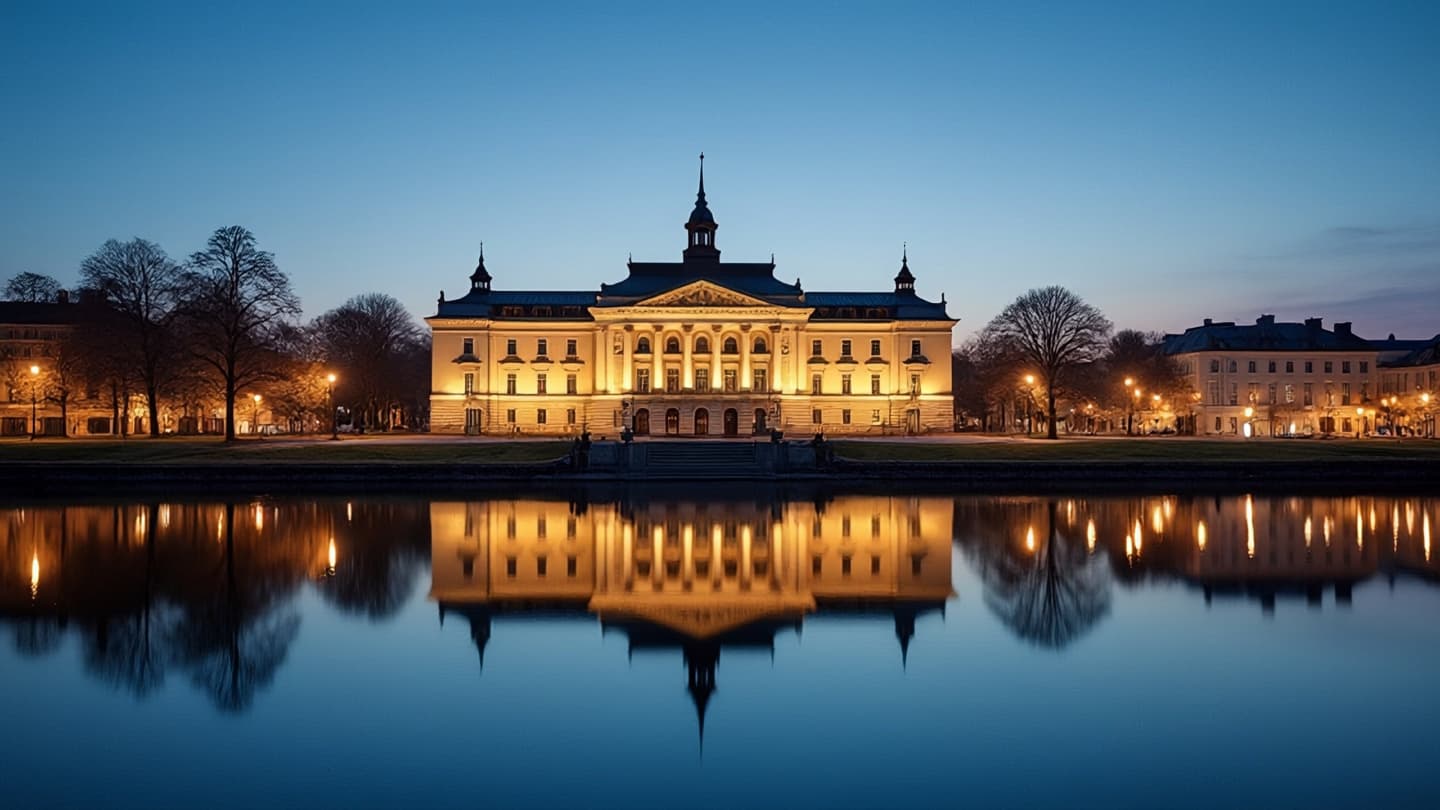
Stockholm University researchers have identified critical environmental stressors causing a decline in Baltic Sea biodiversity, emphasizing the urgent need for targeted marine conservation efforts.
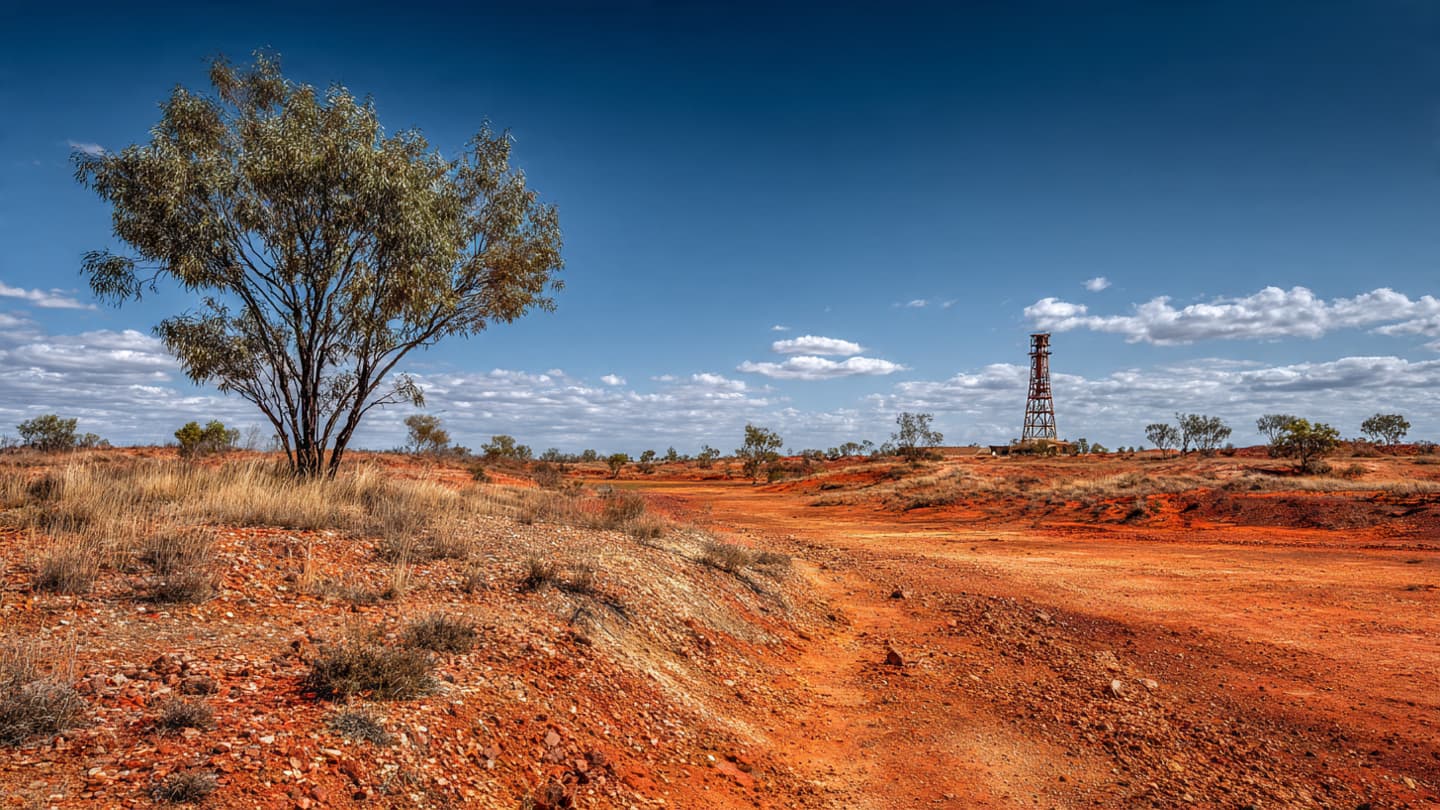
Wiluna Mining receives a substantial fine for safety failures at its Western Australian gold operations, highlighting the critical legal and ethical necessity for safety in Australia’s resource sector.
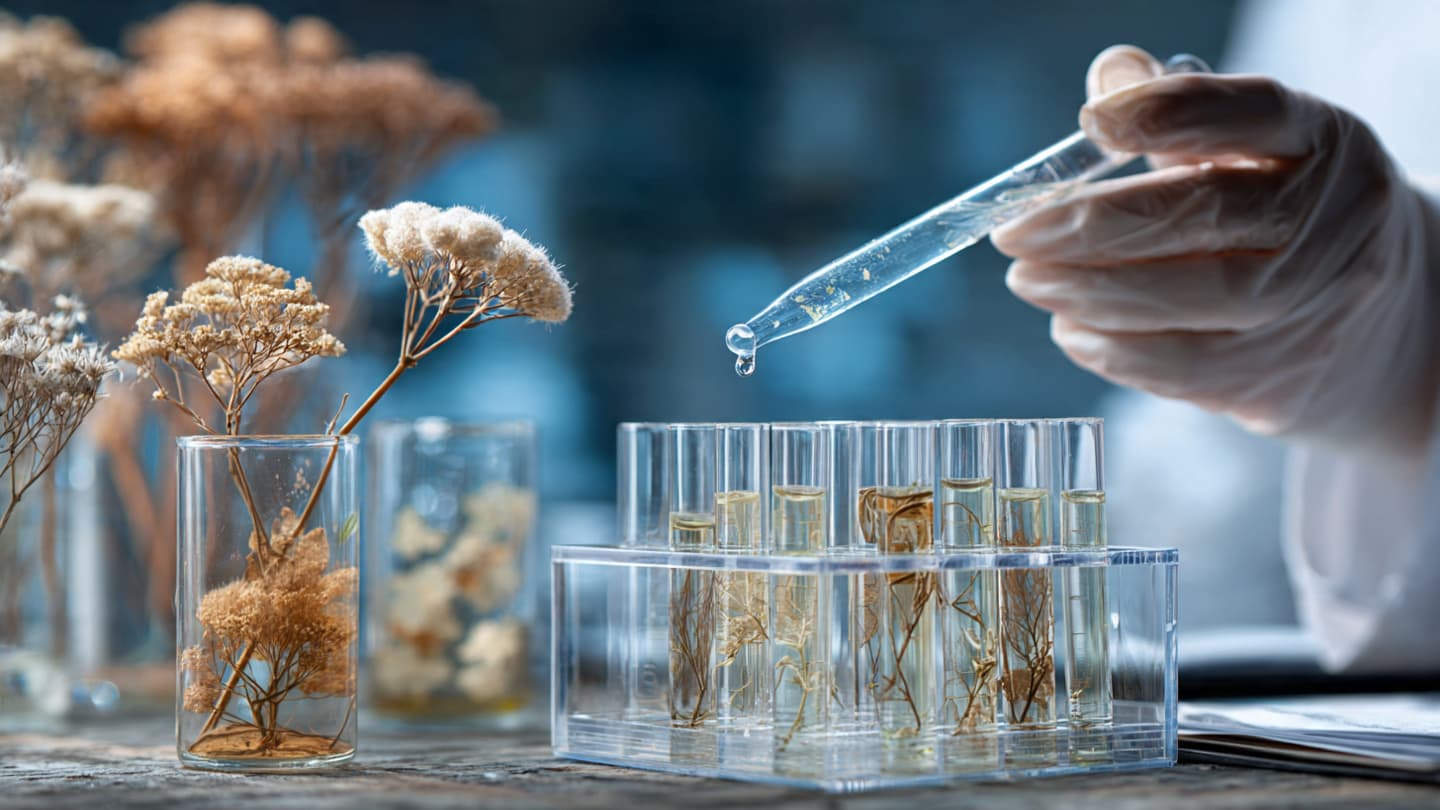
Serbian scientists are mapping the genetic signatures of indigenous Balkan flora to unlock new medicinal treatments, bridging ancient herbal wisdom with modern pharmaceutical innovation.
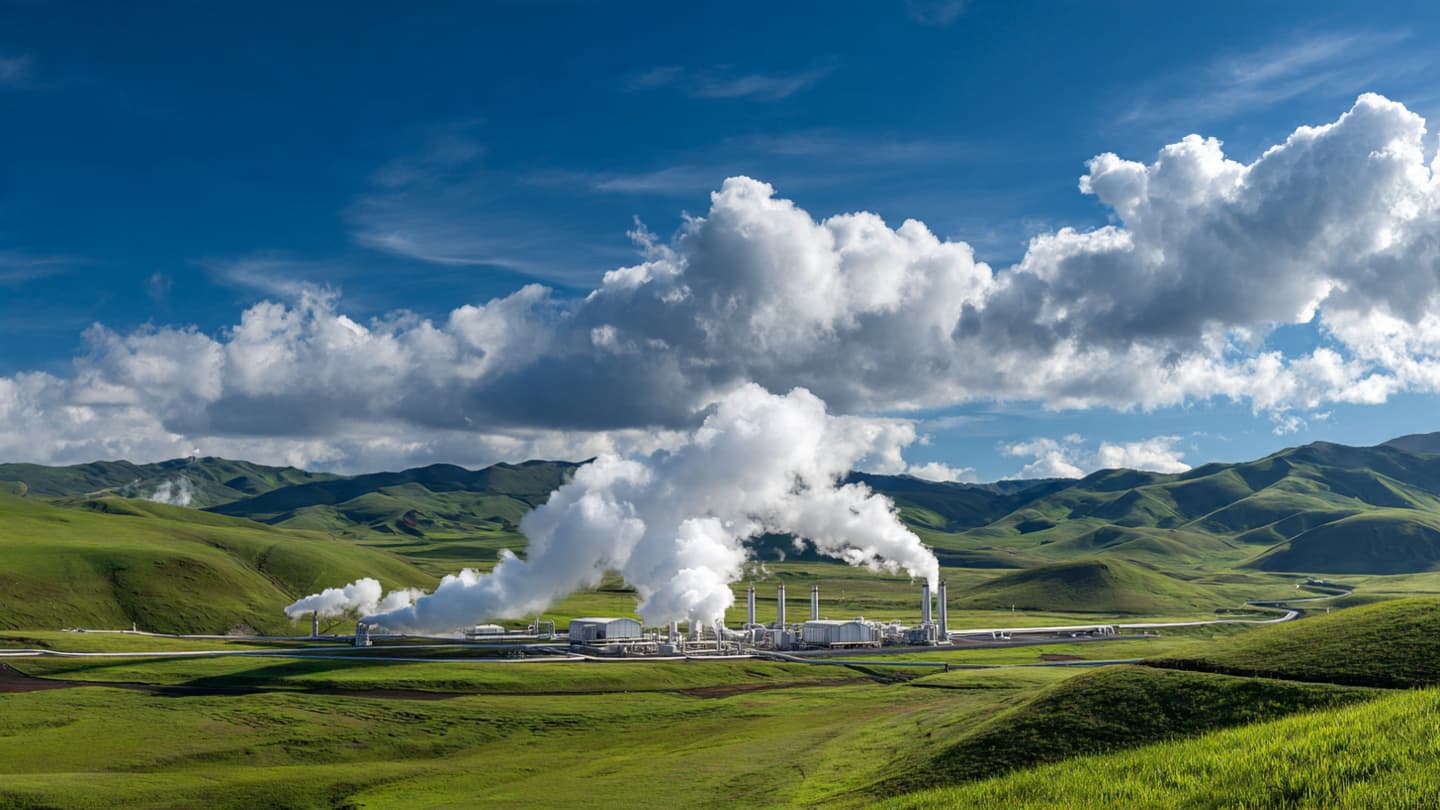
New Zealand researchers have successfully modeled the extraction of "supercritical" deep-earth heat, signaling a massive leap forward in the nation’s geothermal energy capacity and sustainability.
Australian scientists have reached a new depth in the Antarctic ice core project, unearthing million-year-old air bubbles that hold critical data on the Earth’s ancient climate transitions.
Belgrade will host a global summit on green electrochemistry in June 2026, highlighting Serbian breakthroughs in sustainable surface engineering and advanced energy storage materials.
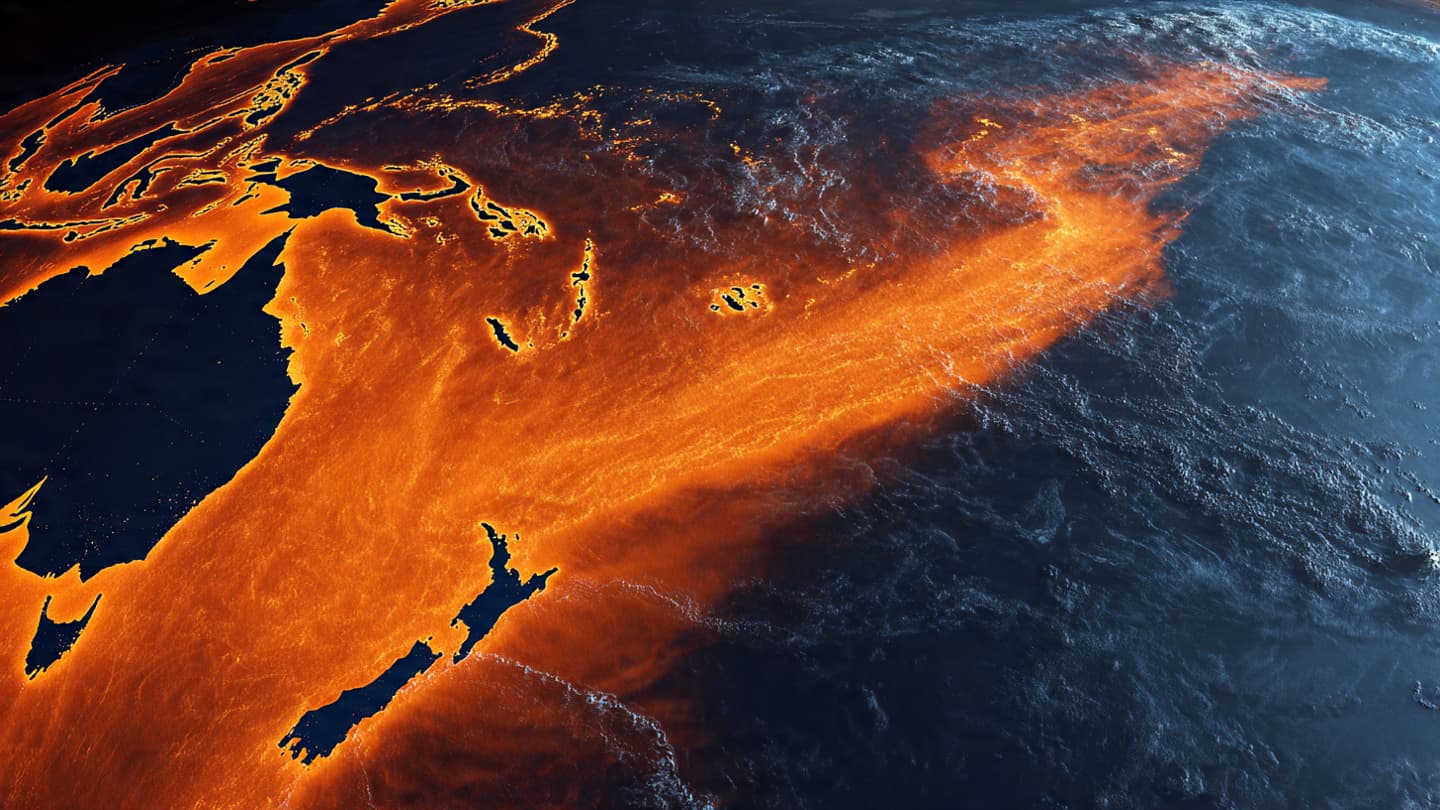
NIWA forecasters are anticipating a formidable El Niño event for the winter of 2026, driven by a rapid rise in Pacific ocean temperatures that will alter rainfall patterns across New Zealand.
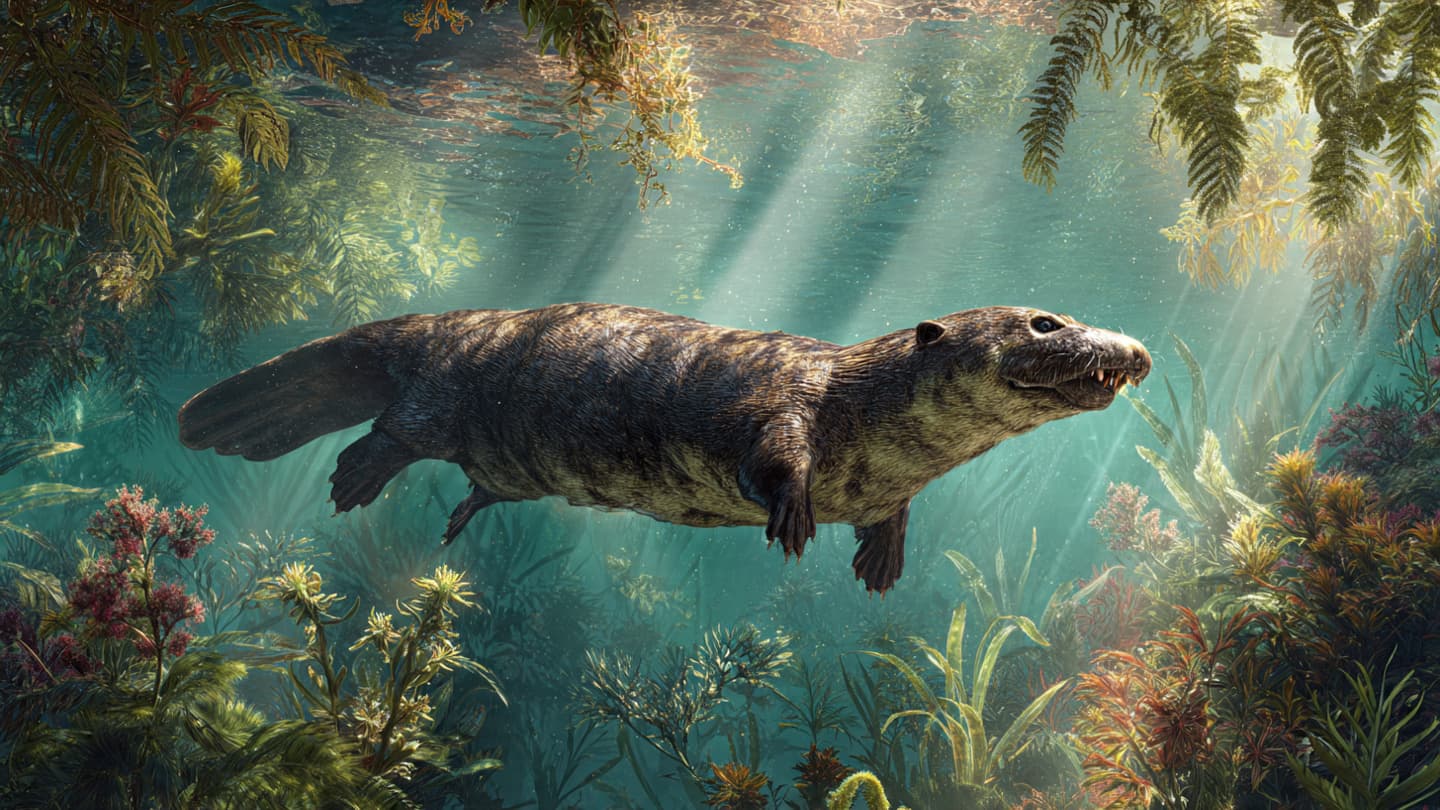
The discovery of a toothed platypus ancestor in South Australia reveals a 25-million-year-old history of aquatic predation in what is now a dry, arid outback.
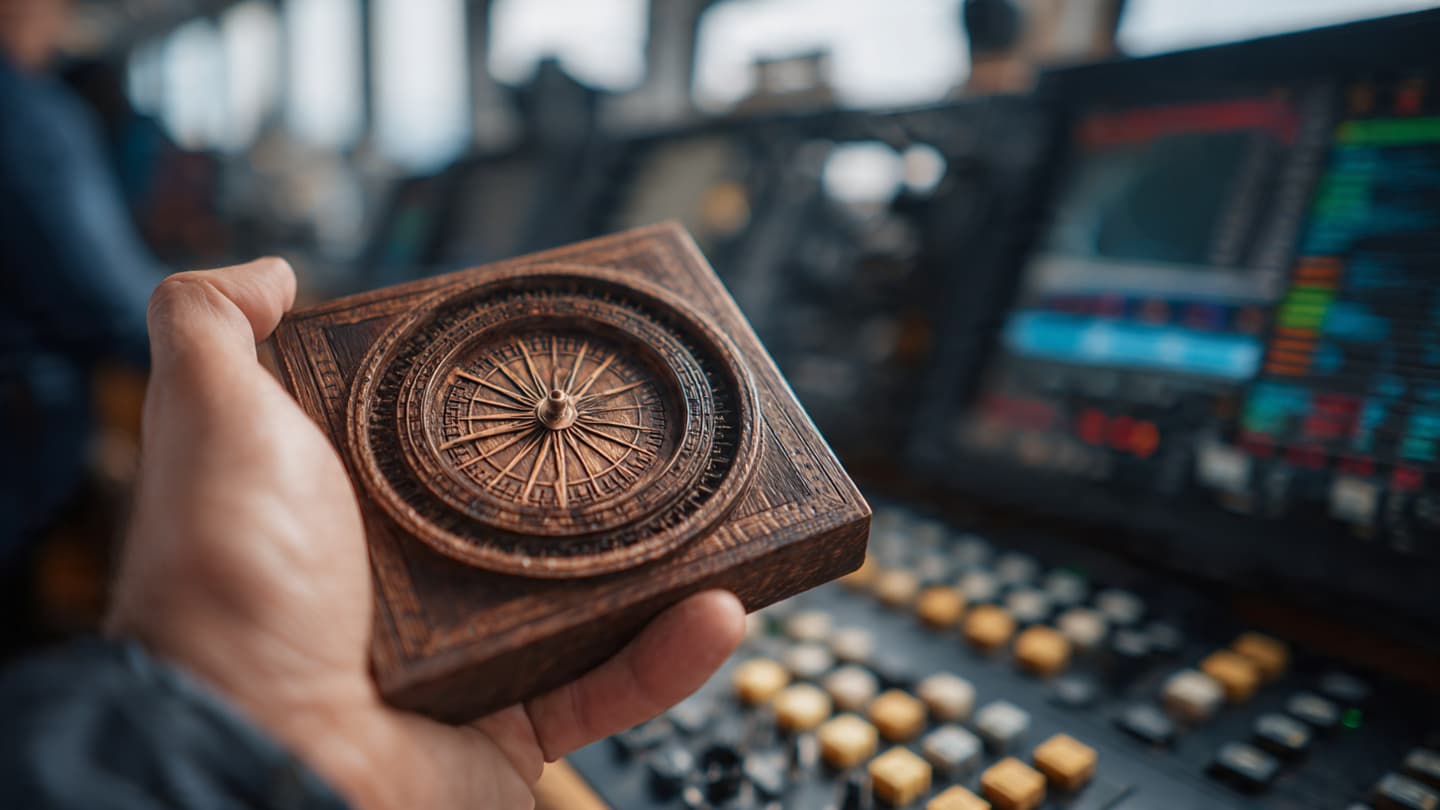
The Āvei Moana expedition is blending traditional indigenous navigation with modern oceanography to track climate impacts on Pacific marine life, fostering a holistic approach to ocean conservation.

Australian researchers have developed a proof-of-concept quantum battery that uses subatomic collective effects to achieve near-instantaneous charging, revolutionizing the future of energy storage.
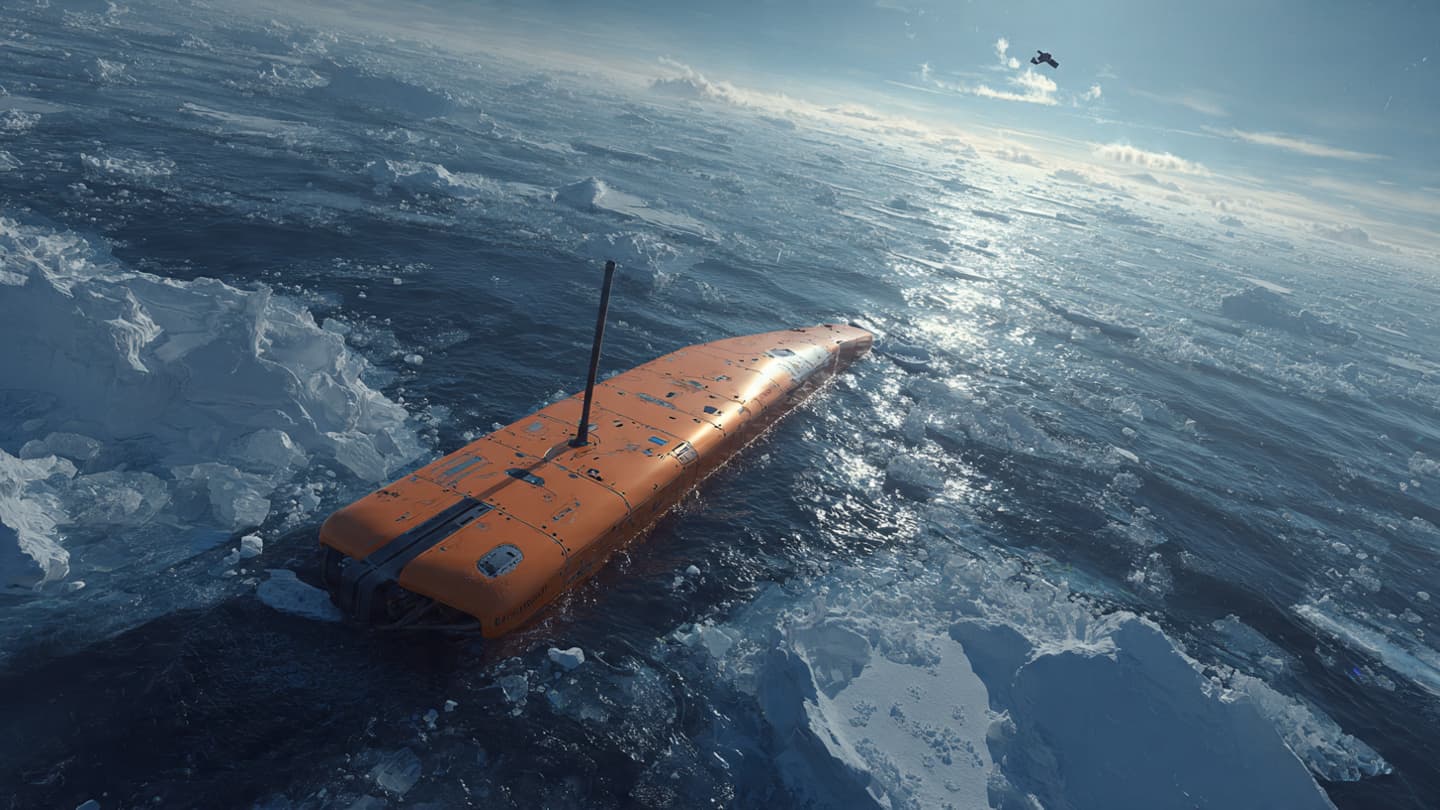
Robotic floats in the Southern Ocean have detected warm deep-sea currents encroaching on Antarctic ice shelves, revealing a hidden driver of polar melt and global sea-level change.
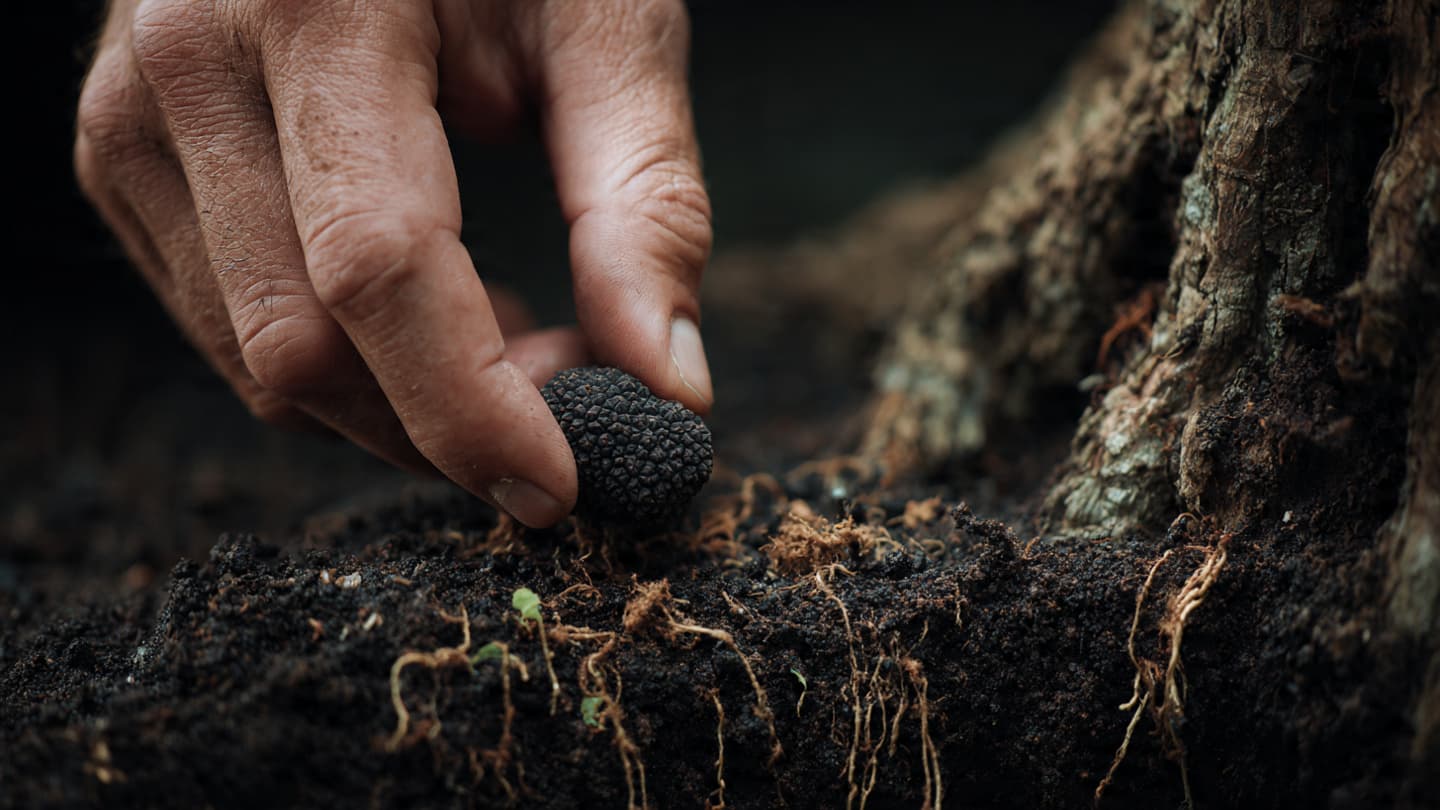
Scientific advancements in soil management and genetic inoculation have propelled Australia to become the world’s fourth-largest producer of high-quality black truffles.