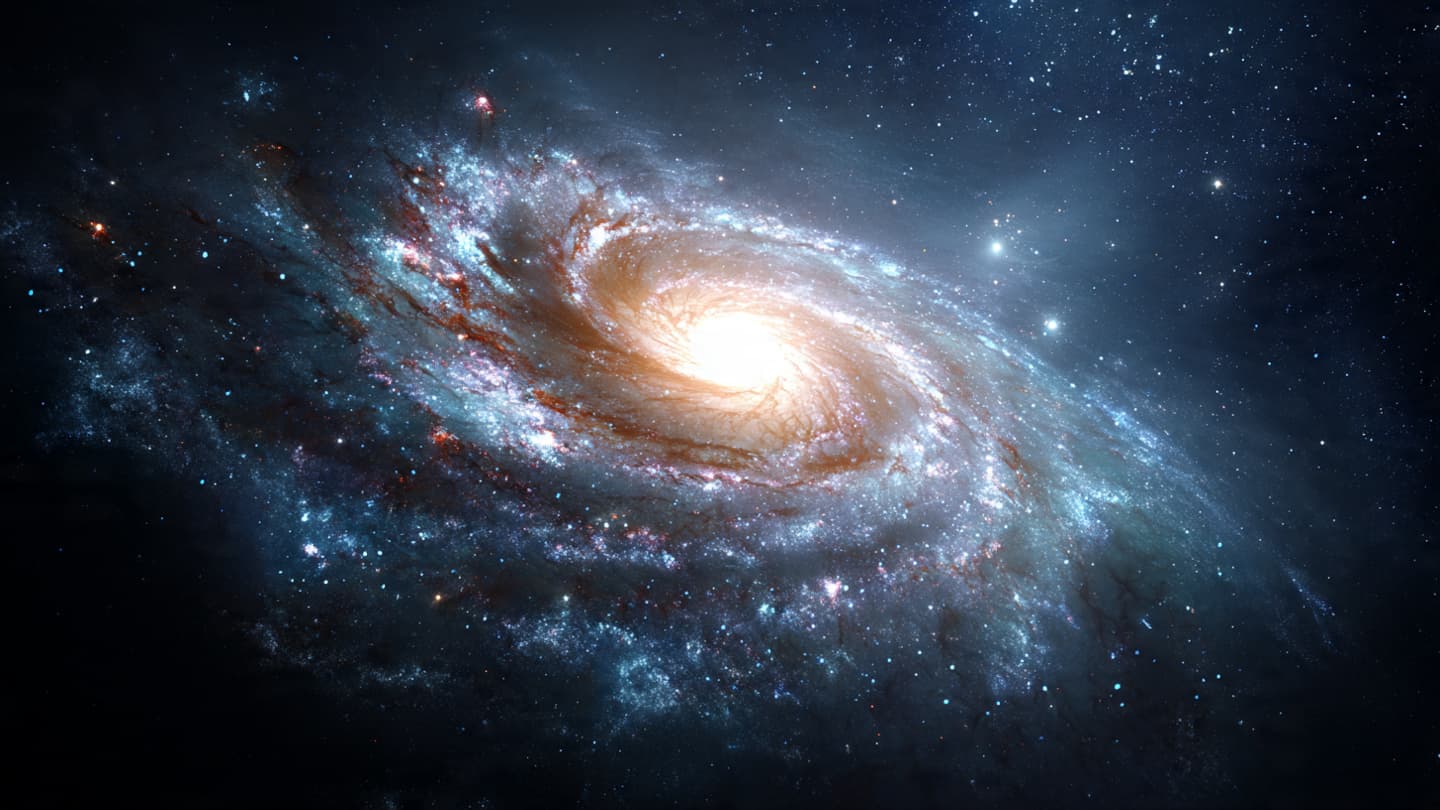
Do Giant Worlds Emerge Like Storms in Space?
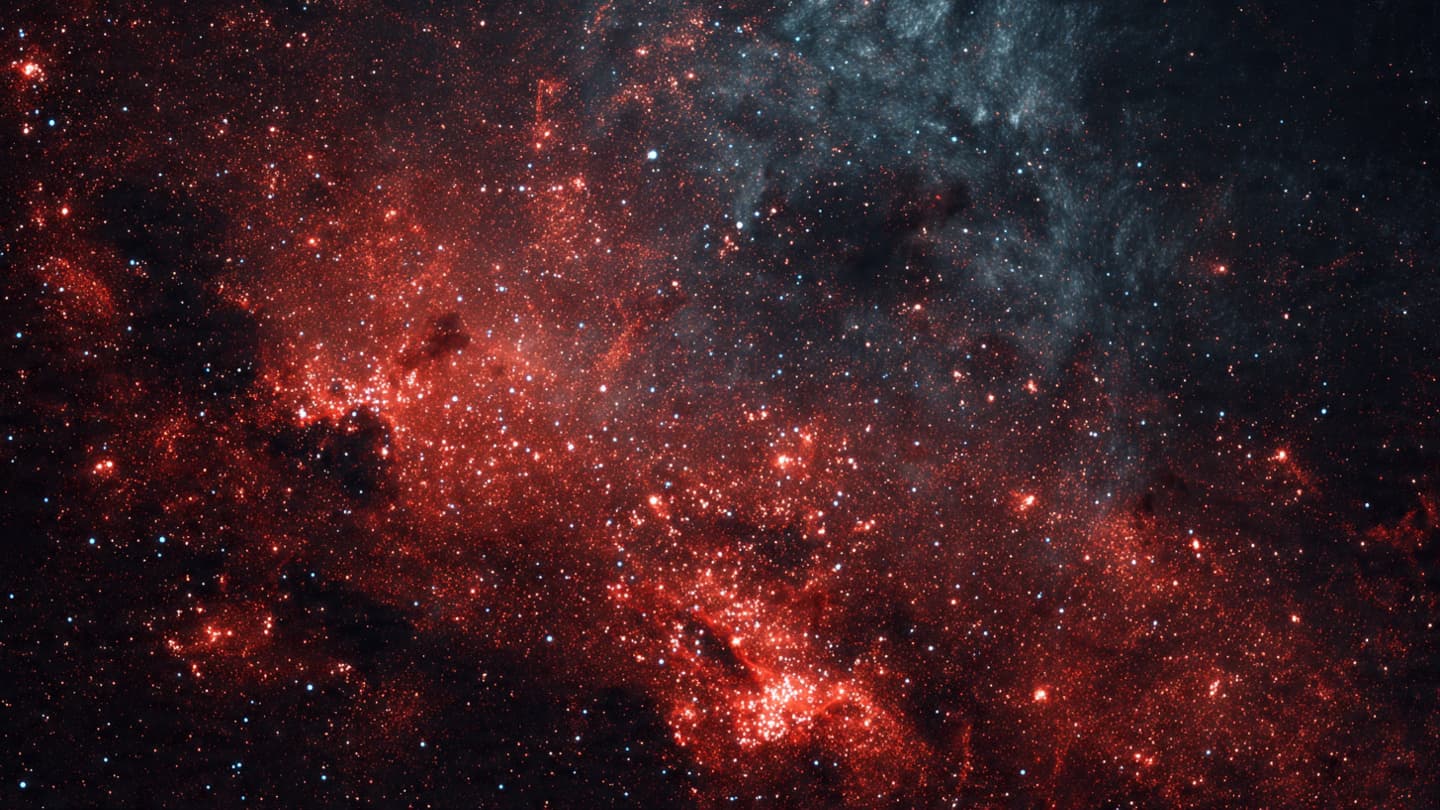
James Webb observations suggest supergiant exoplanets may form through rapid gravitational collapse rather than slow accumulation, offering new insight into planetary formation processes.

James Webb observations suggest supergiant exoplanets may form through rapid gravitational collapse rather than slow accumulation, offering new insight into planetary formation processes.

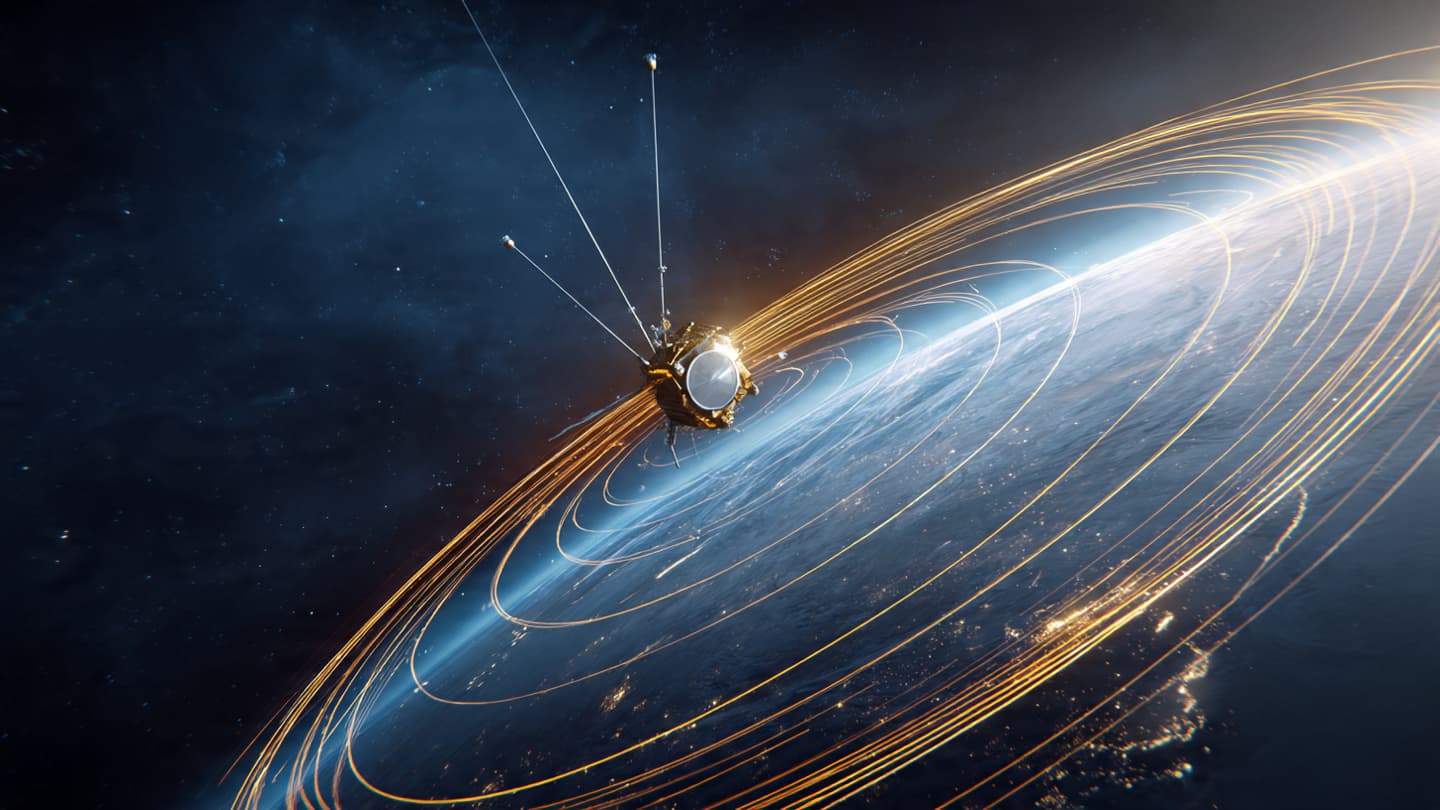
SpaceX launched two Starlink satellite groups within 19 hours, highlighting rapid advancements in space operations while raising questions about orbital congestion and environmental impact.

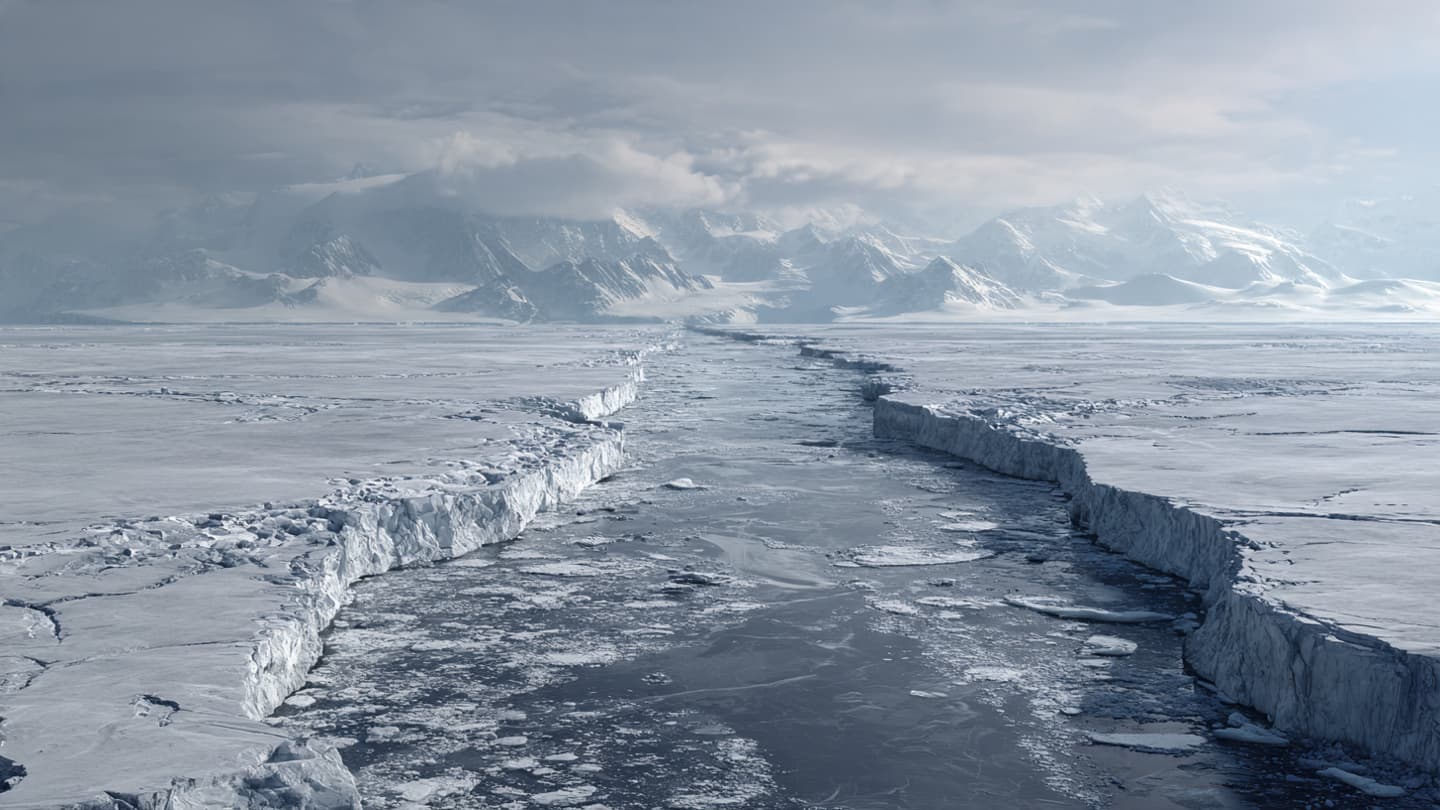
New research suggests the Atlantic ocean current system may be more vulnerable to collapse than previously believed, raising concerns about long-term climate impacts worldwide.

The European Space Agency (ESA) has announced that the Falcon Heavy rocket will launch the Rosalind Franklin rover to Mars in late 2028, marking a significant milestone in the quest to explore the Red Planet for signs of life.

Improving satellite tracking accuracy and collision thresholds can significantly reduce space collision risks, supporting safer and more sustainable orbital operations.

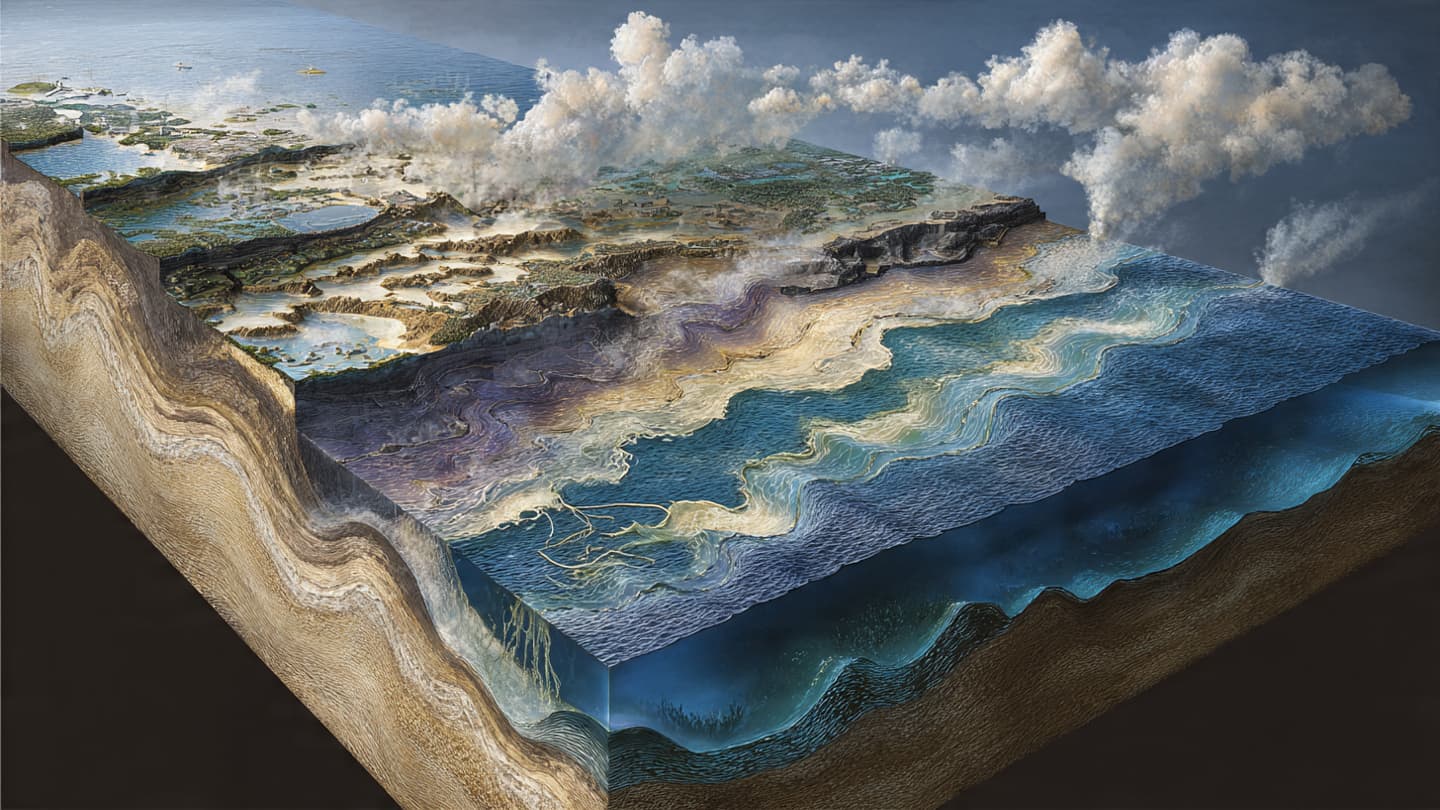
Scientists reveal that Earth’s largest volcanic event reshaped an entire oceanic plate, offering new insights into deep geological processes and their long-term global impacts.

The Lyrid meteor shower begins tonight, offering a chance to see up to 20 meteors per hour under ideal conditions, best viewed after midnight in dark, clear skies.

New research suggests CO₂ emissions from cultivated peat soils may be lower than previously thought, though environmental concerns remain significant.

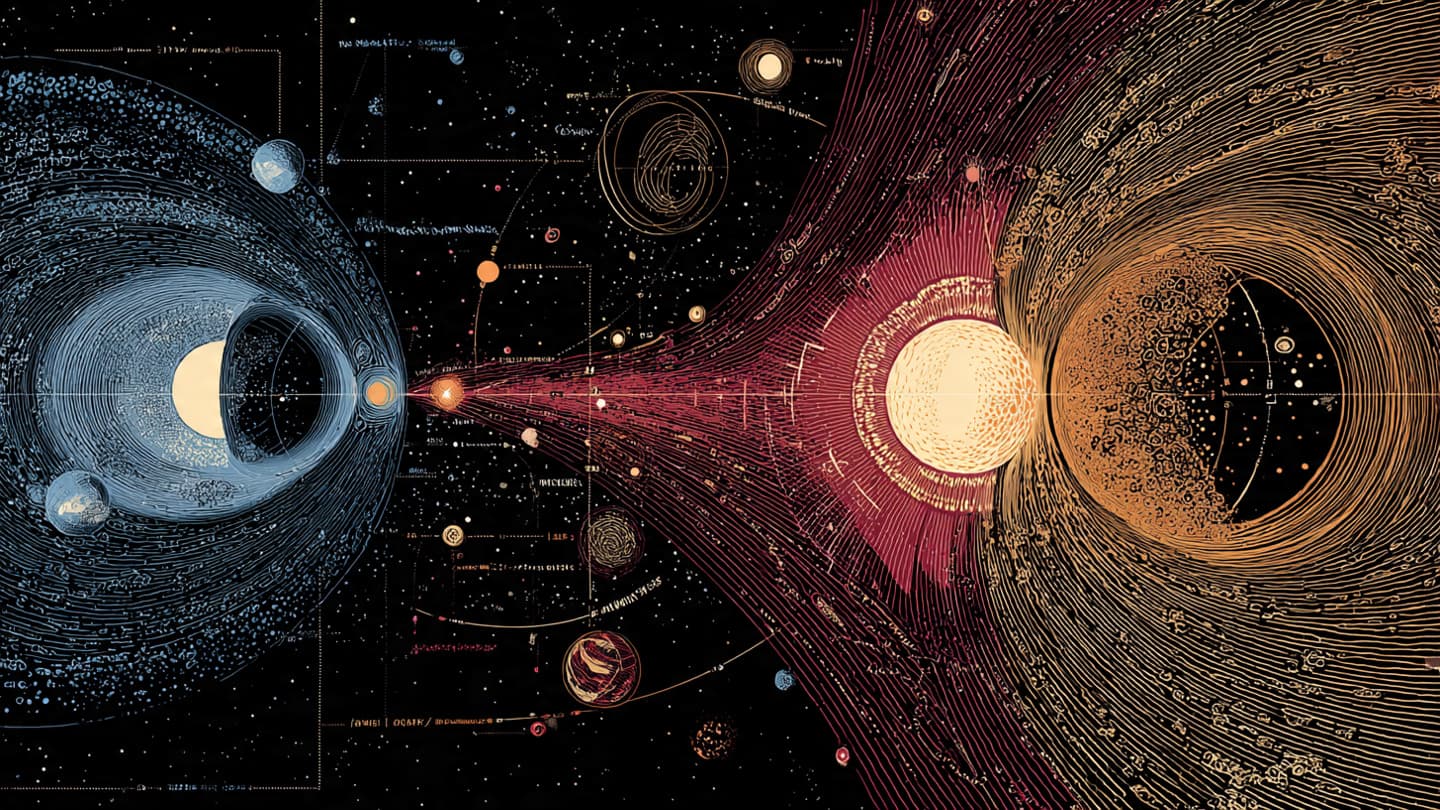
New observations confirm that gravity behaves consistently across cosmic scales, aligning with Newtonian and Einsteinian physics even in distant galaxies and clusters.

New research shows sperm whale communication has structured patterns similar to human language, offering insights into complex non-human communication systems.

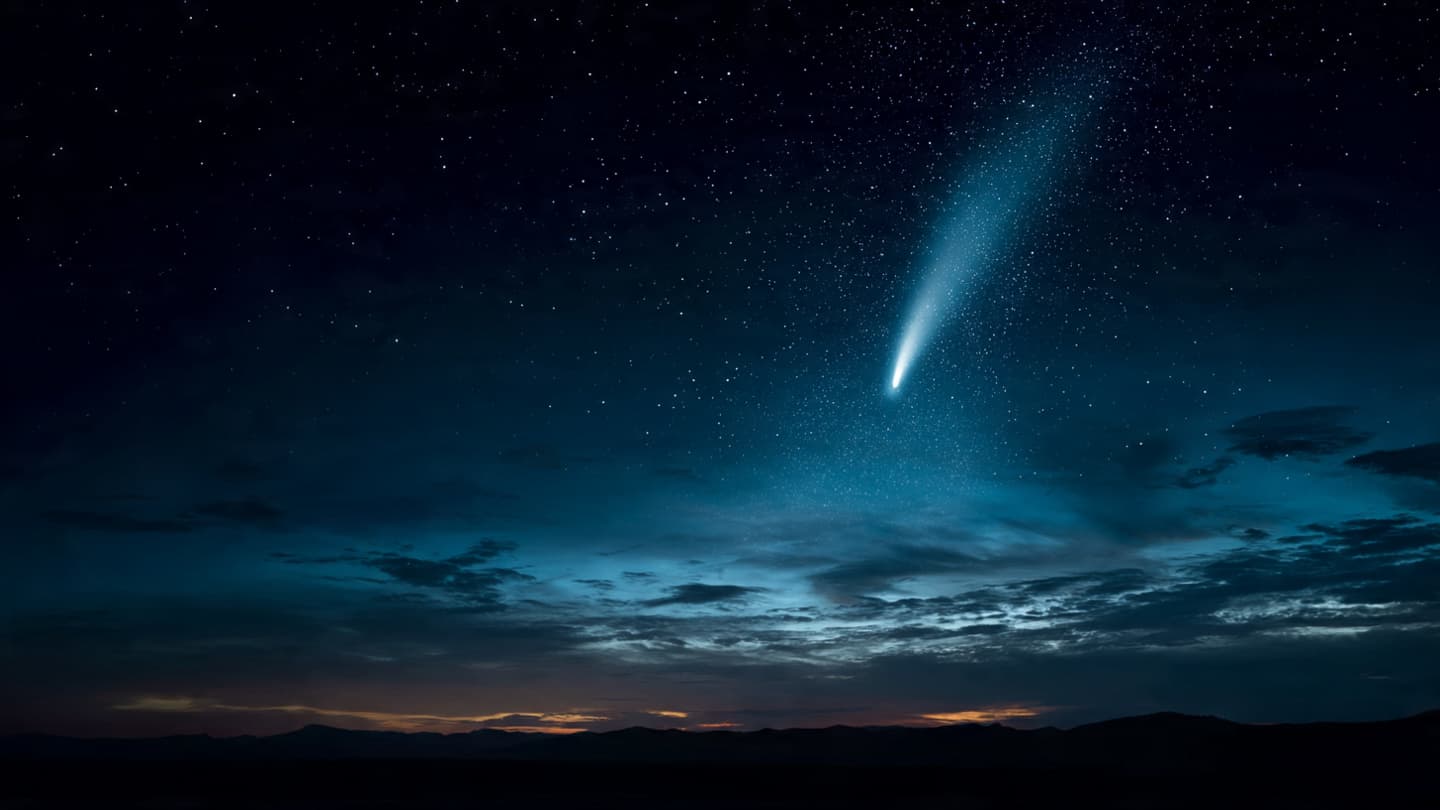
A rare long-period comet, PanSTARRS, passes near Earth this week, offering a once-in-170,000-year viewing opportunity while providing scientists insight into early solar system history.

Physicists observed patterns of darkness moving faster than light, a phenomenon that aligns with relativity because no matter, energy, or information is transmitted.

A newly discovered embryo fossil suggests early mammals may have used diverse reproductive strategies, challenging long-held assumptions about the evolution of birth.

Cygnus XL cargo spacecraft arrives at ISS, delivering vital supplies and research materials, highlighting the role of commercial partnerships in sustaining human space operations.

Webb telescope captures two planet-forming disks with signs of a possible emerging planet, offering new insight into how planetary systems develop.

Scientists propose a Mercury rover that travels along the planet’s terminator line, balancing extreme temperatures while opening new possibilities for planetary exploration.

Scientists discovered a deep-sea creature and invited the public to name it, blending research with global participation while highlighting ocean exploration and conservation.

University of Queensland researchers have developed a surgical sealant inspired by animal venom, which has now gained regulatory approval in Japan for its life-saving healing properties.

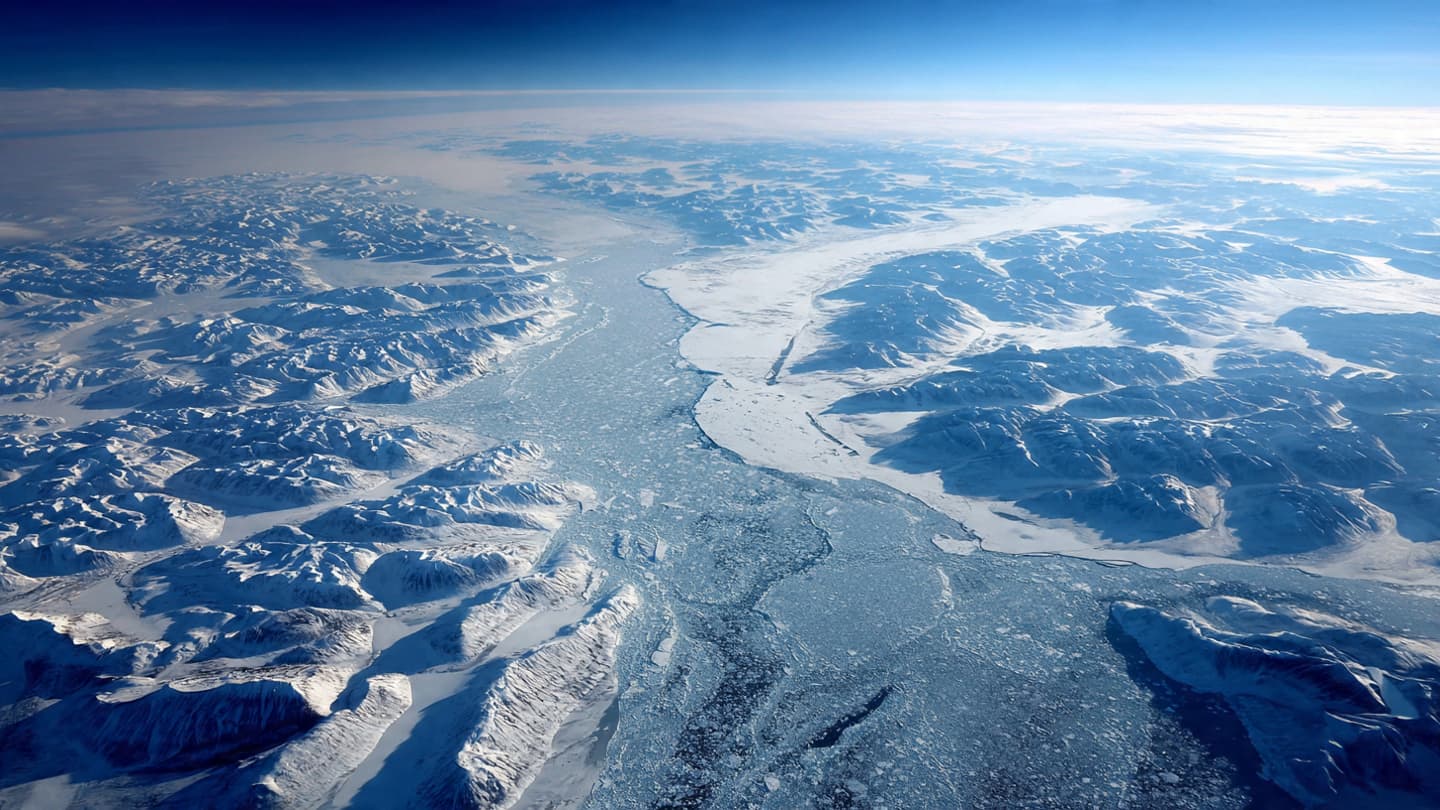
NIWA researchers have discovered that Antarctic Bottom Water is freshening due to ice melt, a shift that could alter global ocean circulation and climate regulation.

University of Belgrade paleontologists have discovered rare Pleistocene mammal fossils in eastern Serbian caves, shedding new light on the Ice Age ecosystems of the Balkans.

The ancient glaciers of Patagonia are receding at record speeds, as Chilean scientists document a landscape in the midst of a profound and rapid transformation

Sydney-based researchers have achieved a world-record stability for silicon qubits, a breakthrough that brings the reality of scalable, high-power quantum computing significantly closer.

On a Chilean mountaintop, the world’s largest eye is beginning to take shape, as the first mirrors of the ELT are installed to capture the secrets of the stars.

New Zealand’s Cawthron Institute is researching mitochondrial efficiency to help King Salmon survive warming ocean temperatures, ensuring the future of the nation’s aquaculture.