Ripple Expands Institutional Payment Infrastructure Through Global Partnerships
Ripple is expanding institutional payment partnerships as blockchain settlement, tokenization and regulated digital finance continue gaining momentum.

Ripple is expanding institutional payment partnerships as blockchain settlement, tokenization and regulated digital finance continue gaining momentum.

BlackRock says tokenization is modernizing capital markets by improving settlement, transparency and efficiency across traditional financial assets.

JPMorgan says tokenized bank deposits could become essential infrastructure, combining regulated banking with blockchain-based settlement efficiency.

The Bank of England continues developing digital ledger infrastructure to modernize wholesale financial settlement and support tokenized markets.

The SEC delayed its decision on a spot Solana ETF, extending regulatory review while institutions continue awaiting broader crypto investment products.

Trump is expected to meet senators to address CLARITY Act ethics provisions as lawmakers work toward clearer U.S. cryptocurrency regulations.

Circle minted another 500 million USDC on Solana, increasing blockchain liquidity and supporting growing institutional demand for digital dollar payments and DeFi.

Asian markets continue leading blockchain innovation through tokenization, digital payments and modern financial infrastructure initiatives.

Ripple will invest $250,000 in 25 veteran- and military spouse-owned businesses, providing $10,000 grants plus mentorship and employer support.

Analysts say stable Gulf shipping and a reopened Strait of Hormuz are critical to restoring oil supplies, easing prices and supporting global economic growth.

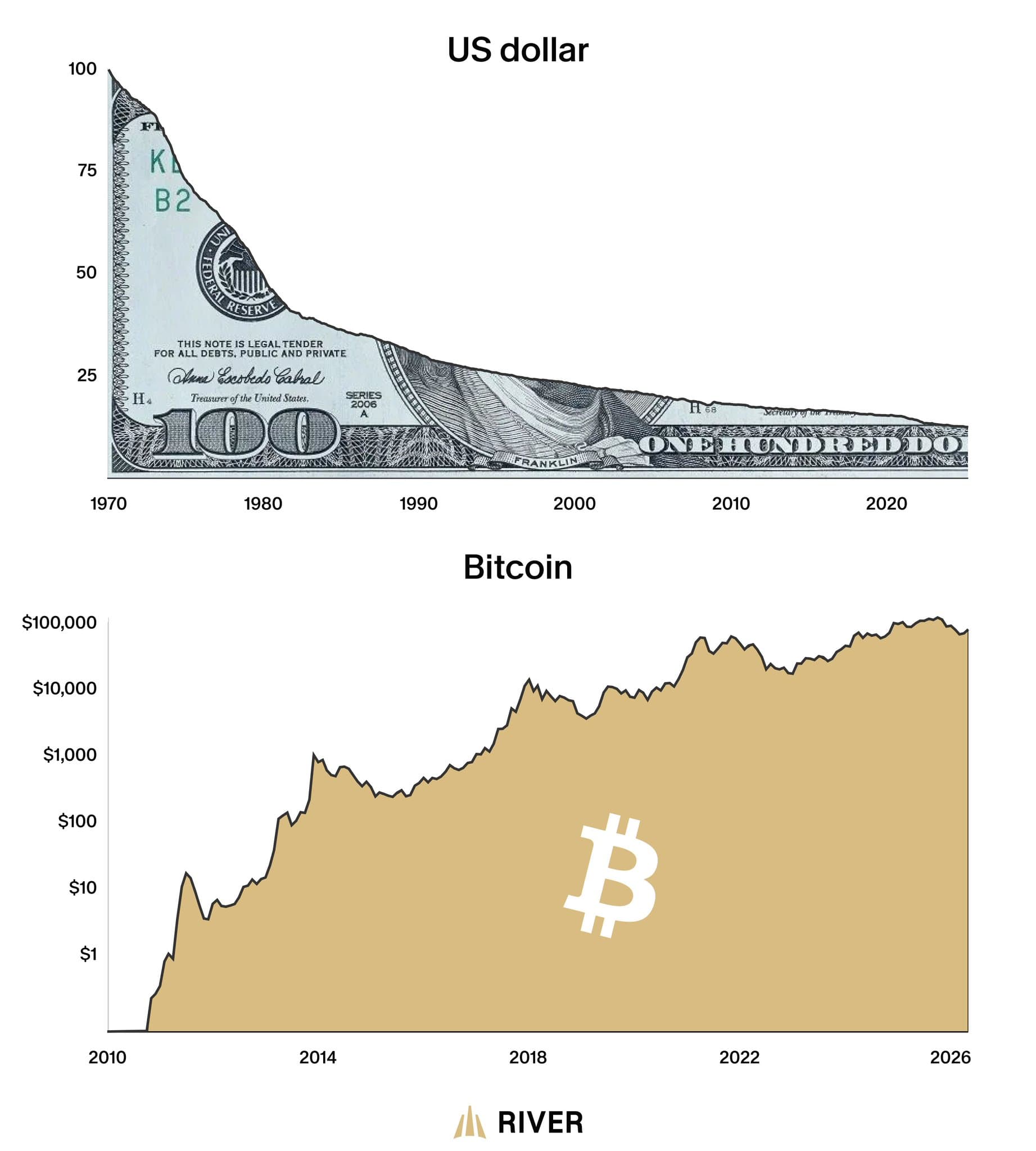
More public companies are adding Bitcoin to corporate treasuries as institutional adoption and regulated digital asset infrastructure continue expanding.

BlackRock is expanding tokenization initiatives, betting blockchain will modernize traditional financial markets and improve investment efficiency.

Fed Chair Kevin Warsh said crypto and stablecoin markets should not expect automatic Federal Reserve bailouts during periods of financial stress.

Morgan Stanley filed for spot Ethereum and Solana ETFs, signaling expanding institutional interest in regulated cryptocurrency investment products.

Bitcoin ownership is diversifying as businesses, ETFs and governments expand holdings, while individuals still control most of the cryptocurrency's supply.

Stablecoins are gaining institutional adoption as banks embrace blockchain payments, tokenization and faster digital settlement systems.

The UK and Switzerland will allow many professionals to work visa-free for up to 90 days annually, boosting cross-border services trade.

Individuals hold 66.1% of Bitcoin, while businesses own 7.8% and ETFs 7.2%, showing retail investors still dominate Bitcoin ownership.

The UK Treasury and 54 financial firms are advancing tokenization to modernize capital markets with faster settlement and blockchain infrastructure.

Supporters say the CLARITY Act would give US crypto markets clear rules, boost innovation and encourage broader institutional blockchain adoption.

Tetra Digital launched CADD on HydrexFi's Base network, expanding Canadian dollar stablecoin liquidity and improving onchain access for DeFi users.

The ECB says the digital euro will support offline payments, strengthen Europe's payment resilience and modernize public money alongside cash.

Bitmine now holds 5.77 million ETH, about 4.8% of Ethereum's supply, as corporate treasury adoption expands beyond Bitcoin into Ethereum.

Arthur Hayes says crypto investment will continue with or without the CLARITY Act, arguing profits matter more than regulatory certainty.