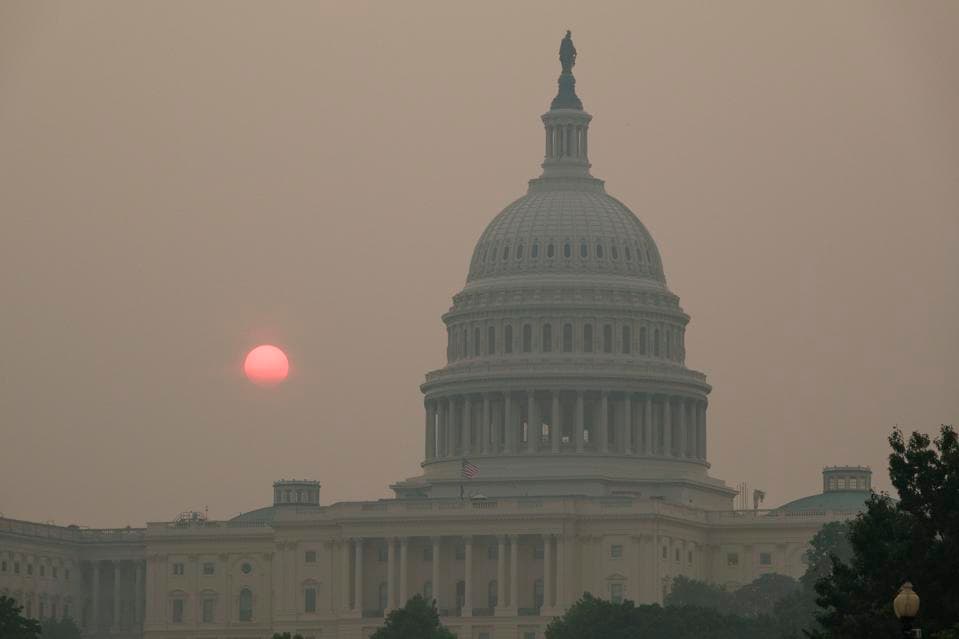
President Donald Trump has reignited trade tensions with Canada after threatening new tariffs tied to the country's ongoing wildfire crisis. The comments come as smoke from massive Canadian wildfires continues to affect air quality across parts of the United States, raising concerns among businesses, policymakers, and residents dealing with recurring environmental disruptions. Trump argued that the economic and public health consequences of the fires are extending far beyond Canada's borders and suggested that trade measures could be used to pressure Ottawa into strengthening wildfire prevention and response efforts. While no formal tariff proposal has been released, the remarks immediately drew attention because of the importance of the U.S.-Canada economic relationship, one of the largest bilateral trading partnerships in the world. Canada is battling another severe wildfire season, with large blazes spreading across multiple provinces. Firefighters have been stretched across vast regions as authorities attempt to contain outbreaks fueled by dry conditions, high temperatures, and strong winds. The fires have forced evacuations, disrupted transportation routes, and generated smoke that has traveled hundreds of miles into major American population centers. The possibility of tariffs introduces a new layer of uncertainty for industries that depend on integrated North American supply chains. Manufacturing, energy, agriculture, and transportation companies could all be affected if trade restrictions are implemented. Economists note that tariffs often increase costs for businesses and consumers while disrupting established commercial relationships. Political analysts also view the comments as part of a broader debate about accountability for environmental events that increasingly have international consequences. Wildfires, droughts, and extreme weather events are becoming larger economic issues, forcing governments to consider how cross-border impacts should be addressed. The discussion is likely to intensify as climate-related disasters continue affecting multiple countries simultaneously. Canadian officials have not announced any response measures, but market participants are closely watching developments for signs that the rhetoric could evolve into actual trade policy. Investors generally prefer stability in North American trade relations, making any potential escalation a significant issue for financial markets.
Published by Banx Network. This article is part of the Banx decentralized media programme, powered by the BXE token on the XRP Ledger.