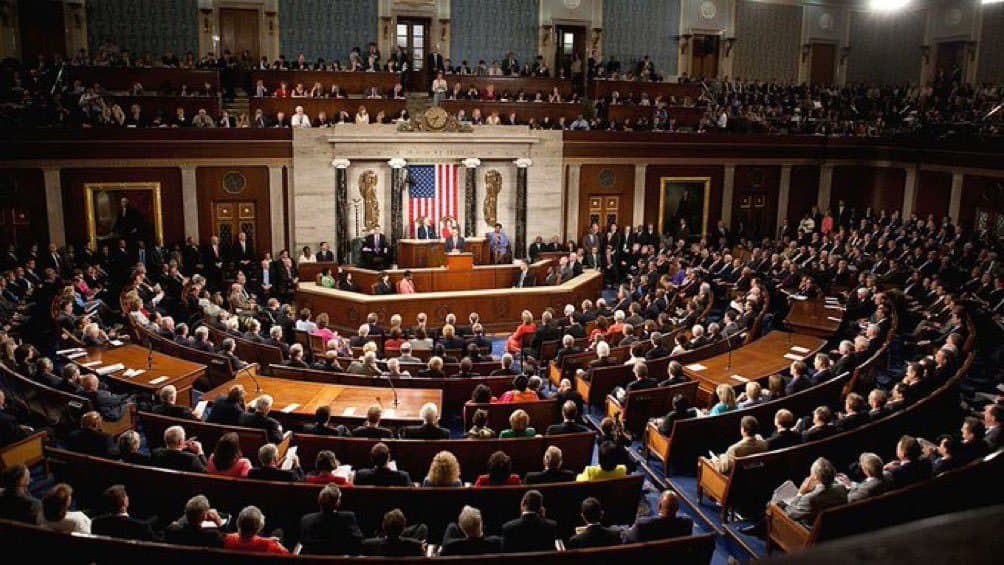
The U.S. stablecoin industry is entering a new regulatory era after the implementation timeline for the GENIUS Act established July 2028 as the deadline for compliance. Under the framework, stablecoins that fail to meet regulatory requirements will no longer be permitted to be offered to U.S. users, creating a multi-year transition period for issuers to adapt their operations. The legislation represents one of the most significant attempts by U.S. lawmakers to establish clear rules for dollar-backed digital assets. Stablecoins have become a critical component of the cryptocurrency ecosystem, facilitating trading, payments, and settlement activities across global markets. With trillions of dollars in annual transaction volume moving through these assets, regulators have increasingly focused on consumer protection, reserve transparency, and financial stability risks. Major issuers are expected to spend the next two years strengthening compliance systems, improving reserve disclosures, and aligning business practices with federal requirements. Companies that already maintain robust auditing, reporting, and reserve management procedures may find the transition relatively straightforward. Others could face substantial operational and financial adjustments to meet the standards established under the new framework. Supporters argue that regulatory clarity will strengthen confidence in stablecoins and encourage broader institutional participation. Banks, payment providers, and large financial institutions have often cited regulatory uncertainty as a barrier to deeper involvement in digital asset markets. A defined legal framework could accelerate adoption by providing clearer rules regarding issuance, custody, and reserve backing. Critics, however, warn that compliance costs may favor larger issuers while creating challenges for smaller projects. The industry could experience consolidation if some companies determine that meeting the requirements is financially impractical. Market participants are also closely watching how regulators interpret and enforce various provisions of the law during the transition period. The legislation arrives amid growing competition in the stablecoin sector. Issuers are increasingly expanding across multiple blockchains while exploring integrations with traditional financial infrastructure. Regulatory approval could become a key competitive advantage as institutions seek partners capable of meeting strict compliance standards. For the broader crypto industry, the GENIUS Act signals Washington’s intention to integrate stablecoins into the regulated financial system rather than prohibit their use. The coming years will determine which issuers successfully adapt and whether the new framework accelerates mainstream adoption of digital dollar products.
Published by Banx Network. This article is part of the Banx decentralized media programme, powered by the BXE token on the XRP Ledger.