Deep within the hearts of stars and planets, fluids dance in complex patterns, driven by rotation and heat. These invisible currents generate magnetic fields that protect planets and shape stellar evolution. For decades, scientists have modeled these flows theoretically, but direct observation has been impossible. Now, a clever experiment using liquid gallium has provided tangible evidence of a key flow regime, bridging the gap between theory and reality.
The experiment involves a sphere filled with liquid gallium, a metal that remains liquid at relatively low temperatures. By rotating the sphere and applying magnetic fields, researchers were able to simulate the conditions found inside rapidly rotating celestial bodies. The gallium’s behavior mirrored the predicted "quasi-geostrophic" flow, a state where rotation dominates the fluid dynamics, organizing the motion into stable columns.
This confirmation is significant because it validates the mathematical models used to describe dynamos—the processes that generate magnetic fields. Understanding these flows helps explain why Earth has a protective magnetosphere while Mars does not, and why some stars exhibit strong magnetic activity. It provides a physical basis for phenomena that were previously understood only through abstract equations.
Liquid gallium was chosen for its unique properties, including high electrical conductivity and low viscosity, which make it an ideal analog for the molten iron cores of planets. The experiment allowed scientists to observe the transition between different flow regimes, offering insights into how changes in rotation speed or heat flux can alter internal dynamics.
The findings have implications for exoplanet research as well. By understanding the relationship between rotation, flow, and magnetic field generation, astronomers can better predict the habitability of distant worlds. A strong magnetic field is often considered a prerequisite for life, as it shields the atmosphere from stellar wind erosion.
This laboratory achievement demonstrates the power of experimental geophysics. By recreating extreme conditions on a manageable scale, scientists can test hypotheses that are otherwise untestable. It highlights the ingenuity required to probe the interiors of objects we can never visit directly.
The study also contributes to our understanding of solar dynamics. The sun’s rotation varies with latitude, creating complex flow patterns that influence sunspots and solar flares. Insights from the gallium experiment may help refine models of solar behavior, improving our ability to predict space weather events that affect Earth.
As research continues, scientists plan to explore other parameters, such as varying the shape of the container or adding thermal gradients. These adjustments will help map out the full range of possible flow regimes, providing a more complete picture of internal planetary and stellar mechanics.
The results have been published in a leading physics journal, marking a milestone in fluid dynamics and astrophysics. This experimental validation strengthens the foundation of our knowledge about the hidden workings of the universe’s most massive objects.
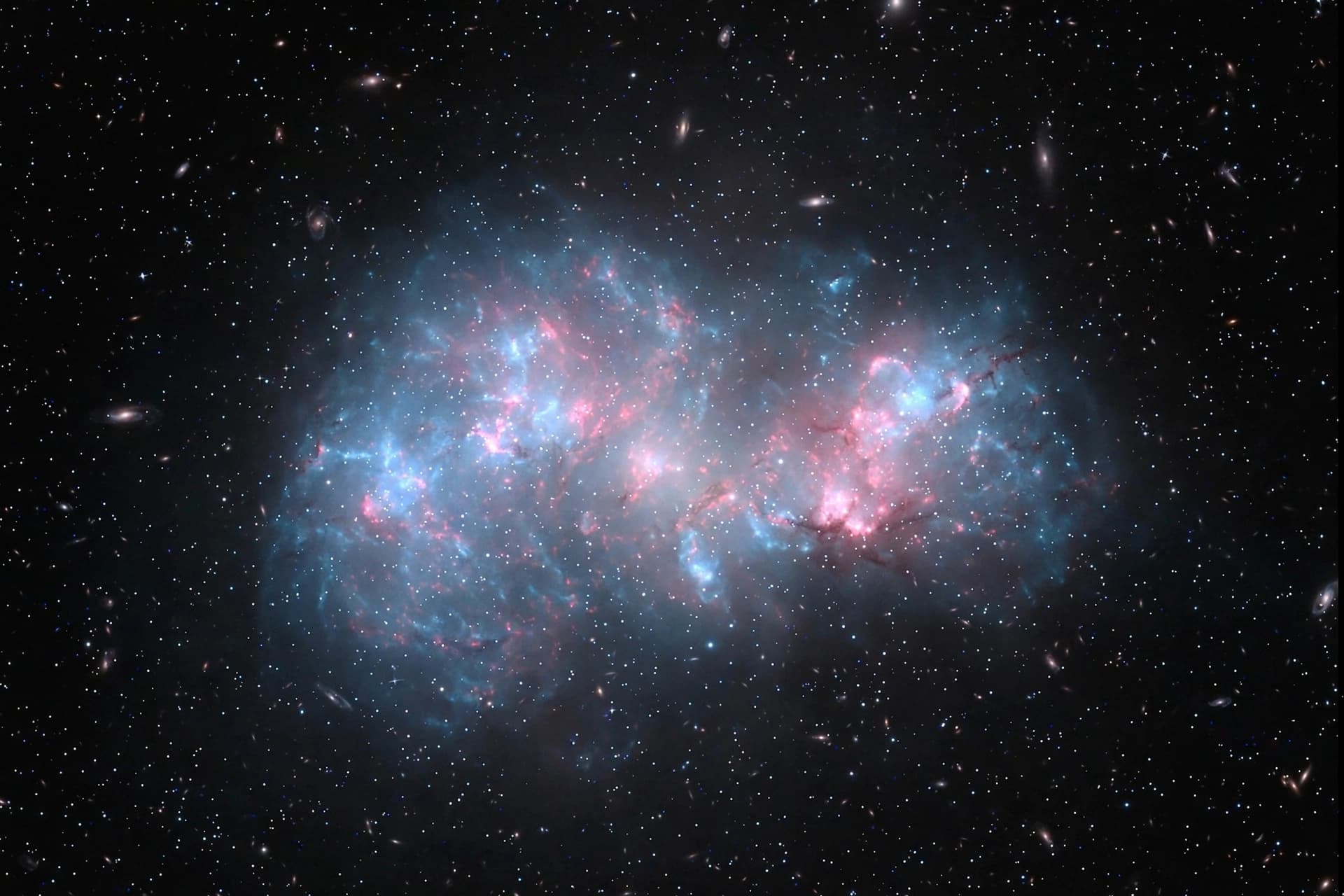
AI Image Disclaimer: Please be aware that any images accompanying this article are AI-generated illustrations designed to evoke the themes of fluid dynamics and planetary interiors.
Sources: Physical Review Letters Science Daily Nature Physics University Press Releases (e.g., University of Leeds or relevant institution) New Scientist
Published by Banx Network. This article is part of the Banx decentralized media programme, powered by the BXE token on the XRP Ledger.