SCIENCE100% credibility
From Earth’s Familiar Face to Neptune’s Silent Depths
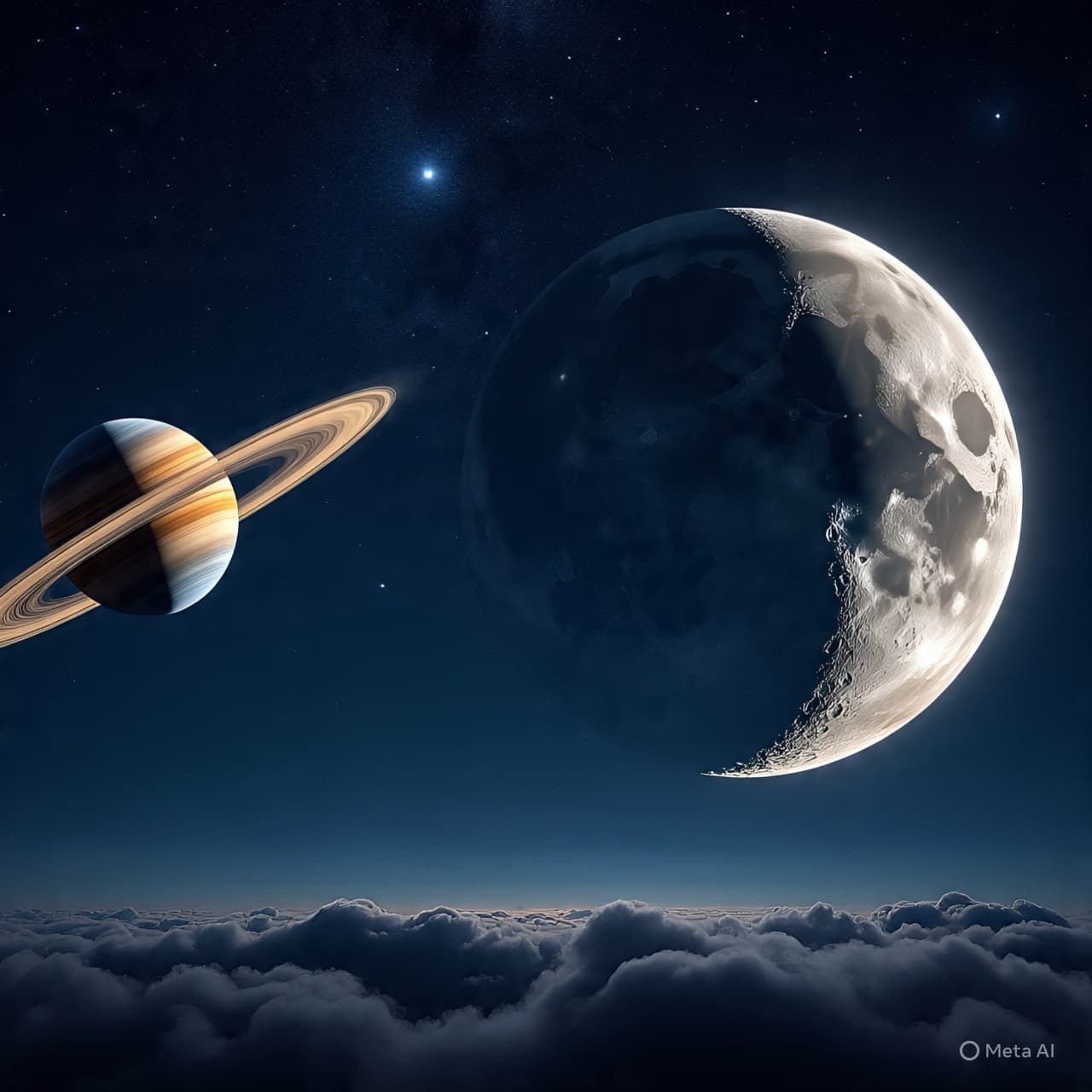
Saturn, the Moon, and Neptune offer a layered reflection on distance, time, and the poetic rhythms of our solar system.
5 min read

Saturn, the Moon, and Neptune offer a layered reflection on distance, time, and the poetic rhythms of our solar system.
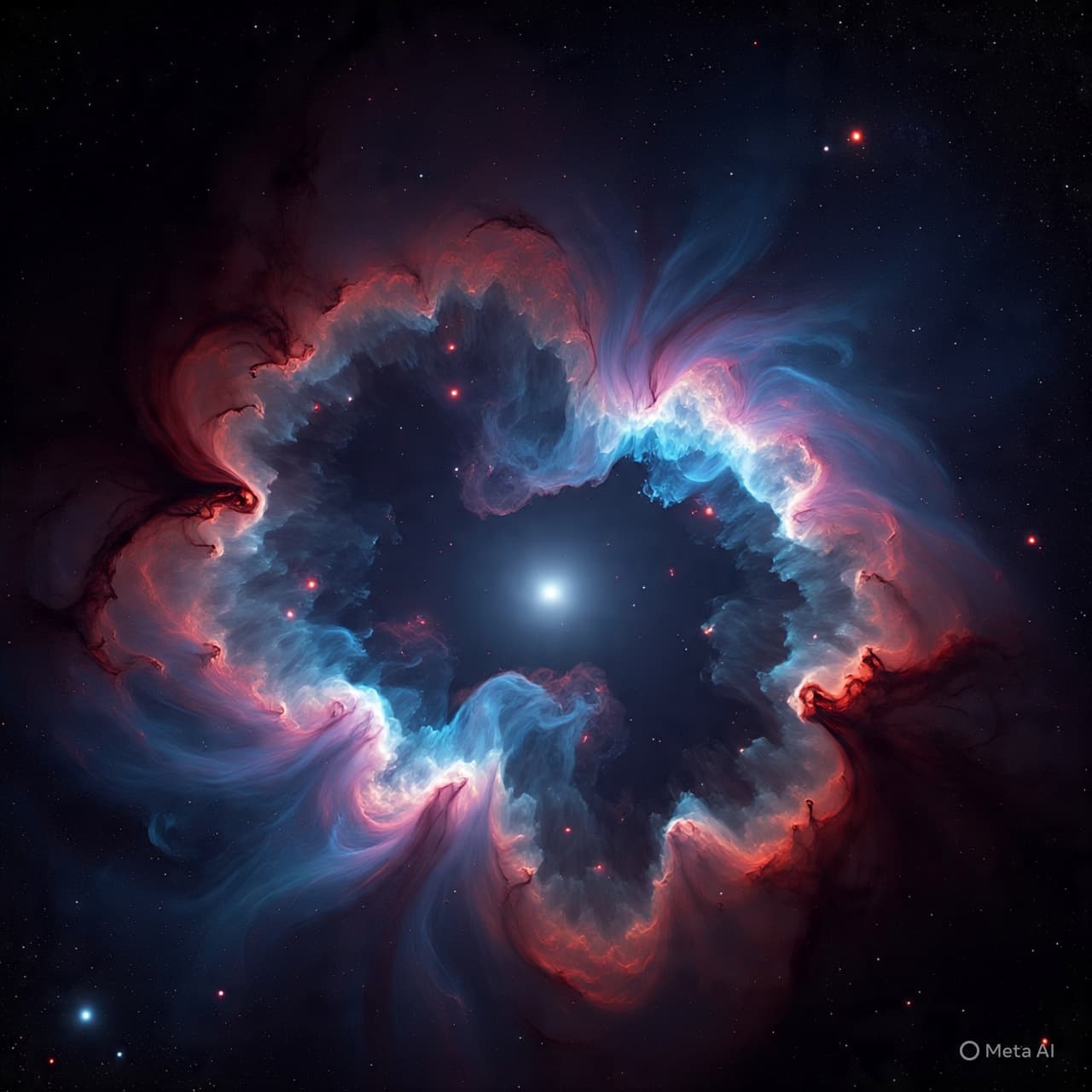
James Webb reveals intricate, lavalike structures inside the Helix Nebula, offering new insights into stellar death and cosmic artistry.

An Israeli study suggests habitable planets may be far more common in the galaxy, expanding the possibilities for life beyond Earth.

SpaceX launched 25 Starlink satellites from California, advancing global connectivity while offering a poetic glimpse of technology meeting the cosmos.
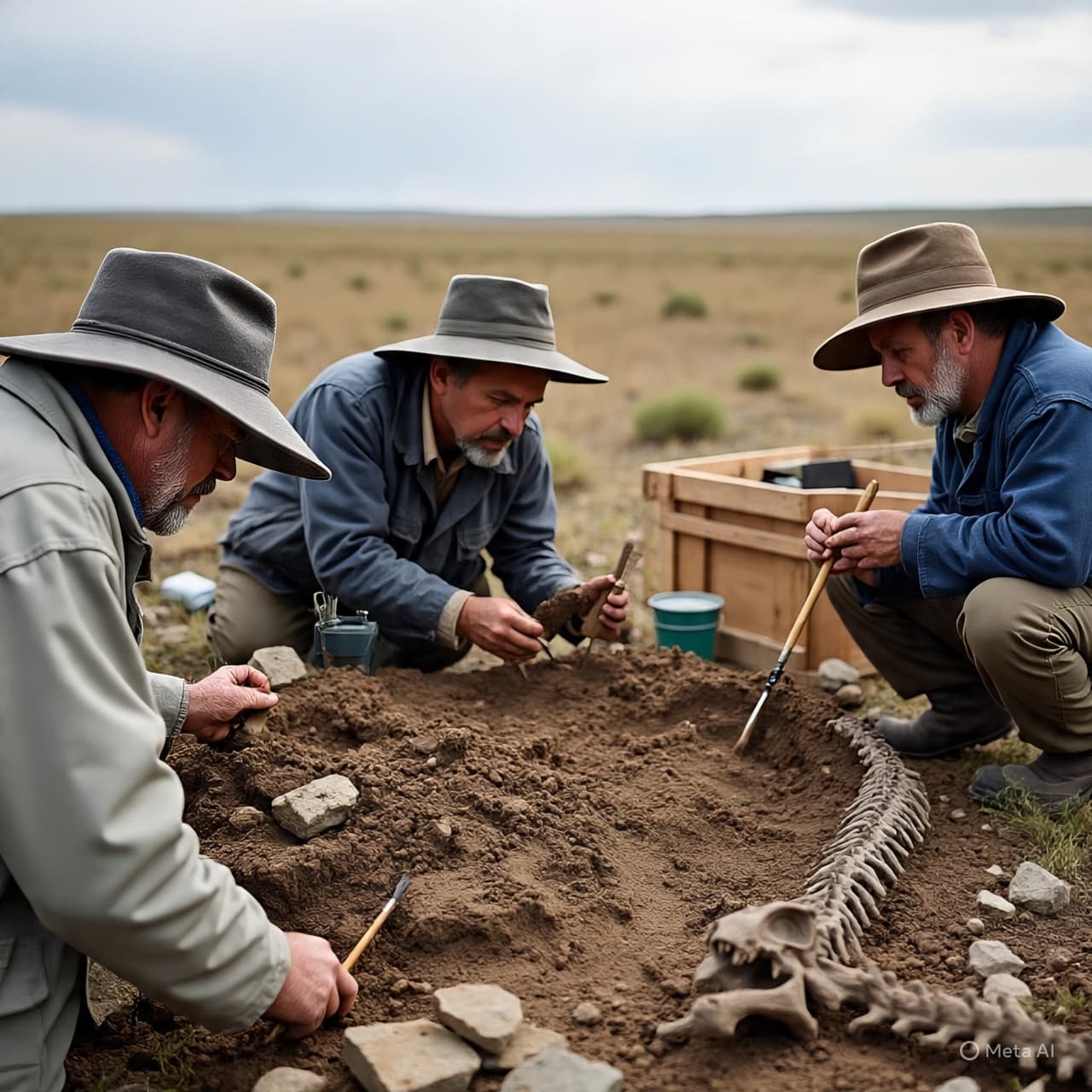
Scientists may have identified a previously unknown extinct species, revealing new insights into ancient life and Earth’s hidden biodiversity.
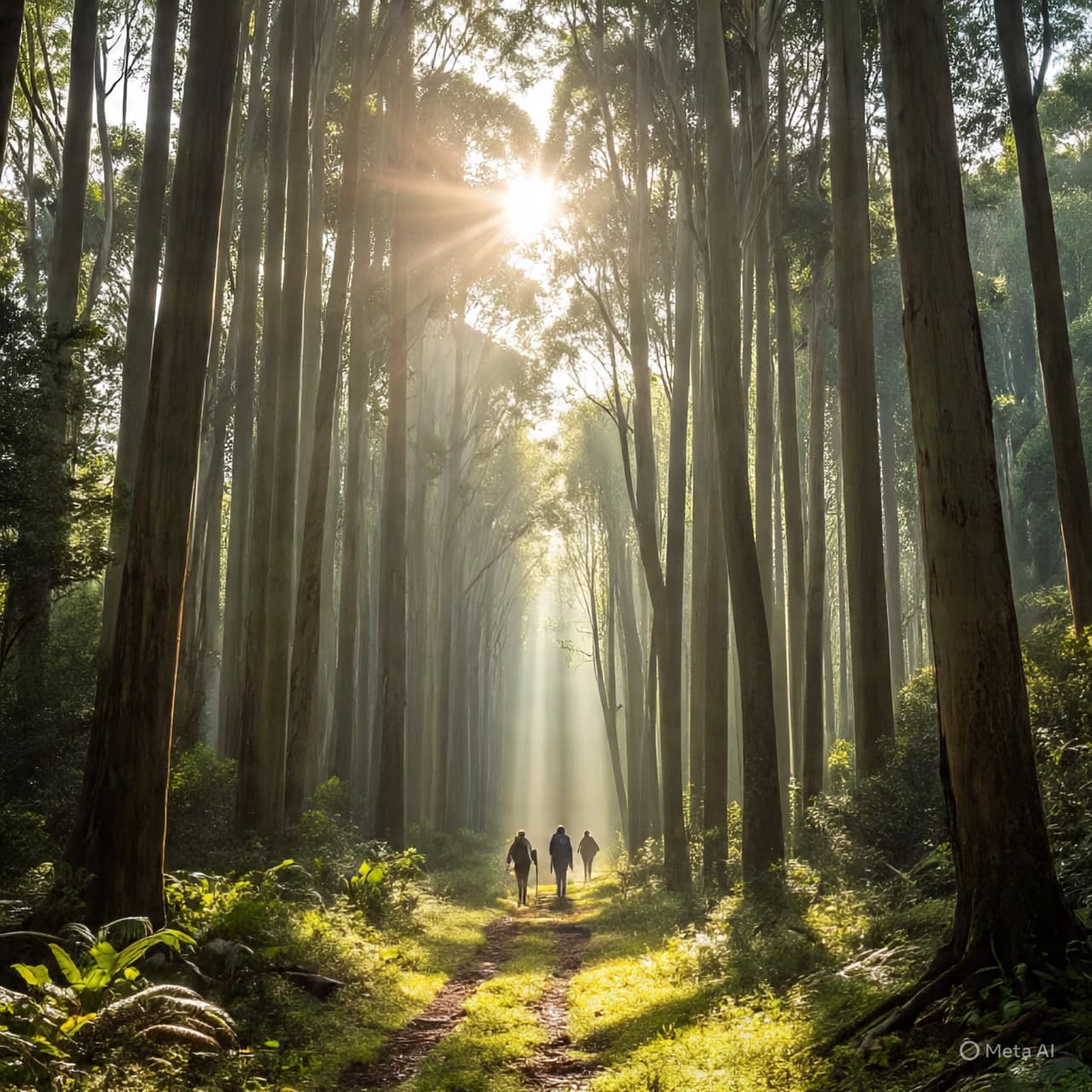
NSW forests offer beauty and adventure this long weekend; preparation, awareness, and respect for nature ensure both enjoyment and safety.
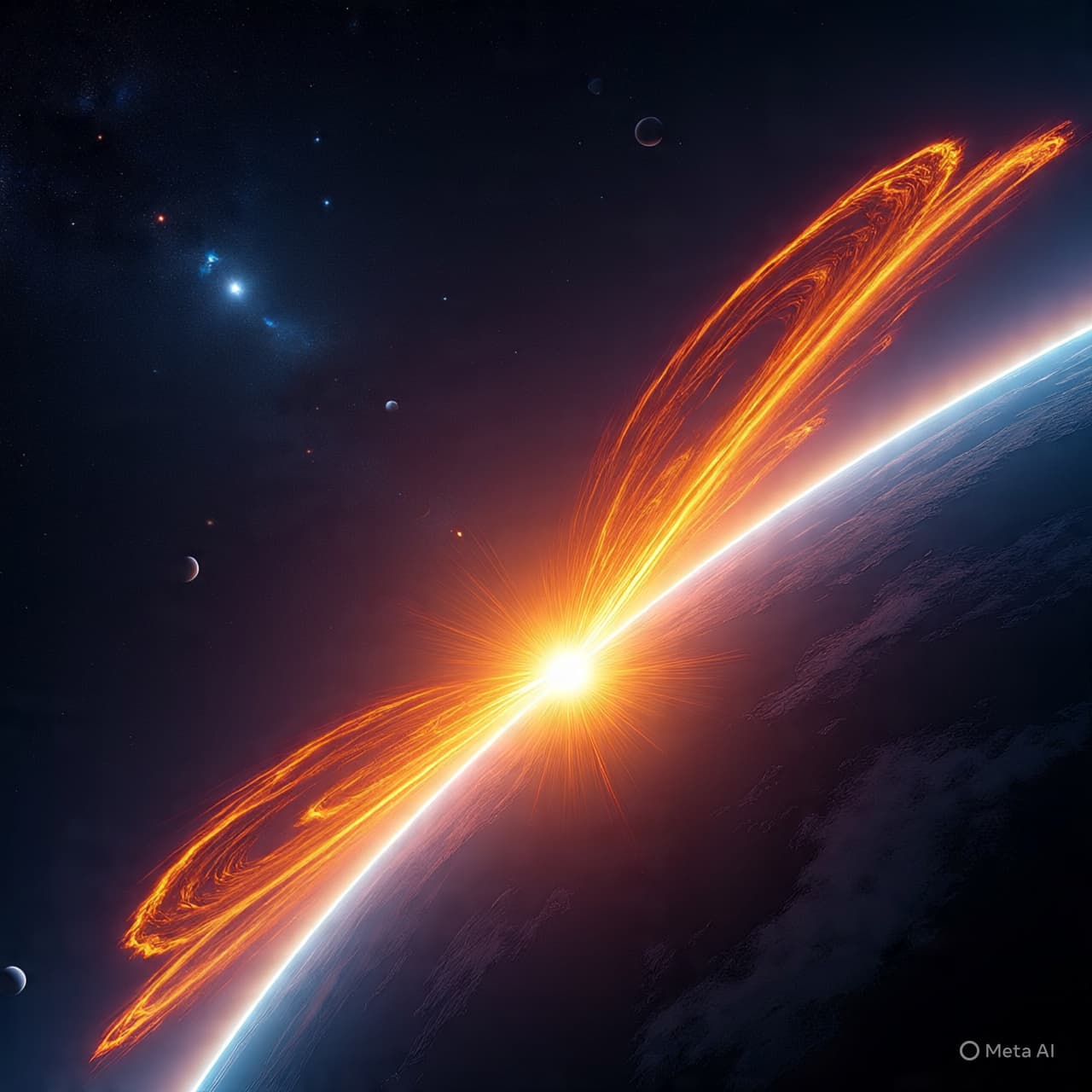
High-resolution observations reveal how small magnetic instabilities trigger massive solar flares, cascading energy across the Sun like a cosmic avalanche.

New research shows Greenland sharks live centuries and retain functional vision, challenging myths of blindness and revealing deep oceans’ surprising resilience.
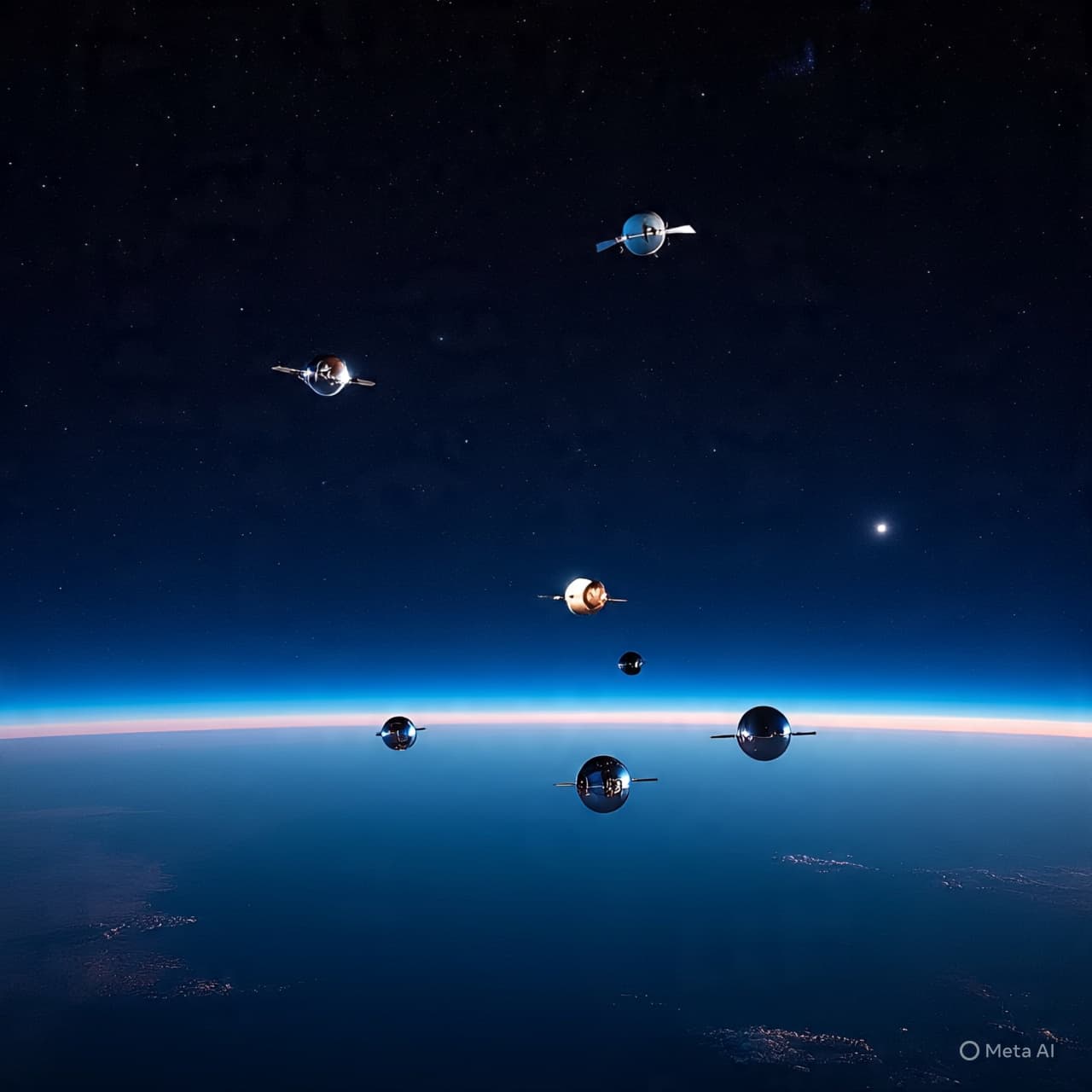
Satellites skimming Earth’s atmospheric edge reveal the delicate balance between gravity, motion, and observation, offering both science and silent beauty.
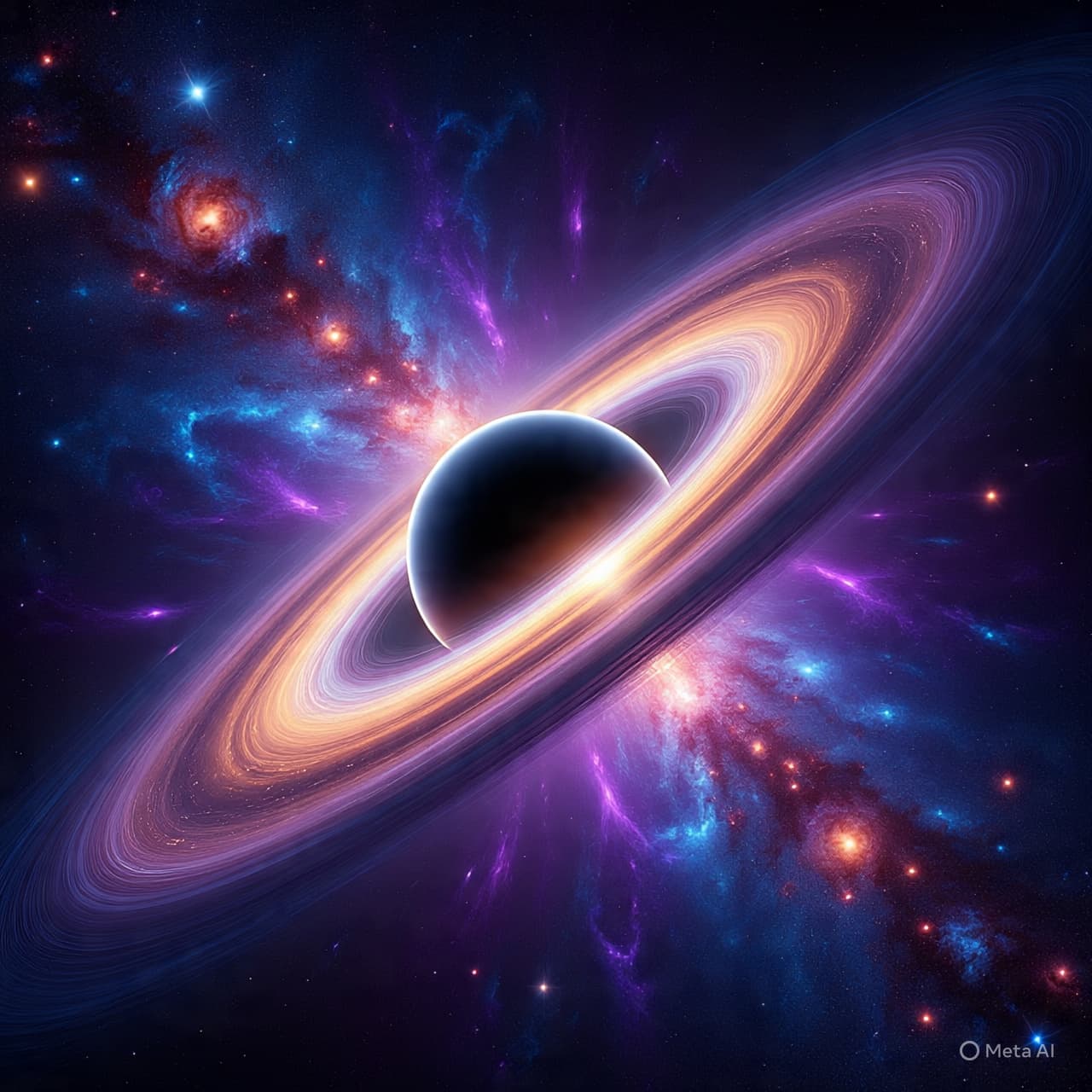
James Webb observations reveal a black hole “feeding frenzy” that could explain how these cosmic giants influence galaxies and star formation.
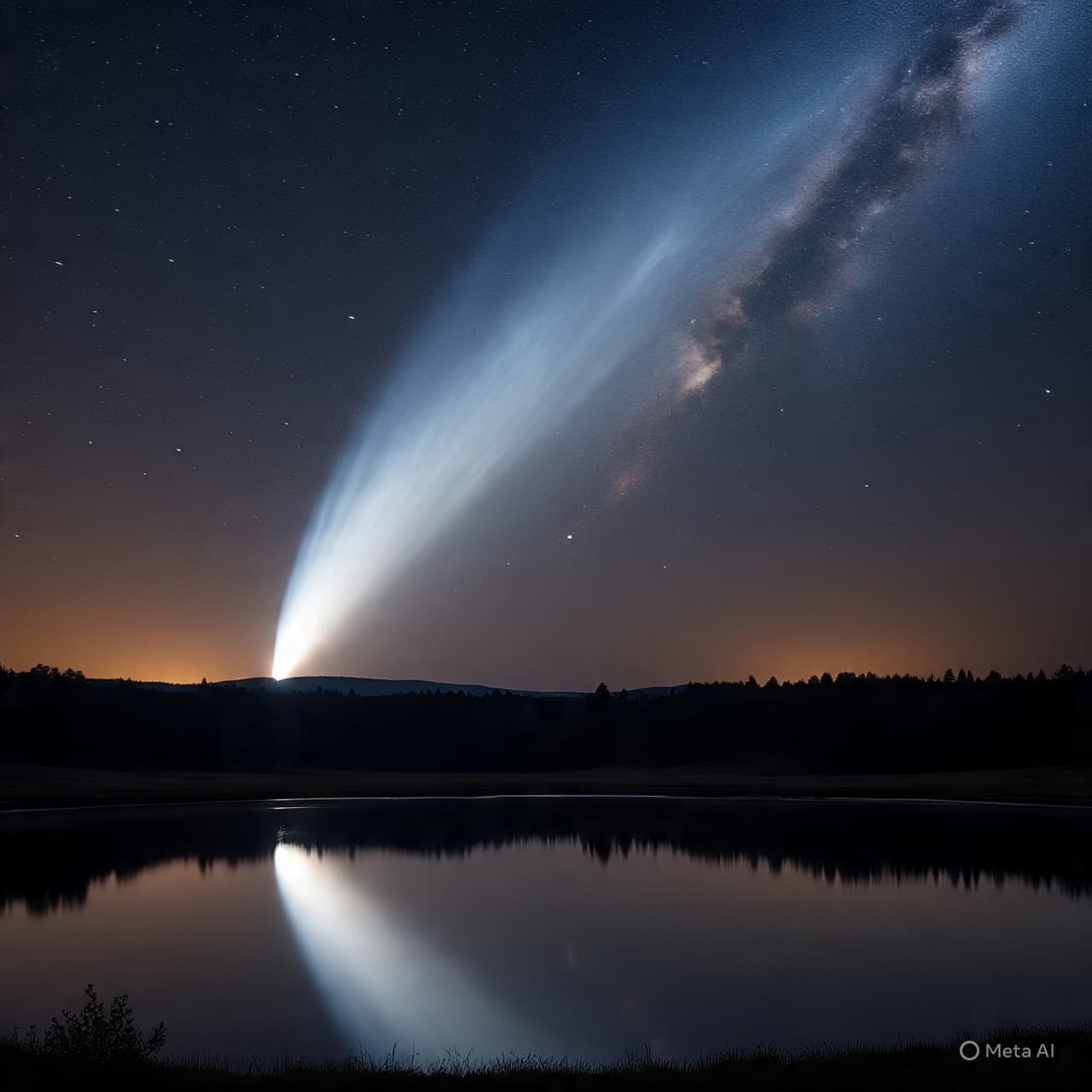
Comet 3I/ATLAS, an interstellar visitor, races past the solar system tonight — watch its journey via free livestream and glimpse the cosmos in motion.

Californians are using far less water than suppliers estimated, showing conservation success and offering insights for state planning amid drought.
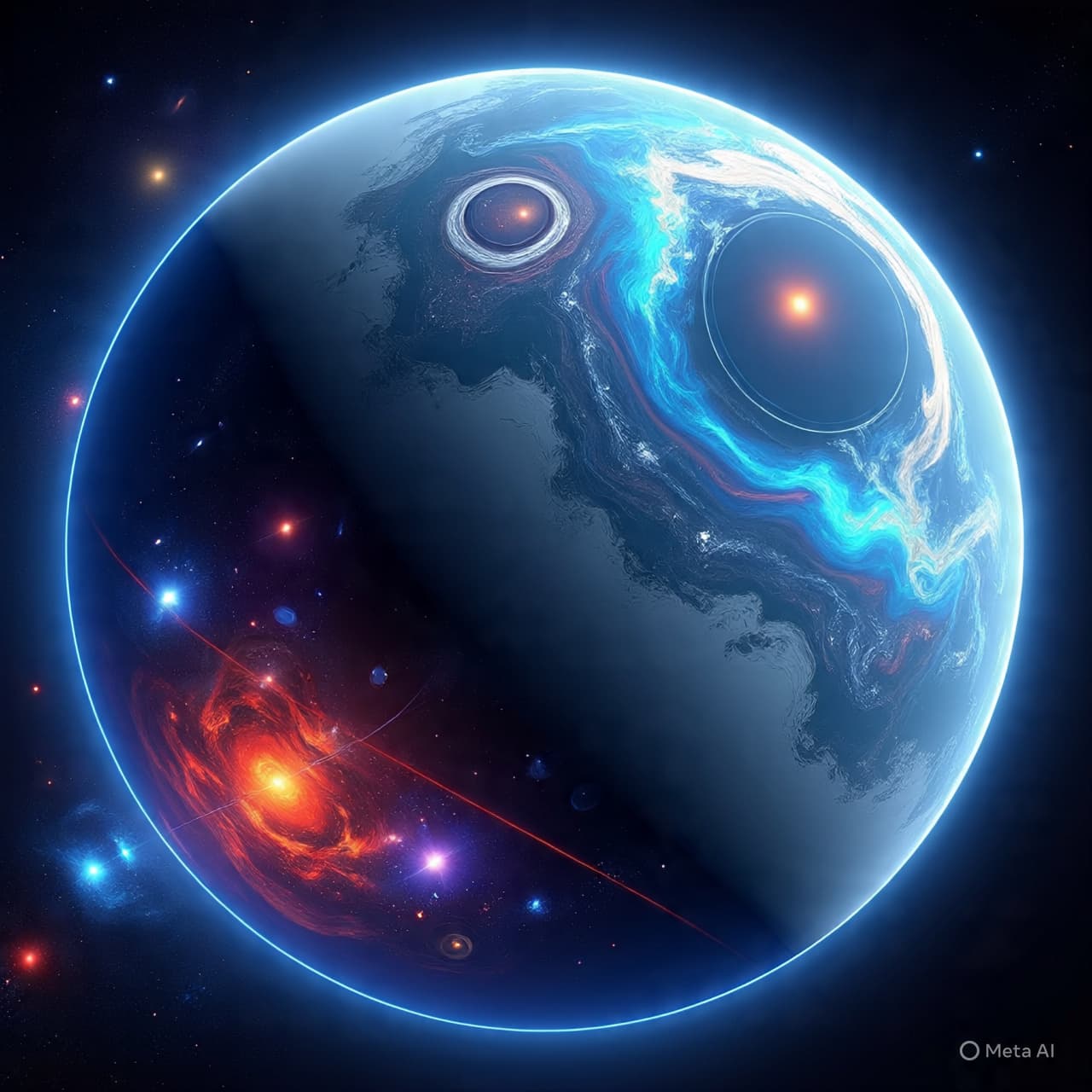
A wobbling exoplanet hints at a massive, hidden exomoon, potentially challenging what scientists and language have long defined as a “moon.”

Scientists suggest that interactions between dark matter and neutrinos could reveal a fundamental breakthrough in cosmology and particle physics.
Scientists have solved the 66-million-year-old mystery of how Earth cooled from its greenhouse age, revealing the planet’s delicate natural balance.
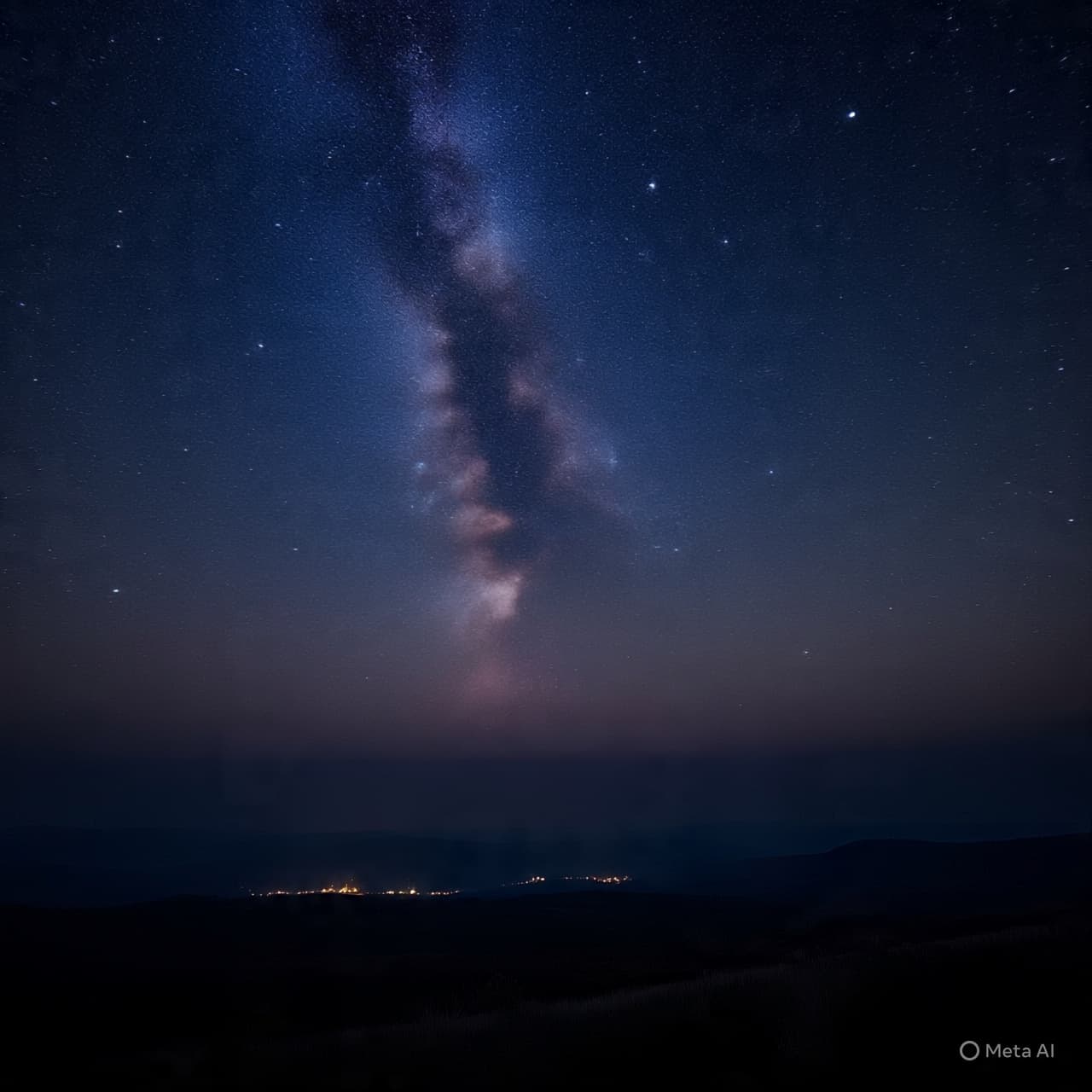
A physicist claims to have located God, though the site lies 439 billion trillion kilometers away, highlighting human curiosity and the immensity of the cosmos.

New carbon-conversion technology could transform emissions into jet fuel, offering a potential pathway toward sustainable aviation.

SpaceX reports Chinese satellites briefly intersected Starlink’s path, highlighting the fragile choreography and shared responsibility in low Earth orbit.

A new scientific analysis suggests if satellites in Low Earth Orbit lose control, catastrophic collisions could begin within about 2.8 days, underscoring risks from crowded space and space weather.

A new scientific analysis suggests if satellites in Low Earth Orbit lose control, catastrophic collisions could begin within about 2.8 days, underscoring risks from crowded space and space weather.

A newly studied giant fossil from Scotland reveals an ancient life form unlike any known today, representing a distinct evolutionary branch that vanished long ago.

Ancient kangaroo giants weighing up to around 250 kg may have had hindlimbs strong enough to hop in short bursts, according to new fossil-based research challenging earlier assumptions.

Study finds that the enzyme DHPS is essential for monocytes to mature into functional macrophages across organs, affecting tissue balance and immune maintenance.

Scientists found a single enzyme (MAN PPK2) that efficiently creates all four RNA nucleotide triphosphates using inexpensive polyphosphate, simplifying RNA synthesis.