From Glaciers to Fields: The Long Journey of Plant Viruses Across Millennia
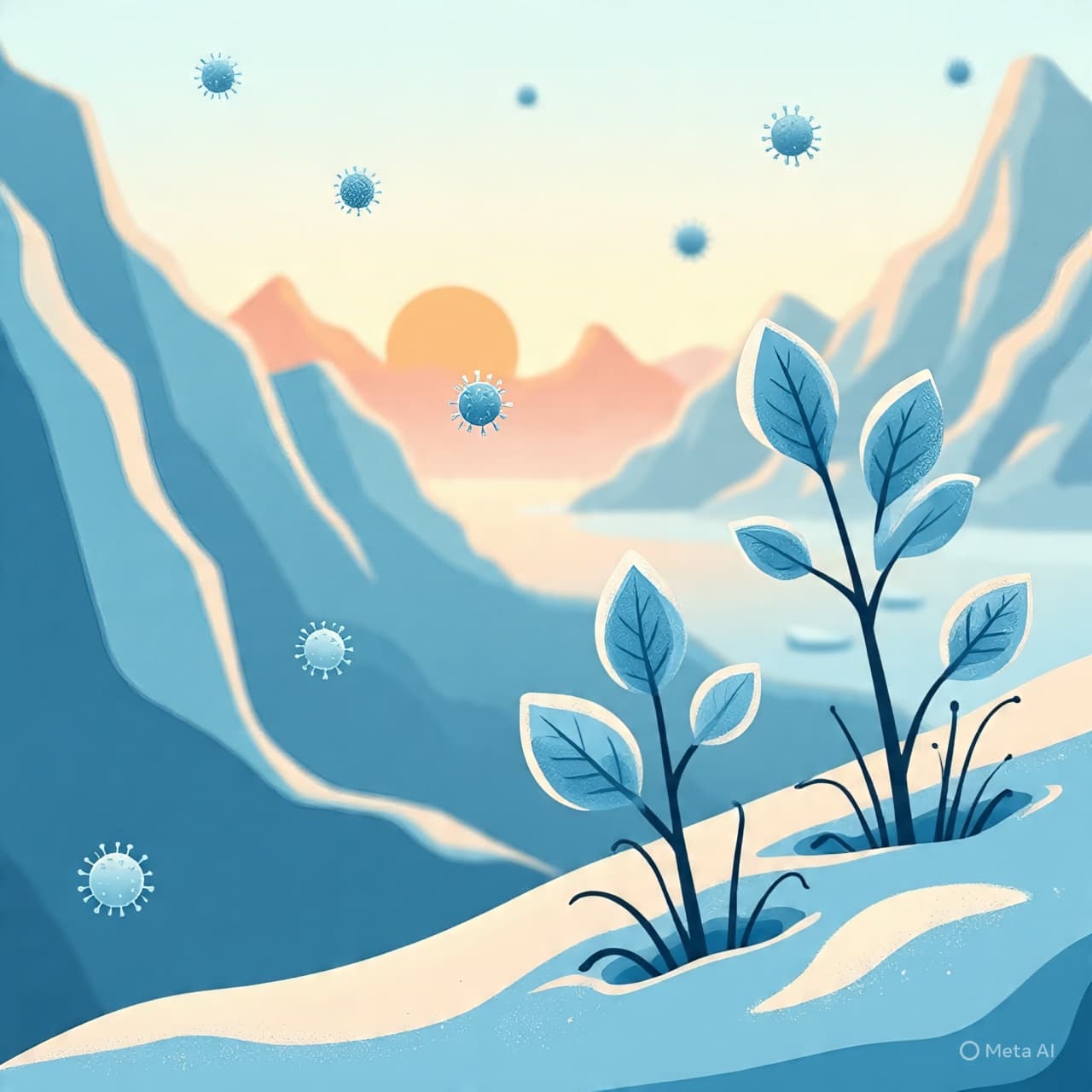
Genetic studies suggest some viruses infecting modern crops may have originated in wild plants during the Ice Age, long before agriculture began.

Genetic studies suggest some viruses infecting modern crops may have originated in wild plants during the Ice Age, long before agriculture began.

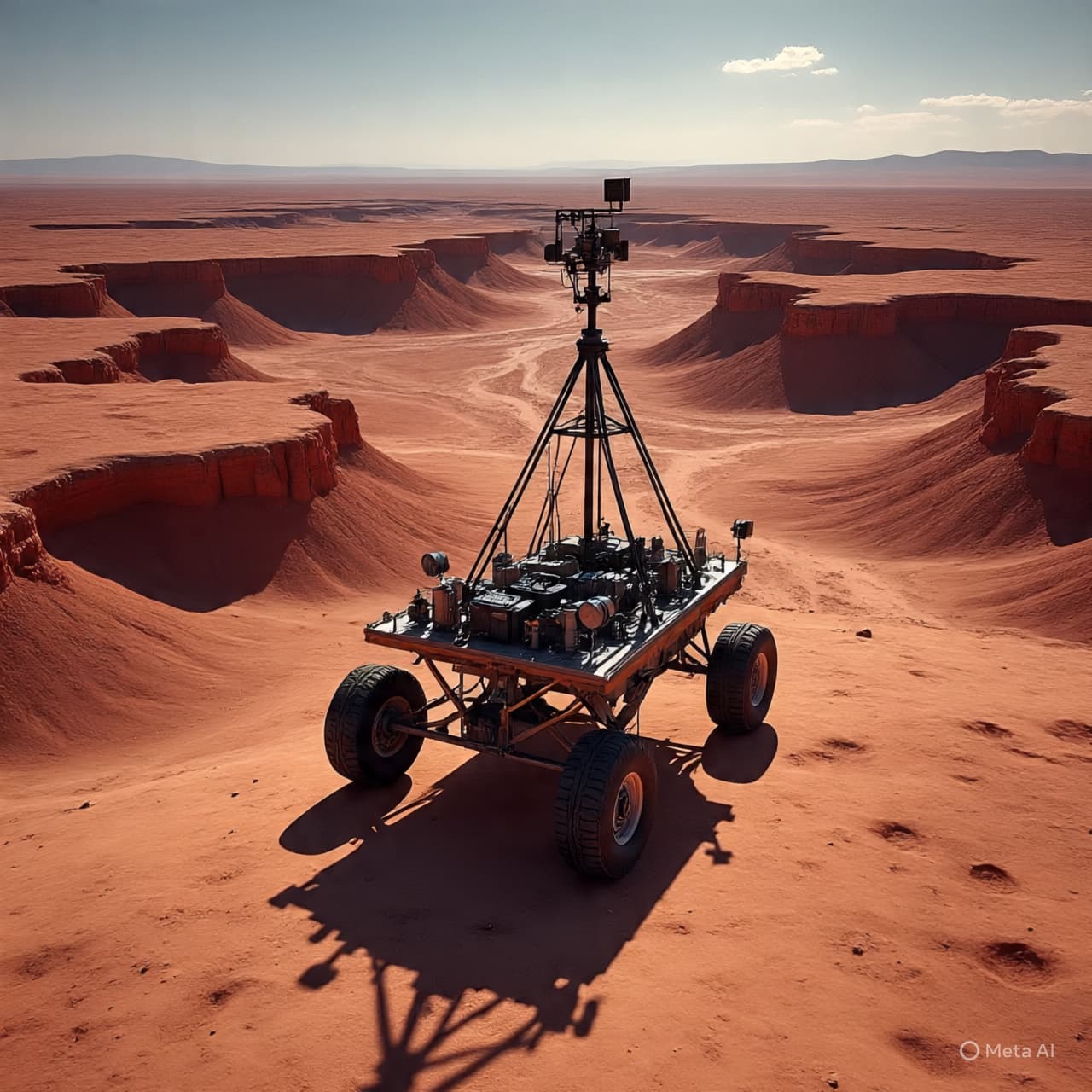
Scientists analyzing data from NASA’s Perseverance rover believe they may have identified a previously unknown mineral on Mars, potentially revealing new clues about the planet’s geological history.

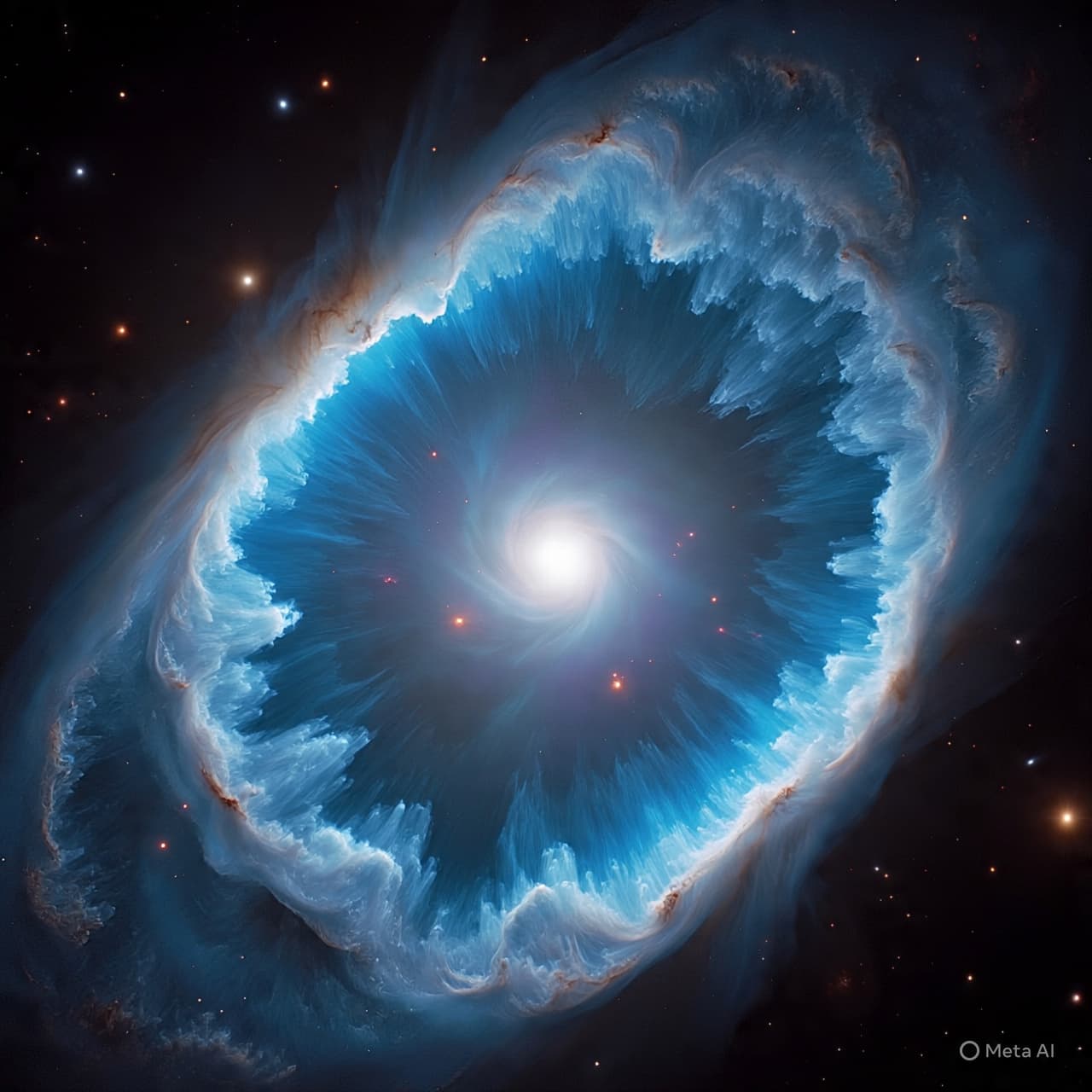
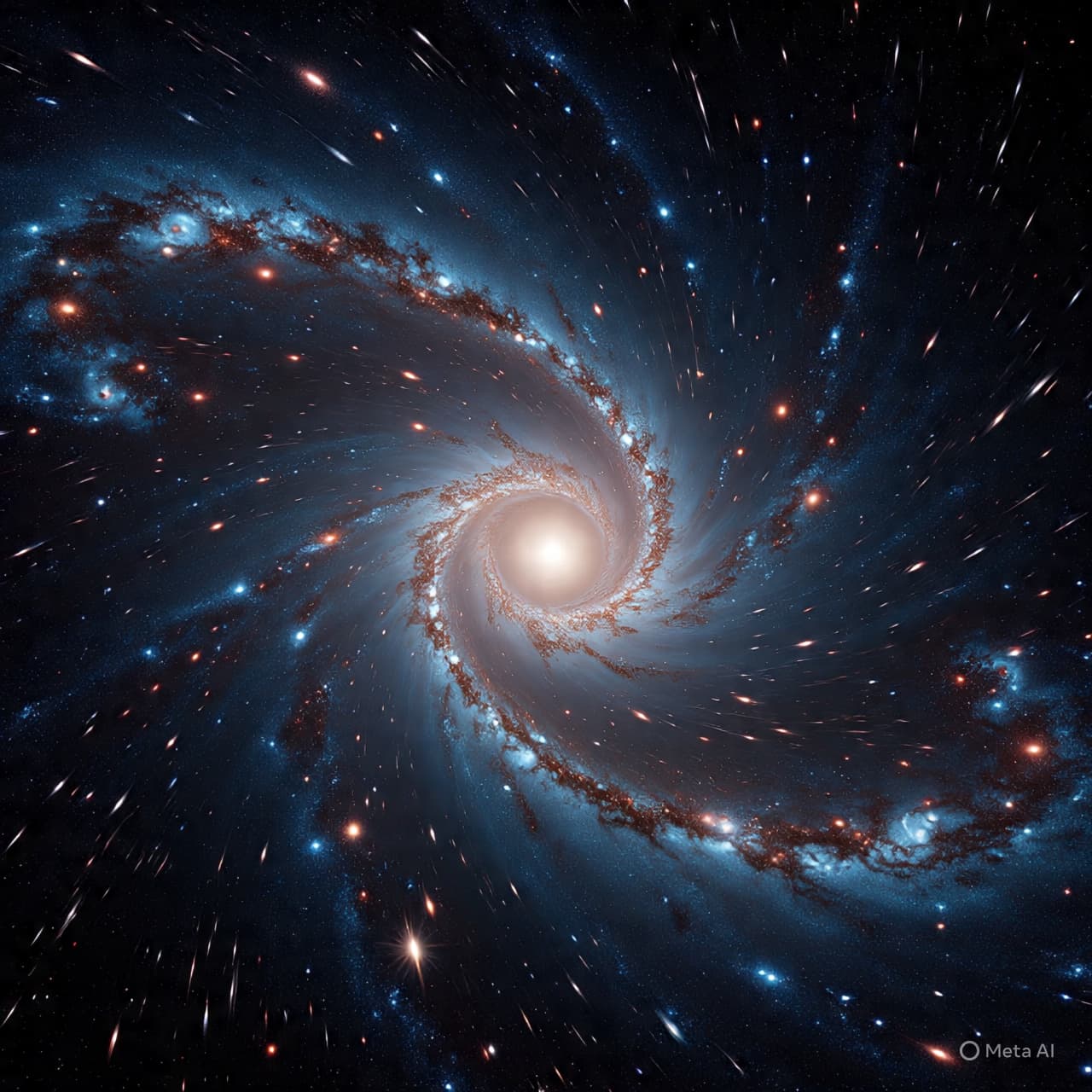
A new image of the Cat’s Eye Nebula reveals the intricate gas shells surrounding a dying star about 4,400 light-years away, offering insight into the final stages of stellar evolution.

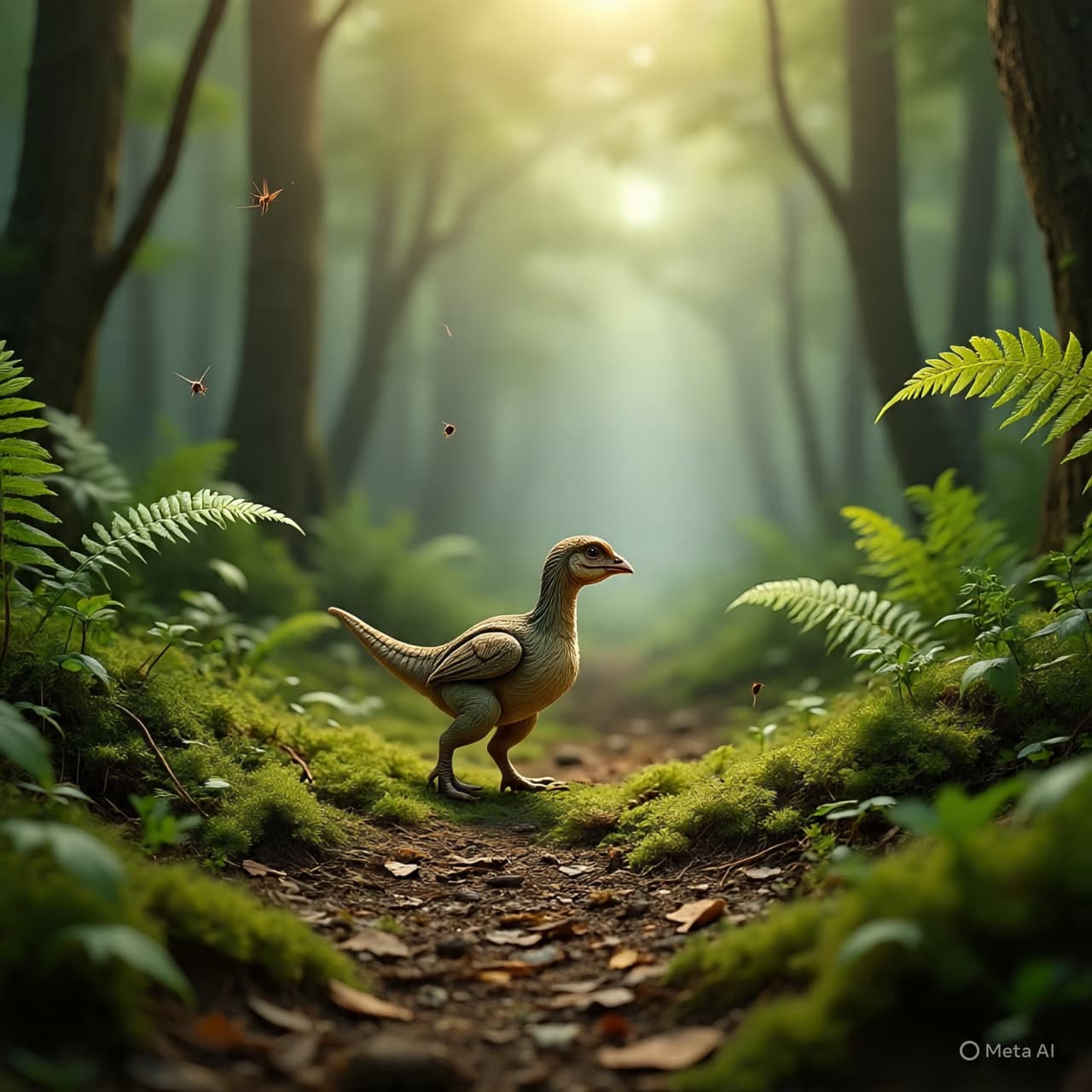
A two-pound dinosaur fossil named Kongonaphon kely suggests early dinosaur relatives may have undergone miniaturization, reshaping scientists’ understanding of how dinosaurs evolved.

Scientists suggest the lunar region Rimae Bode could be a potential landing site for China’s first crewed Moon mission as the global race to return humans to the Moon intensifies.

Scientists studying the interstellar comet 3I/ATLAS detected methanol in its coma, suggesting the comet formed in another star system with rich organic chemistry.

Scientists are studying uncertainties in OMNI solar wind measurements projected from the L1 point to Earth’s bow shock, improving models that help predict space weather and magnetospheric activity.

Scientists believe a massive asteroid impact in the North Sea may once have triggered a 330-foot tsunami, reshaping ancient coastlines and offering new clues about Earth’s violent geological history.

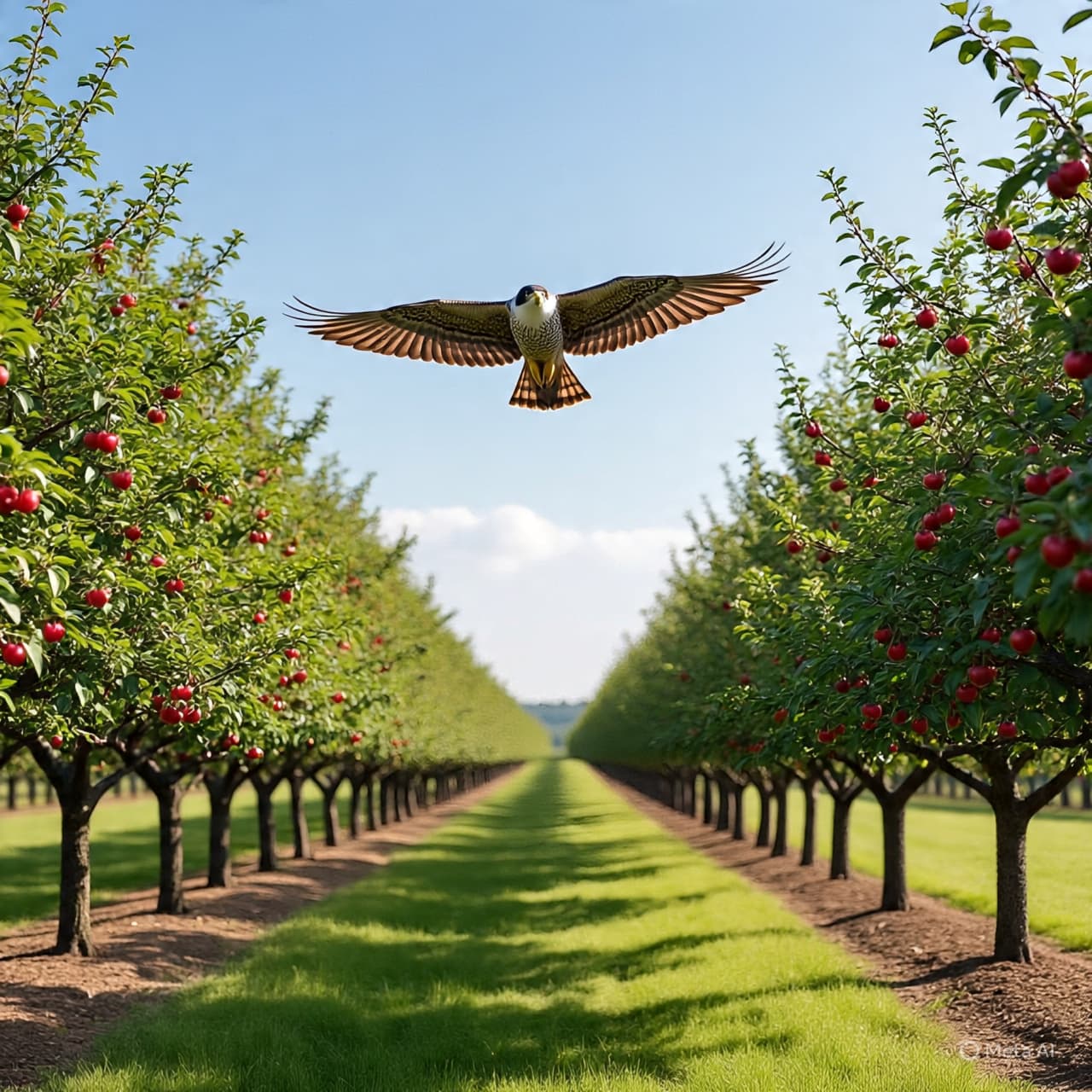
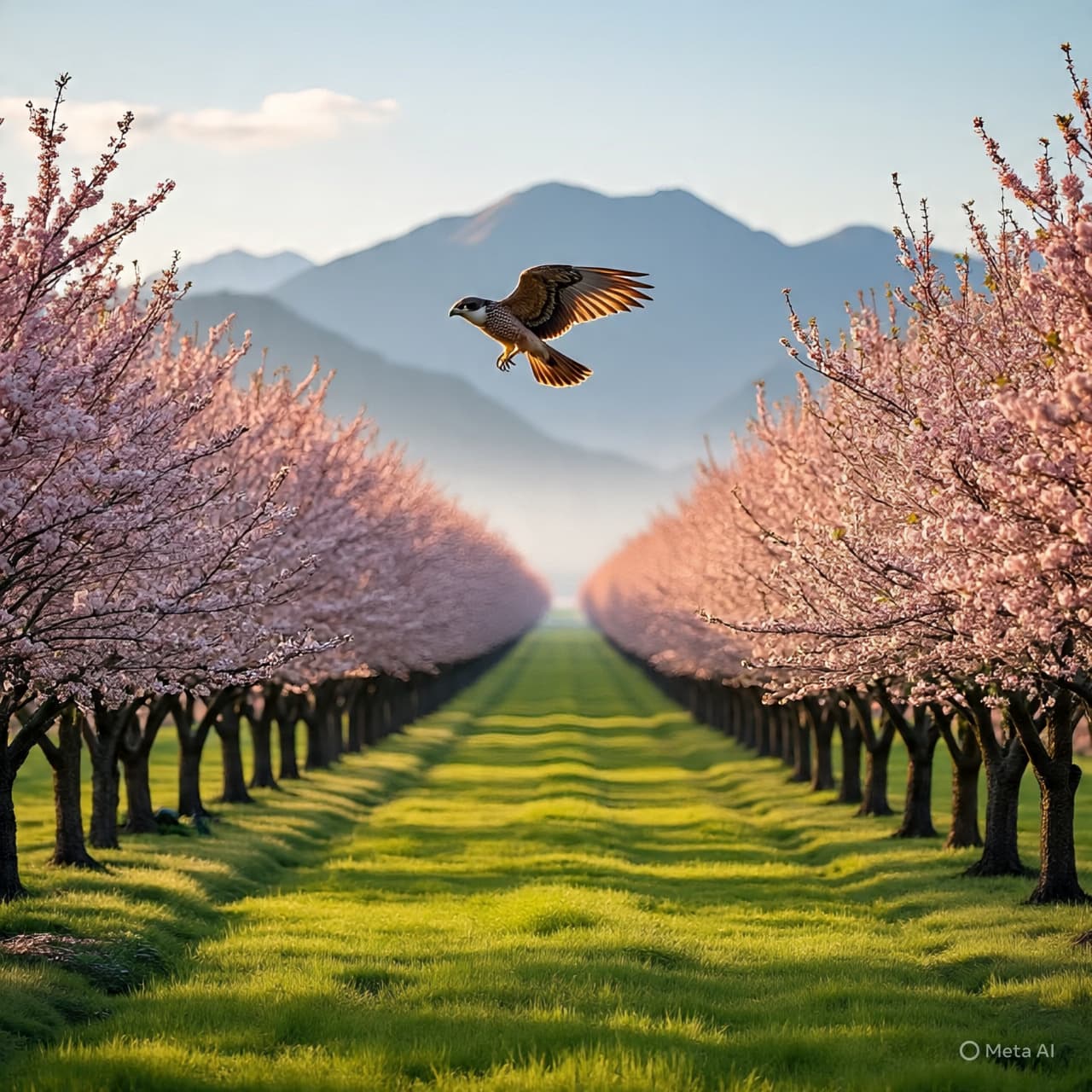
Cherry farmers are partnering with falconers to use trained falcons as natural bird deterrents, reducing crop damage and improving food safety by discouraging flocks from gathering in orchards.

Astronomers have observed an unusual supernova whose unique characteristics may refine how scientists measure cosmic expansion and deepen understanding of the mysterious force known as dark energy.

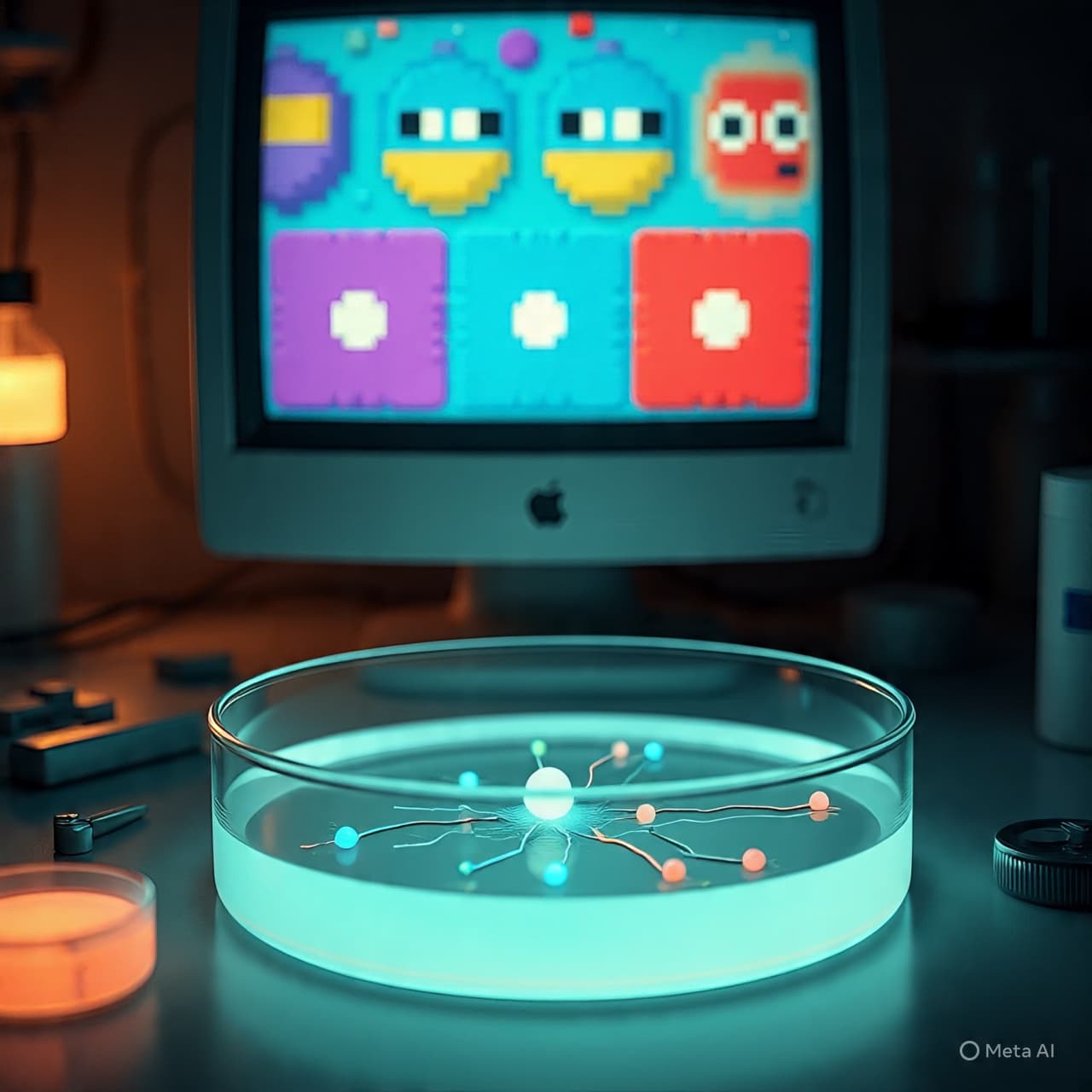
Scientists have trained a hybrid computer made from human brain cells and electronics to interact with the video game Doom, highlighting new possibilities in biological computing.

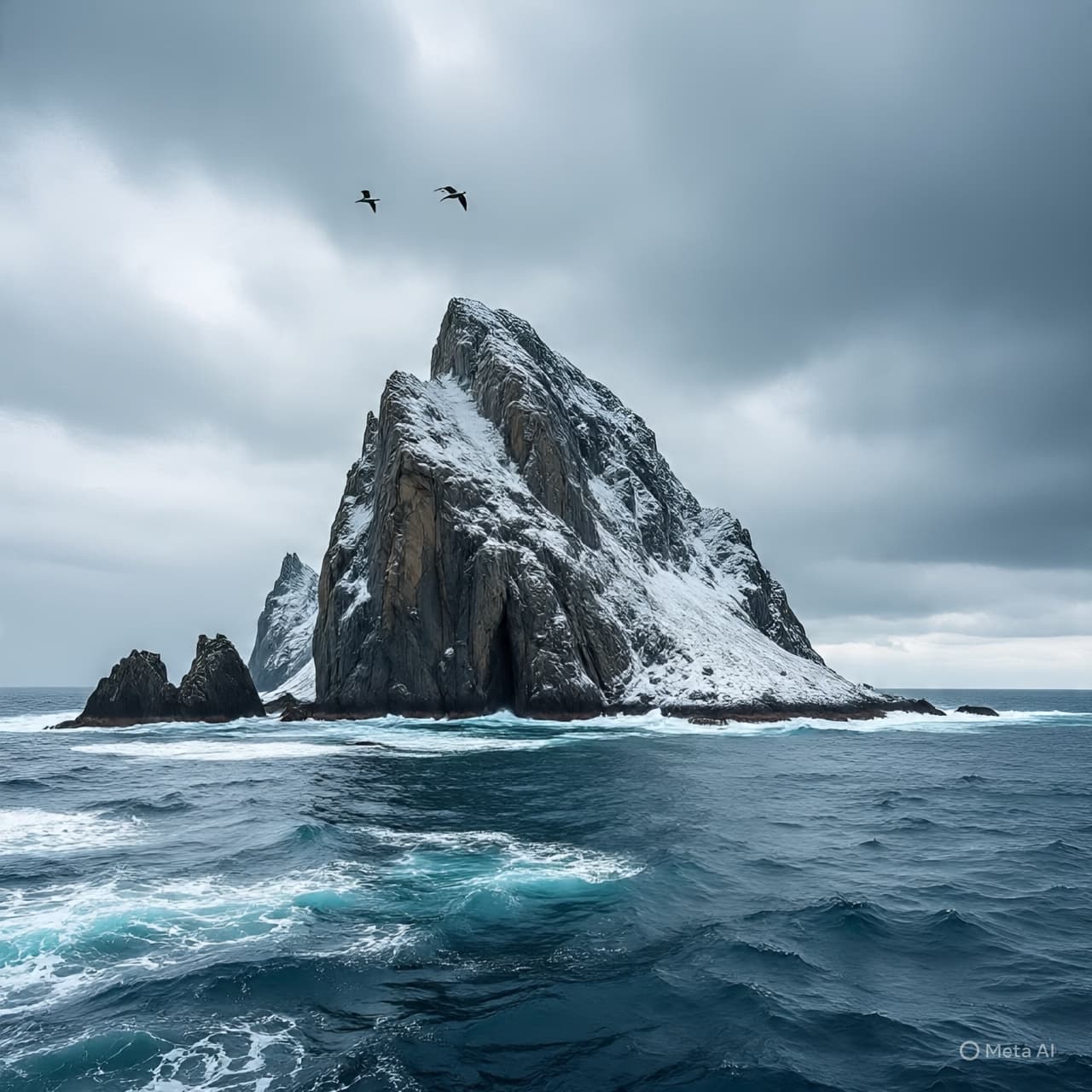
Scientists studying a remote island in the Southern Ocean have detected changes in ocean currents and water properties that may signal shifts in the global climate system.

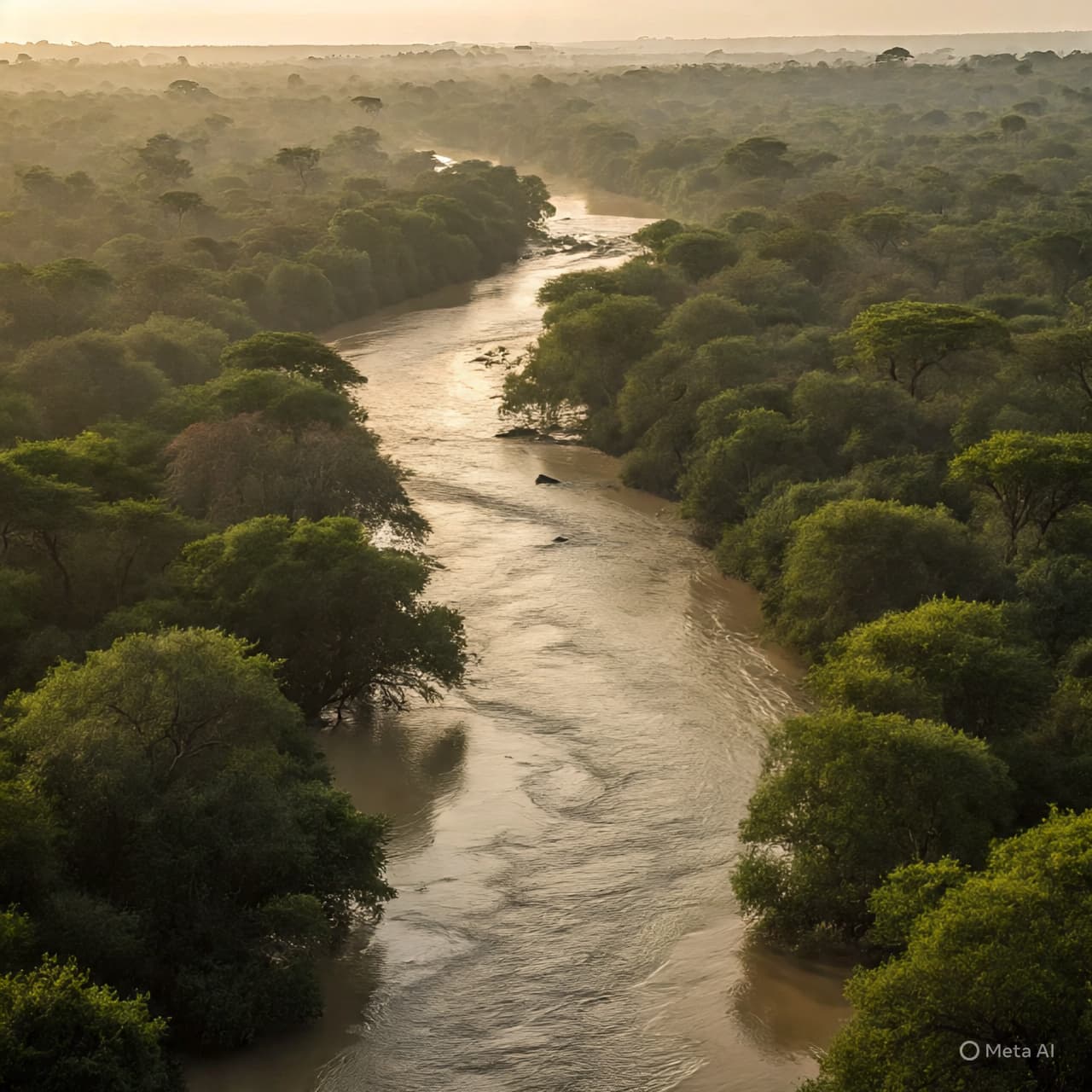
Severe flooding from the Luvuvhu and Limpopo rivers damaged camps, roads, and bridges in northern Kruger National Park, heavily impacting the Pafuri area.

Cherry growers are increasingly using trained falcons to deter pest birds, protecting crops while reducing contamination risks and supporting modern food safety standards.

Astronomers have observed an unusual supernova whose unexpected brightness pattern may reveal new details about stellar explosions and improve measurements tied to the mystery of dark energy.

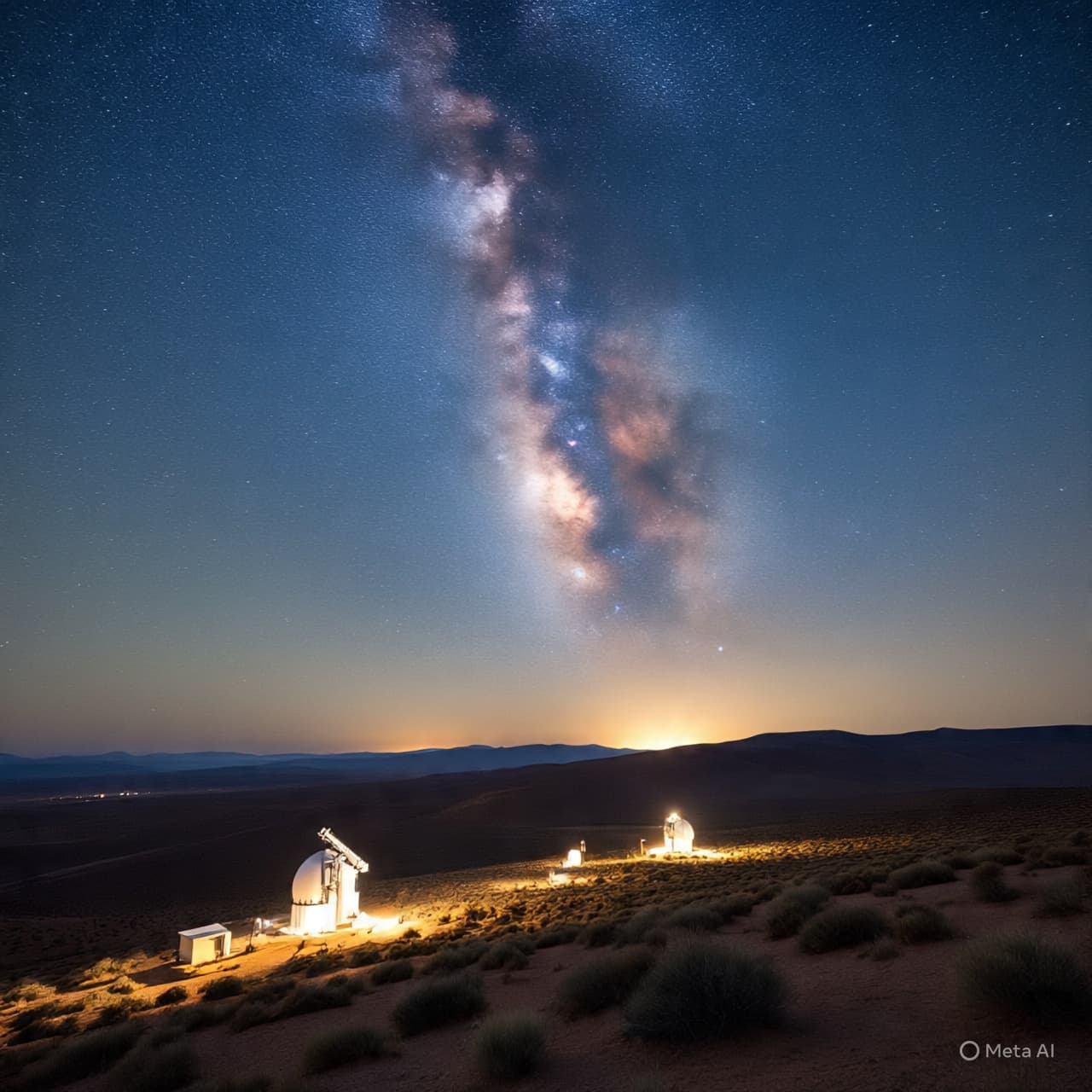
South Africa’s Karoo is emerging as an astrotourism destination, where dark skies, observatories, and guided stargazing experiences are attracting visitors seeking the brilliance of the night sky.

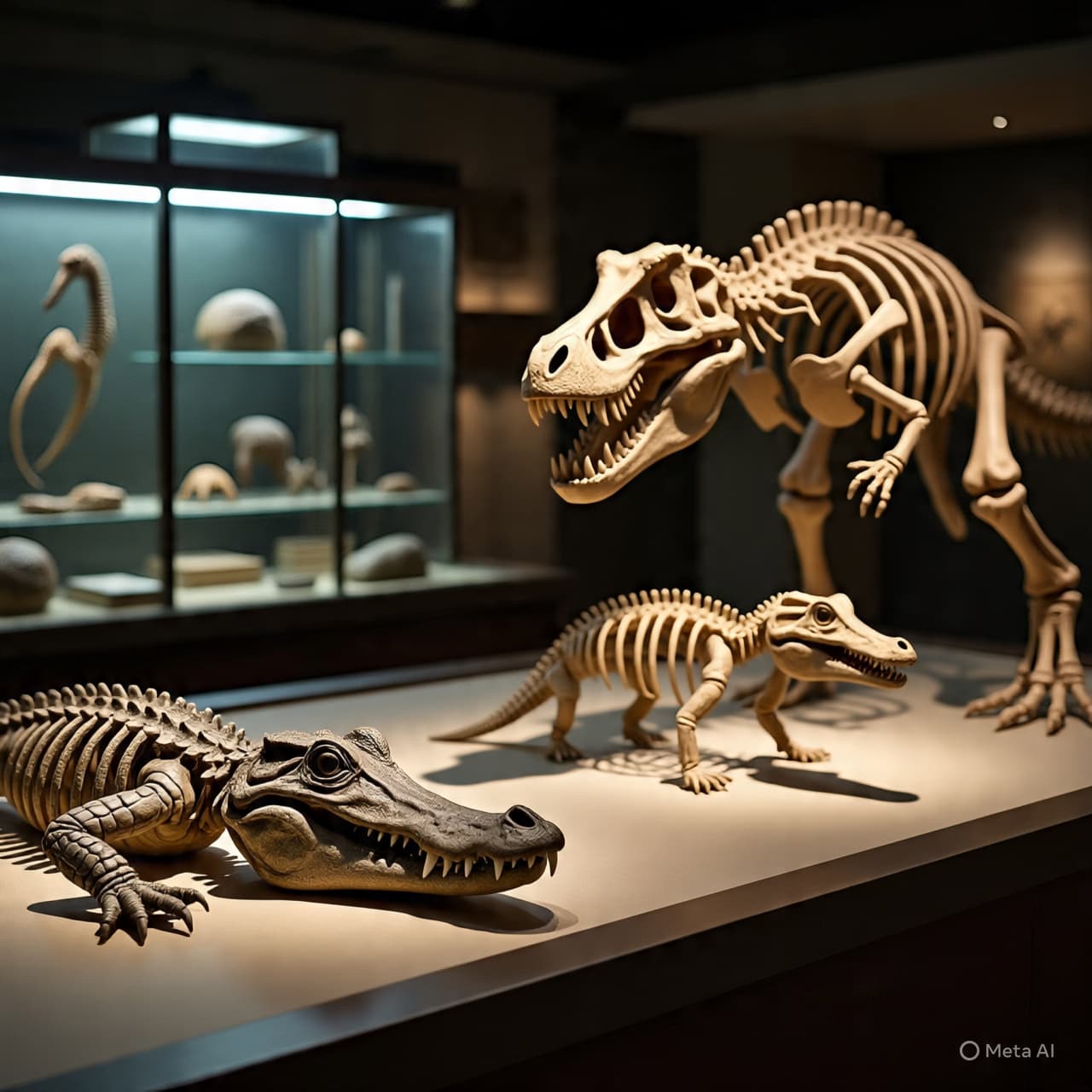
Scientists studying crocodile bone structure are uncovering clues about dinosaur growth, injury, and movement, using living reptiles to better interpret fossilized skeletons.

Scientists are exploring how fungi could transform lunar dust into fertile soil, potentially enabling future astronauts to grow food on the Moon within controlled habitats.

Astrophysicists have traced the origins of heavy metals like gold to neutron-star collisions occurring within merging galaxies, revealing how cosmic violence spreads valuable elements across the universe.

Search teams continue looking for a person swept out to sea near Greymouth, New Zealand, after a kayak washed ashore. Authorities are investigating whether the vessel is linked to the missing kayaker

New research suggests turbulent space weather near distant stars may distort extraterrestrial radio signals, spreading them across frequencies and making them harder for Earth’s telescopes to detect.

Scientists are developing self-healing materials that could allow future spacecraft to repair small cracks or punctures automatically, improving durability for long-duration space missions.

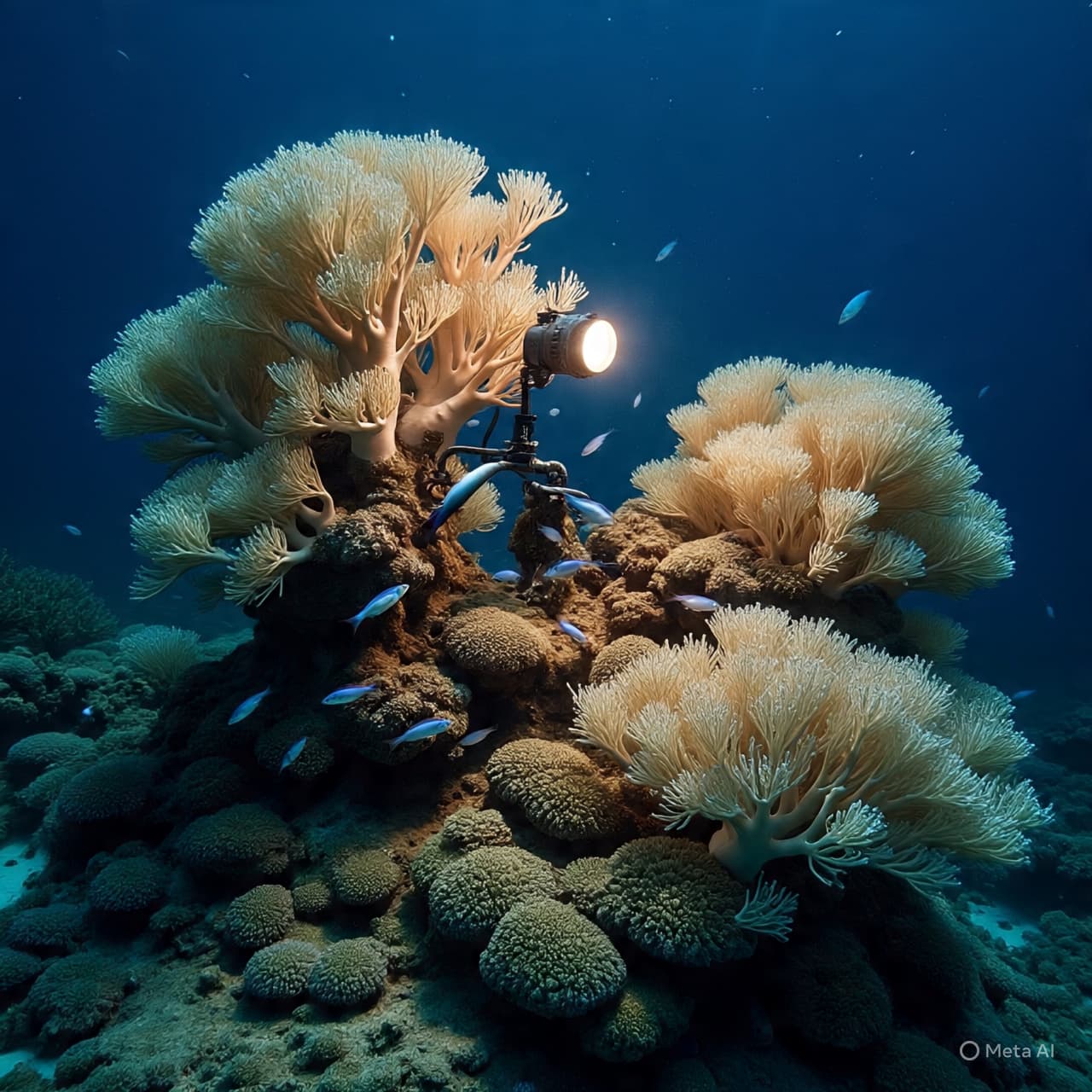
Researchers helped uncover one of the world’s largest cold-water coral reef systems off Argentina. The deep-sea ecosystem reveals vast biodiversity and opens new efforts to study and restore fragile coral habitats.

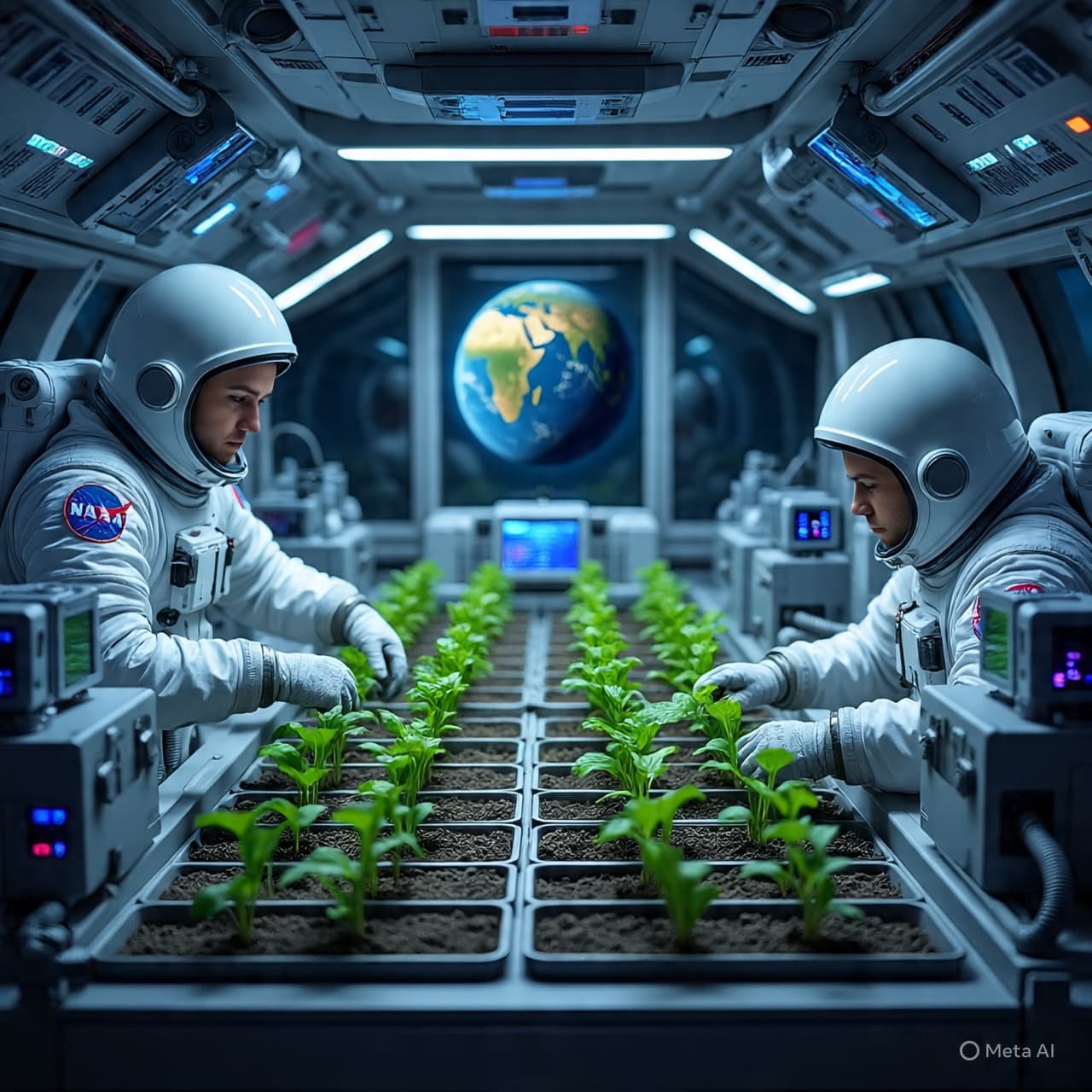
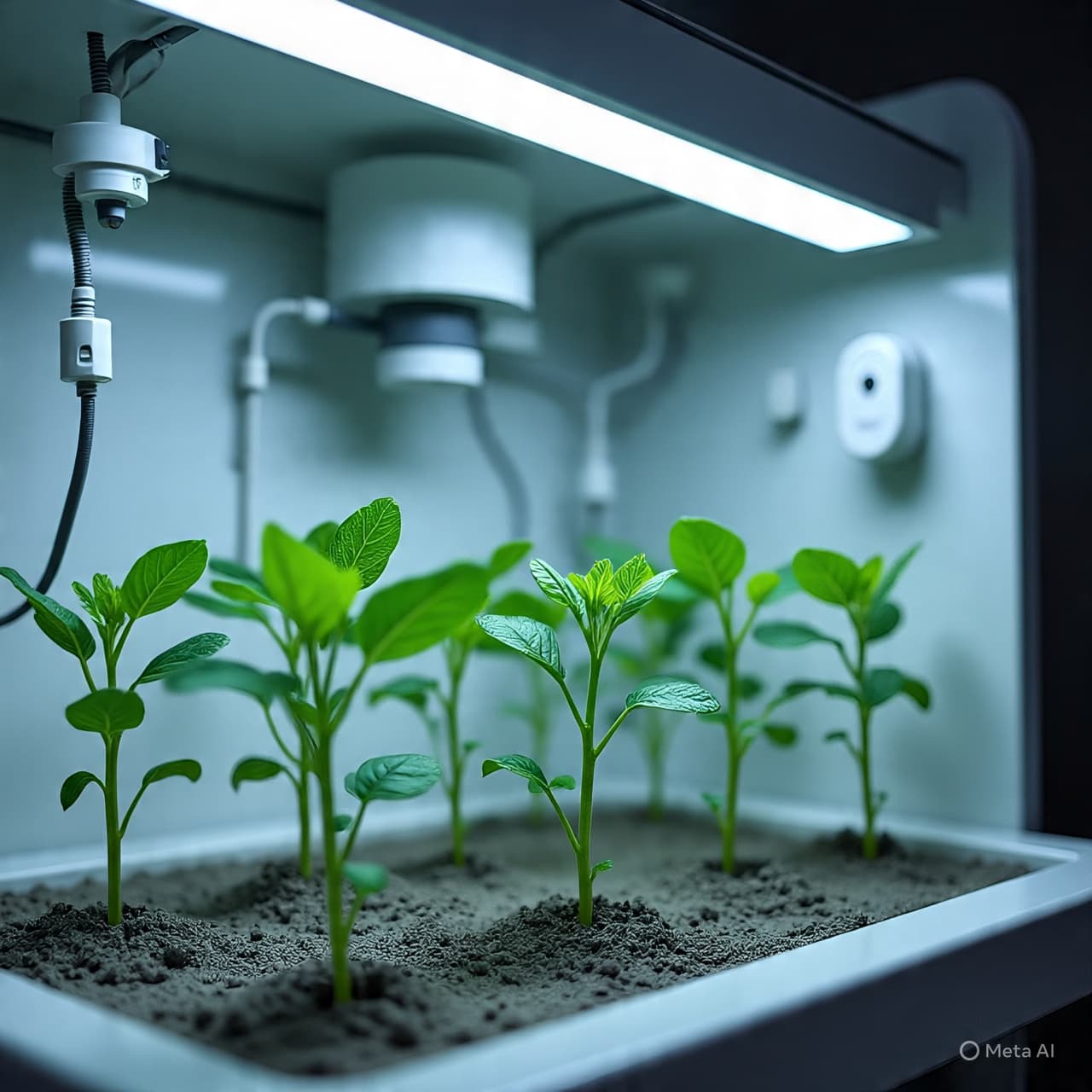
Scientists successfully grew chickpeas in simulated lunar soil using compost and beneficial fungi, offering early evidence that future lunar bases might cultivate their own crops.