On quiet riverbanks where crocodiles slip almost invisibly beneath the water, time seems to move differently. Their bodies, armored in scales and shaped by ancient instincts, carry a design that has endured for tens of millions of years. In the stillness of these reptiles—patient, watchful, and unchanged in appearance—scientists often see echoes of a far older world.
Long before humans walked the Earth, and long before mammals dominated its landscapes, reptiles ruled the planet. Dinosaurs filled forests, plains, and coastlines, evolving into forms both towering and delicate. Their reign ended abruptly around 66 million years ago, yet fragments of their story remain scattered through stone. Paleontologists have spent generations assembling those fragments, searching for clues that reveal how these creatures lived, moved, and grew.
Sometimes, however, the clues do not come from fossils alone. They come from living animals.
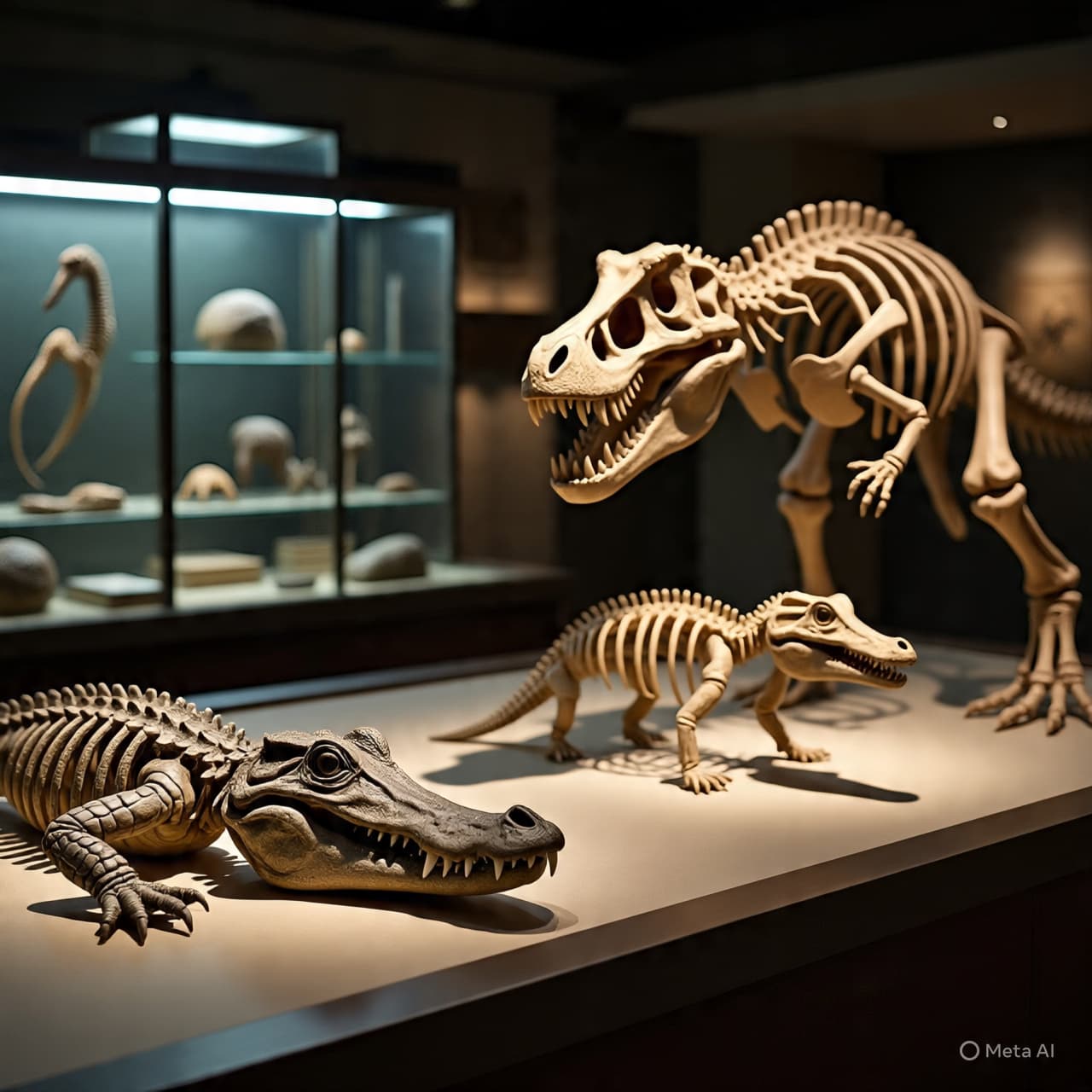
Recent research examining crocodile bones is offering scientists a new way to interpret the skeletons of dinosaurs. By studying how the bones of modern crocodiles develop, change, and heal over time, researchers can better understand what similar patterns in fossilized dinosaur bones might mean.
Crocodiles belong to a broader evolutionary group called archosaurs—a lineage that once included both dinosaurs and the ancestors of modern birds. Because of this shared ancestry, certain biological features have persisted across millions of years. Bone structure, growth patterns, and the way bones respond to injury can reveal surprising similarities.
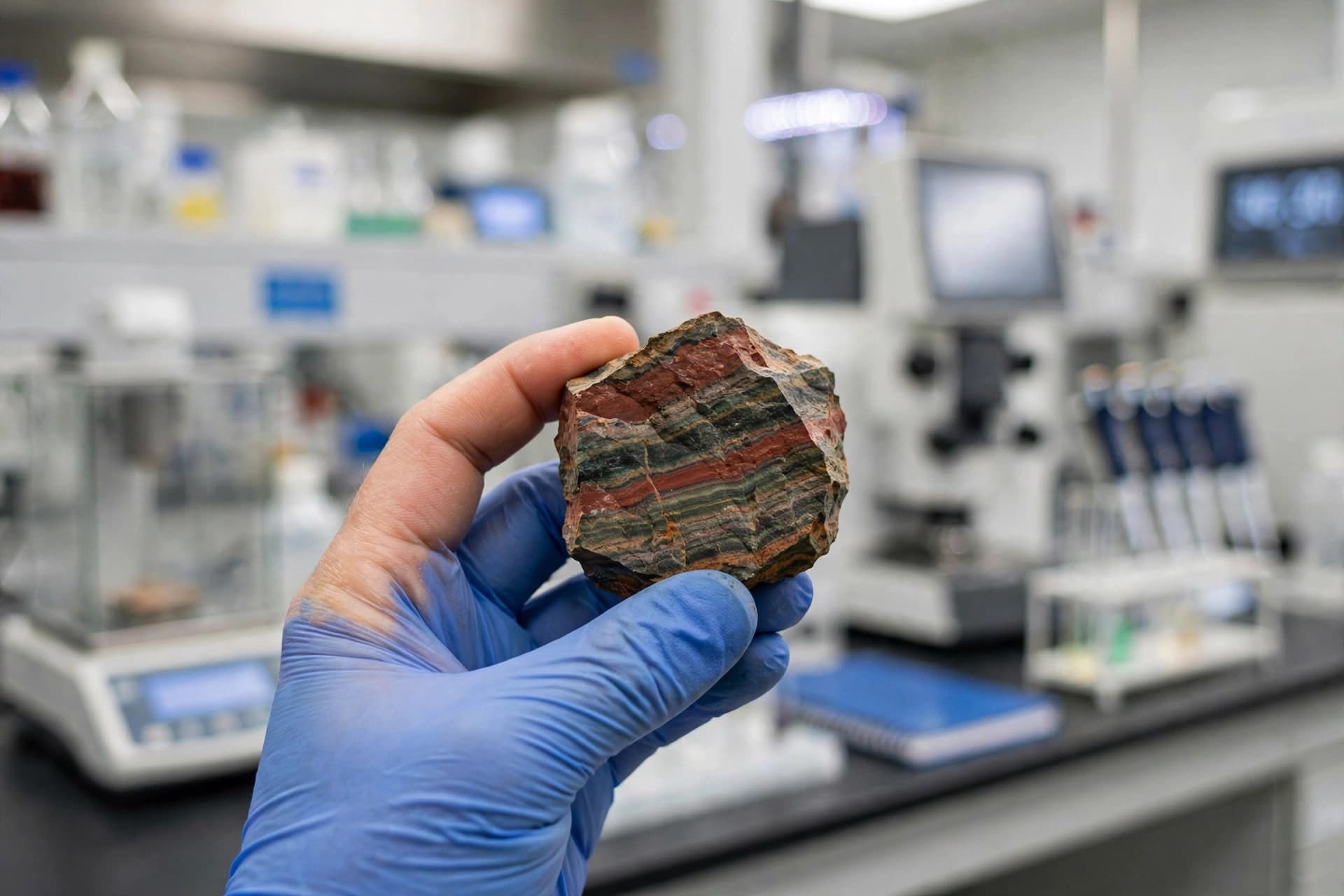
Using high-resolution imaging techniques such as CT scanning, scientists have begun analyzing the internal structure of crocodile bones in detail. Beneath the dense outer surface, bones contain microscopic patterns—layers formed during growth, tiny channels that once carried blood vessels, and subtle traces left by healing injuries. These internal signatures act almost like biological records, quietly preserving the history of an animal’s life.
When paleontologists examine fossilized dinosaur bones, they sometimes find similar patterns. But without living comparisons, interpreting those structures can be difficult. Are certain markings signs of disease, stress, or simply normal growth? Did a bone deform because of injury, or was it part of the animal’s natural anatomy?
Crocodiles provide a living reference point.
In recent studies, researchers observed how crocodile bones respond when the animals experience injury or unusual mechanical stress. The bones adapt by thickening in certain areas or altering their internal structure, reinforcing regions that bear greater loads. These changes create patterns that can later be detected in scans and cross-sections.
Such insights help scientists reconsider features observed in dinosaur fossils. Some bone shapes once interpreted as rare abnormalities may actually represent common biological responses to stress or movement. In other cases, unusual bone growth may indicate that a dinosaur survived injuries long enough for healing to occur—a detail that quietly reveals resilience in creatures long extinct.
The research also highlights how bones reflect the mechanics of an animal’s body. The stresses placed on limbs during walking, running, or hunting influence how bones grow and strengthen over time. By comparing crocodile bone structures with fossil evidence, scientists can refine their understanding of how dinosaurs moved and supported their enormous weight.
Crocodiles, of course, are not dinosaurs. Their bodies are adapted to life in water and along riverbanks, while many dinosaurs evolved for life on land, in trees, or in the air. Yet evolutionary kinship leaves behind shared biological patterns that remain visible even after tens of millions of years.
In laboratories and museums, this connection is becoming increasingly valuable. Modern imaging tools allow researchers to examine fossils without damaging them, revealing internal structures that were once hidden within stone. When these discoveries are compared with living animals like crocodiles, the fossil record begins to speak more clearly.
What emerges is a picture not only of ancient giants but of living biology—bones responding to stress, healing after injury, and recording the rhythms of growth. The skeletons of dinosaurs, long silent in museum drawers, begin to feel less like relics and more like echoes of once-living bodies.
And along the banks of modern rivers, where crocodiles drift quietly through murky water, their ancient lineage continues—offering subtle hints about creatures that disappeared millions of years ago but whose story is still unfolding through science.
Published by Banx Network. This article is part of the Banx decentralized media programme, powered by the BXE token on the XRP Ledger.