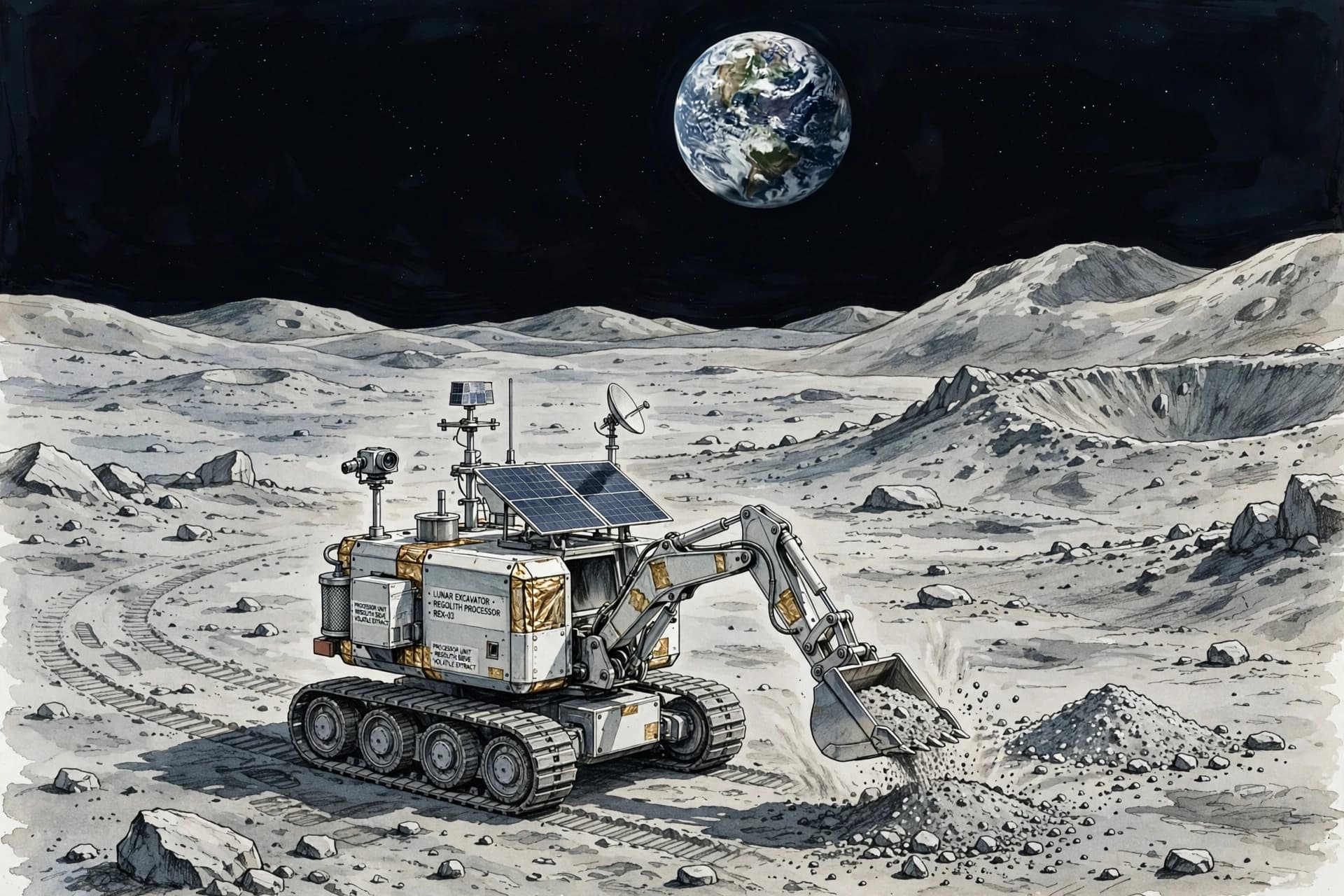
The Moon has always been a quiet witness to human ambition. For centuries it was simply a distant companion in the night sky, a silver circle drifting above oceans and deserts. Then, in 1969, the silence was briefly broken when human footprints pressed into its dust and a flag rose against the stark horizon.
Now, more than half a century later, the Moon again finds itself at the center of renewed attention. Nations are preparing for a return—not just for a moment of exploration, but for a longer presence that could shape the next chapter of space travel.
Among the countries preparing for that journey is China, whose rapidly expanding space program has outlined plans to send astronauts to the lunar surface around 2030. As engineers design spacecraft and rockets capable of carrying people across the 240,000 miles between Earth and the Moon, scientists are also considering a quieter question: where exactly might those astronauts land?
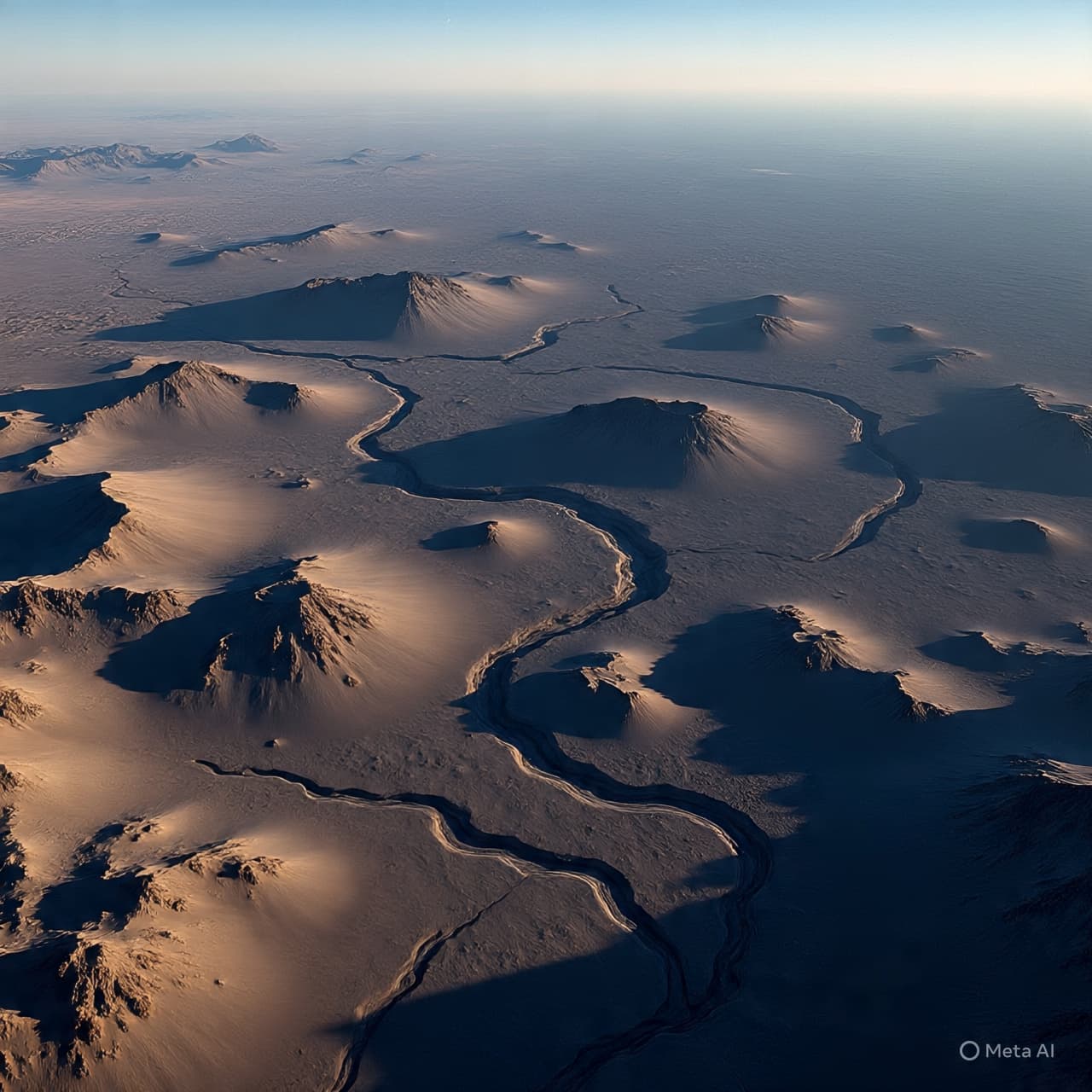
Recent discussions among researchers suggest that a relatively lesser-known lunar region called Rimae Bode could emerge as one of the leading candidates. Located within the Moon’s near-side volcanic plains, the area consists of long, winding channels formed by ancient lava flows billions of years ago.
Unlike the dramatic mountains or massive impact craters often seen in photographs of the Moon, Rimae Bode is a more subtle landscape. Its surface features shallow valleys and winding rilles—remnants of lava that once flowed across the lunar surface when the Moon was far more geologically active than it appears today.
For mission planners, however, such terrain may offer practical advantages. Compared with rugged highlands or steep crater walls, the smoother volcanic plains provide relatively stable areas for landing spacecraft. A safe landing site remains one of the most important requirements for any crewed mission.
But geography is only part of the equation.
Scientists also consider what the surrounding landscape might reveal about the Moon’s history. Regions shaped by ancient lava flows may contain clues about the Moon’s volcanic past, offering astronauts opportunities to collect rock samples that differ from those gathered during the Apollo missions more than five decades ago.
These scientific possibilities add another layer of meaning to a potential landing site. A single patch of lunar ground could become both a symbolic milestone and a place for meaningful discovery.
At the same time, the broader lunar landscape is attracting attention for another reason: resources. In particular, the Moon’s south pole has become one of the most coveted destinations for future missions. Deep craters in that region may contain frozen water ice—an invaluable resource that could be used for drinking water, oxygen, and even rocket fuel.
Because of this potential, several countries are considering missions to the polar region. NASA’s Artemis program, for example, plans to send astronauts to the lunar south pole later this decade, marking the first human return to the Moon since the Apollo era.
China’s long-term ambitions extend beyond a single landing. The country has proposed collaborating with international partners to build an International Lunar Research Station, a scientific outpost that could eventually support extended exploration on the Moon.
Choosing the first landing site, therefore, carries both symbolic and practical weight. It represents not only a destination but also the starting point for future exploration.
For now, locations like Rimae Bode remain possibilities rather than confirmed plans. Engineers must still evaluate landing safety, communication coverage, scientific value, and mission logistics before any final decision is made.
Yet the discussion itself reflects how the Moon is gradually shifting from a distant object of curiosity into a place of renewed human activity.
In the coming years, spacecraft from multiple nations will likely circle its surface, robotic landers will continue to explore its terrain, and astronauts may once again walk across its ancient plains.
Where exactly the next flag will stand remains uncertain.
But somewhere among the Moon’s quiet valleys and lava-carved channels, the dust may soon receive another set of human footprints—marking a moment when exploration once again reaches beyond Earth.
AI Image Disclaimer Graphics are AI-generated and intended for representation, not reality.
sources include:
Scientific American Space.com Nature Reuters The Guardian
Published by Banx Network. This article is part of the Banx decentralized media programme, powered by the BXE token on the XRP Ledger.