HEALTH94% credibility
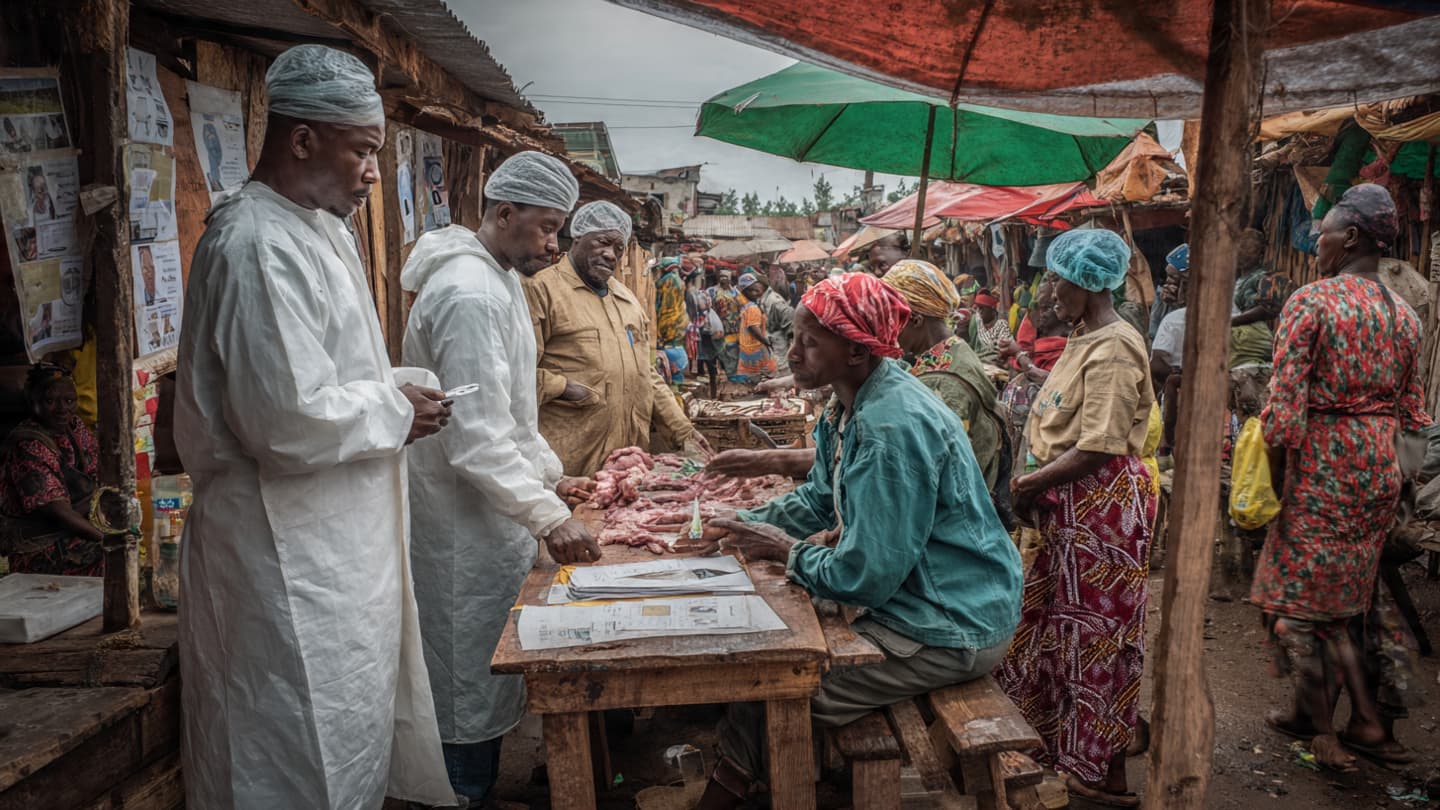
The Forest Feeds Communities While Quietly Holding Ancient Risks
Health experts warn that handling infected wild animals may contribute to Ebola transmission as Congo faces a continuing outbreak.
2 min read

Health experts warn that handling infected wild animals may contribute to Ebola transmission as Congo faces a continuing outbreak.

Health authorities in Congo are intensifying Ebola monitoring and response measures to prevent wider transmission.
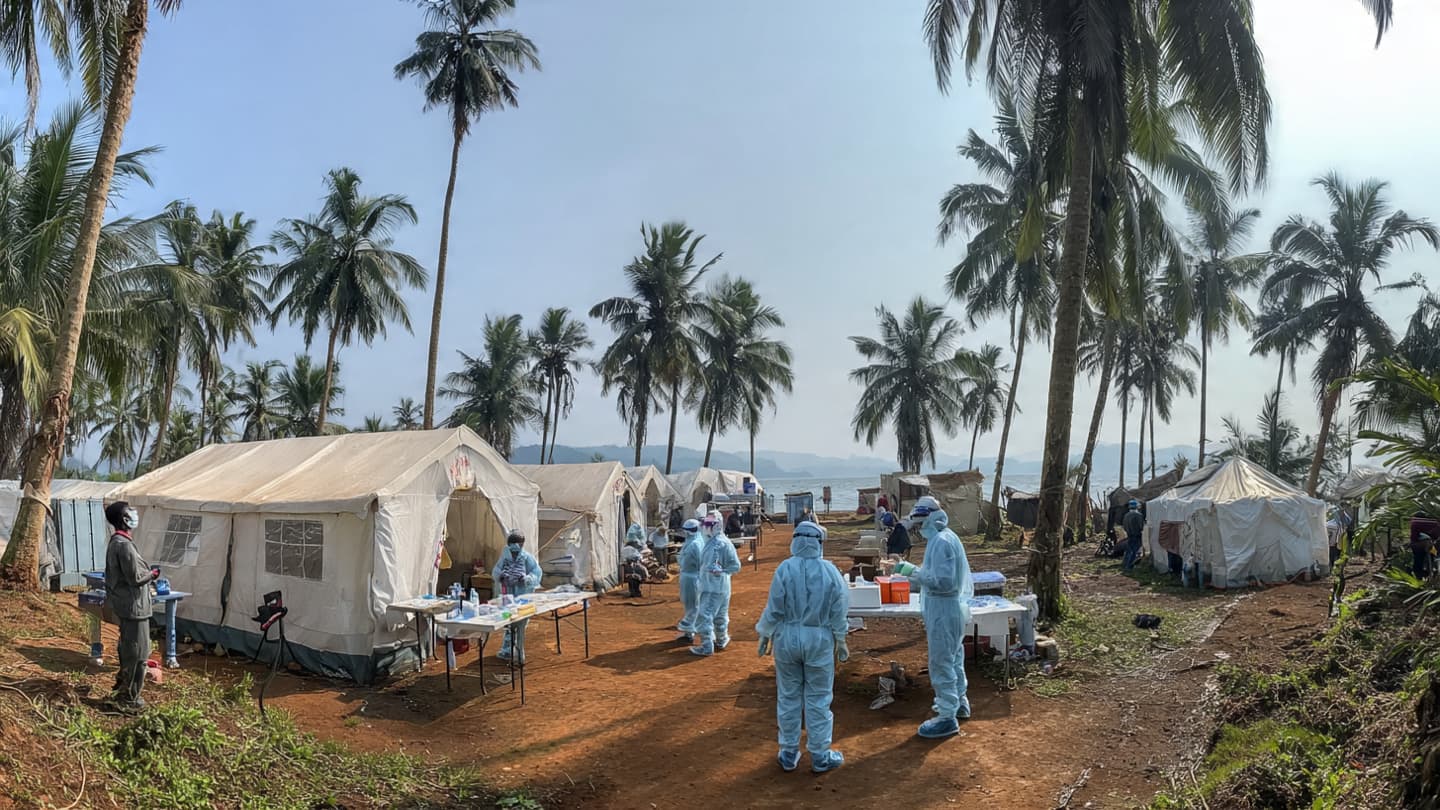
WHO reports a 30–50% fatality rate in a DRC Ebola outbreak as officials arrive to coordinate response efforts

Passengers exposed to hantavirus on a cruise may return home but remain under continuous health monitoring.

Early research suggests nasal spray-based treatments may influence brain aging in experimental models, but human application is not yet confirmed.
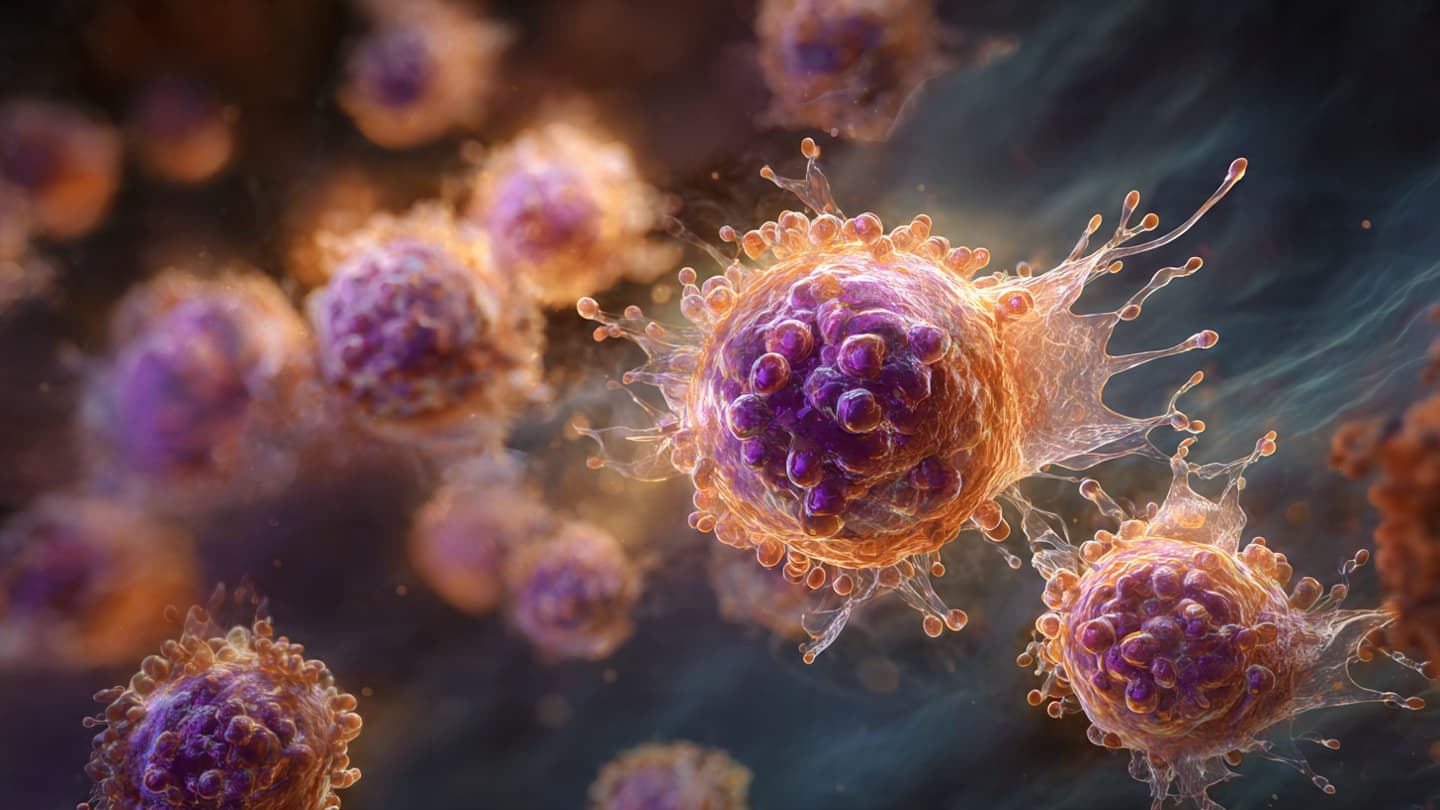
Researchers are improving CAR T-cell cancer therapy using stem cell approaches to enhance effectiveness and precision.
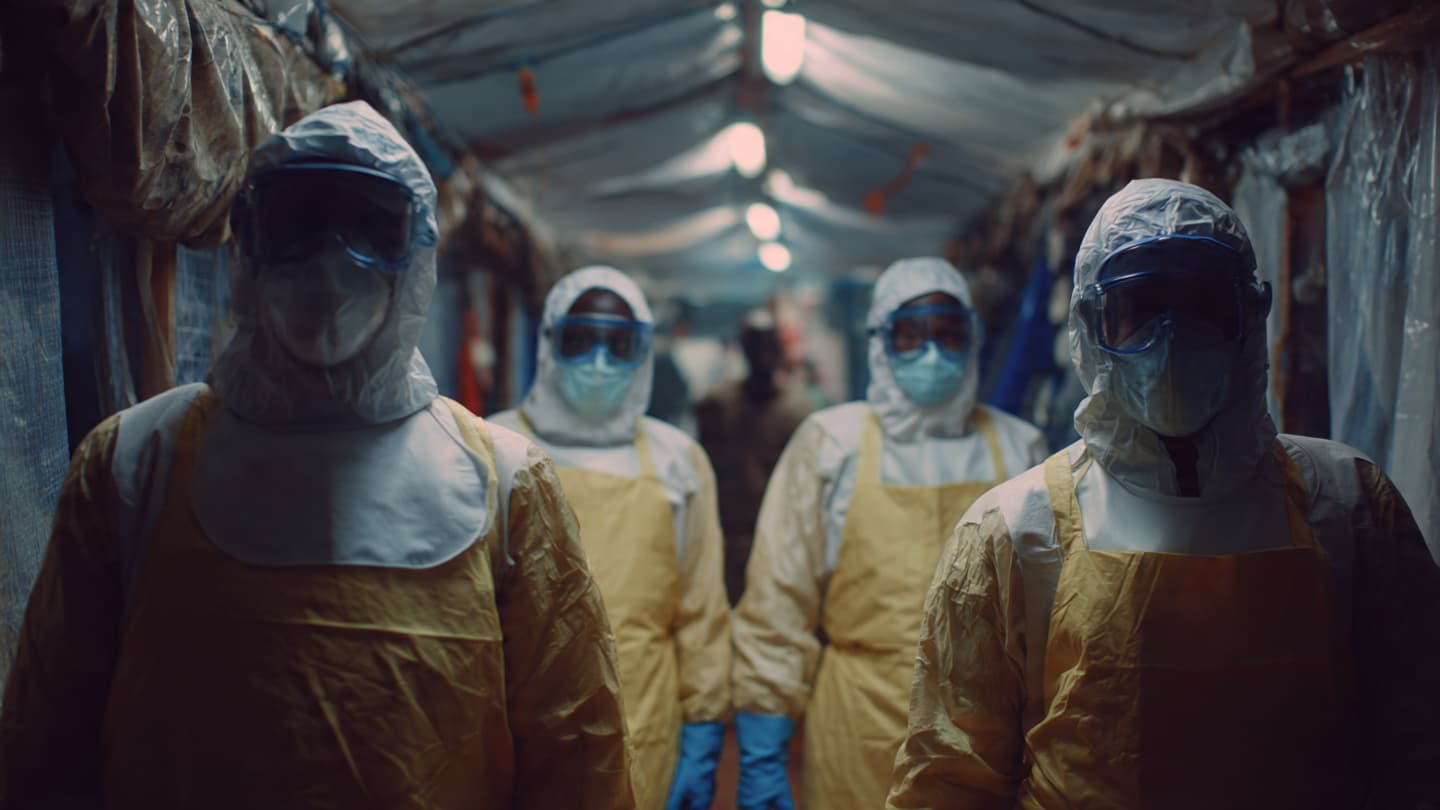
Canada and the Bahamas introduce travel restrictions and screening measures following renewed Ebola outbreaks in Africa.
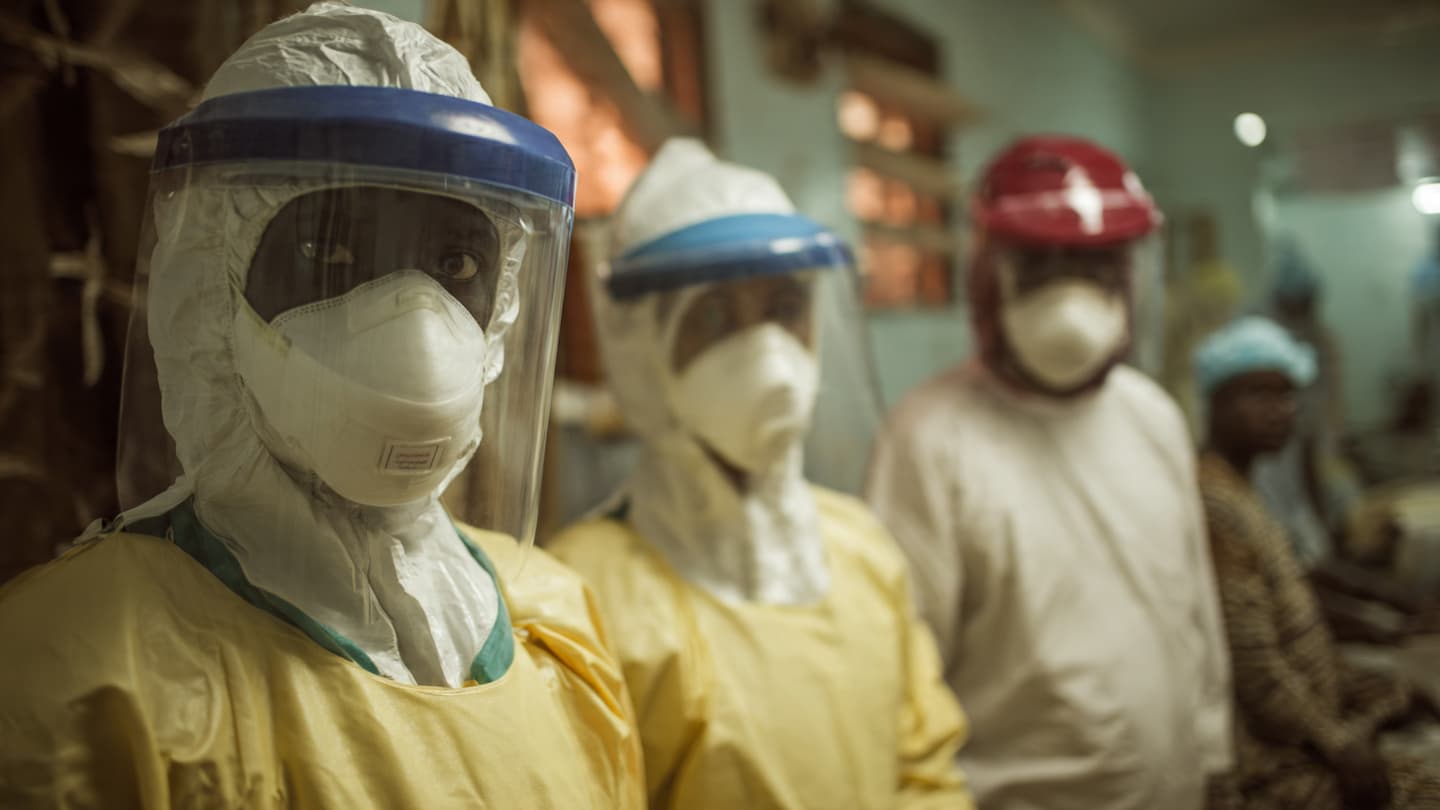
Uganda confirms new Ebola cases as WHO strengthens regional preparedness and containment measures.
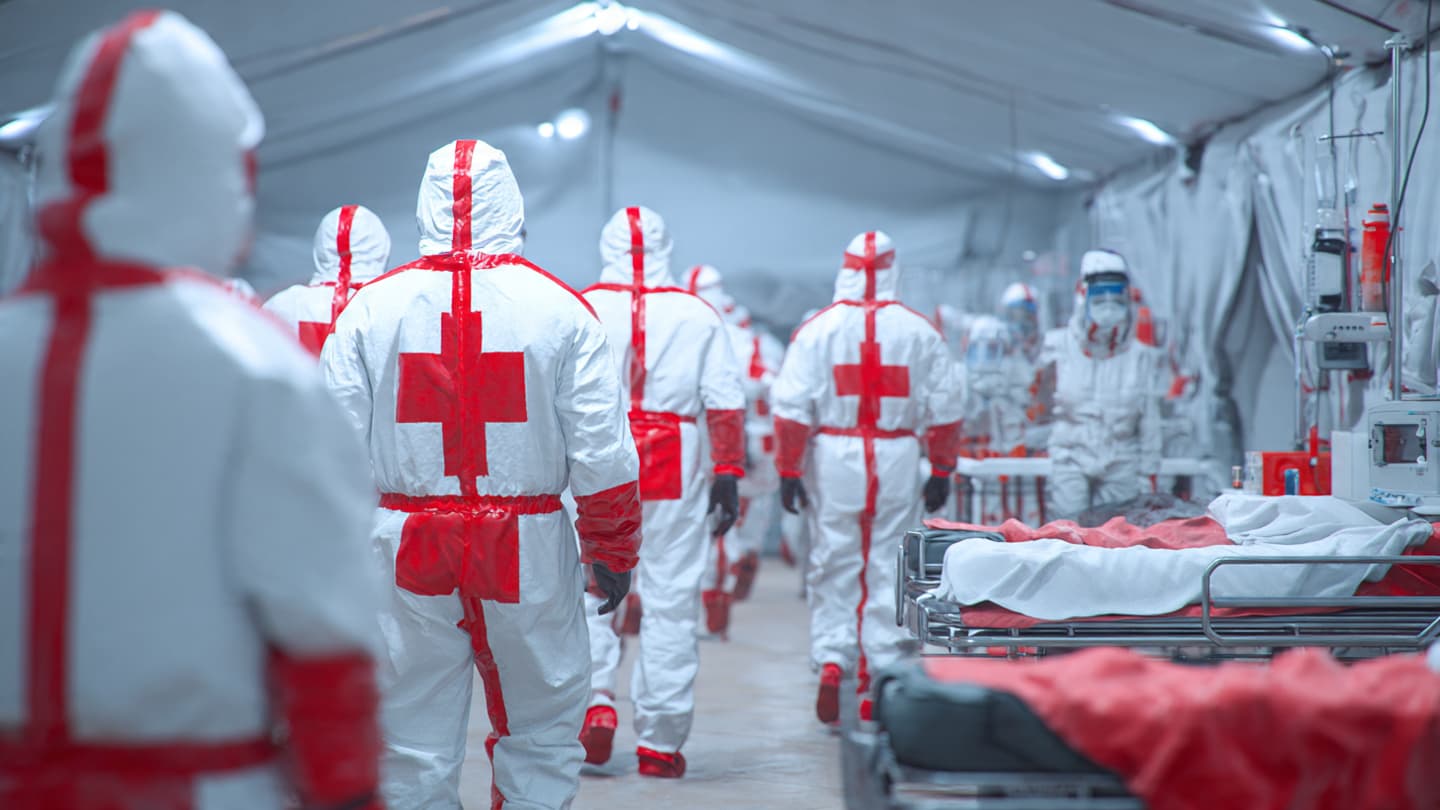
Health officials warn that the Ebola outbreak in Congo is spreading rapidly, challenging regional healthcare systems and emergency response efforts

Scientists are developing a non-laser eye correction technology using electrical pulses and specialized lenses to improve vision treatment.
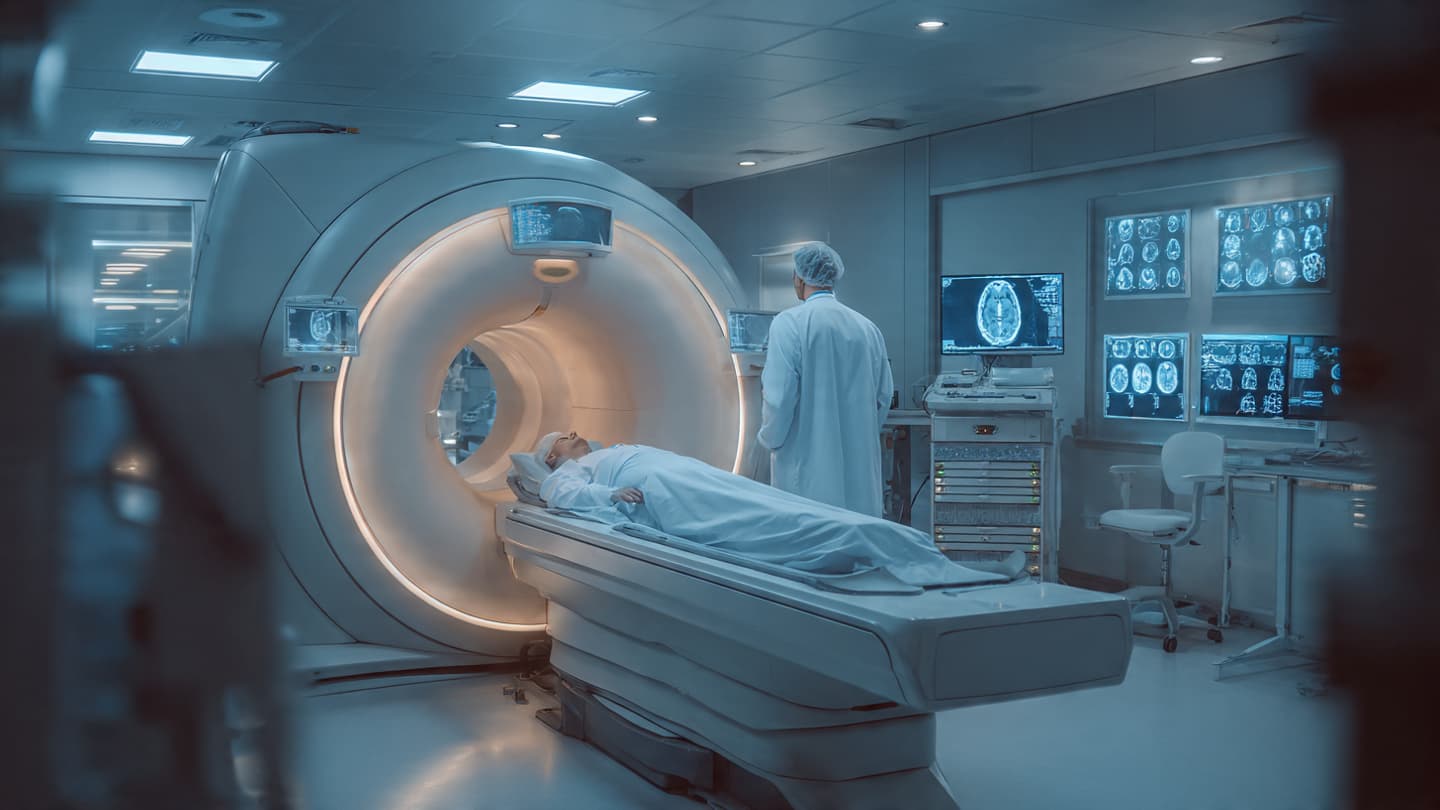
New research suggests long COVID symptoms may involve multiple biological mechanisms beyond brain inflammation alone.

The American Cancer Society now includes blood testing among recommended colorectal cancer screening options to improve access and early detection.
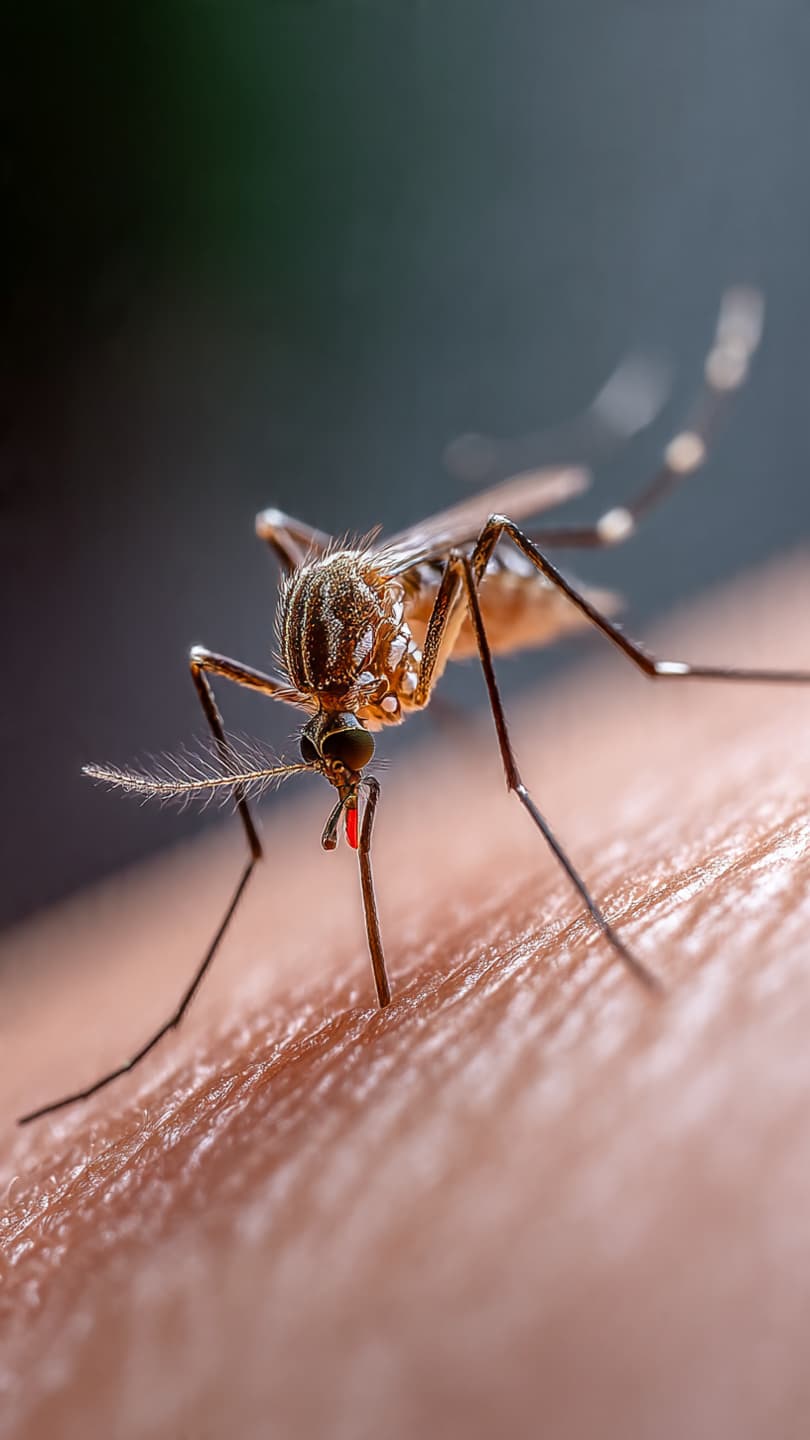
A new study suggests mosquitoes may learn to associate DEET repellents with feeding, though experts still recommend repellents as effective protection.

A new five-level disaster alert system aims to provide clearer, tiered communication, helping the public navigate extreme weather while integrating critical health risk management strategies.
.jpeg&w=3840&q=75 "The Quiet Power of the Harvest: How Legumes Shape the Rhythms of Our Circulatory Health")
New research shows that regularly consuming beans and soy can reduce high blood pressure risk by nearly 30%, highlighting the protective cardiovascular effects of these nutrient-dense plant staples.
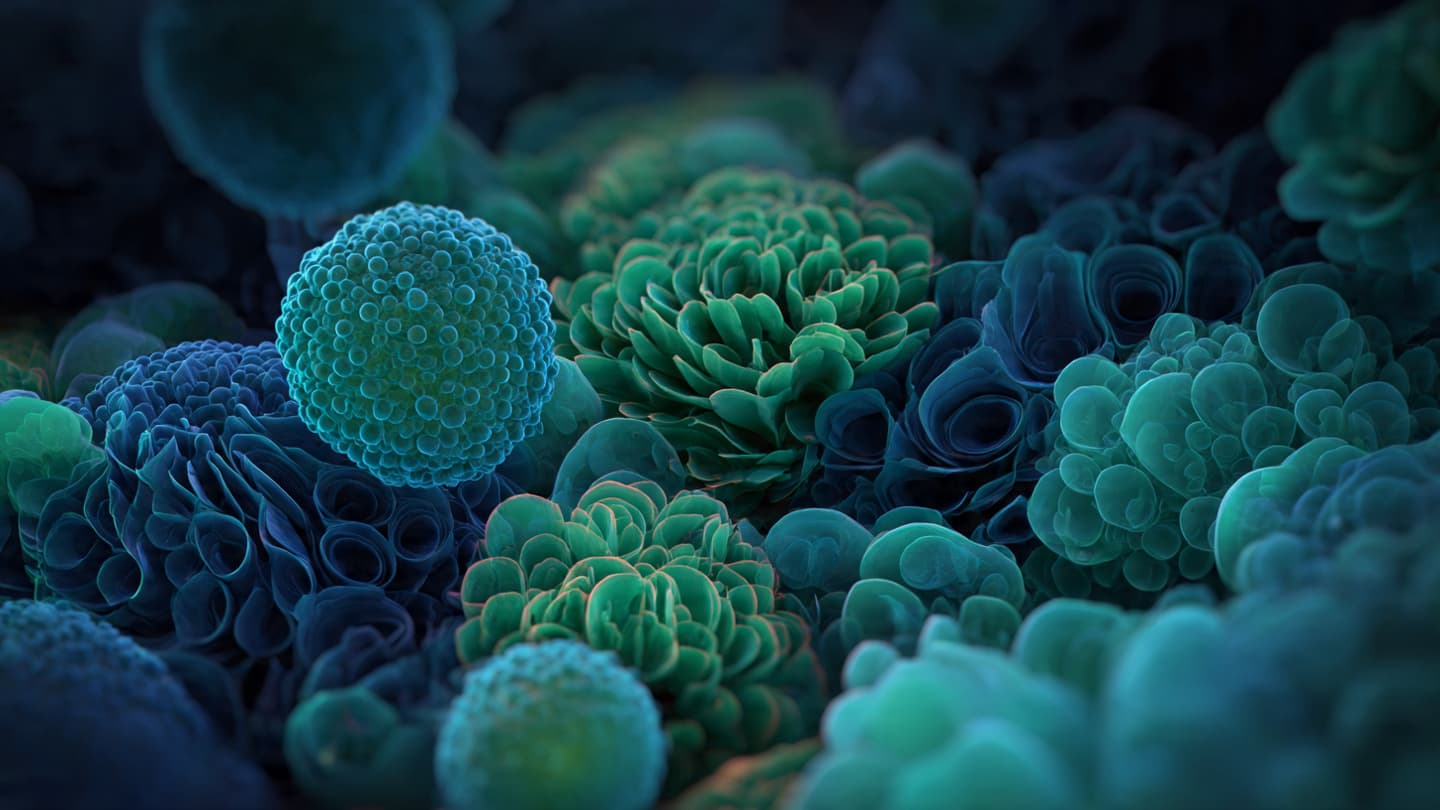
Rising global temperatures are creating new environments that facilitate the growth of antibiotic-resistant Salmonella. This environmental shift complicates global public health efforts.
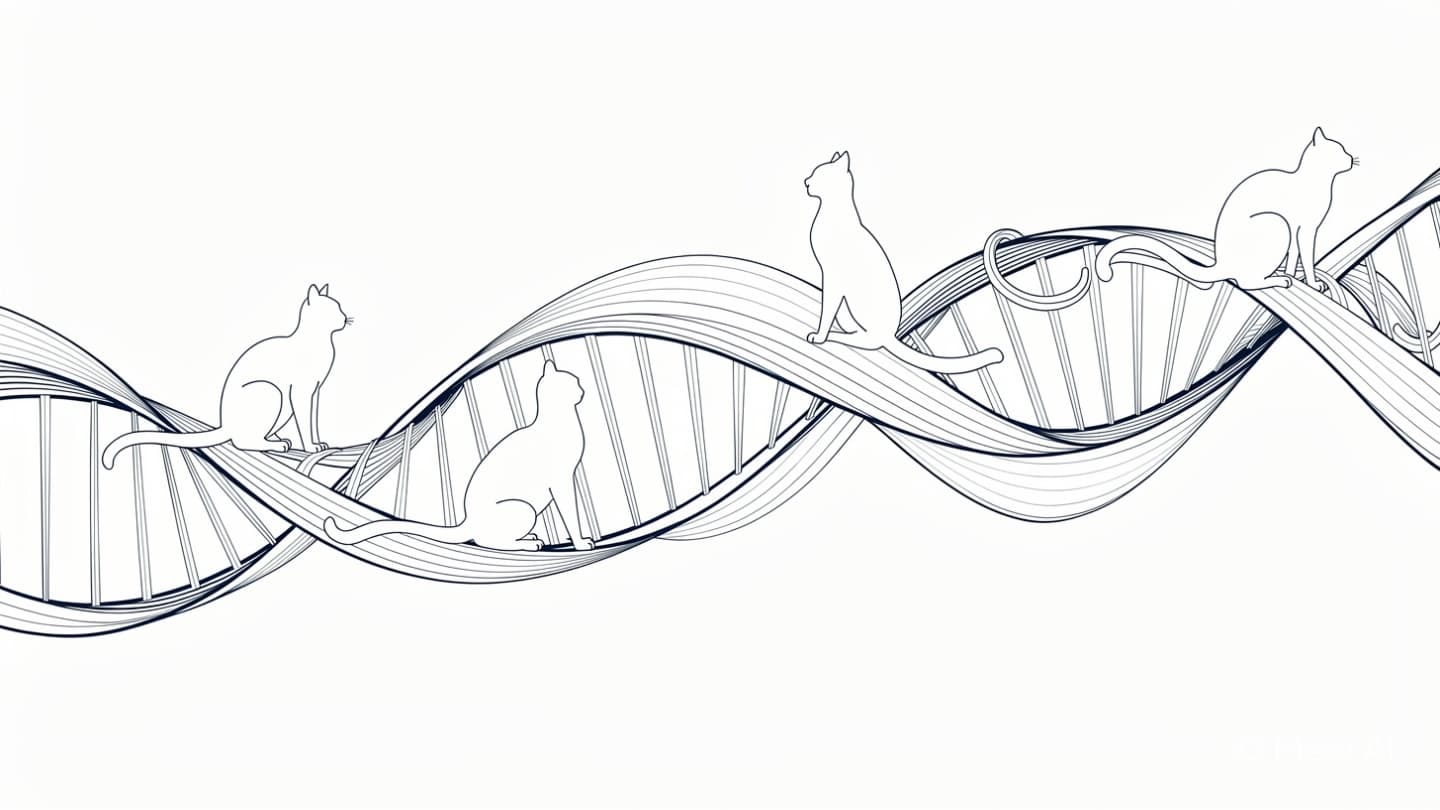
A massive genetic analysis of 500 feline tumors has revealed striking similarities to human cancer mutations, providing a valuable comparative model to accelerate future oncology treatments.

Japan’s low birthrate stems from a clash between rigid traditional gender roles and modern life. Structural workplace demands and unequal domestic burdens hinder family growth, defying simple fixes.
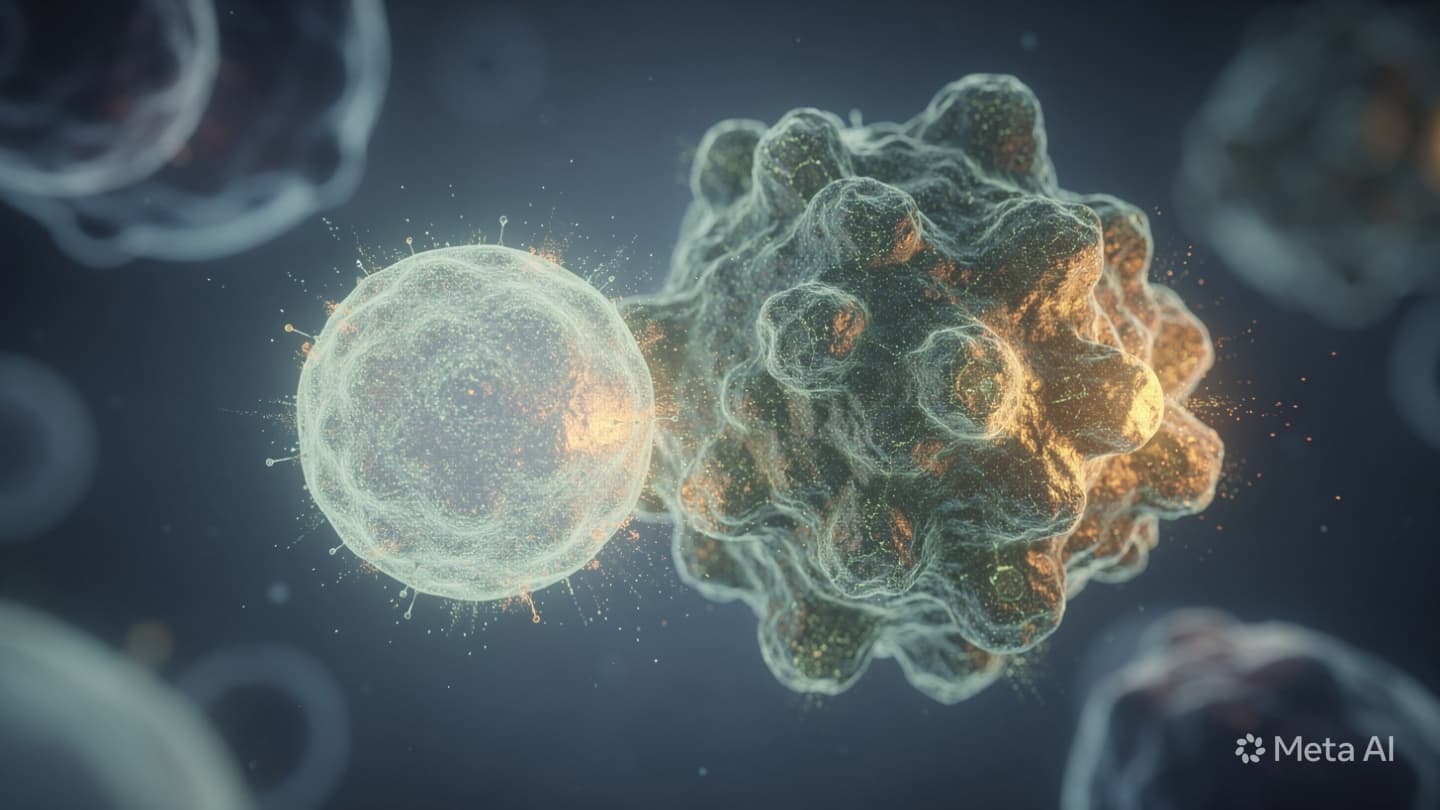
Scientists have successfully engineered Natural Killer cells to bypass tumor evasion tactics, creating a more potent immune defense against aggressive cancer cells through genetic refinement.

Senior-to-senior care programs, supported by digital health technology, are emerging as an innovative way to address the global aging challenge, fostering community and autonomy.

New research identifies blood-based protein markers that can predict psychosis risk in youth with high accuracy, offering a promising tool for early psychiatric intervention.

Respiratory virus activity, including flu, RSV, and COVID-19, has reached low, baseline levels globally, marking a period of stability in public health across the spring season.

Community-based initiatives and solidarity events are increasingly vital for childhood cancer survivors, providing peer support and psychosocial connection after treatment ends.

New genomic studies have identified specific gene variants that influence fat metabolism in the liver, linking fatty liver disease to increased risks for diabetes and obesity.