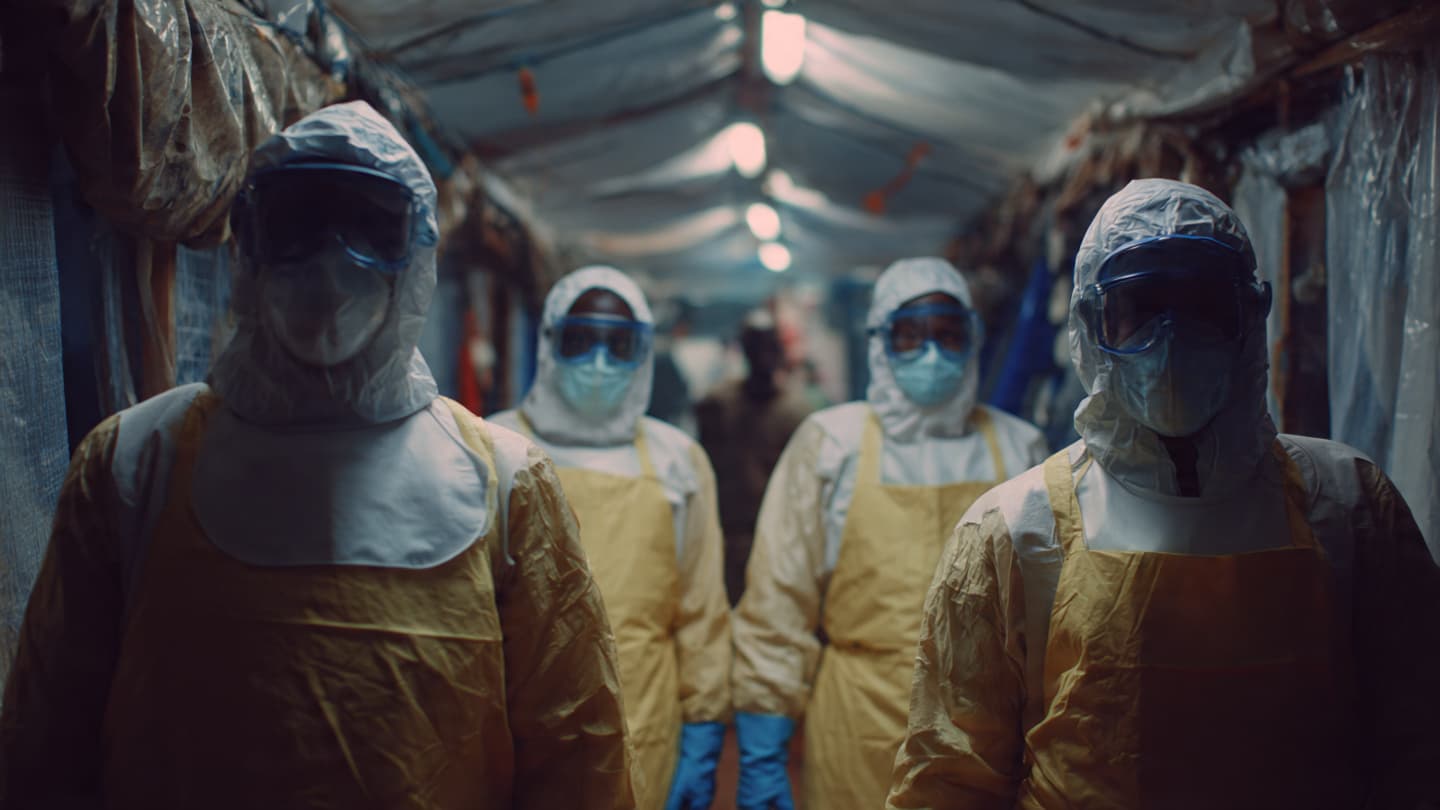
Modern air travel has made the world feel smaller, connecting continents in ways once unimaginable. Yet during moments of public health concern, those same connections also reveal how quickly anxiety can travel alongside people. This week, Canada and the Bahamas announced new travel restrictions linked to rising Ebola cases reported in parts of Central and East Africa.
The measures focus primarily on travelers arriving from countries experiencing recent outbreaks, including Uganda, Congo, and South Sudan. Health authorities emphasized that the restrictions are precautionary and intended to strengthen monitoring efforts while international agencies continue assessing the evolving situation.
Ebola remains one of the world’s most feared infectious diseases due to its severe symptoms and historically high fatality rates in some outbreaks. However, medical experts stress that modern surveillance systems, improved treatment methods, and international coordination have significantly strengthened global preparedness compared with earlier decades.
Canadian health officials stated that airport screening procedures and traveler monitoring protocols are being updated to reduce risks of imported infections. Authorities also reassured the public that no widespread domestic transmission has been reported. Similar guidance was issued in the Bahamas, where officials emphasized caution rather than alarm.
The World Health Organization continues working closely with affected African nations to contain outbreaks at the source. International medical teams are assisting with contact tracing, treatment facilities, and vaccination efforts where available. Public health experts repeatedly note that rapid containment remains essential in preventing wider international spread.
For African countries currently facing outbreaks, the challenge extends beyond medicine alone. Healthcare systems in several regions already operate under pressure due to limited infrastructure, funding shortages, and broader humanitarian concerns. International aid organizations have therefore called for sustained support rather than temporary emergency attention.
Memories of past Ebola crises continue shaping public reactions today. The devastating West African outbreak of 2014 left lasting impressions on global health institutions and influenced how governments respond to infectious disease threats. Since then, international coordination mechanisms have improved, though vulnerabilities still remain.
Medical researchers also emphasize the importance of clear public communication during outbreaks. Fear and misinformation can spread rapidly, sometimes faster than the disease itself. Health authorities in both Canada and the Bahamas have therefore encouraged citizens to rely on verified medical guidance and official updates.
As countries strengthen preventive measures, the current situation serves as another reminder that global health security depends heavily on international cooperation. Diseases do not recognize borders, and responses often require calm coordination across nations. For now, officials continue monitoring developments carefully while working to prevent wider escalation.
AI Image Disclaimer: Visual elements included with this article may contain AI-generated imagery created for editorial illustration.
Sources Reuters World Health Organization CBC News Associated Press
Published by Banx Network. This article is part of the Banx decentralized media programme, powered by the BXE token on the XRP Ledger.