In the field of global health, certain moments carry a familiar urgency, where statistics become a call for coordinated attention. When disease outbreaks intensify, international agencies often respond with rapid deployment of expertise and resources.
The World Health Organization has reported that an ongoing Ebola outbreak in the Democratic Republic of the Congo (DRC) has a case fatality rate estimated between 30% and 50%. This range reflects historical patterns seen in some Ebola outbreaks, though outcomes can vary depending on strain and response capacity.
Ebola virus disease is a severe and often fatal illness transmitted through direct contact with infected bodily fluids. Health systems in affected regions typically activate emergency response protocols involving isolation, contact tracing, and community engagement.
WHO leadership has arrived in the DRC to coordinate response efforts with national health authorities. Such visits are part of standard outbreak management practices aimed at strengthening surveillance, treatment, and containment strategies.
The DRC has faced multiple Ebola outbreaks over past decades, leading to the development of specialized response teams and vaccination strategies in coordination with international partners.
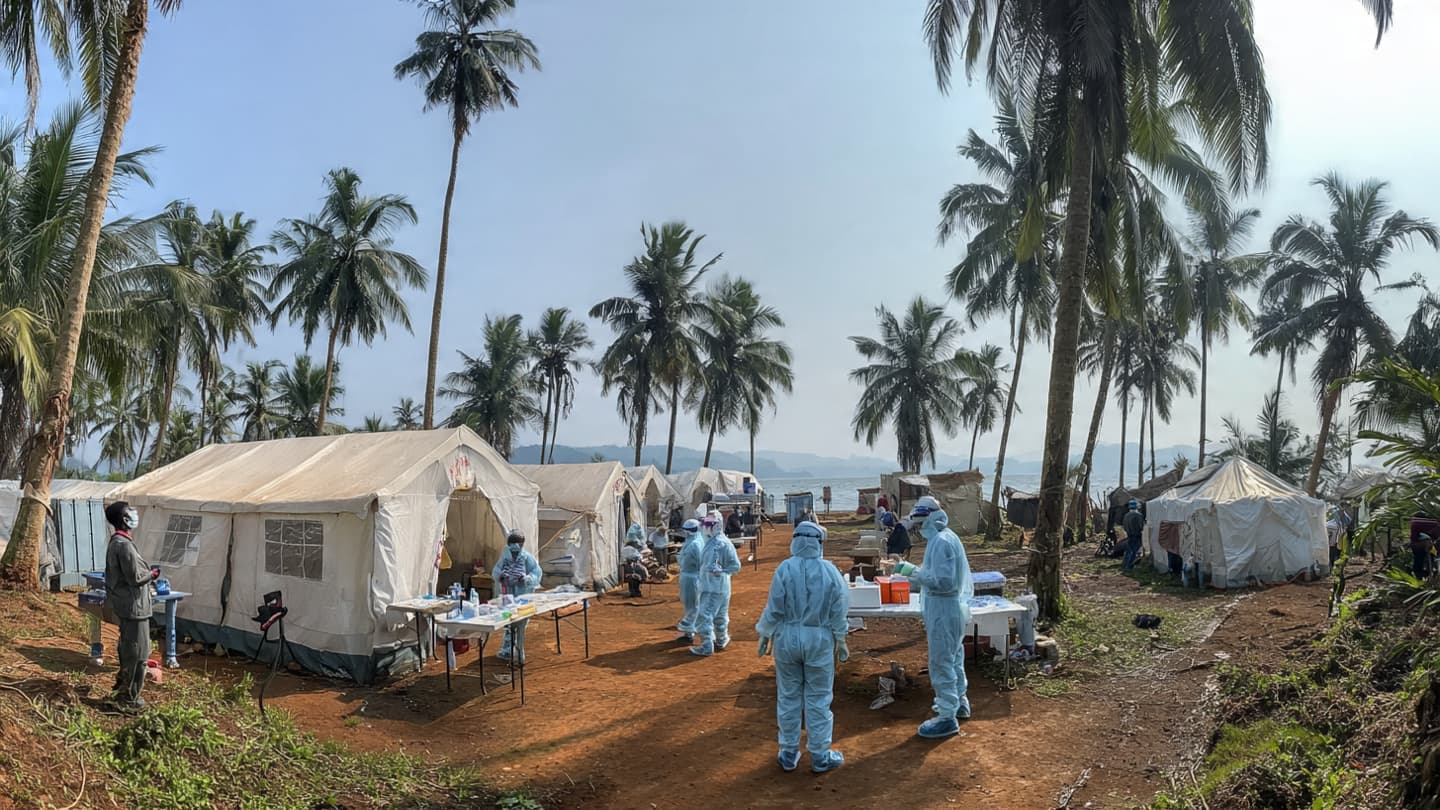
Medical response efforts often include treatment centers, protective equipment for healthcare workers, and public information campaigns designed to reduce transmission risks in affected communities.
Global health agencies emphasize that outbreak control depends on early detection, rapid isolation, and sustained community cooperation, particularly in regions with limited healthcare infrastructure.
The WHO’s assessment and on-the-ground engagement highlight the continued importance of coordinated international response in managing severe infectious disease outbreaks.
AI Image Disclaimer: Some visuals in this article may be AI-generated for public health and outbreak response illustration purposes.
Source Verification Check: World Health Organization, Reuters, Associated Press, CDC, BBC News
Published by Banx Network. This article is part of the Banx decentralized media programme, powered by the BXE token on the XRP Ledger.