CRYPTOCURRENCY0% credibility
Beyond Bitcoin's Shadow: Altcoins' Tangible Quest for Utility
Altcoin Adoption
3 min read

Altcoin Adoption
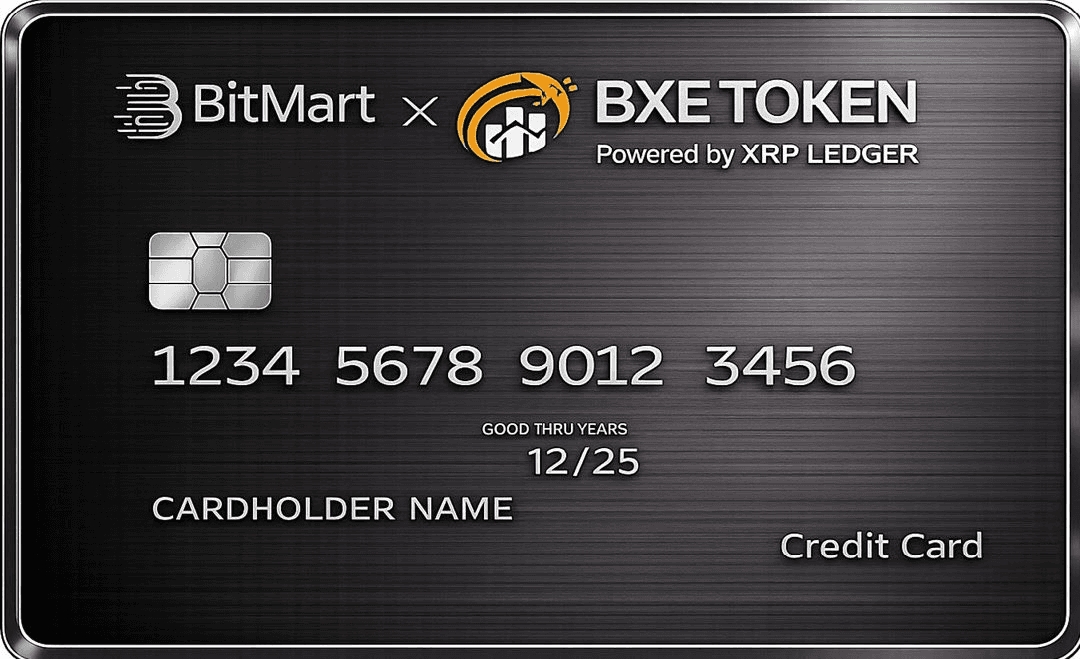
BitMart Exchange is launching the BXE x BitMart Credit Card, enabling users to spend crypto assets directly at merchants worldwide, with integrated BXE token features and rewards.
XRP's Horizon: Beyond the Noise, a Quiet Utility Unfolds
Bitcoin ETFs
Harvard shakes up its crypto strategy by selling Bitcoin and purchasing Ethereum - Fortune
Bitcoin, Ethereum, XRP Waffle as Crypto Crisis Deepens. Why It Could Get Worse. - Barron's
A multi-trillion-dollar shift to on-chain finance has officially begun — and three leaders are emerging fast: XRP, HBAR, and XLM. As global FX settlement, stablecoins, and tokenized assets move to blockchain rails, these networks are becoming the backbone of instant, borderless value transfer. This report breaks down the real-world adoption, institutional pilots, and early signals showing why XRP, HBAR, and XLM are positioned at the center of the next financial revolution.
The XRPL's architecture, designed for speed and scalability
A quiet hum, almost imperceptible beneath the usual market cacophony, has begun to resonate through the financial world: the tokenization of real-world assets. For years, this concept felt like a dist
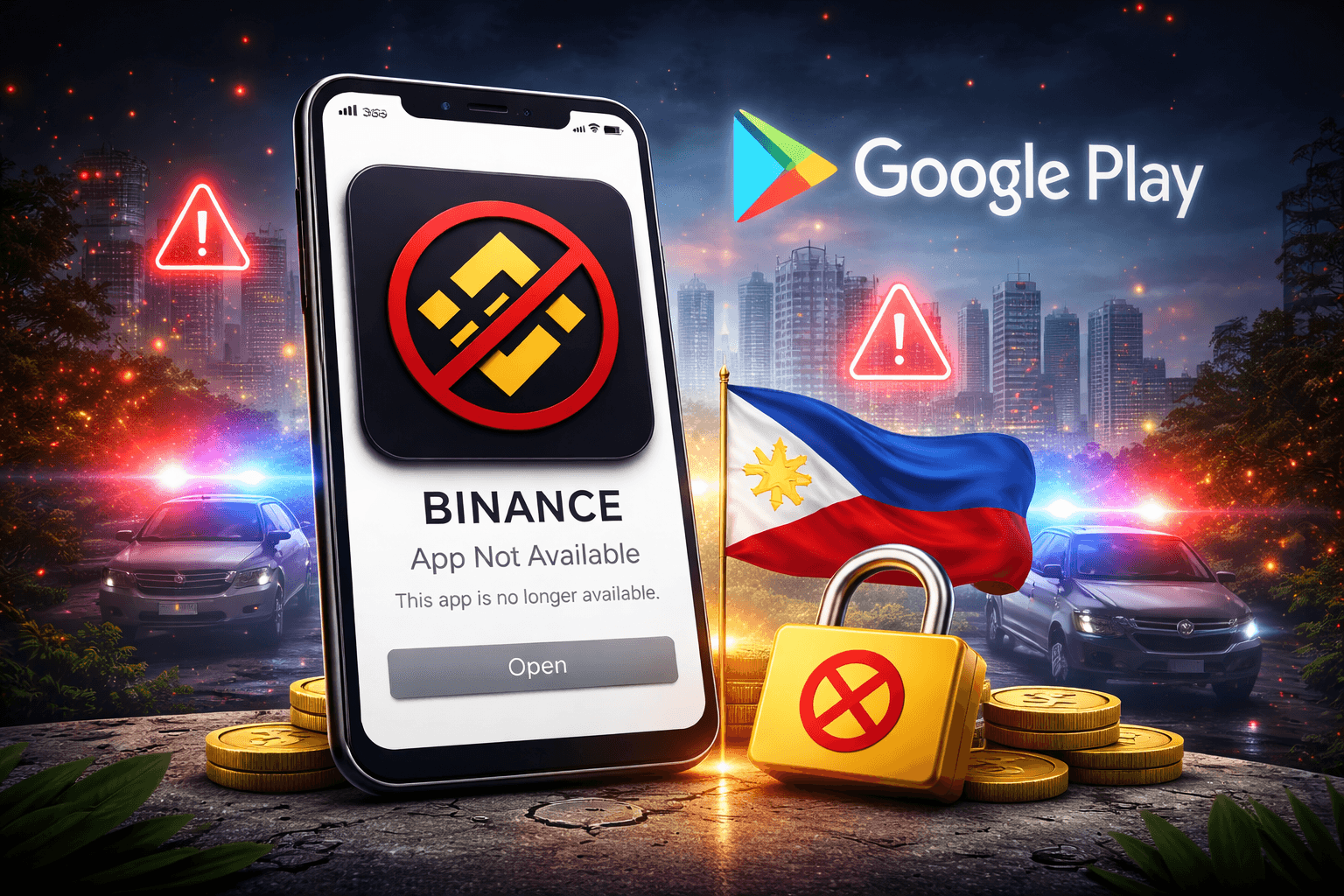
The Binance app has been removed from the Google Play Store in the Philippines amid SEC regulatory action, prompting users to seek licensed local crypto platforms for safer trading.
Beneath the surface of traditional finance, a new digital bazaar is taking shape. The potential of tokens like BXE lies in bridging decentralized agility with institutional demands, but the path is fr
The financial world, much like a seasoned gardener, often finds itself peering at the skies, seeking omens of changing seasons. For digital assets, the past year has felt like an unrelenting, bitter w
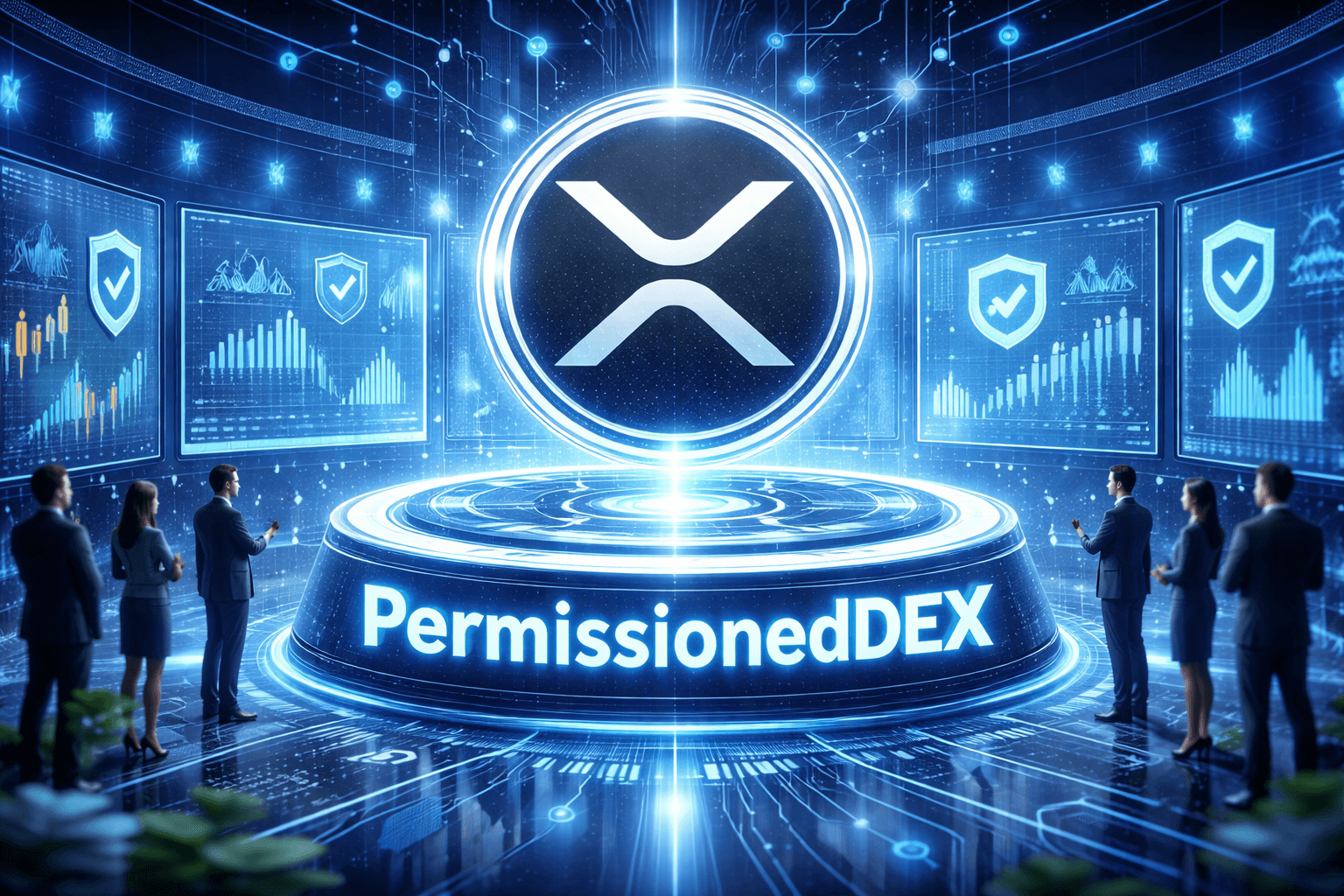
PermissionedDEX is now live on the XRP Ledger mainnet, enabling regulated, institution-friendly on-chain trading and strengthening XRPL’s role in compliant decentralized finance.
Ripple and Aviva Investors are partnering to bring traditional fund structures on chain via the XRP Ledger, using tokenization to improve efficiency, transparency, and accessibility in institutional asset management — a potentially transformative step for blockchain adoption in conventional finance.
A staggering $1.2 trillion. That’s the estimated value locked across various decentralized finance protocols, many of which are theoretically governed by Decentralized Autonomous Organizations, or DAO

The transformation of X is accelerating. Under the leadership of Elon Musk, the platform is no longer positioning itself as just a social network — it is evolving into a global financial infrastructure through its strategic initiative known as X Money. This move marks a decisive step in Musk’s ambition to turn X into a Western super-app, integrating communication, commerce, artificial intelligence, and digital payments within a single ecosystem.
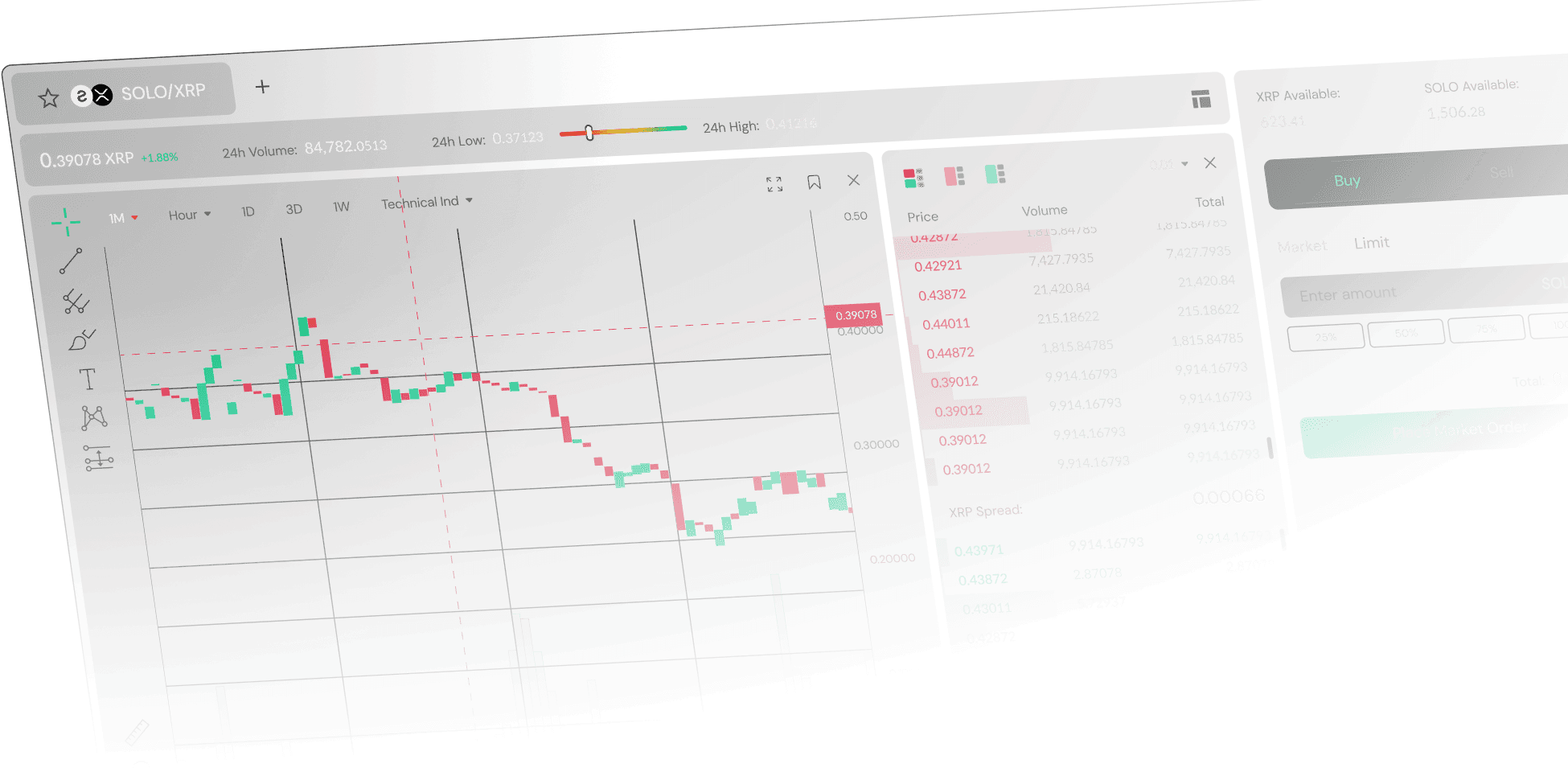
The network backed by Ripple has reached a major strategic milestone with the activation of its Permissioned DEX on the XRP Ledger. This technical evolution signals a clear shift: positioning the blockchain infrastructure not only as a cross-border payments solution, but as a regulatory-compatible DeFi ecosystem for institutional finance.

Coins.ph users in the Philippines can now log in using their Google accounts, simplifying access, enhancing security, and supporting passwordless authentication across mobile and web platforms.

Ripple has joined the Federal Reserve’s public consultation on the OP 1877 pilot, advocating for broader payment system innovation that could allow non bank institutions direct access to central bank payment accounts and reshape how digital assets and stablecoins operate within traditional financial infrastructure.
The quiet hum of the market, often punctuated by the shrill cries of exuberance or despair, felt a distinct shift recently. It wasn't a crash, not a sudden surge, but a subtle recalibration, like a sh

Libya celebrates the 15th anniversary of the February 17 Revolution with nationwide events, honoring the uprising that ended Gaddafi’s rule while reflecting on years of political challenges and aspirations for unity.
The XRP Ledger’s XLS 85 upgrade expands escrow capabilities from XRP alone to all tokens on the network, opening new programmable and institutional use cases for the blockchain.
Bitcoin quality test

BANXCHANGE / BitMart - BXE&BitMart U Card - 21 February 2026 - TradingView