Across Digital Skies, How Trade and Labor Are Quietly Changing
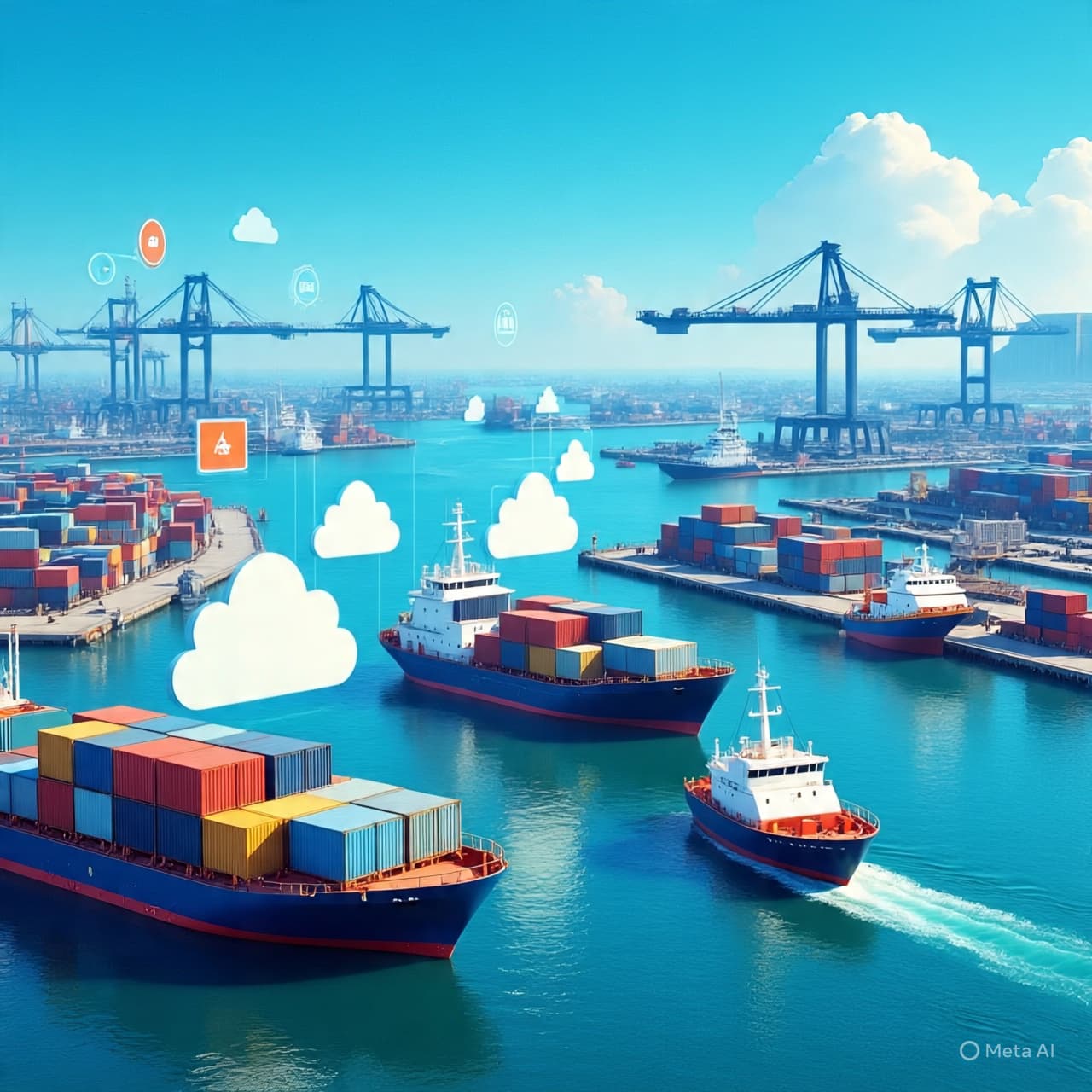
AI and cloud technology are reshaping global trade jobs, creating new digital roles while gradually transforming traditional work, according to the International Labour Organization.

AI and cloud technology are reshaping global trade jobs, creating new digital roles while gradually transforming traditional work, according to the International Labour Organization.

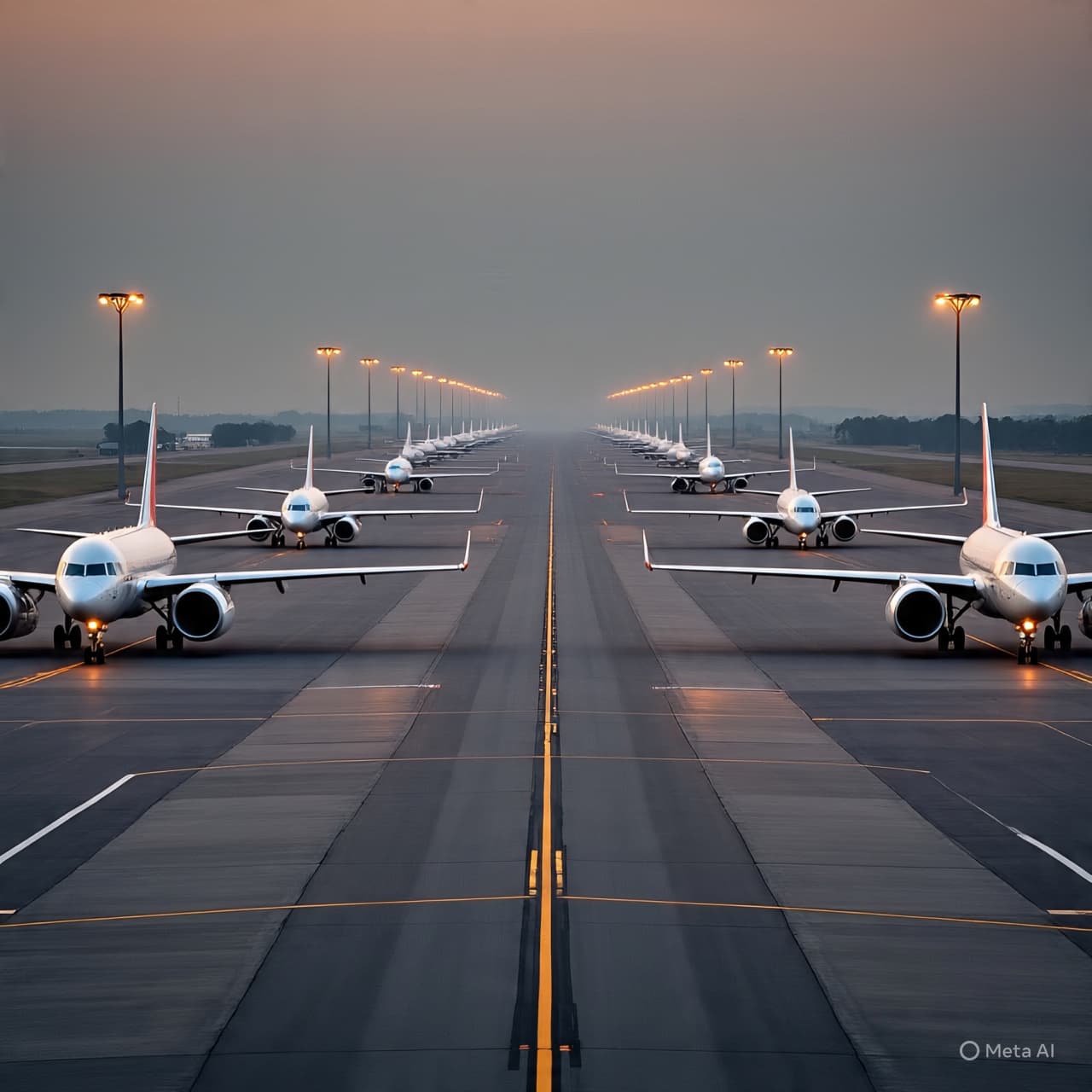
Iran briefly shut its airspace to most flights amid rising tensions with the United States and unrest at home, disrupting international routes before reopening skies after several hours.

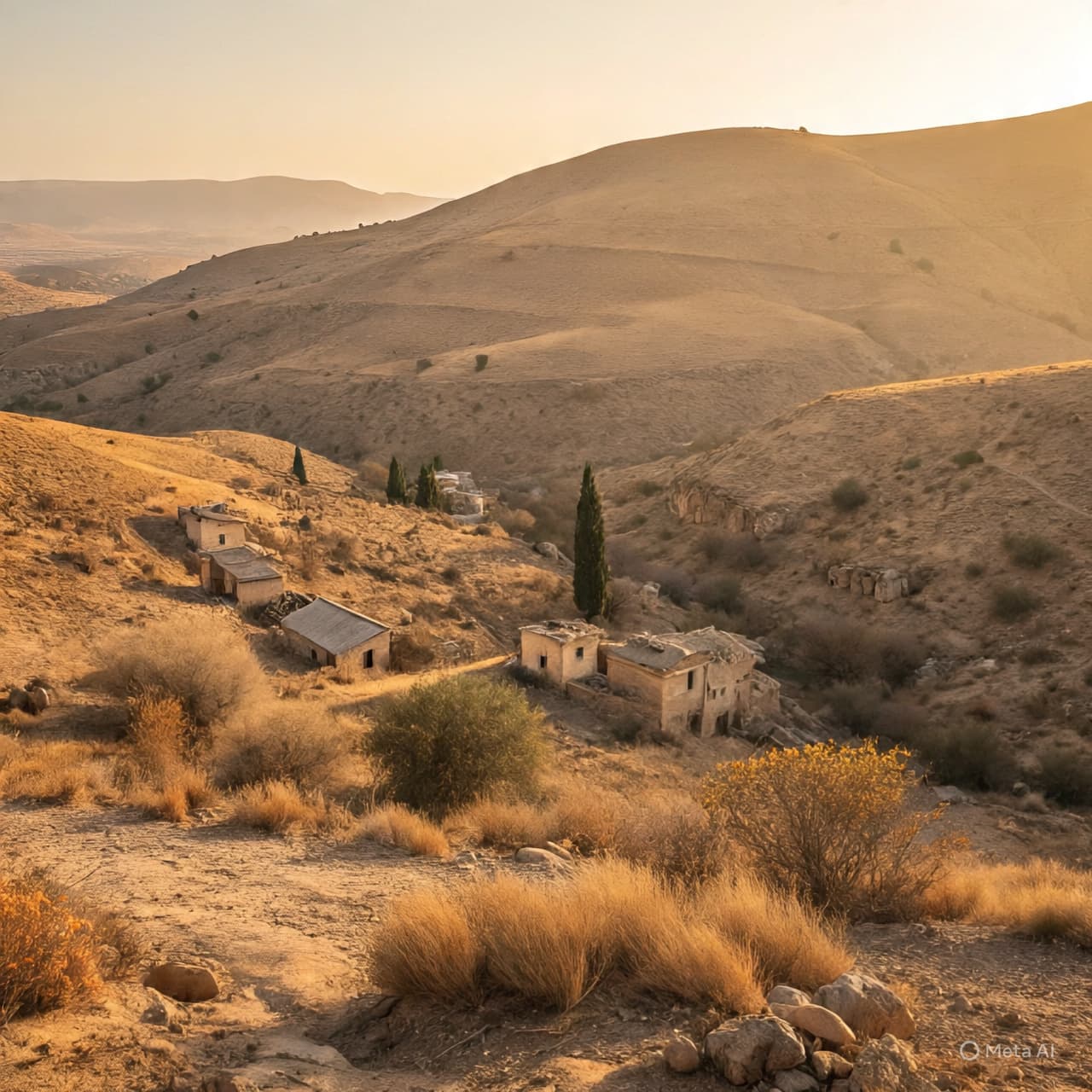
In the West Bank’s Jordan Valley, families from the village of Ras Ein al‑Auja have chosen to leave their homes amid rising settler violence and encroachment, marking another chapter in ongoing displacement.

London anticipates the approval of a large Chinese embassy at Royal Mint Court, despite objections over security and influence concerns.

As midterm elections approach, President Trump faces rising risks from immigration tensions in Minneapolis and unresolved questions over U.S. actions toward Venezuela.

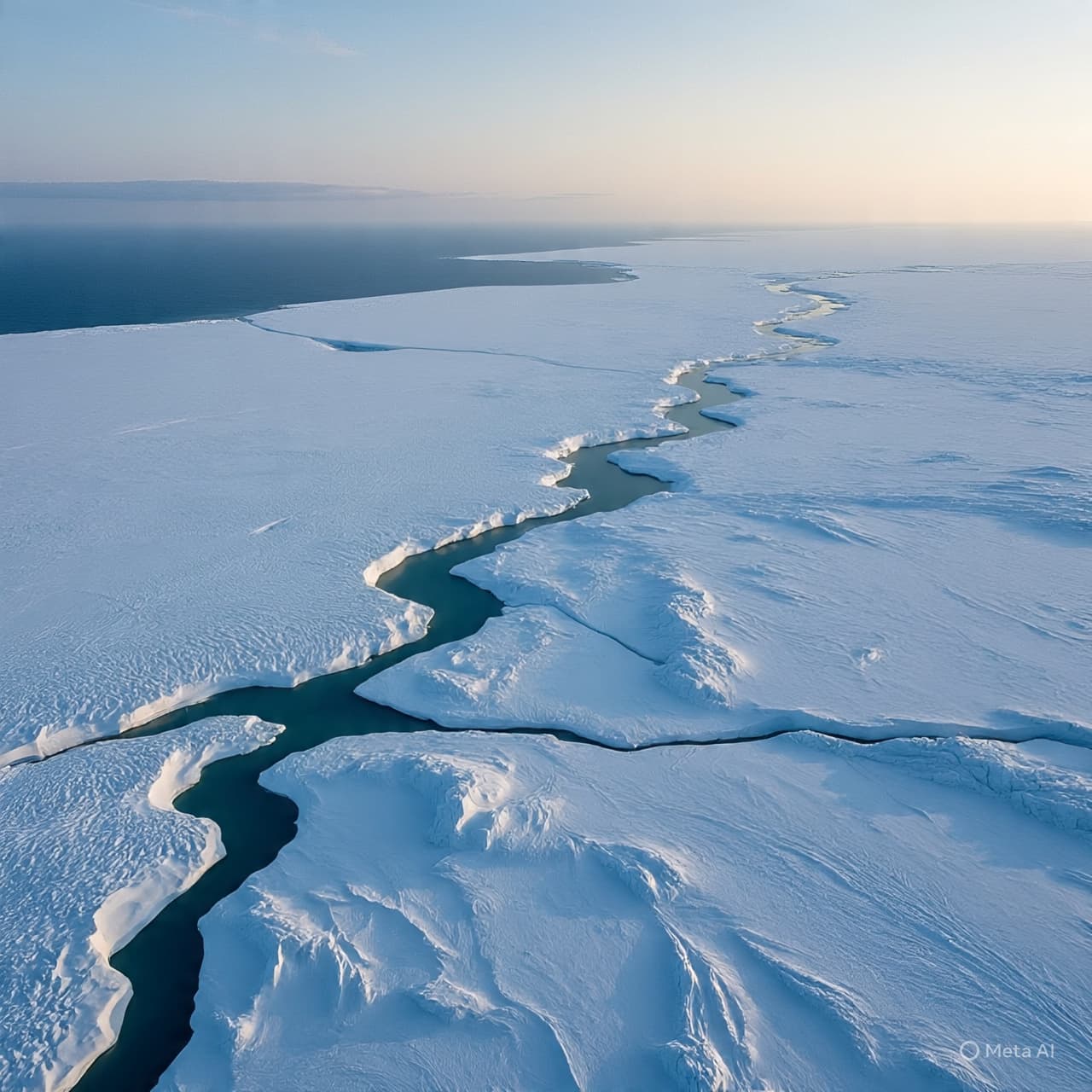
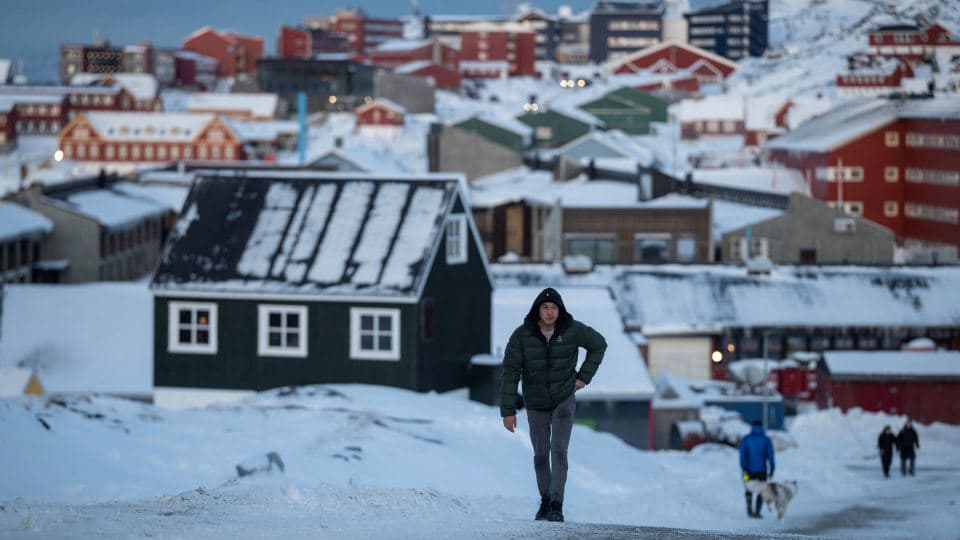
Greenland’s vast ice sheet is melting faster as the planet warms, driving sea-level rise and influencing global weather, making the island a critical indicator of climate change.

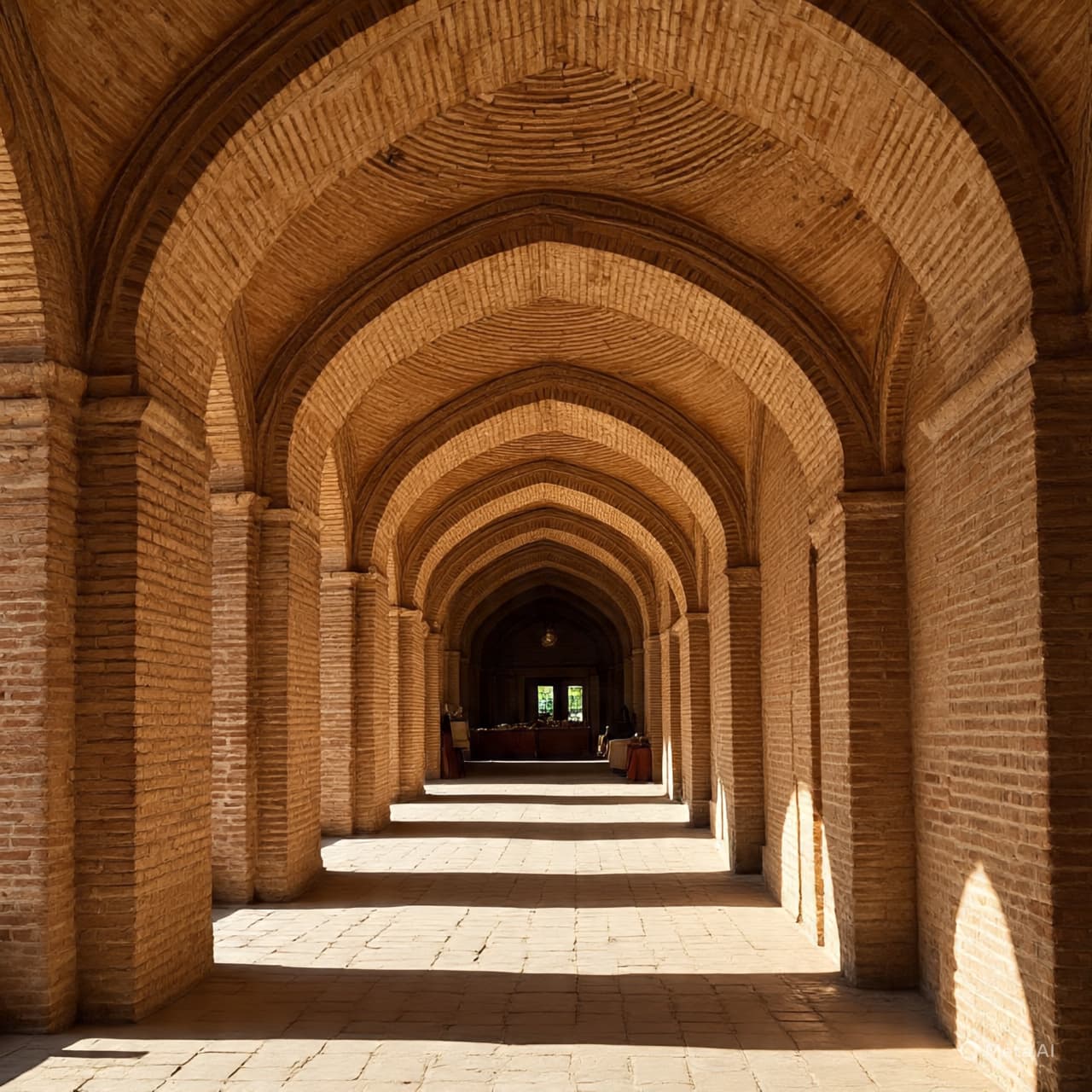
Iran’s recent protests began in a historic bazaar, where merchants closed their shops in response to economic strain and a collapsing currency, transforming a place of trade into a starting point for unrest.

The global labor market faces a mix of challenges and opportunities as AI, cloud computing, and trade shifts reshape work. The ILO reports one in four jobs are exposed to AI, with disparities across income levels and genders. Job growth projections have been revised down, but targeted policies can foster equitable progress.

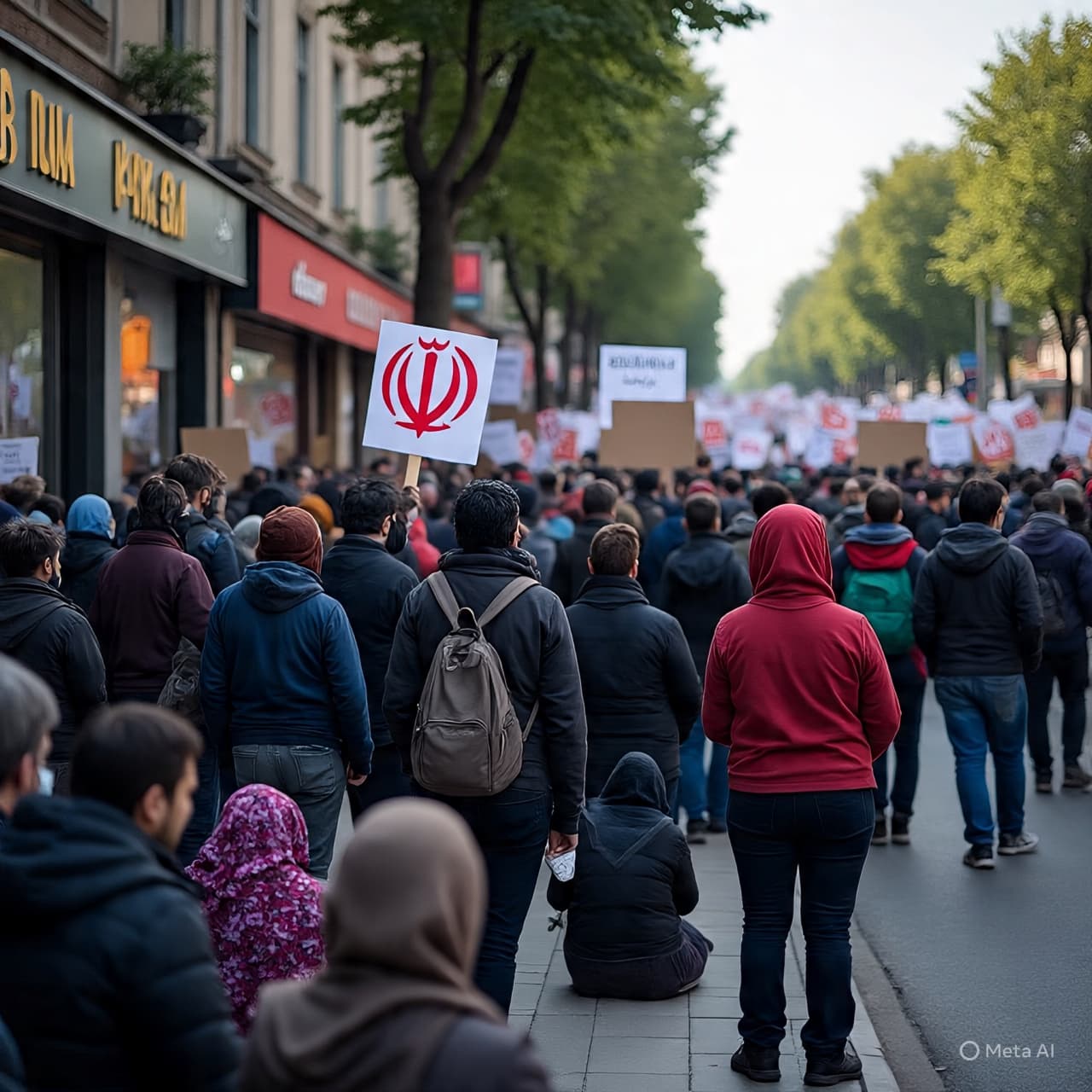
Protests began in Tehran on December 27, 2025, over economic grievances and spread across Iran, evolving into broader calls for change. As of January 5, 2026, unrest has reached 222 locations in 78 cities, with at least twenty killed. International attention has grown, and the situation reflects long-standing challenges facing the nation.

Iran has reopened its airspace after a brief closure that forced international flights to reroute, easing pressure on airlines and restoring a key aviation corridor linking East and West.

An educator reflects on artificial intelligence in the classroom, urging thoughtful engagement over fear, and reminding readers that teaching remains a deeply human practice.

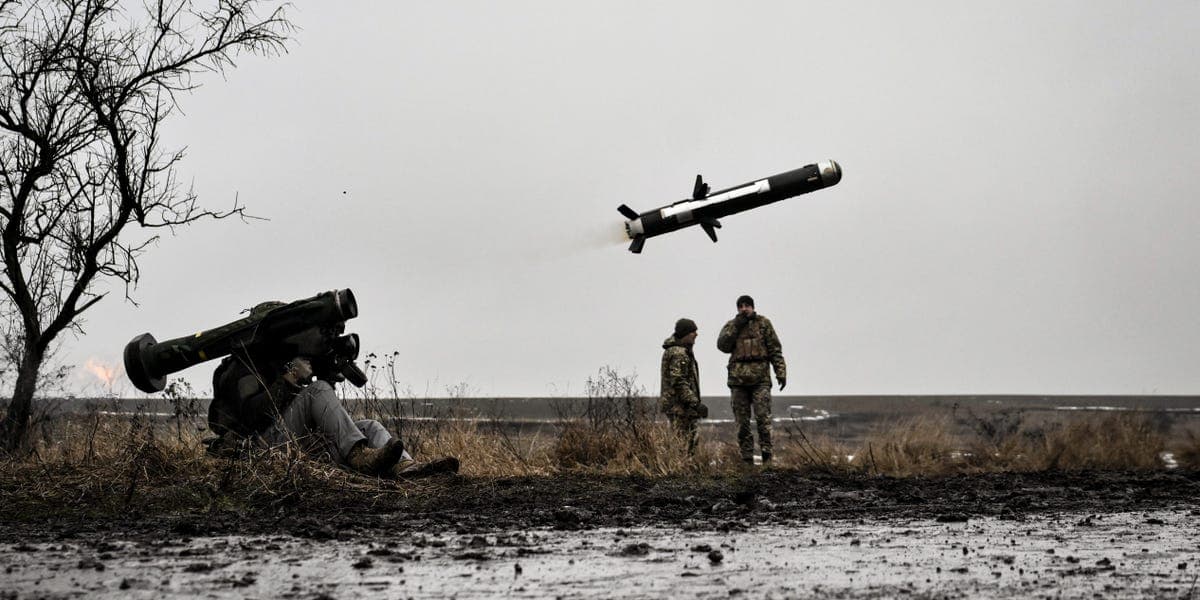
Ukraine’s defense minister says about 2 million people are being sought for draft evasion, highlighting mounting manpower challenges as the war with Russia continues.

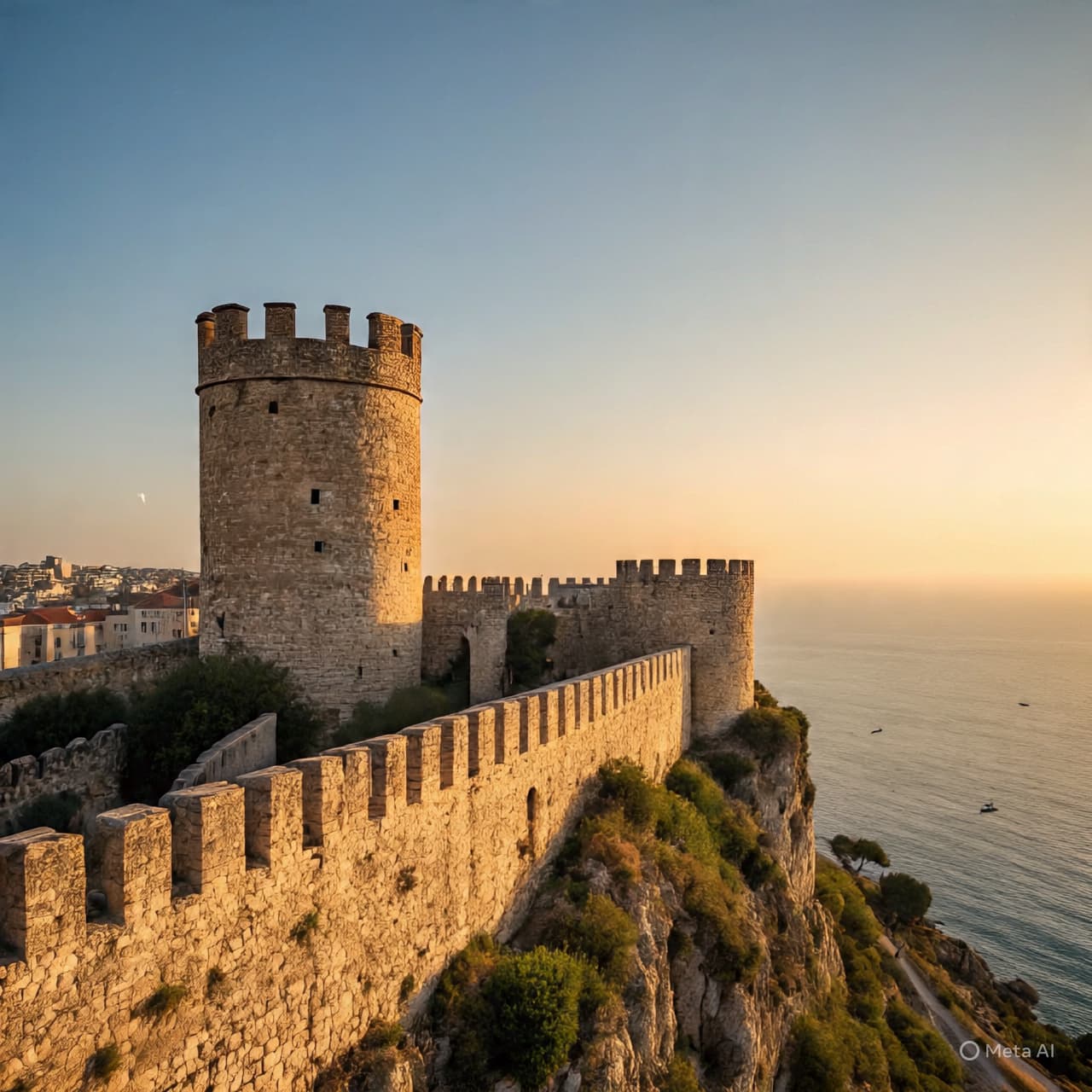
In Acre, an old Crusader fortress rises above the harbor, its layered stone recalling centuries of conflict, trade, and adaptation along Israel’s Mediterranean coast.

The Adelaide Festival has apologized to writer Randa Abdel-Fattah for withdrawing her 2026 Writers’ Week invitation and has invited her to return for the 2027 program.

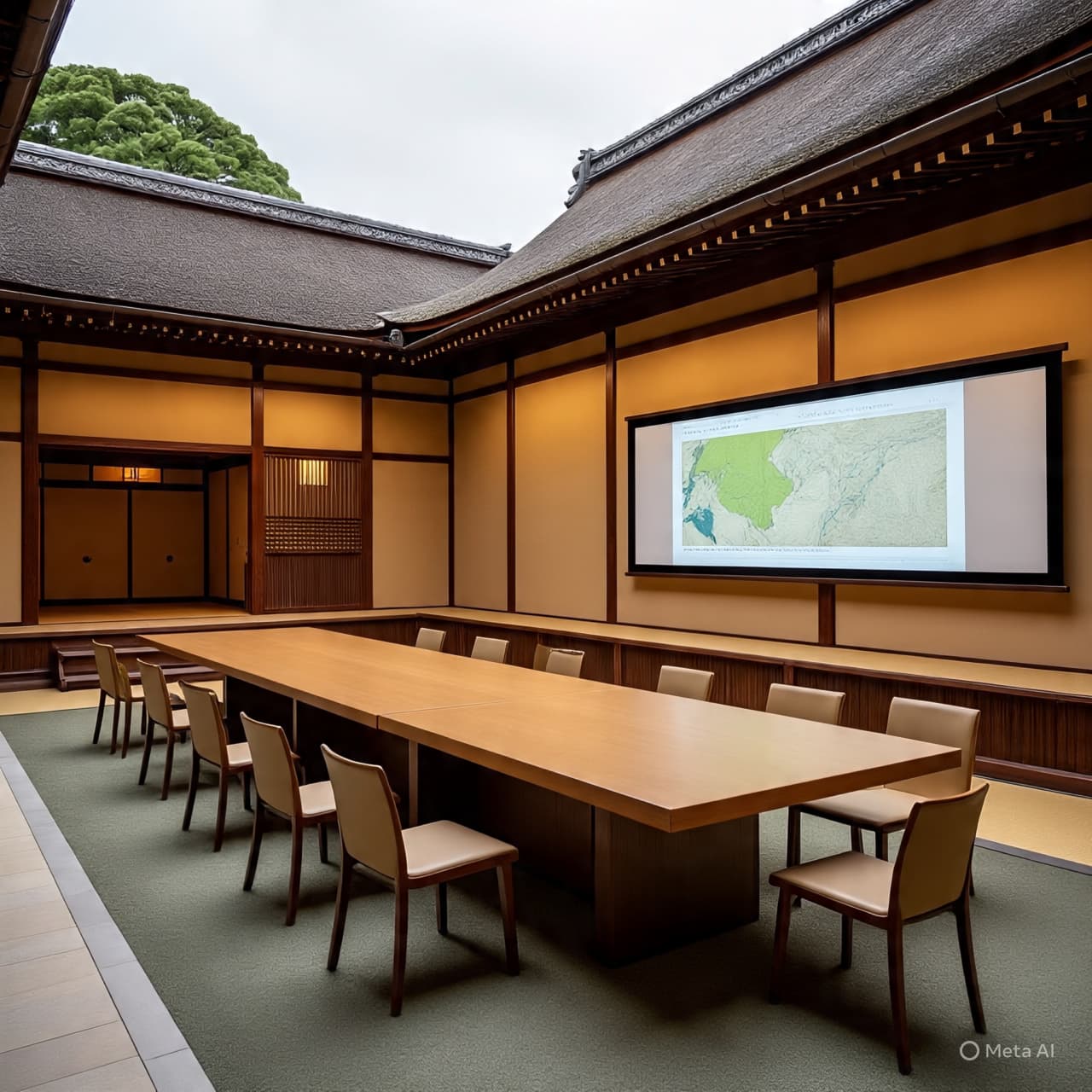
Japan and South Korea’s leaders ended a summit in Nara with a symbolic drumming session to K-pop songs, offering a brief cultural gesture alongside talks on cooperation and security.

Controversy erupts over recent findings that microplastics have been discovered in various parts of the human body. Experts like Dr. Dušan Materić have cast serious doubt on the validity of these findings, describing related studies as lacking credibility.

France has announced it will send troops to Greenland to participate in joint military exercises alongside several European countries. This deployment underscores the growing focus on Arctic security and cooperation among nations in response to evolving geopolitical dynamics.

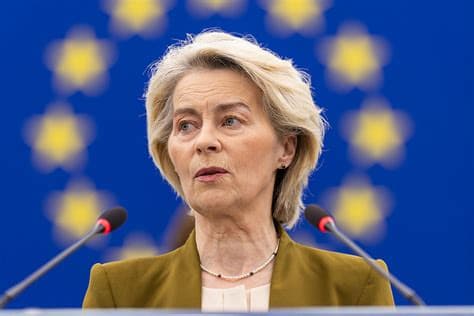
In a groundbreaking address, EU Commission President Ursula von der Leyen revealed plans for the European Union to evolve into a "military powerhouse." This ambitious initiative aims to bolster the EU's defense capabilities amid growing global security challenges.

Prosecutors in South Korea have sought the death penalty for former President Yoon Suk Yeol over an alleged insurrection tied to a brief martial law decree, with a verdict expected soon.

NATO’s Secretary-General has reported that Russia is facing "massive" losses in Ukraine, suggesting that the ongoing conflict could drive the country toward a breaking point. This assessment highlights the escalating toll of the war and its implications for regional stability.

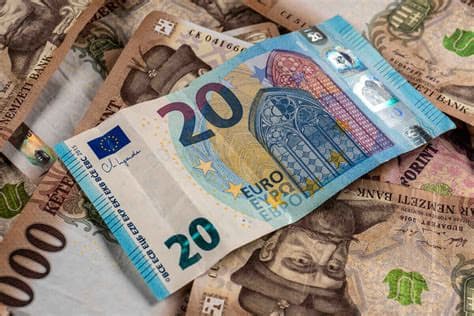
The adoption of the euro could present several advantages for Hungary, particularly in terms of economic stability, trade, and investment. Here are some key points outlining these potential benefits.

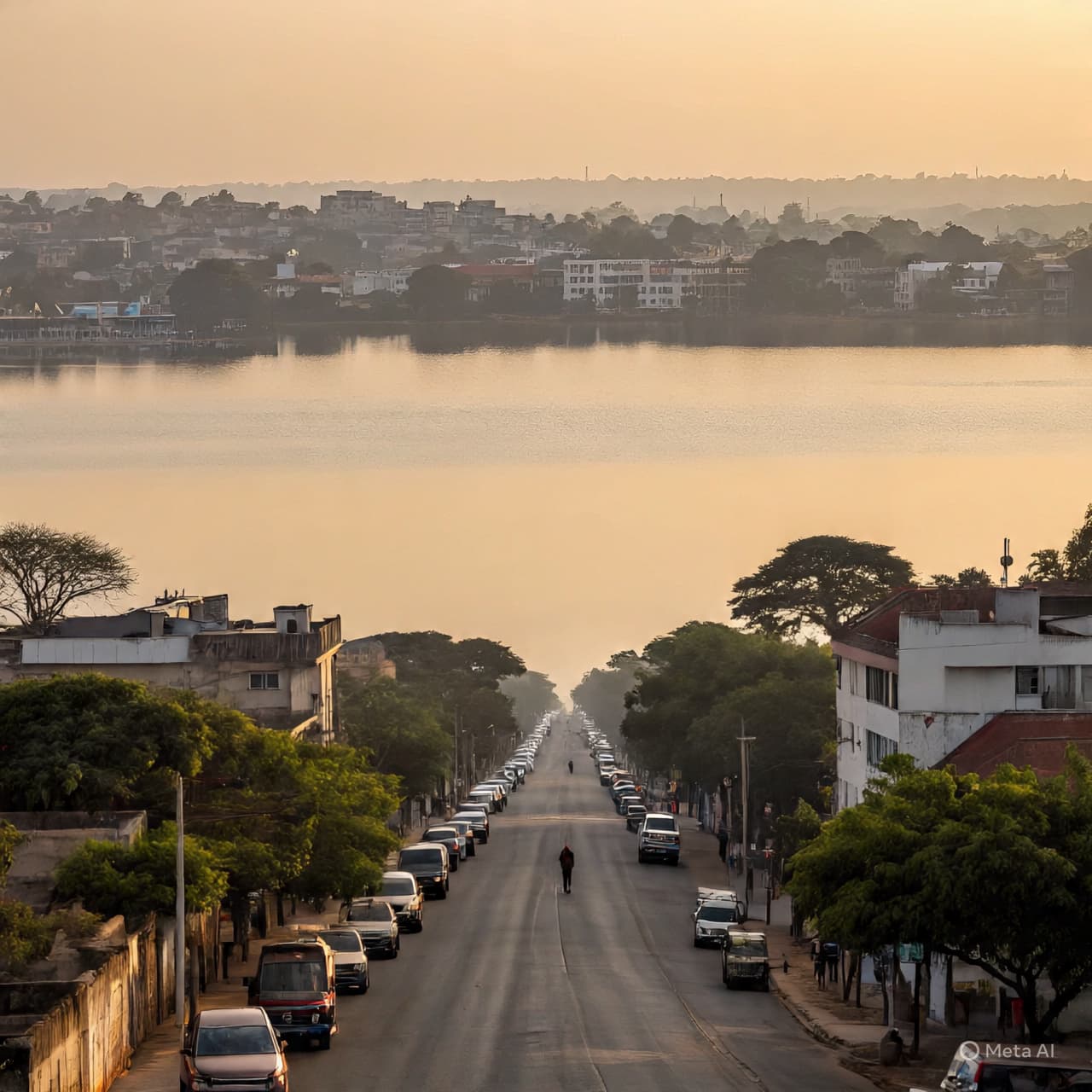
Uganda prepares for its 2026 election as President Yoweri Museveni seeks a seventh term, extending a rule that has shaped the country for nearly forty years.

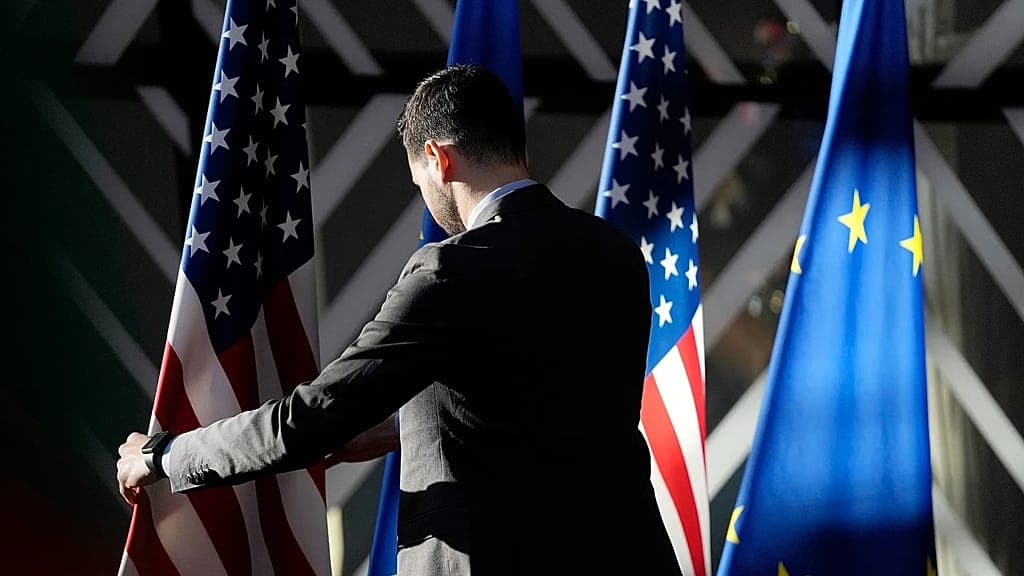
German Vice Chancellor Olaf Klingbeil has raised concerns over the deteriorating relationship between the United States and Europe, citing rising tensions and divergent interests as key factors in the disintegration of longstanding ties. Klingbeil warns that if not addressed, this downward trend could have significant implications for global diplomacy and security.

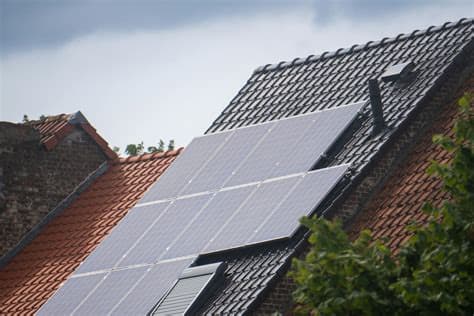
A recent study has highlighted the significant potential for solar energy generation from rooftops across the European Union. Researchers estimate that utilizing available rooftop space could provide substantial energy savings and contribute significantly to the EU's renewable energy targets.