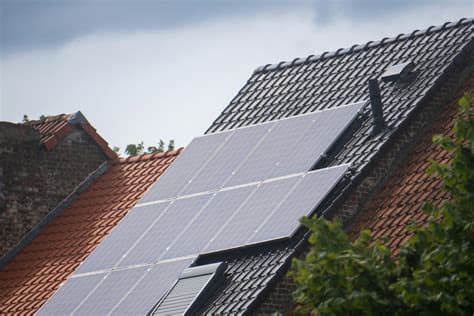
A groundbreaking study reveals that rooftops across the European Union could become a major source of solar power. The research, conducted by energy specialists, indicates that the available rooftop space in urban areas alone could generate an estimated 1,200 terawatt-hours of solar electricity annually, a figure that could transform the continent's energy landscape.
The study emphasizes the underutilization of rooftops, particularly in densely populated cities where solar panels remain scarce. Researchers suggest that implementing solar systems on these structures can not only reduce energy costs for households but also aid in achieving the EU's ambitious climate goals.
Many European countries are already taking steps to harness this potential. Germany, for example, has been a leader in rooftop solar deployment, with incentives that encourage homeowners and businesses to install photovoltaic systems. Similar initiatives could be expanded throughout other EU nations to maximize solar energy production.
In addition to energy generation, the widespread adoption of rooftop solar could enhance energy independence and security within the EU. By reducing reliance on fossil fuels and imported energy, member states can work towards a more sustainable and resilient energy future.
The findings of this study call for increased investment in solar infrastructure and supportive policies that promote solar rooftop installations. By leveraging the untapped potential of rooftops, the EU can significantly advance towards its renewable energy targets while mitigating the impacts of climate change.
Experts hope that with concerted efforts, Europe can transform its rooftops into a vital resource for sustainable energy, contributing to a greener future for all.
Published by Banx Network. This article is part of the Banx decentralized media programme, powered by the BXE token on the XRP Ledger.