
Key Highlights
- Former President Yoon Suk Yeol faces death penalty charges for insurrection.
- Prosecutors argue his martial law declaration threatened democracy.
- Verdict expected in the coming weeks amid public scrutiny.
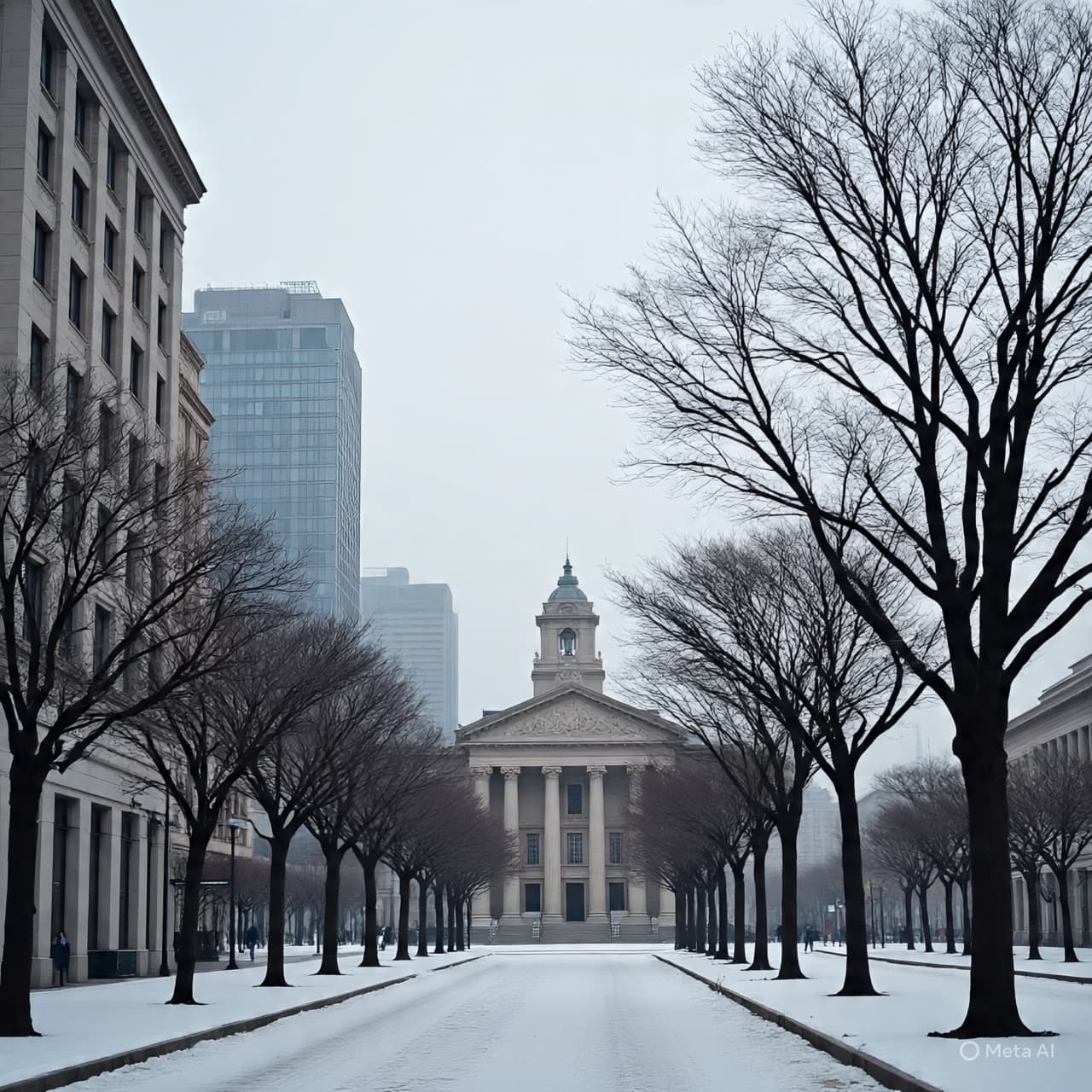
The winter season envelops Seoul, casting a reflective mood over the city as it grapples with significant political turmoil. At the heart of this turbulence is former President Yoon Suk Yeol, who, after being impeached last year, now stands accused of insurrection. Prosecutors have formally requested the death penalty, asserting that Yoon's declaration of martial law in December constituted a grave threat to South Korea's constitutional order.
The events leading to this unprecedented legal action unfolded rapidly. Faced with a political deadlock in the National Assembly, Yoon issued an emergency decree aimed at consolidating power. However, this move was met with immediate resistance from lawmakers, who swiftly moved to block the order. The public's reaction was palpable, with widespread unease reflected in both protests and social media discussions. Although the decree was short-lived, its implications have proven far-reaching, culminating in impeachment proceedings and a criminal investigation that has now escalated to the most severe legal demands.
In court documents, prosecutors have characterized Yoon's actions as illegal and unconstitutional, arguing that they sought to undermine democratic institutions. The charge of insurrection is particularly severe under South Korean law, and the request for capital punishment underscores the gravity of the situation. Legal experts note that this case is not just about Yoon's actions but also about the broader implications for the rule of law in South Korea.
Yoon has consistently defended his actions, claiming they were necessary to maintain national stability during a period of intense political strife. His defense team argues that the decree was a misguided attempt to address a crisis rather than a calculated effort to dismantle democracy. As the court deliberates, it faces the challenge of distinguishing between a legitimate exercise of power and an overreach that threatens the foundations of governance.
The historical context of South Korea's legal system adds another layer of complexity to this case. While the death penalty remains a legal possibility for insurrection, executions have not been carried out since the late 1990s. In practice, those sentenced to death often receive commuted sentences or remain unexecuted, making the prospect of capital punishment more symbolic than practical. Observers suggest that life imprisonment could be a more likely outcome if Yoon is found guilty.
This case also resonates deeply within the fabric of South Korean political life. The country has a history of holding former leaders accountable for their actions while in office, reflecting a commitment to democratic principles. However, the severity of the charges against Yoon raises questions about the balance of power, the use of emergency measures, and the potential for governmental overreach.
As the court prepares to deliver its verdict in the coming weeks, the atmosphere in Seoul remains tense. Daily life continues, with commuters crossing the Han River and the city illuminated by office lights, yet there is a collective anticipation of the ruling's implications. The outcome will not only determine Yoon's fate but also signal the state of democracy and accountability in South Korea.
Published by Banx Network. This article is part of the Banx decentralized media programme, powered by the BXE token on the XRP Ledger.



