Can We Keep Up With the Universe? The Coming Wave from Rubin Observatory
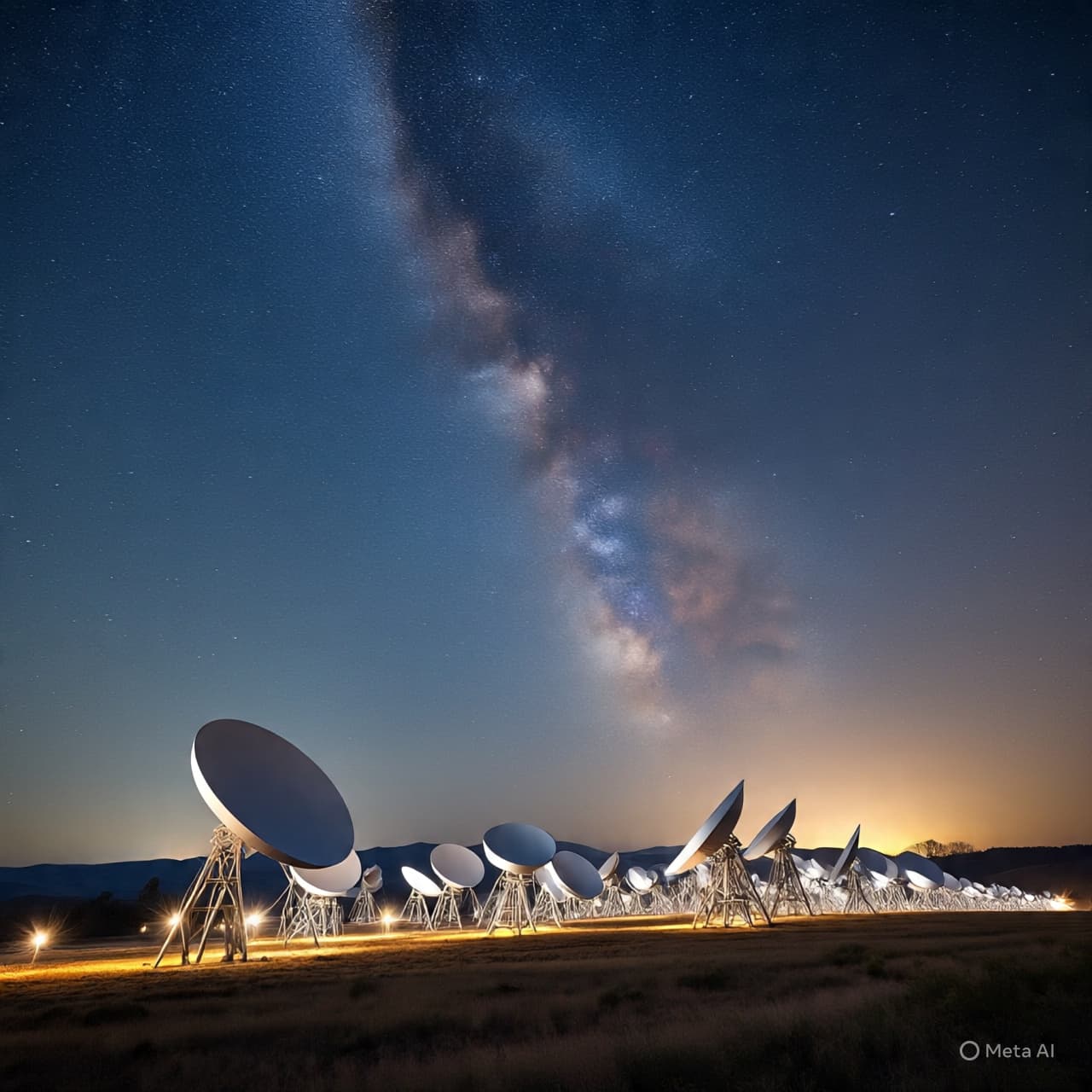
The Vera C. Rubin Observatory is set to begin its decade-long sky survey, capturing vast nightly data to study dark matter, dark energy, asteroids, and transient cosmic events.

The Vera C. Rubin Observatory is set to begin its decade-long sky survey, capturing vast nightly data to study dark matter, dark energy, asteroids, and transient cosmic events.

Research shows that some freshwater lakes on K’gari — the world’s largest sand island — were dry during a mid-Holocene era that was otherwise wetter, revealed by gaps in sediment.

New research finds Antarctic meltwater supplies far less iron to Southern Ocean waters than expected, challenging assumptions about its role in carbon sequestration.

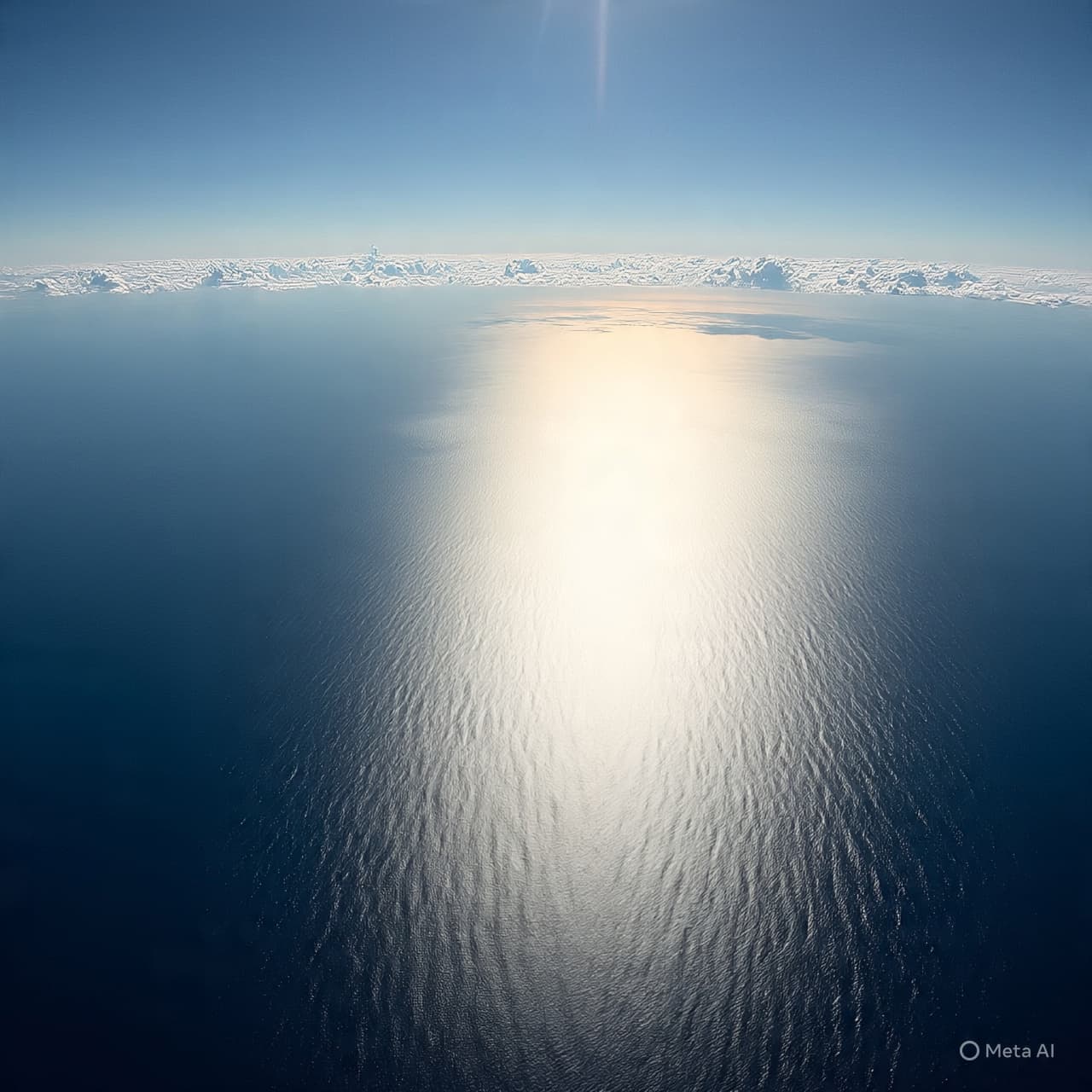
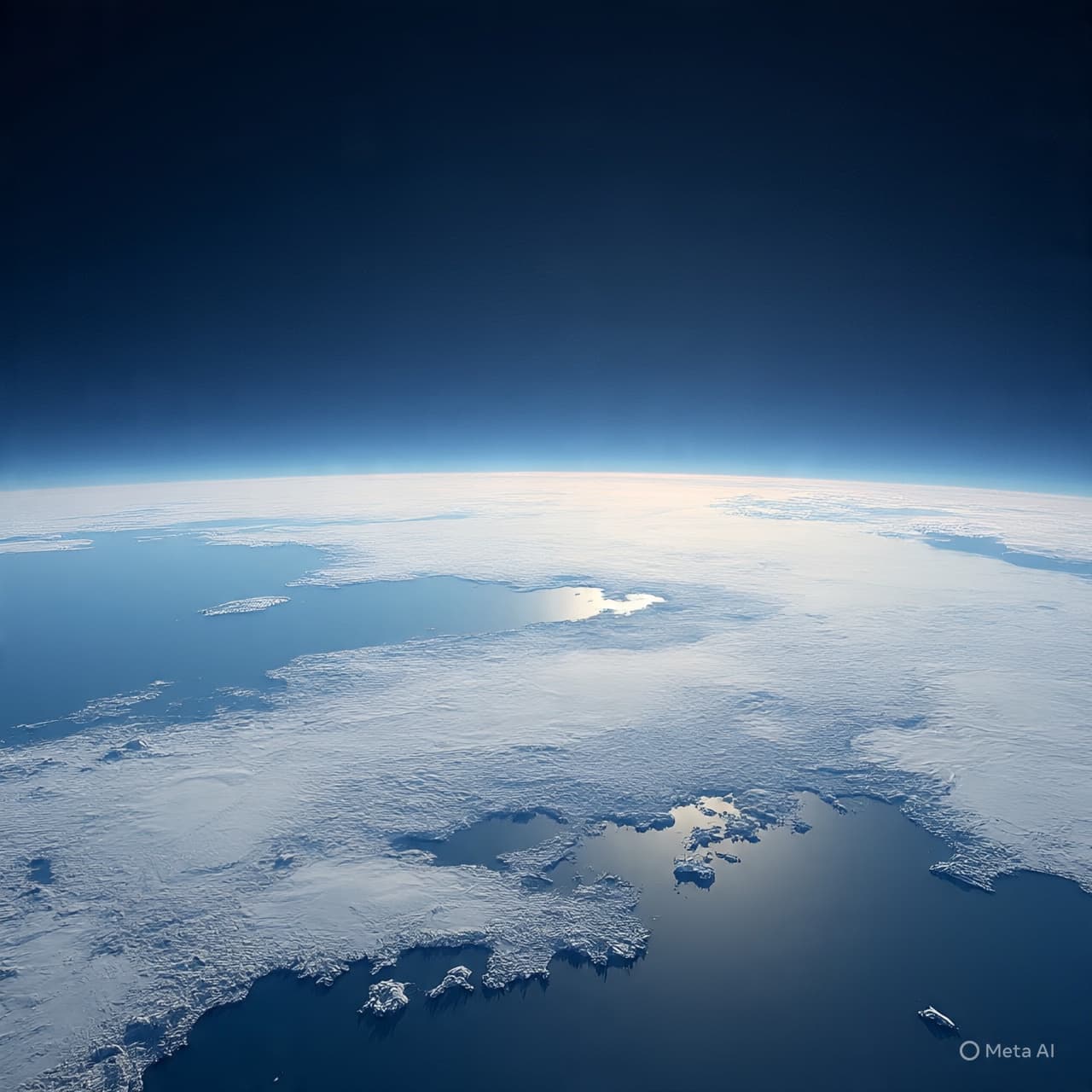
Satellite images of sunglint over the Atlantic reveal how sunlight reflections help scientists study ocean winds, currents, and surface patterns from space.

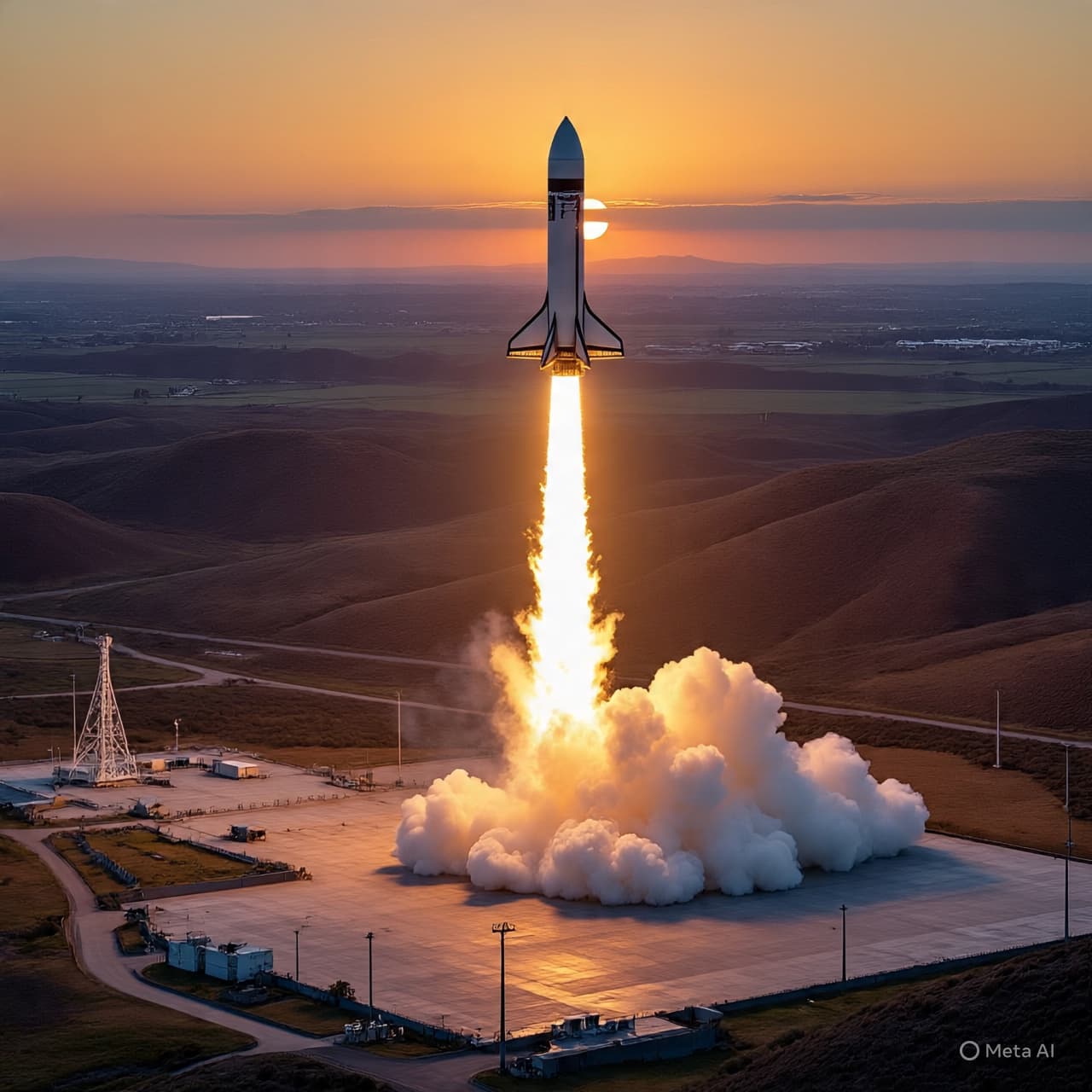
SpaceX conducted two Falcon 9 launches on March 1, deploying a total of 54 Starlink satellites into low Earth orbit from launch sites in California and Florida.

Superhydrophobic aluminum tubes engineered to trap air remain buoyant even when damaged and show potential for resilient vessels and wave energy harvesting.

Physicists have observed “clock magnetism” in a thin crystal, where magnetic states rotate through discrete orientations, confirming theory and opening paths for spintronic devices.

Risin temperatures in India add 30 extra hot days yearly, stressing coffee crops, reducing yields, and challenging smallholder farmers’ resilience and adaptation.

n orphaned baby macaque in a Japanese zoo clings to a stuffed animal for comfort, slowly socializing with peers while capturing hearts worldwide.

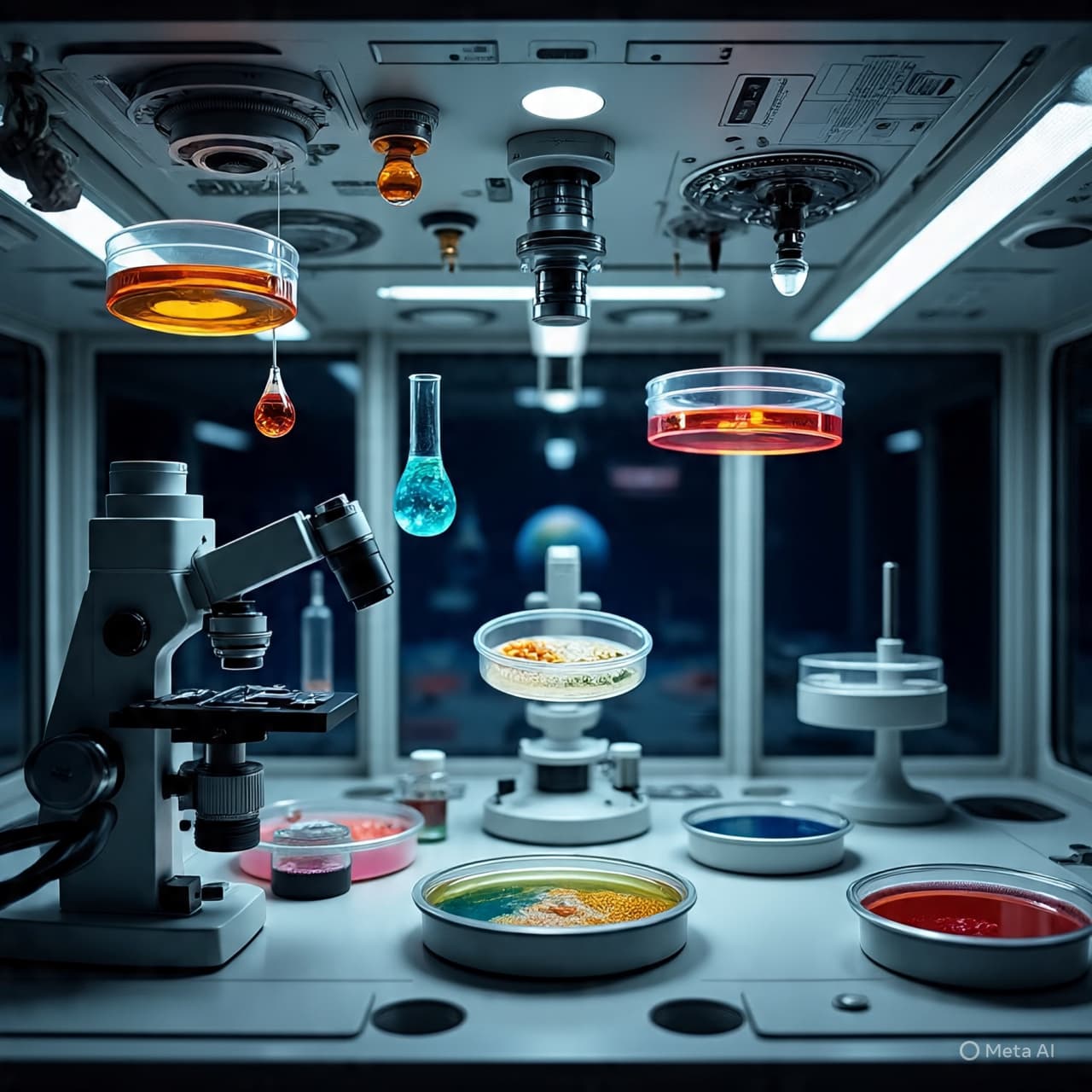
Scientists are reexamining how microbes behave in space, exploring risks to astronaut health and the potential to harness bacteria for long missions beyond Earth.

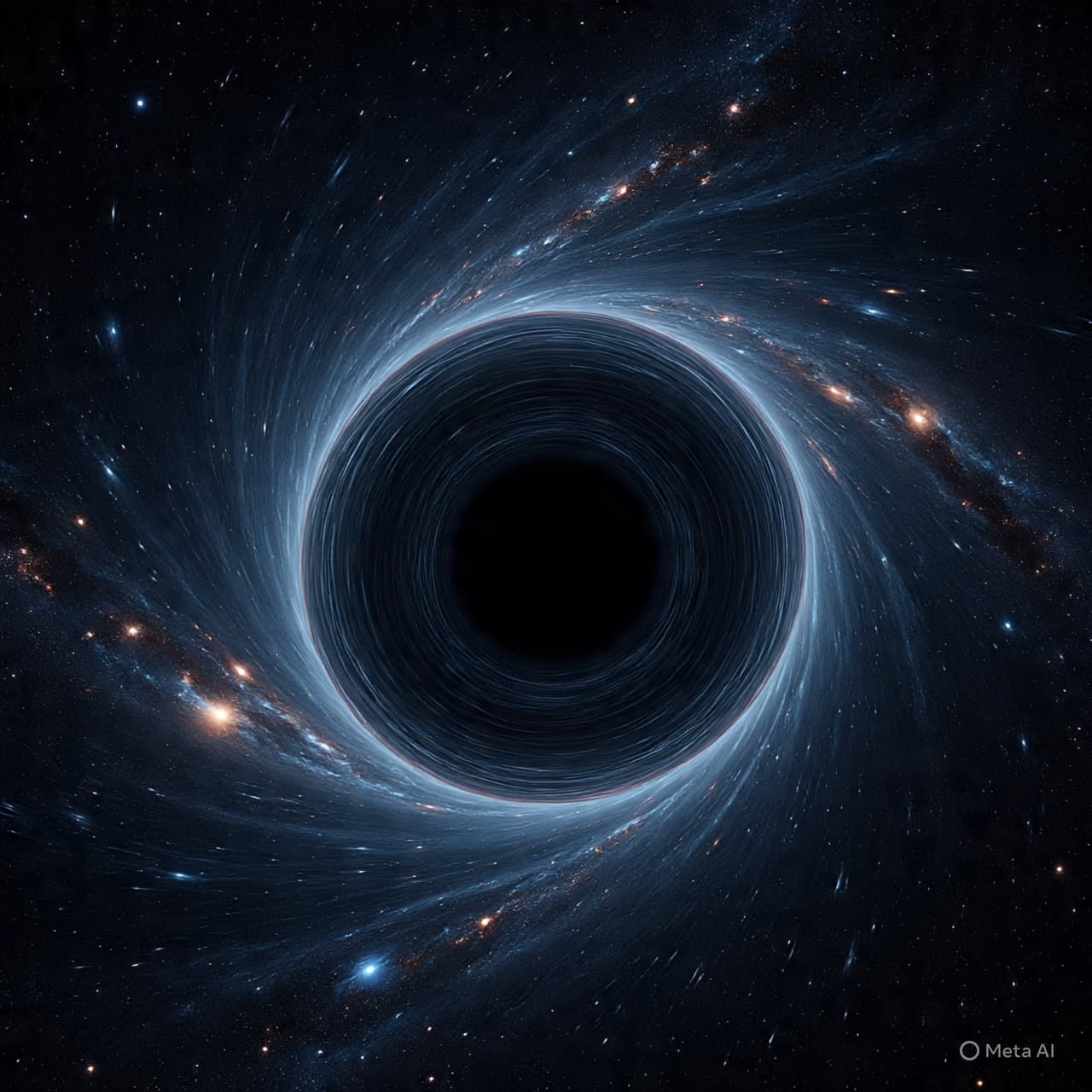
On March 1, 1974, Stephen Hawking published a short paper proposing that black holes emit radiation. The idea reshaped modern physics and sparked decades of debate about gravity, quantum theory, and information.

Quantum science is moving beyond hype toward real breakthroughs, quietly reshaping computing, security, and our understanding of reality itself.

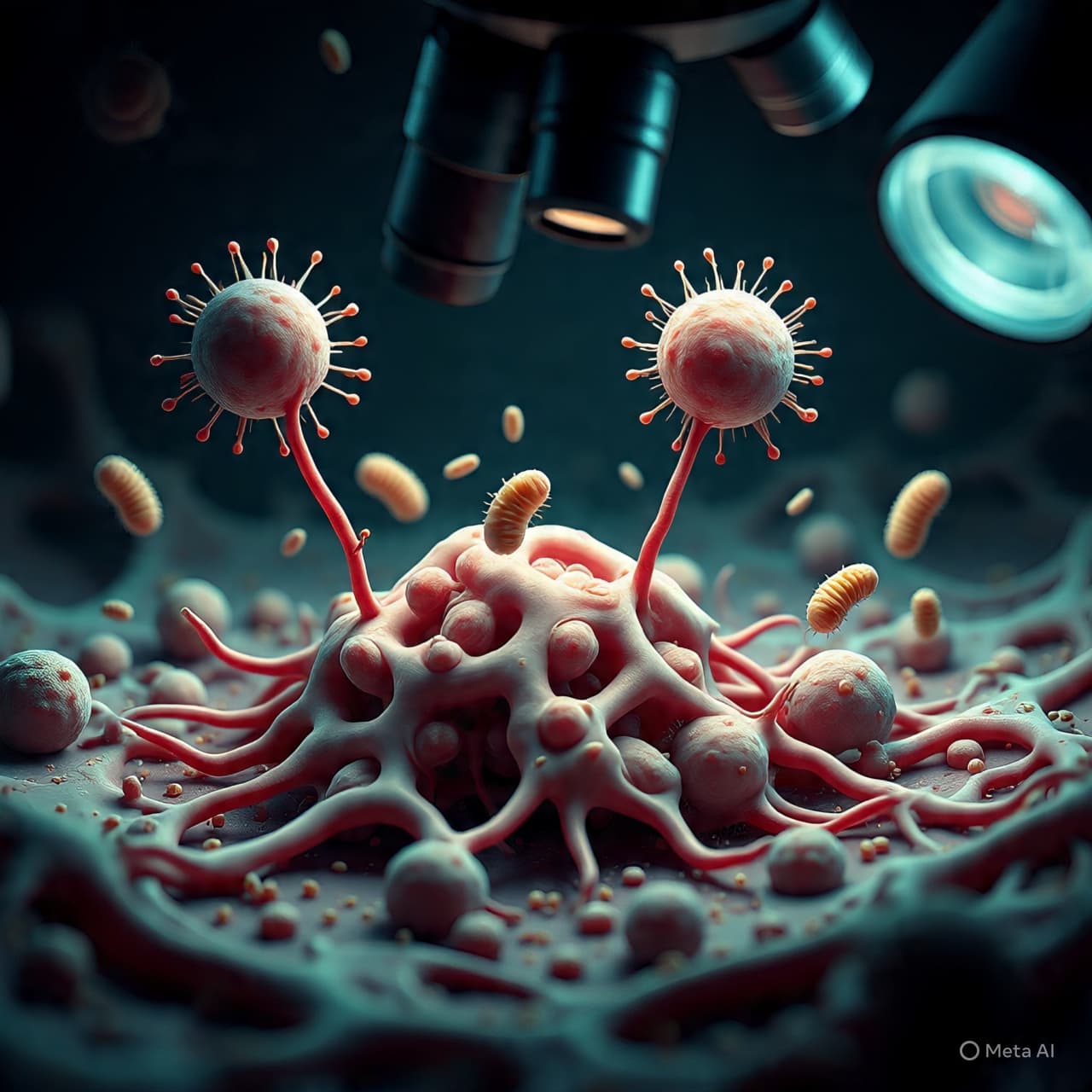
Scientists are engineering bacteria to target and break down tumors from within, offering a promising but early-stage approach to cancer therapy.

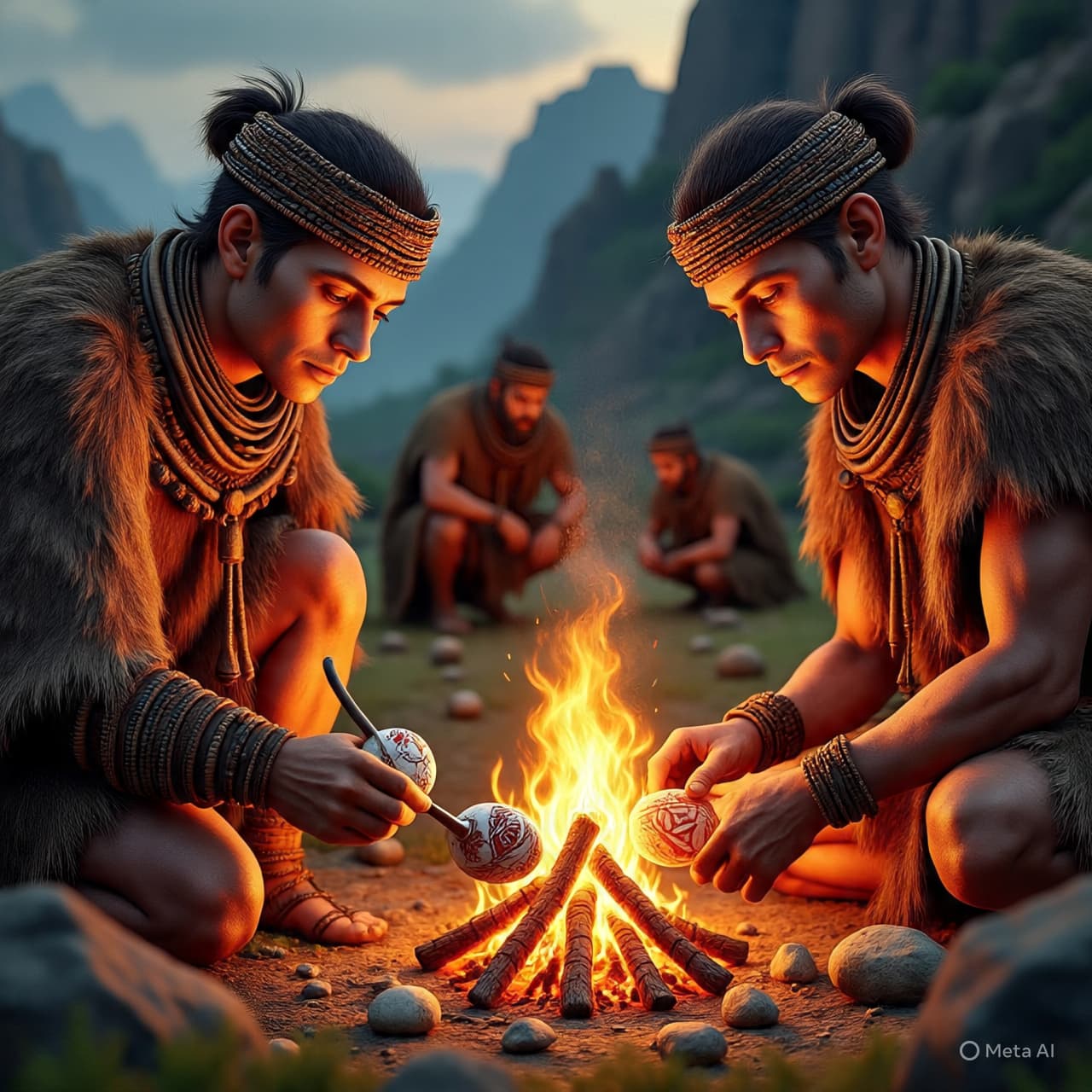
Engraved ostrich eggshells from 60,000 years ago show repeating patterns, suggesting early humans followed shared design rules — possibly the oldest known “geometric grammar.”

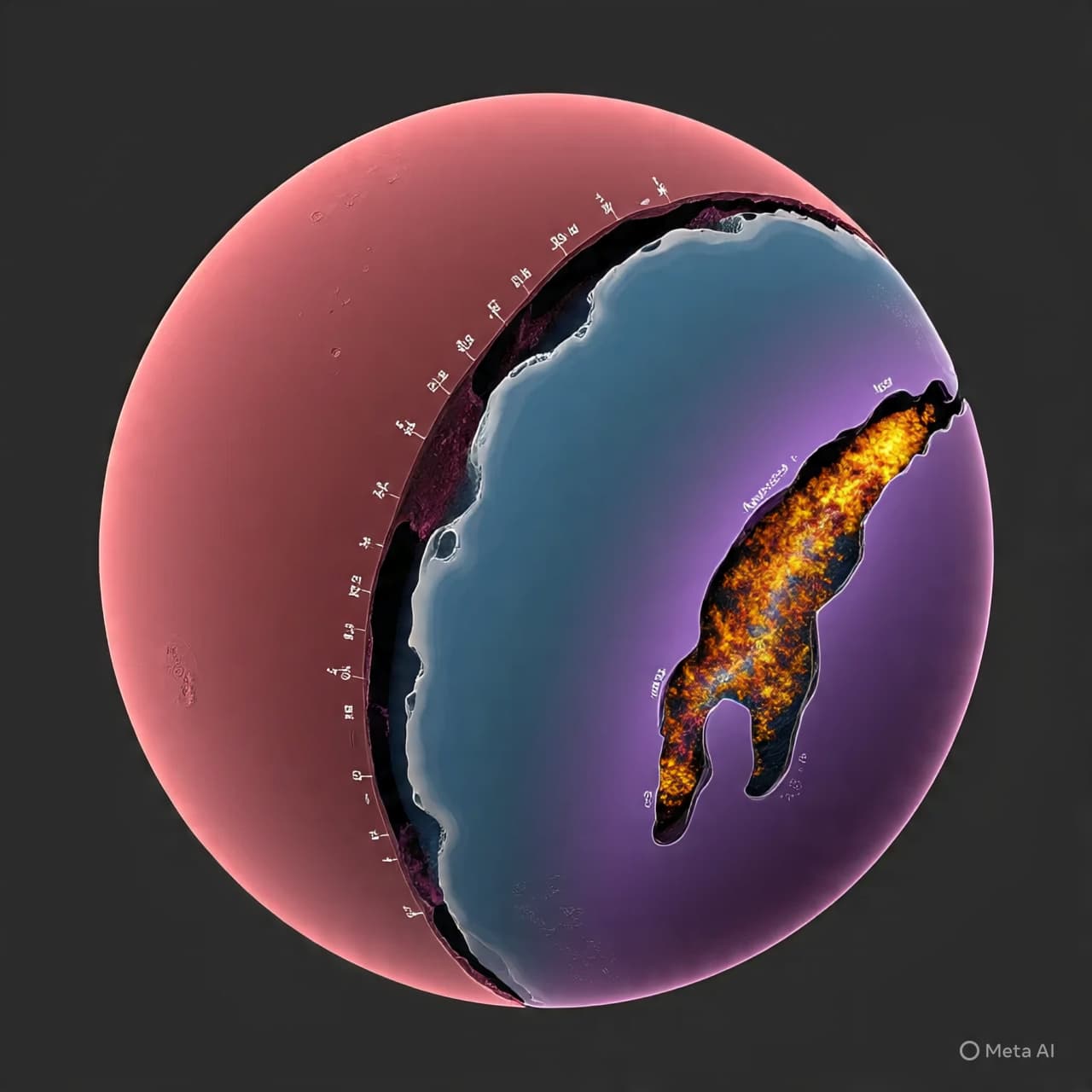
Billions of years ago, Mars had a thicker atmosphere and liquid water. After losing its magnetic field, solar wind and radiation gradually stripped the atmosphere away, transforming the planet into the cold desert we see today.

A space-themed word search featuring solar system moons turns simple play into a gentle introduction to astronomy and cosmic discovery.

Astronomers have observed a 200-million-year-old planetary system, revealing how intense stellar radiation strips young planets and reshapes their evolution.

Astronomers have detected an enormous natural microwave laser, or maser, in deep space, offering new insight into extreme star-forming regions and galactic environments.

Astronomers have detected an unusually powerful cosmic maser — a natural microwave laser — linked to a massive young star in a distant star-forming region.

Scientists warn that rising satellite launches may deposit metal particles into the upper atmosphere, raising concerns about long-term environmental effects.

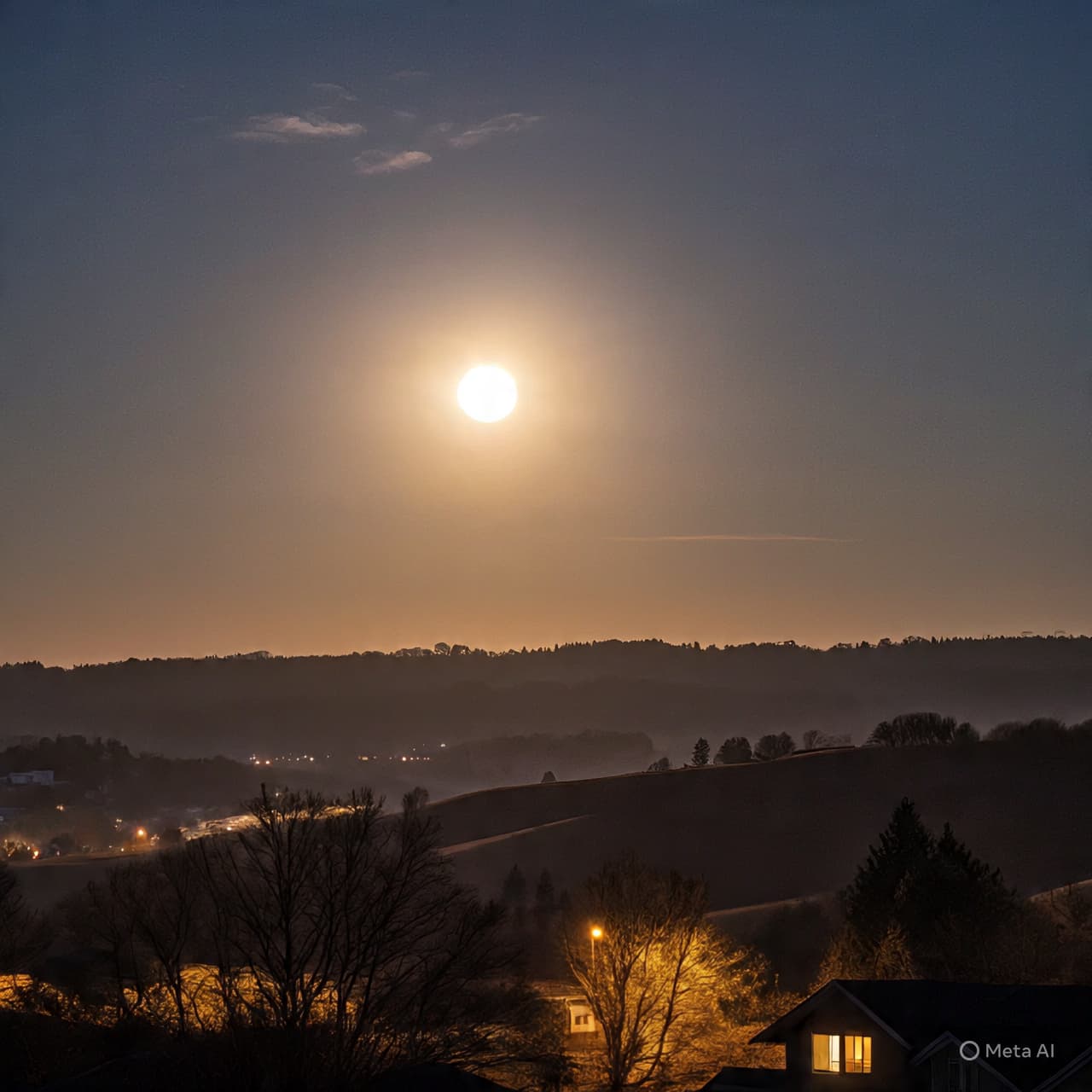
The Full Worm Moon rises Monday night and transitions into a total lunar eclipse early Tuesday. During totality, the Moon will appear red as Earth’s shadow filters sunlight through its atmosphere.

New research suggests that during Snowball Earth, salty oceans may have remained liquid far below freezing, reshaping our understanding of early life’s resilience.

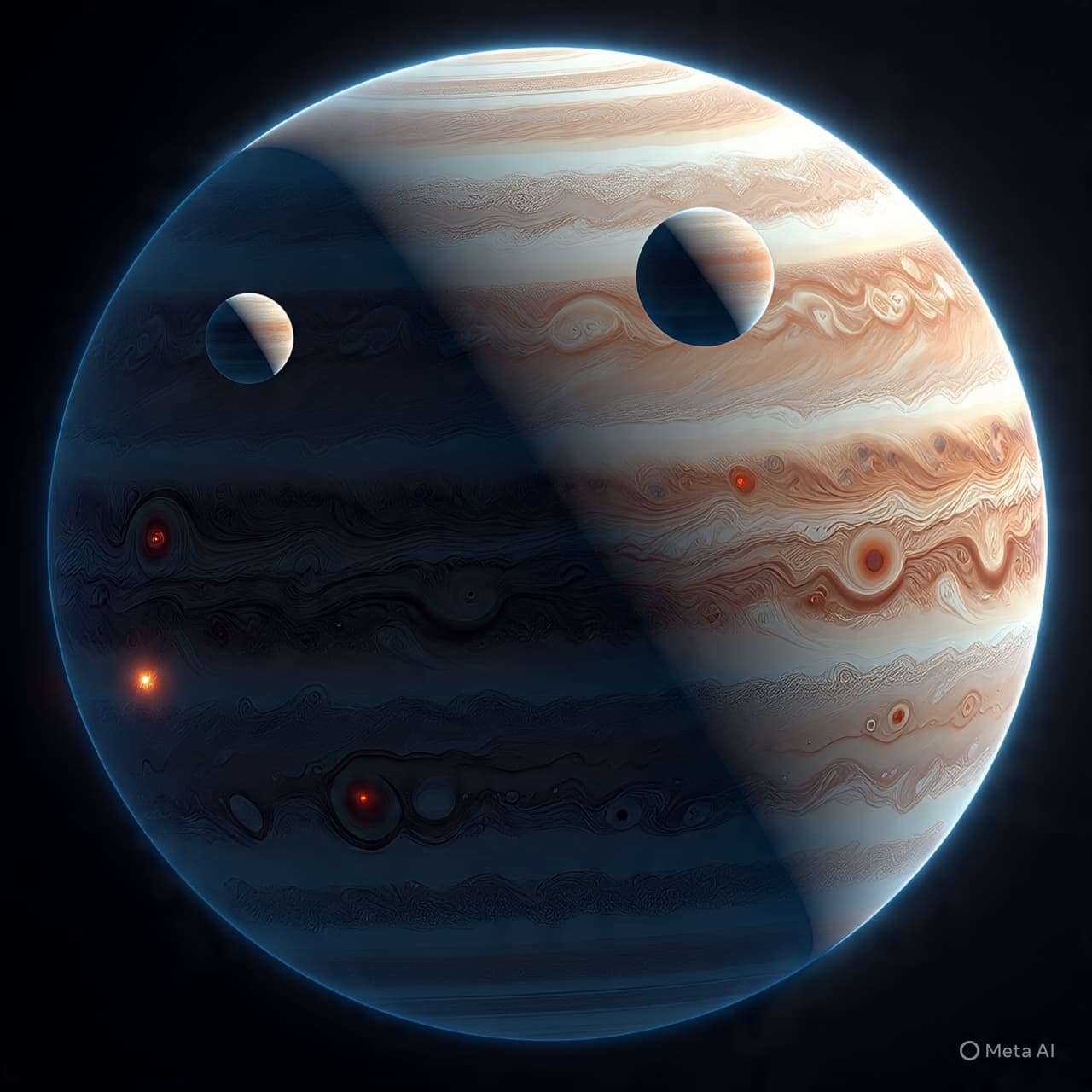
New research suggests Jupiter’s icy moons may have formed with water and organic compounds, raising fresh questions about their potential habitability.

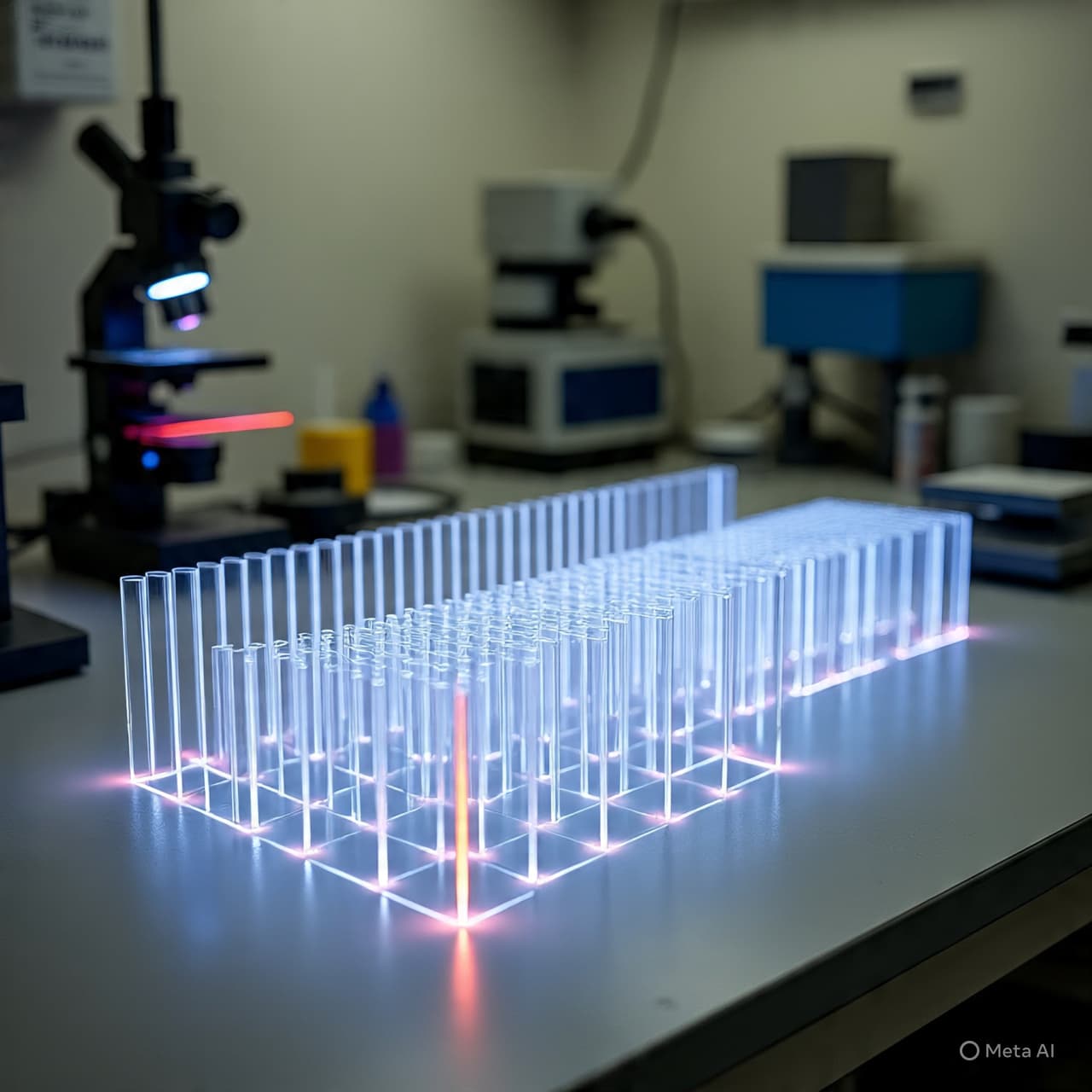
For the first time, researchers have shown that light can mimic a Nobel Prize–recognized quantum effect, recreating topological behavior once thought unique to electrons.