In places where the sand is ancient enough to whisper to the sea, there we find stories older than memory. On K’gari, the vast island of golden dunes off Australia’s eastern shore, freshwater lakes lie like jewels amid sweeping sand. To many visitors, they are cool mirrors of sky and forest, scenes of serene beauty. To scientists, they are something more: living archives of rainfall and climate, recording hundreds of generations in layers of sediment and time.
Recent research has revealed an unexpected chapter in this quiet story — a time when these lakes did not exist at all, even in an era that was wetter than our own. In the common view of climate history, increased rainfall would naturally fill basins and sustain lakes. Yet the sediment records drawn from some of K’gari’s oldest freshwater systems tell a more complex tale, one that asks us to reconsider how water and wind shaped this sandy realm.
Scientists studying cores of lake sediment — the geological equivalent of tree rings — found a gap where layers should have been. This absence of sediment between roughly 7,500 and 5,500 years ago indicates that, at that time, the depressions we now know as lakes were not filled with water. In other words, even during a period when climate records suggest rainfall was relatively abundant, these basins lay dry.
Sediment is like a journal written in mineral and organic ink. Pollen grains tell of plants growing nearby; layers of sand speak of erosion and wind activity. A missing chapter suggests silence, dryness where there should have been depth. For K’gari, this means that the very foundations of cherished lakes might have vanished and then emerged again as environmental conditions shifted over millennia.
Why would lakes disappear in a wetter era? The answer lies partly in the unique hydrology of this island. K’gari’s lakes depend on a delicate balance between rainfall, sand structure, and groundwater. Many are “perched” above the regional water table, held only by an organic layer that slows drainage. When rainfall patterns fluctuate, when winds reshape the sands, these perched systems can disappear as easily as they form.
These findings gently complicate our understanding of climate history. They suggest that wetter regional conditions did not guarantee lake permanence here. Instead, local factors — the way the sands and soils interact with rain and evaporation — played a decisive role. It is a reminder that nature’s rhythms are not governed by a single measure of wet or dry, but by many elements in quiet concert.
In broader terms, the research invites reflection on the fragility and resilience of freshwater systems in a changing world. As modern climates grow more variable — with alternating periods of drought and intense rainfall — the lessons preserved in K’gari’s sediments may offer valuable insight into how water bodies respond over decades and centuries, not just seasons.
The lakes of K’gari are cherished by the Butchulla people, known in cultural stories as the “Eyes of the Island.” Their significance extends beyond beauty, touching on deep spiritual connections to land and water. Understanding their history — including times when they were absent — enriches both scientific knowledge and cultural appreciation.
Detailed geological analyses now show that some of the island’s oldest lakes were formerly dry during a mid-Holocene era that was otherwise relatively wetter, as indicated by gaps in sediment records. Researchers emphasize this evidence in re-evaluating how rainfall, sand dynamics, and groundwater interplay influenced K’gari’s freshwater systems over thousands of years.
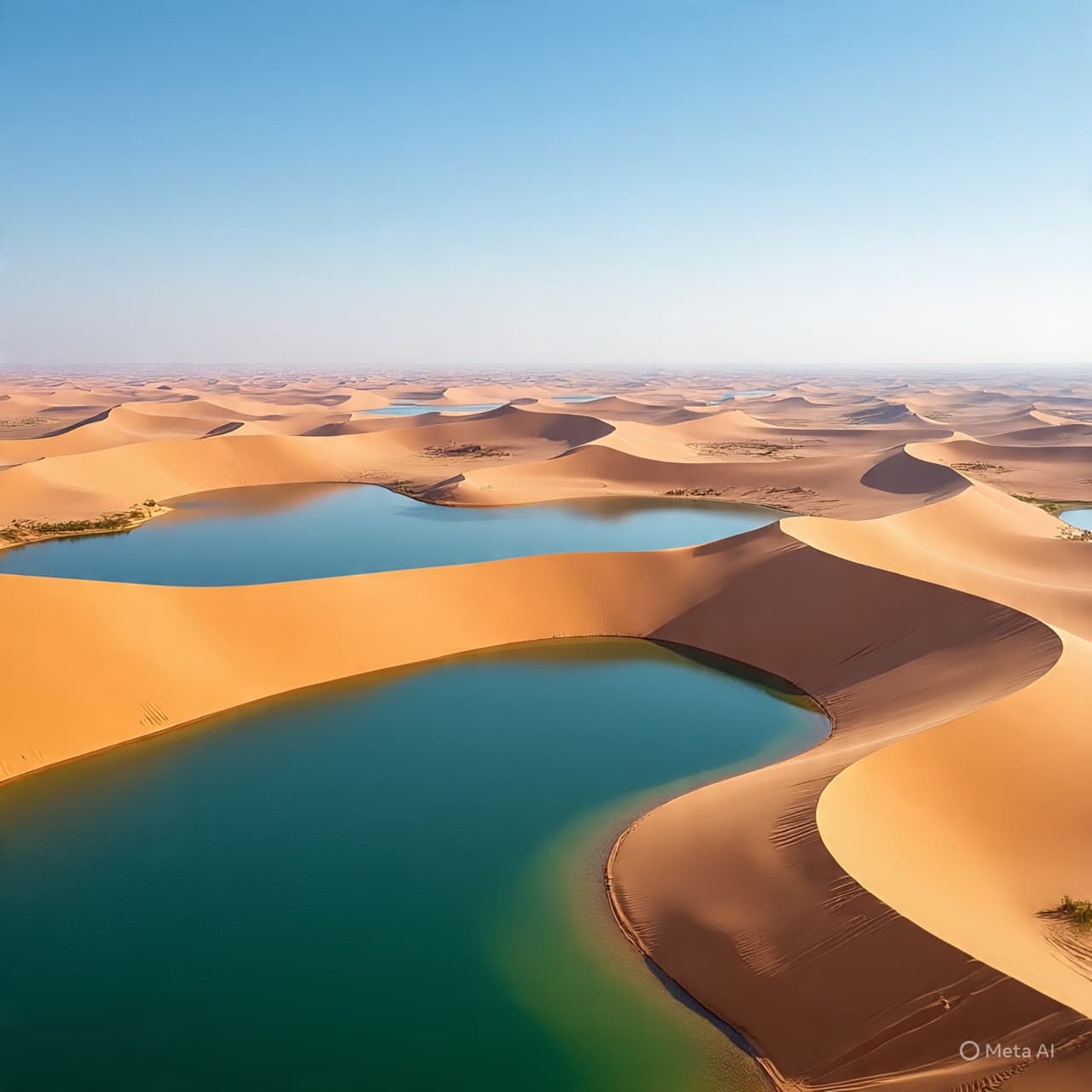
AI Image Disclaimer Illustrations were produced with AI and serve as conceptual depictions.
Sources Journal of Quaternary Science research (mid-Holocene drying evidence) Phys.org reporting on K’gari lakes sediment findings University research releases (Australian climate and lake history) ScienceDaily (context on paleoenvironmental studies) Australian climate change and hydrology institutional sources
Published by Banx Network. This article is part of the Banx decentralized media programme, powered by the BXE token on the XRP Ledger.