SCIENCE84% credibility
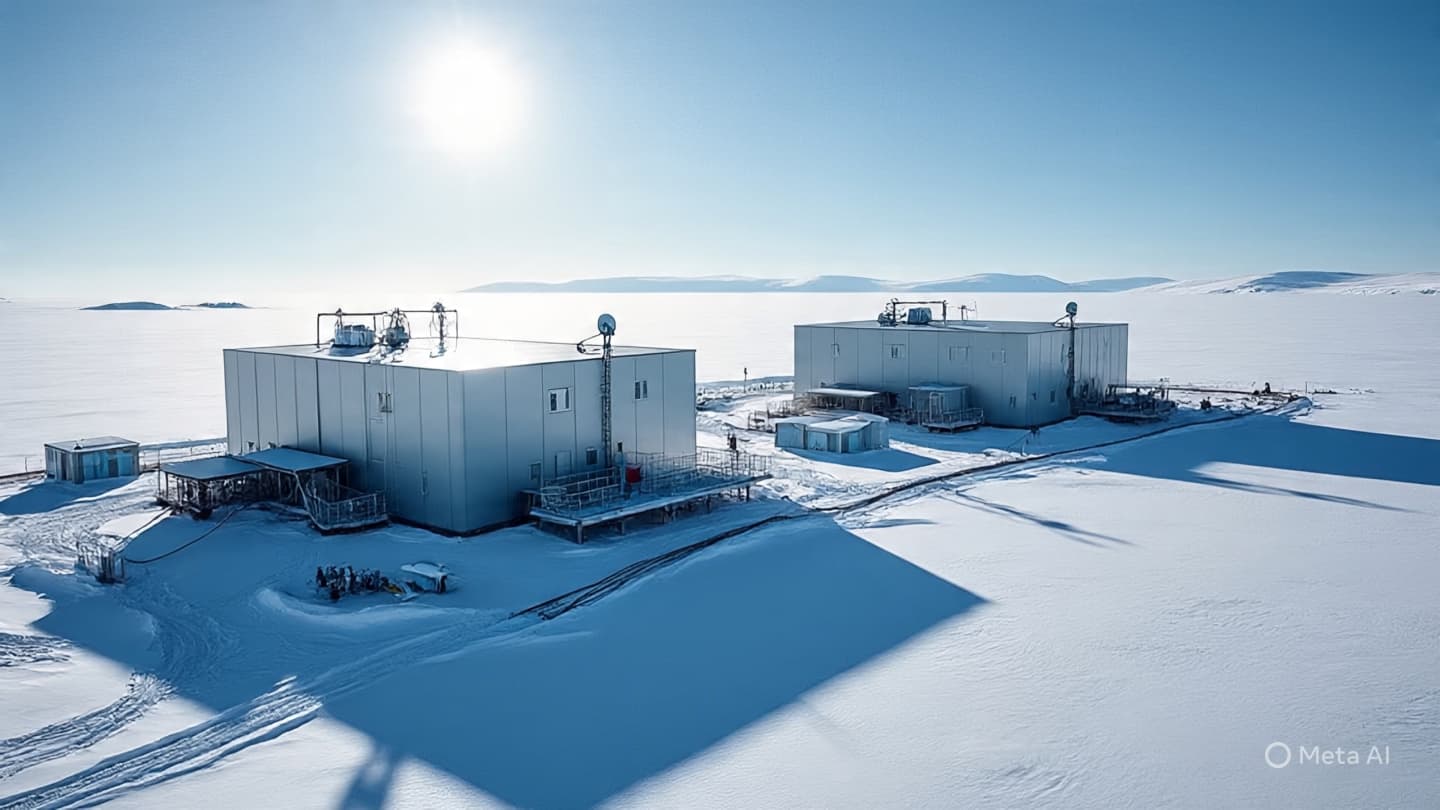
At the End of the Earth, Science Finds Strength in Partnership
French and Australian scientists celebrate successful collaboration in Antarctic research and climate studies.
1 min read

French and Australian scientists celebrate successful collaboration in Antarctic research and climate studies.
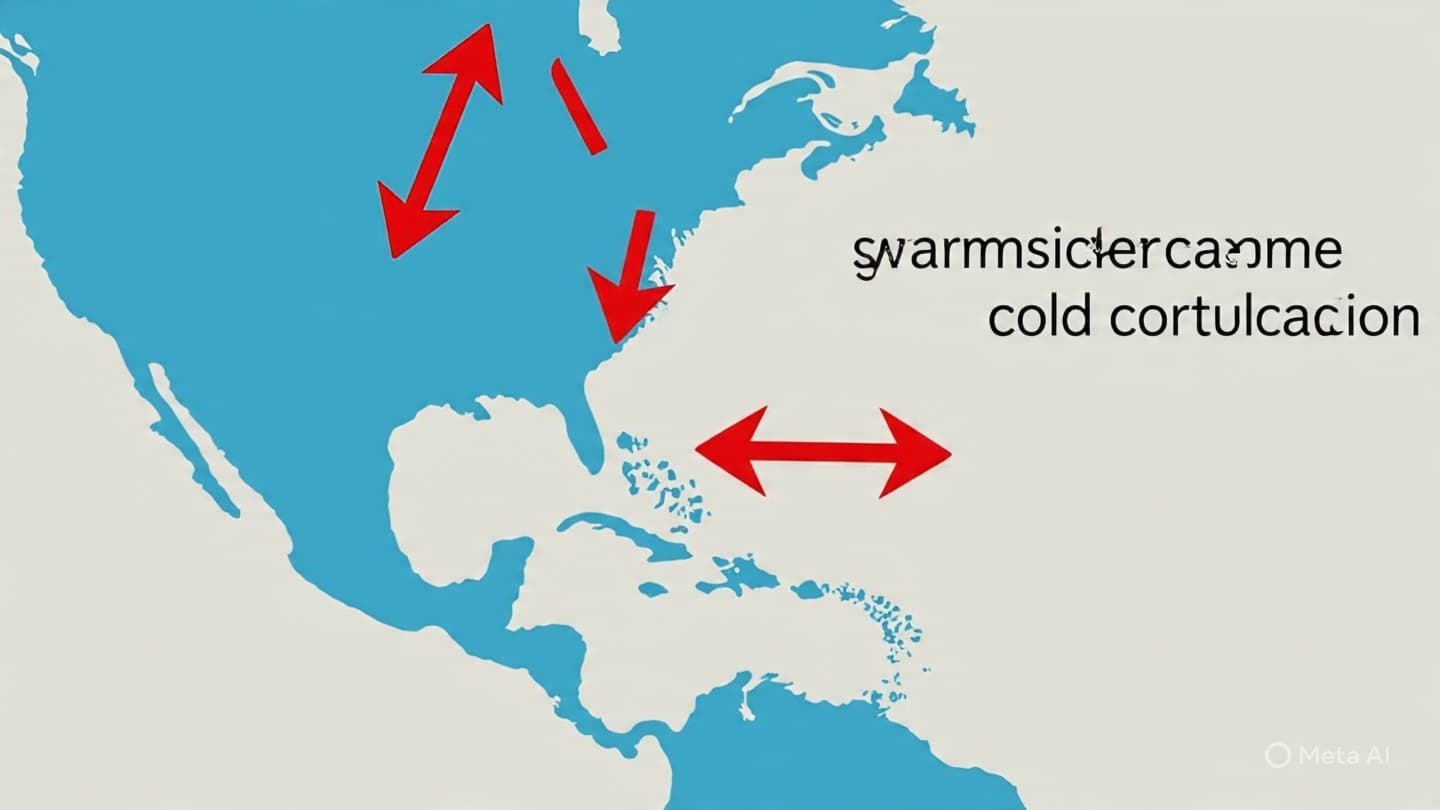
Scientists warn that a slowdown in a key Atlantic ocean current could reshape global climate patterns.
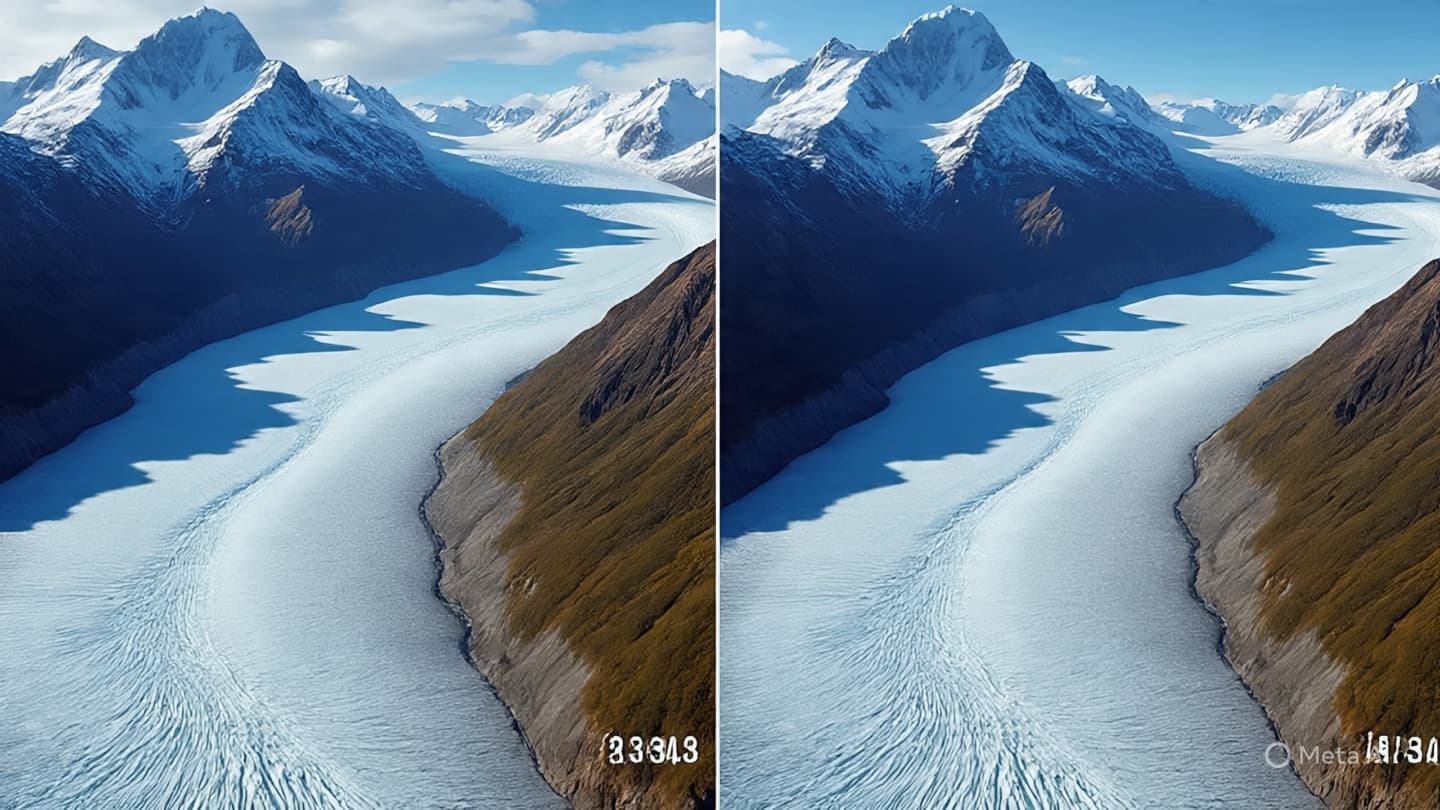
Fifty years of NIWA data show continued glacier decline in New Zealand’s Southern Alps, with no sustained recovery observed.
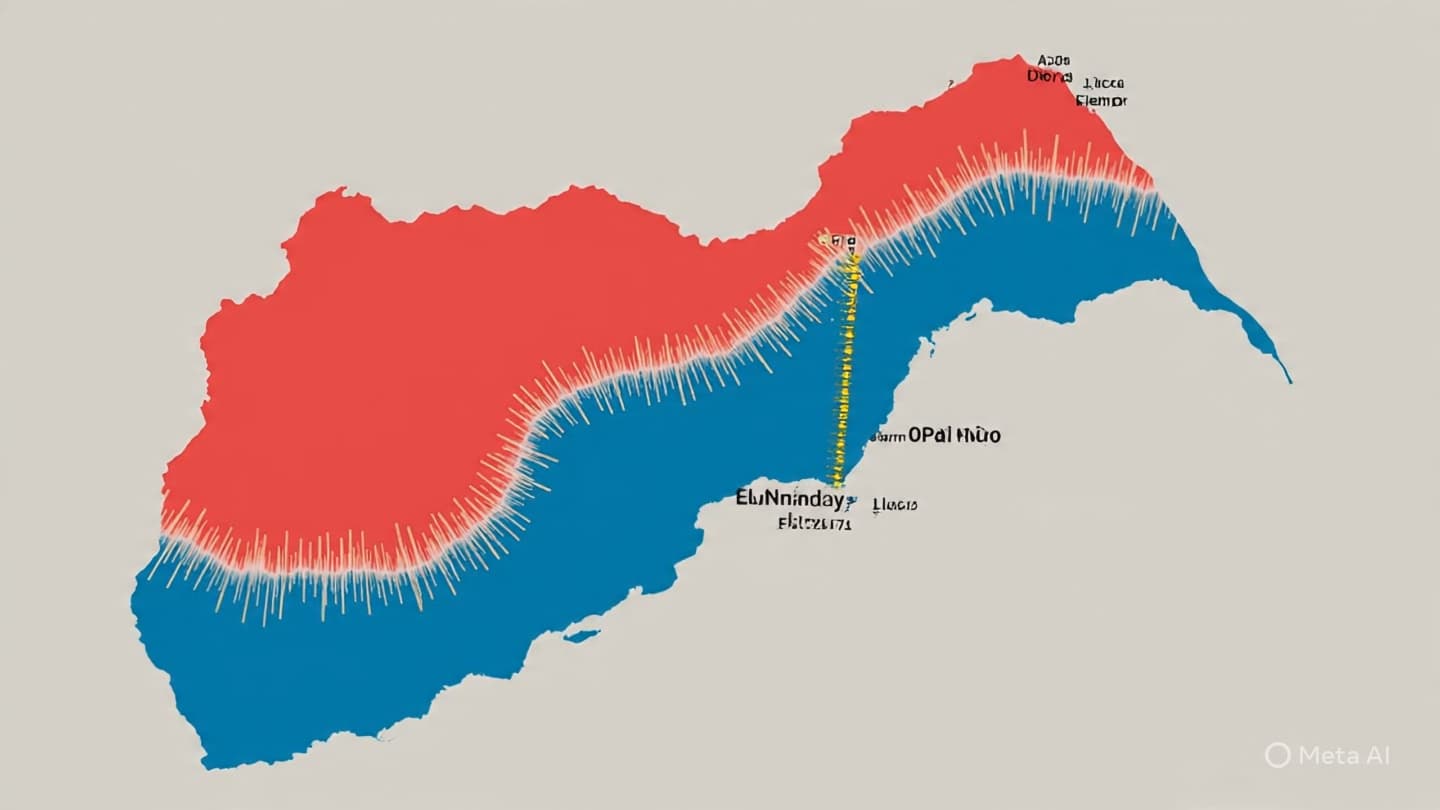
Climate models align on a significant El Niño event, signaling potential global weather shifts and prompting early preparedness efforts.
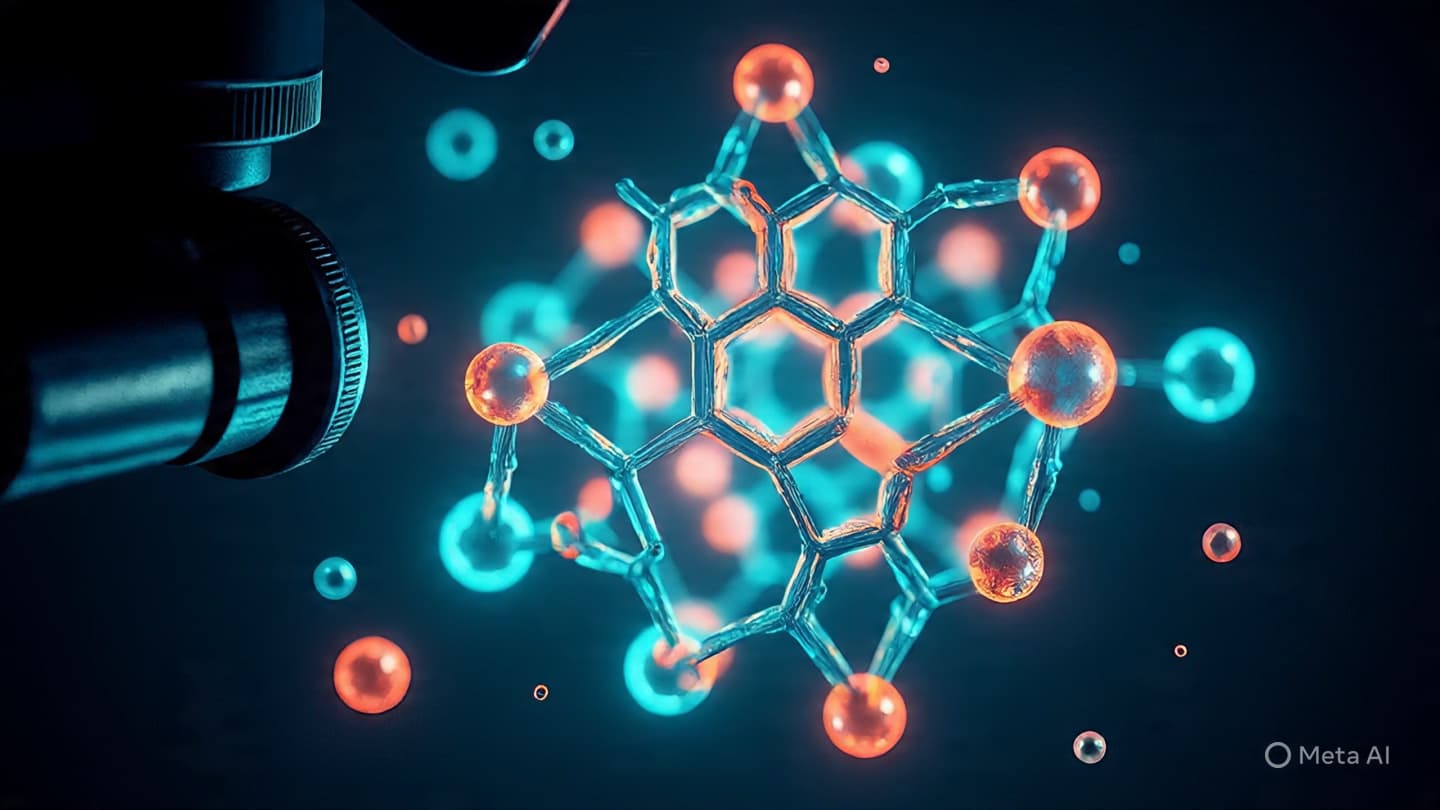
Monash researchers capture atomic motion in real time, paving the way for improved data storage technologies and deeper materials insight.
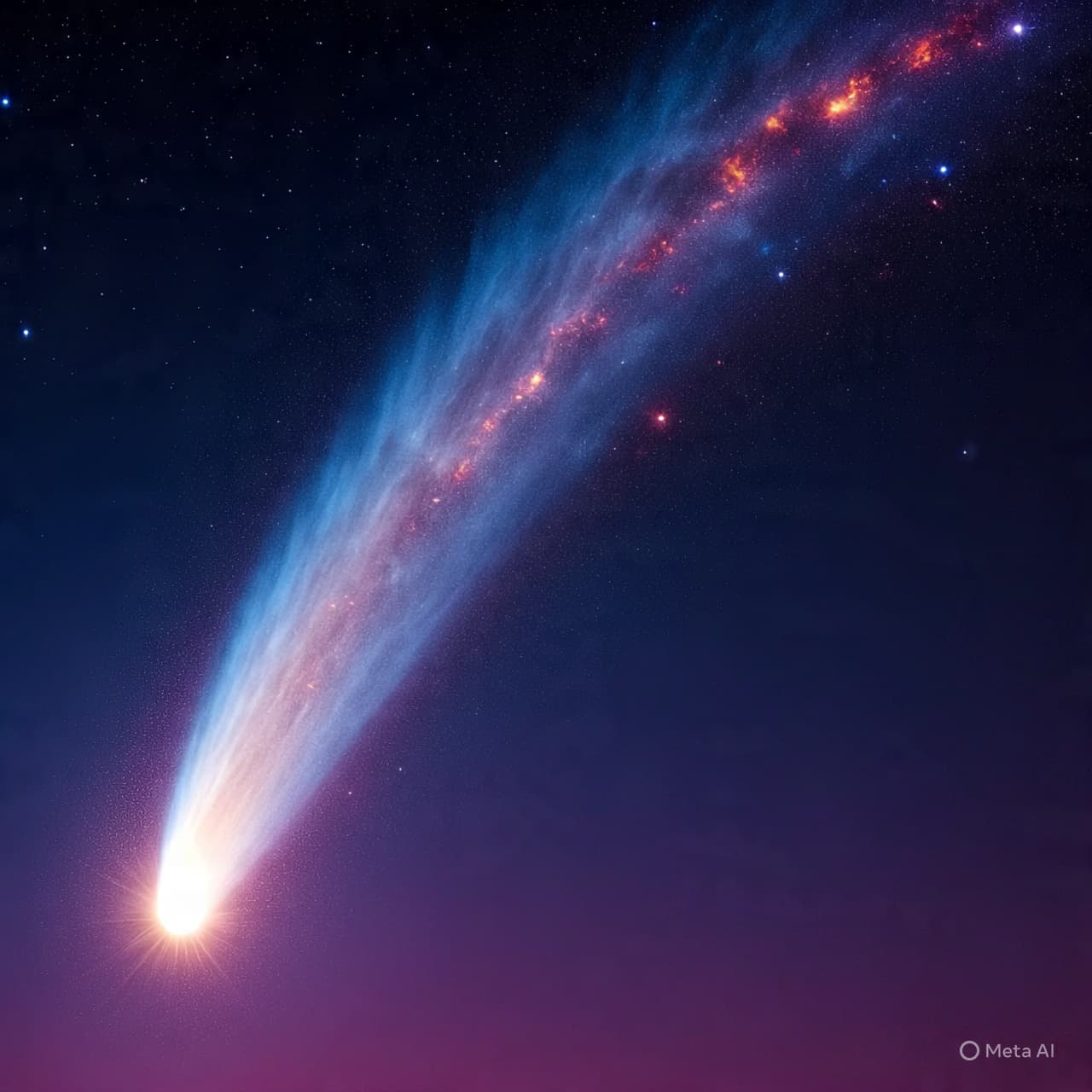
Interstellar comet 3I/ATLAS shows an unusually high semi-heavy water ratio, offering insights into distant cosmic environments.

NASA powers down Voyager 1 instruments to conserve energy, extending its mission in interstellar space.
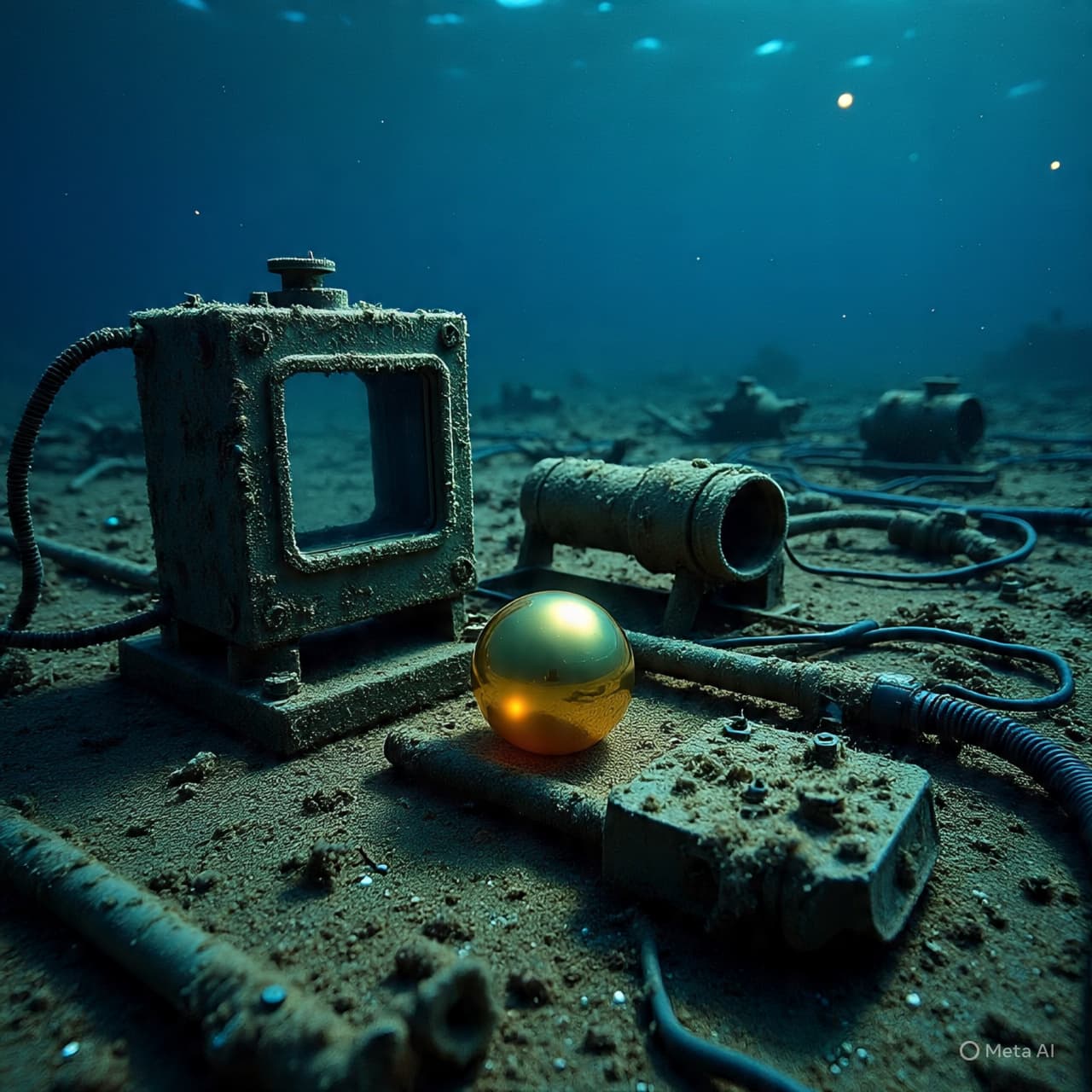
Scientists study a mysterious golden orb found deep in the Gulf of Alaska, believed to be biological but not yet identified.

A disabled kea parrot achieved social dominance through unique behavioral strategies, showing adaptability in animal hierarchies.
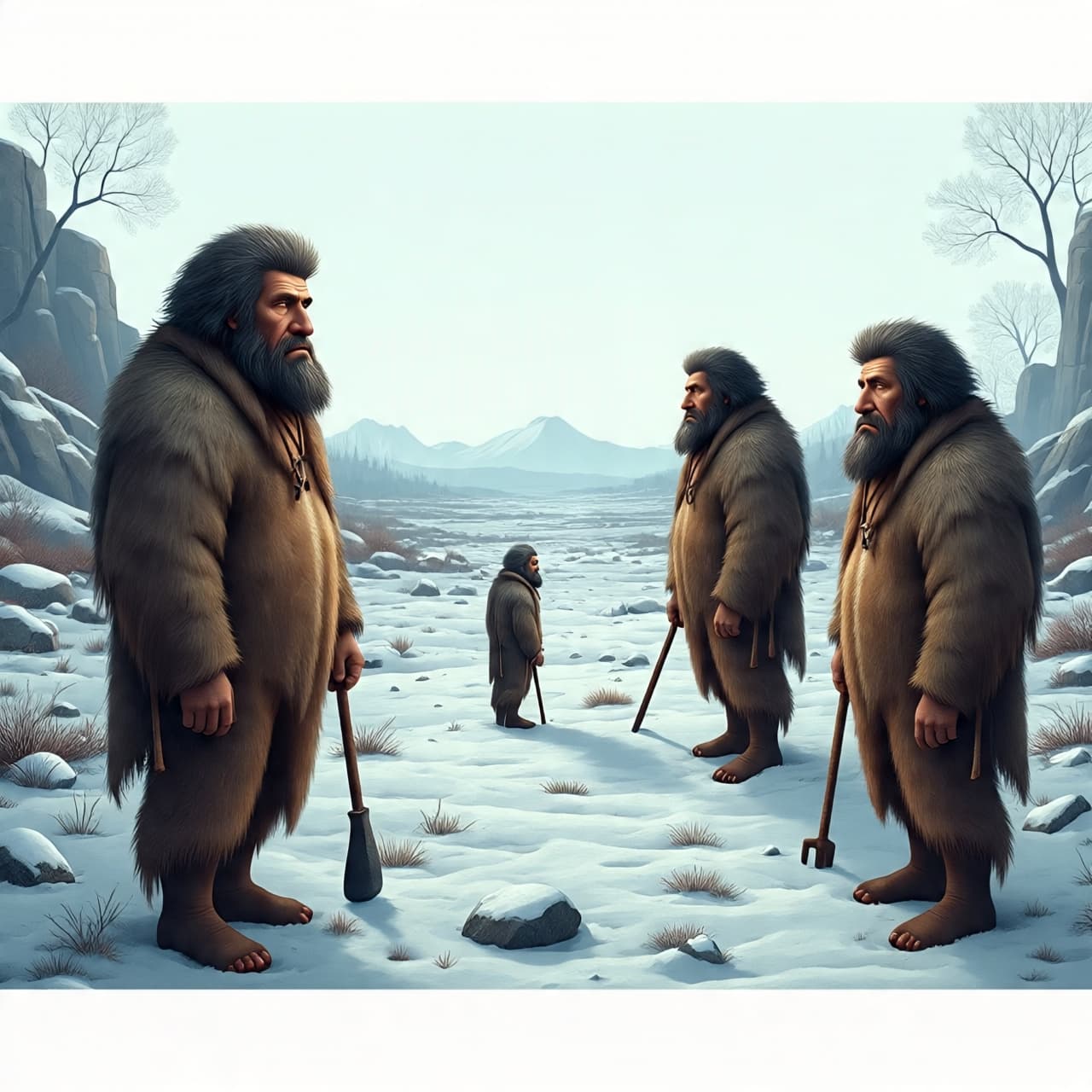
New research shows Neanderthals faced a severe genetic bottleneck, reducing diversity and increasing vulnerability before their extinction.
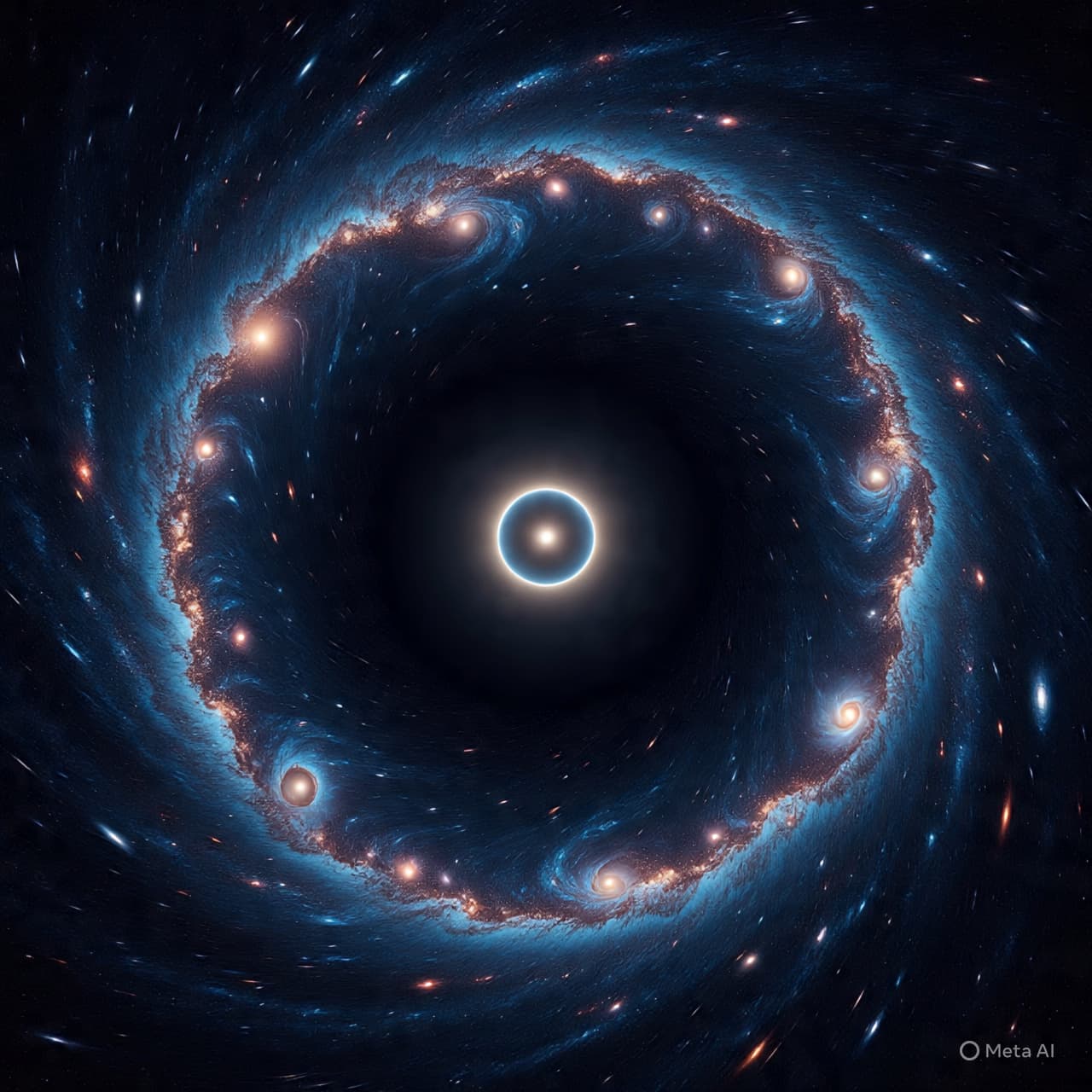
Scientists explore whether black holes formed before the Big Bang could still exist today, offering clues about a pre-existing universe.

A Romanian medical team has successfully tested a non-invasive heart monitoring tool, offering a more comfortable and effective way to manage cardiac health through advanced technology.
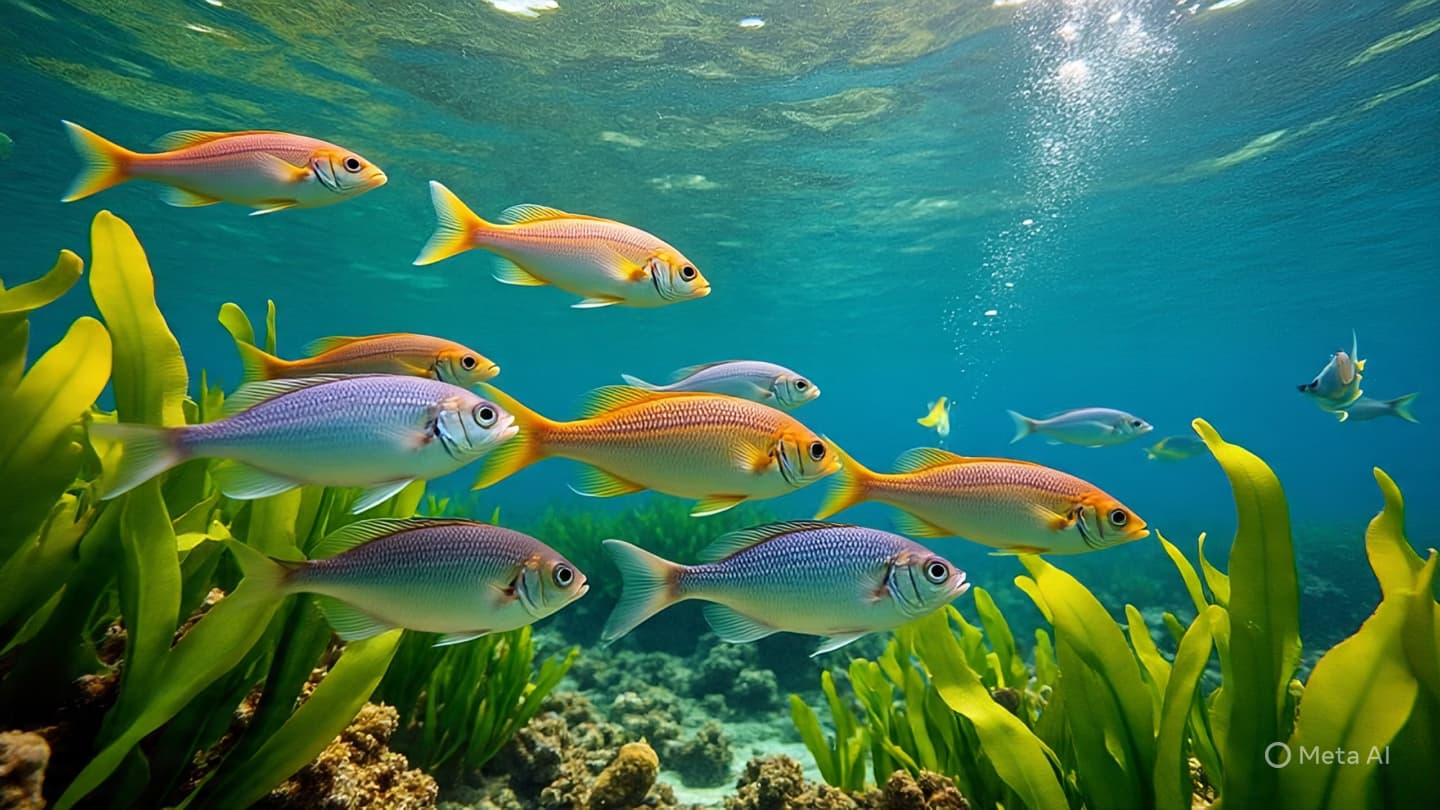
Conservation efforts in the Danube Delta have resulted in a major recovery of native fish species, proving the success of large-scale wetland restoration and rewilding in Romania.

Geologists have deployed advanced seismic sensors on Mount Etna to monitor real-time magma movement, significantly improving eruption prediction and safety for nearby Sicilian communities.

NASA PACE mission partners have completed a field campaign off Uruguay's coast, using satellite and sea-level data to track ocean sediments and improve our understanding of marine ecosystems.

Uruguayan researchers have discovered a new seaweed species with significant biofuel potential, marking a breakthrough in renewable energy research and highlighting the ecological richness of the Atlantic coast

Angola is revitalizing its fisheries sector and blue economy through infrastructure modernization and marine ecosystem protection to ensure national food security.
Scientists have explained anomalies in sea level rise by identifying increased heat absorption in the deep ocean, which contributes to expansion and long-term changes.

NASA’s Artemis II spacecraft has returned to its launch site after completing a historic crewed lunar orbit mission, marking a key step toward future Moon landings.

Scientists have created detailed “smell maps” showing how the olfactory bulb organizes and tracks odours, revealing how the brain distinguishes and navigates scents.

New research on desert dust may improve weather forecasts and climate models by better understanding atmospheric interactions.
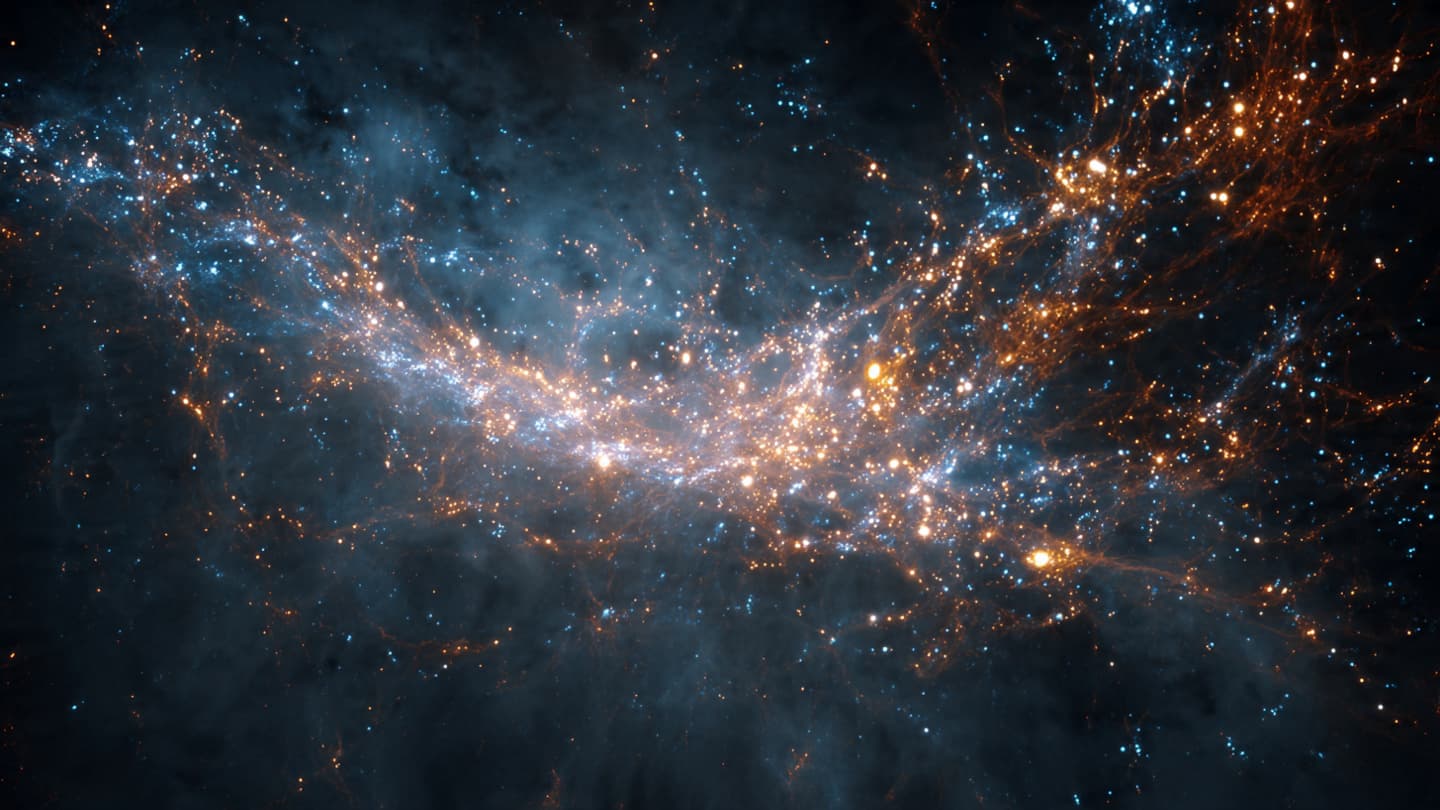
Astronomers release a large-scale cosmic simulation dataset, offering new tools to study galaxy formation and the universe’s evolution.
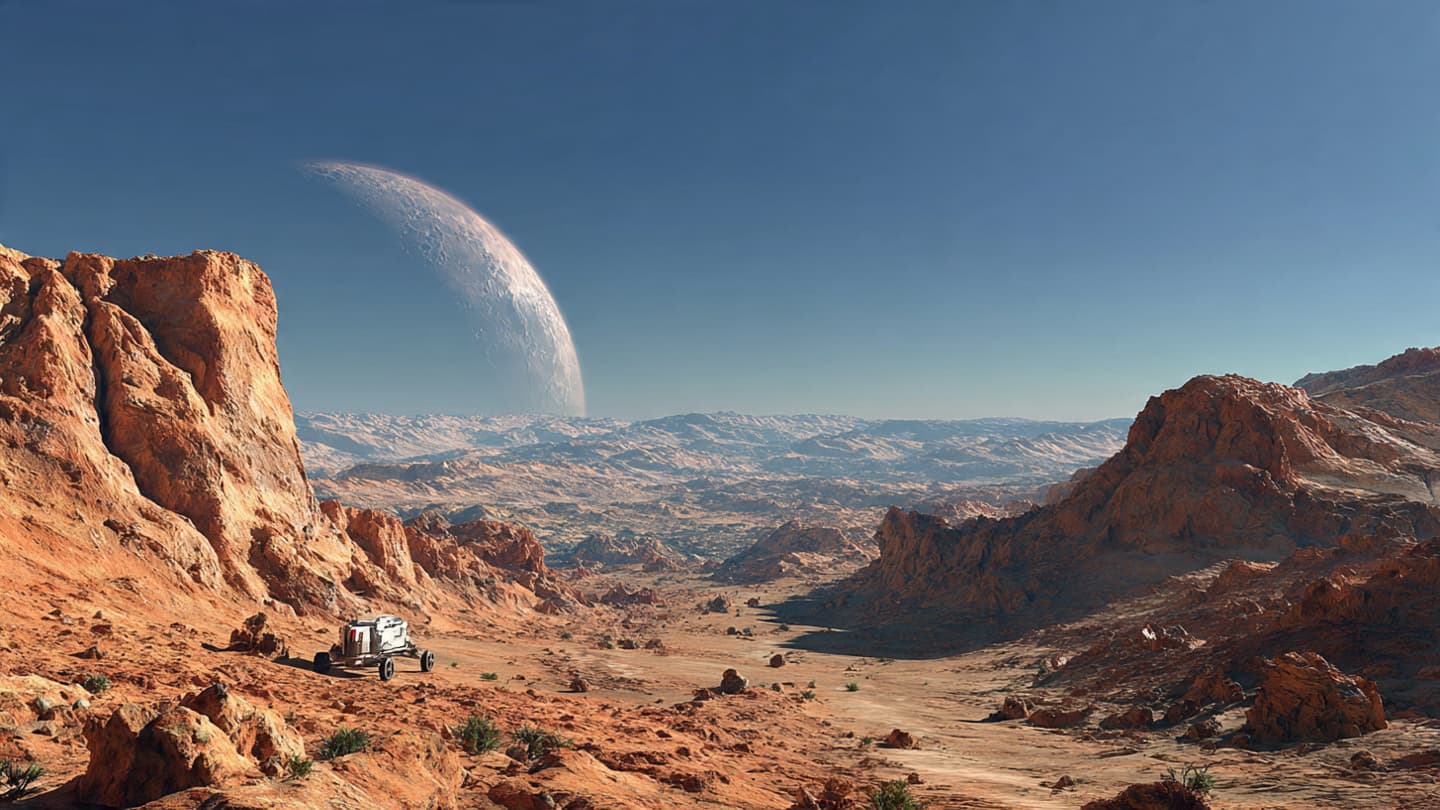
NASA’s Curiosity Rover finds diverse organic molecules on Mars, advancing understanding of the planet’s chemical history.
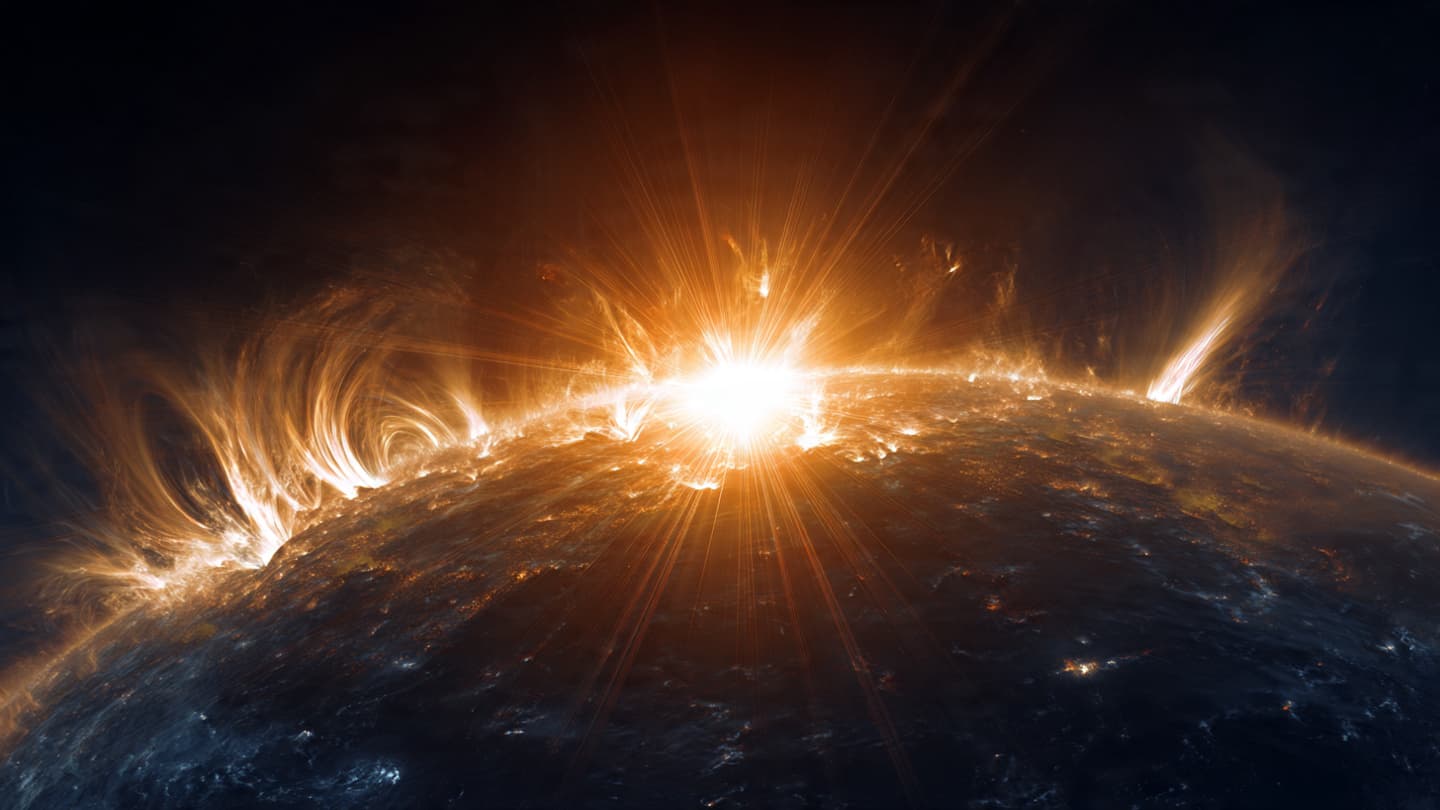
NASA records an M6 solar flare as the Sun moves toward a more active cycle, raising space weather awareness.