
SCIENCE97% credibility
Europe’s Spacecraft Future May Depend on Learning How to Return Again
Europe’s reusable spacecraft Space Rider passed key technical tests, moving closer toward its first orbital mission.
2 min read

Europe’s reusable spacecraft Space Rider passed key technical tests, moving closer toward its first orbital mission.

Scientists are debating whether Saturn’s moon Titan could become a future destination for exploration after the moon and Mars.
A former NASA chief has joined a national security space firm, highlighting the growing link between aerospace and defense strategy.
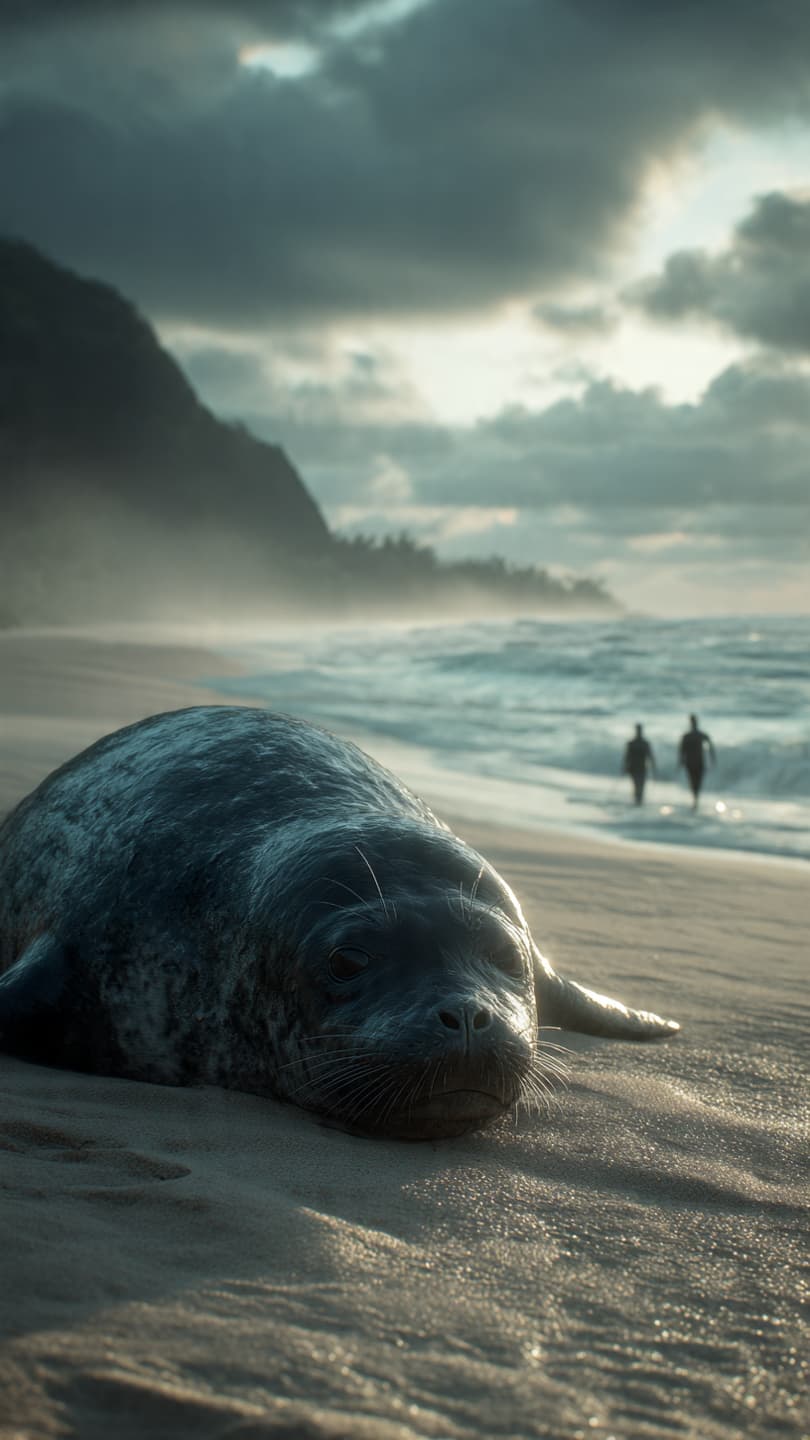
Authorities are investigating after a man was filmed throwing a rock at an endangered Hawaiian monk seal, a federally protected species found only in Hawai‘i.

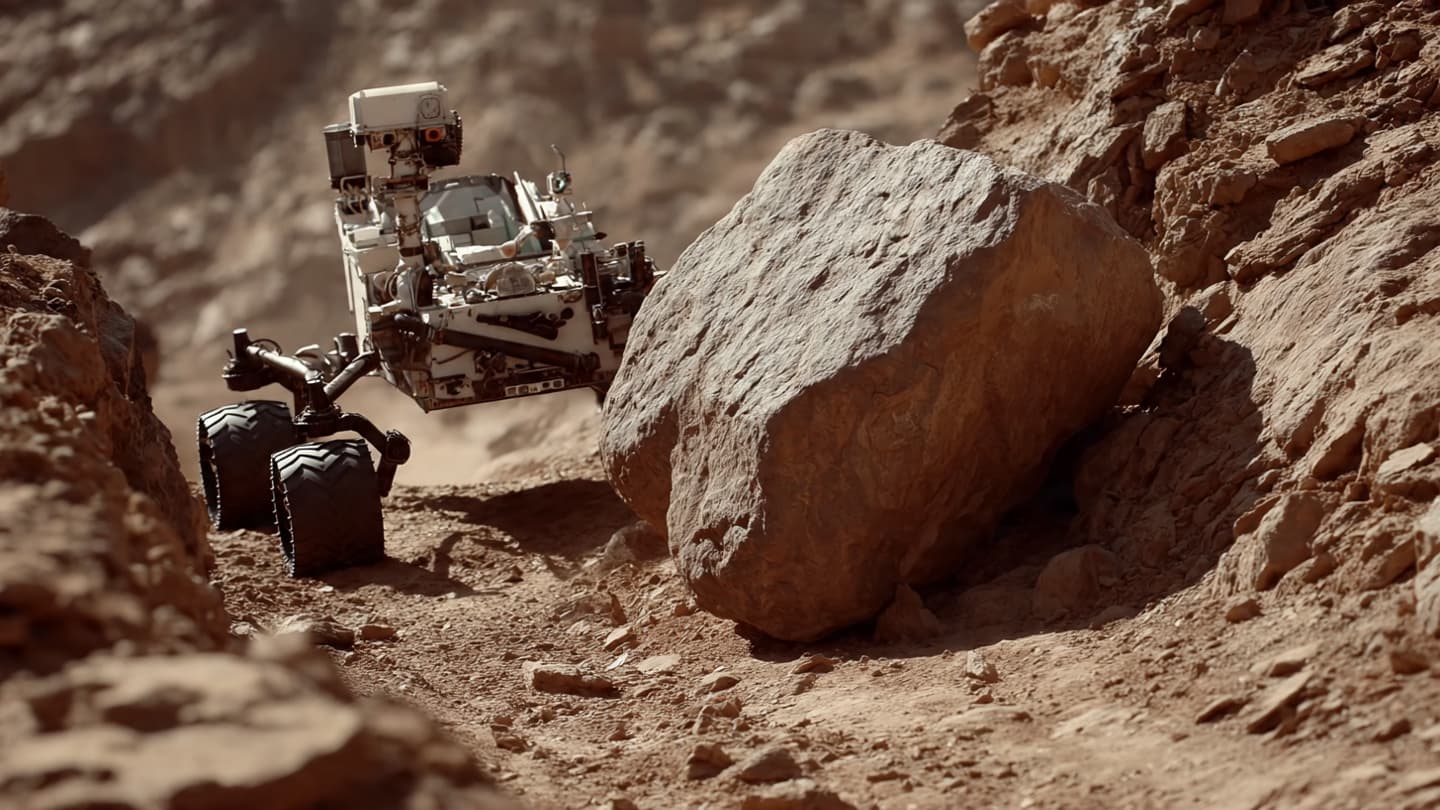
NASA’s Curiosity rover was immobilized for six days after a 29-pound rock became lodged beneath it, temporarily halting operations on the Martian surface.

New fossil research suggests the ancestors of millipedes and centipedes evolved segmented walking legs while still underwater, reshaping scientific understanding of early terrestrial evolution.
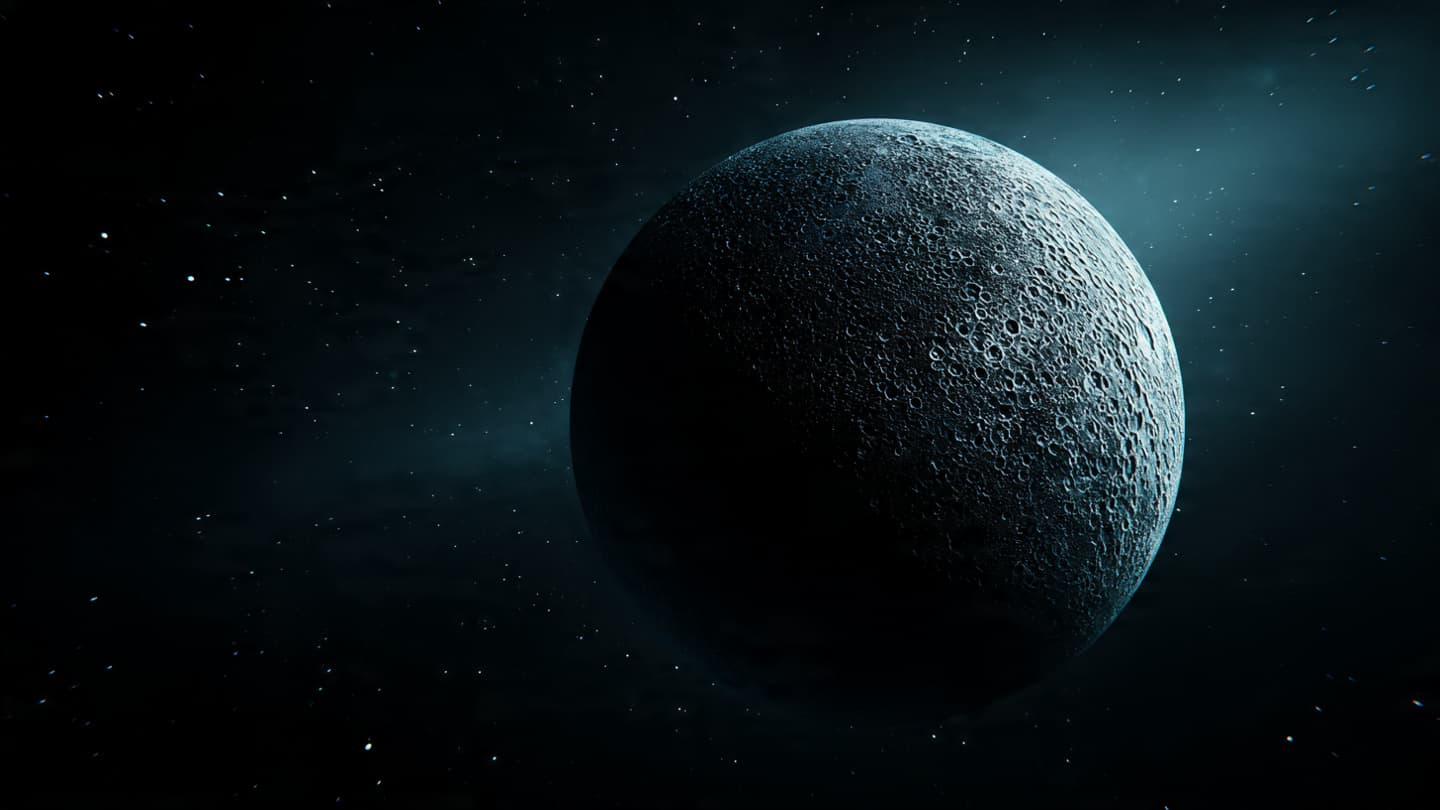
Astronomers detected possible signs of an atmosphere around a tiny distant world billions of miles from Earth.
Physicists developed a more stable laboratory time crystal, advancing research into quantum systems and future technologies.
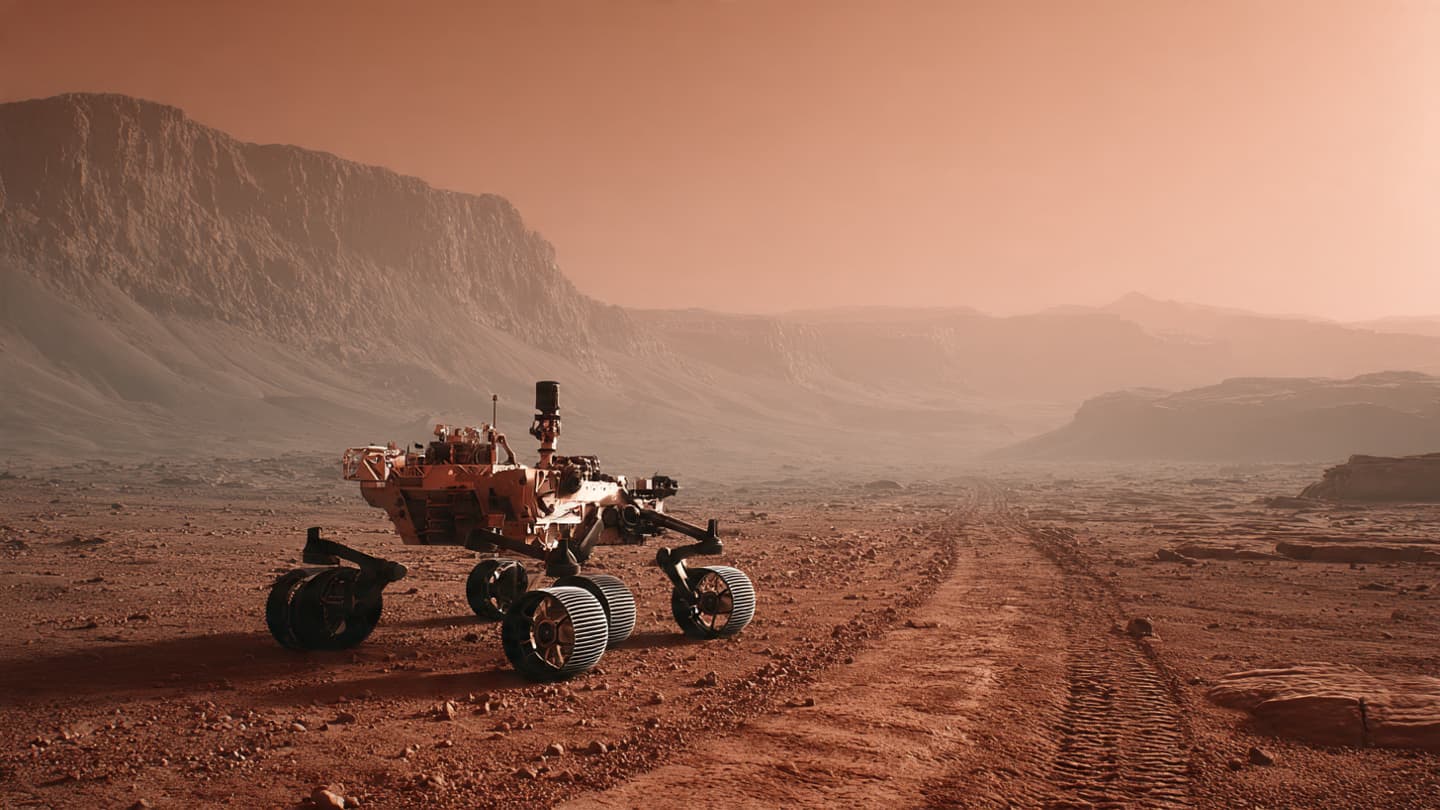
New rover data confirmed organic deposits in Mars’ Jezero Crater, adding evidence of ancient habitable environments on the planet.
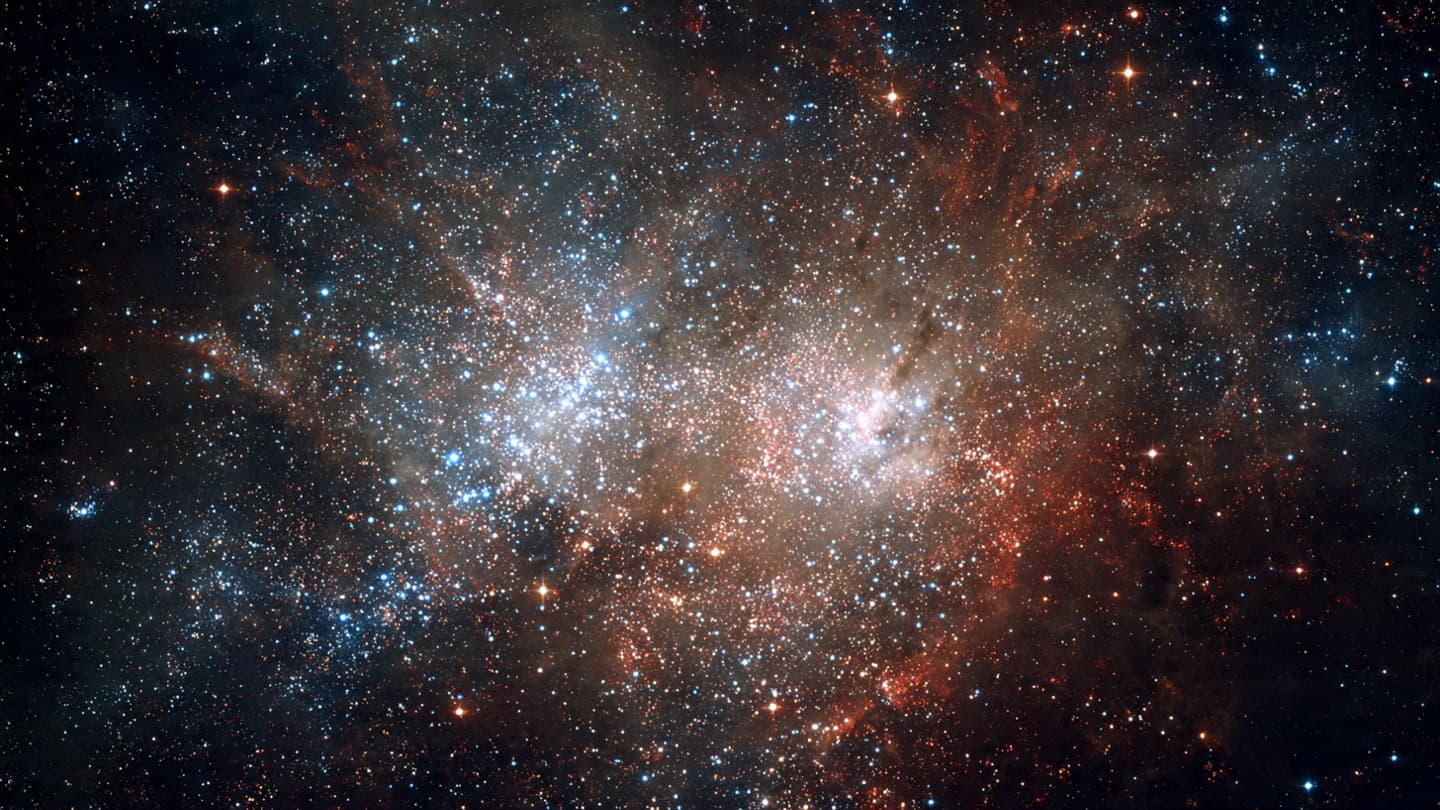
An animated version of the famous “Hello, world” astronomical image revealed new structures and visual details for researchers.
Webb and Hubble observations suggest massive star clusters formed faster in the early universe than scientists once believed.
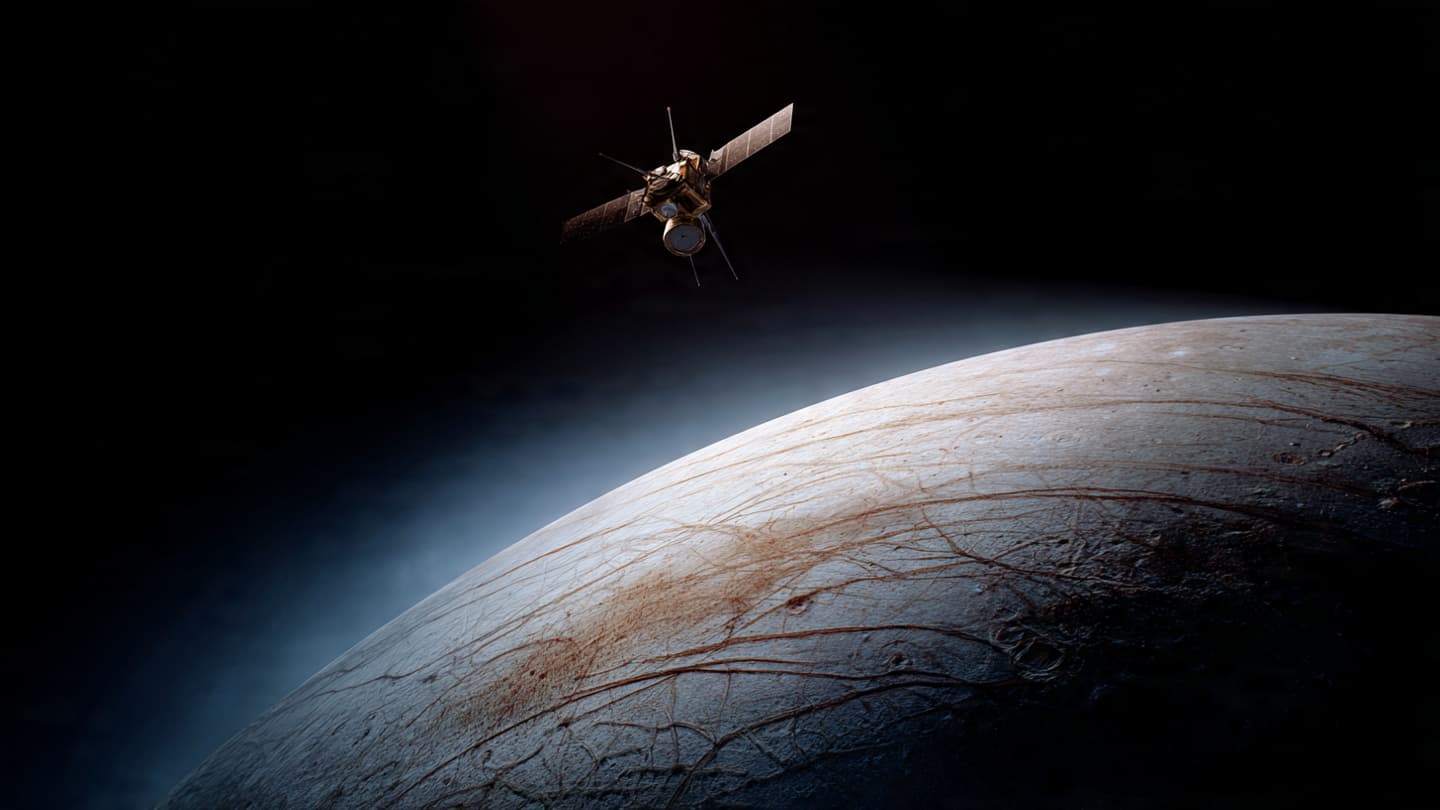
NASA’s Europa Clipper completed final instrument calibration before beginning future scientific operations near Jupiter and Europa.
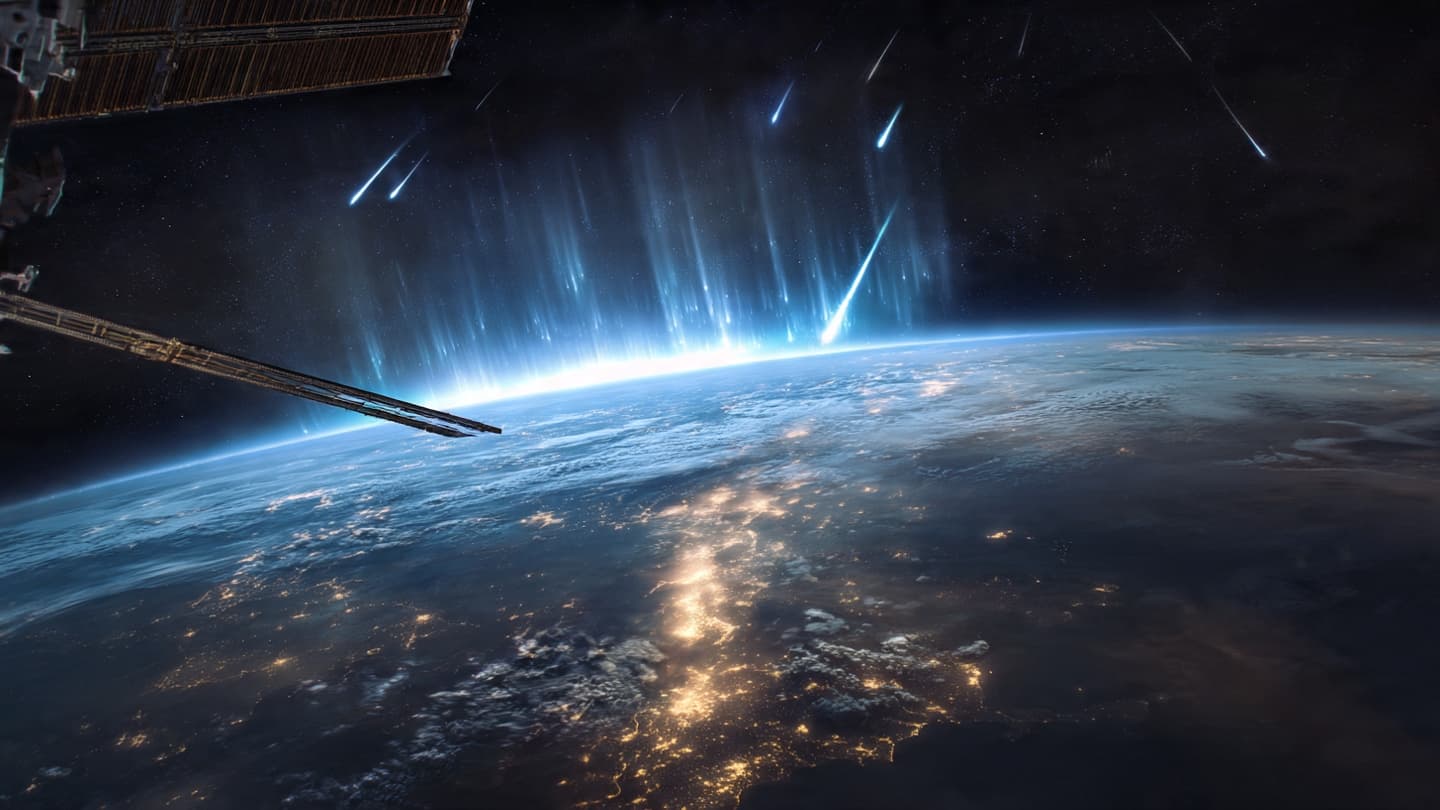
The Sun’s Growing Activity Is Quietly Reshaping Earth’s Orbiting Debris

A contemplative look at Gabon’s new funding for ecosystem restoration, exploring the grassroots efforts to heal and reclaim degraded lands.
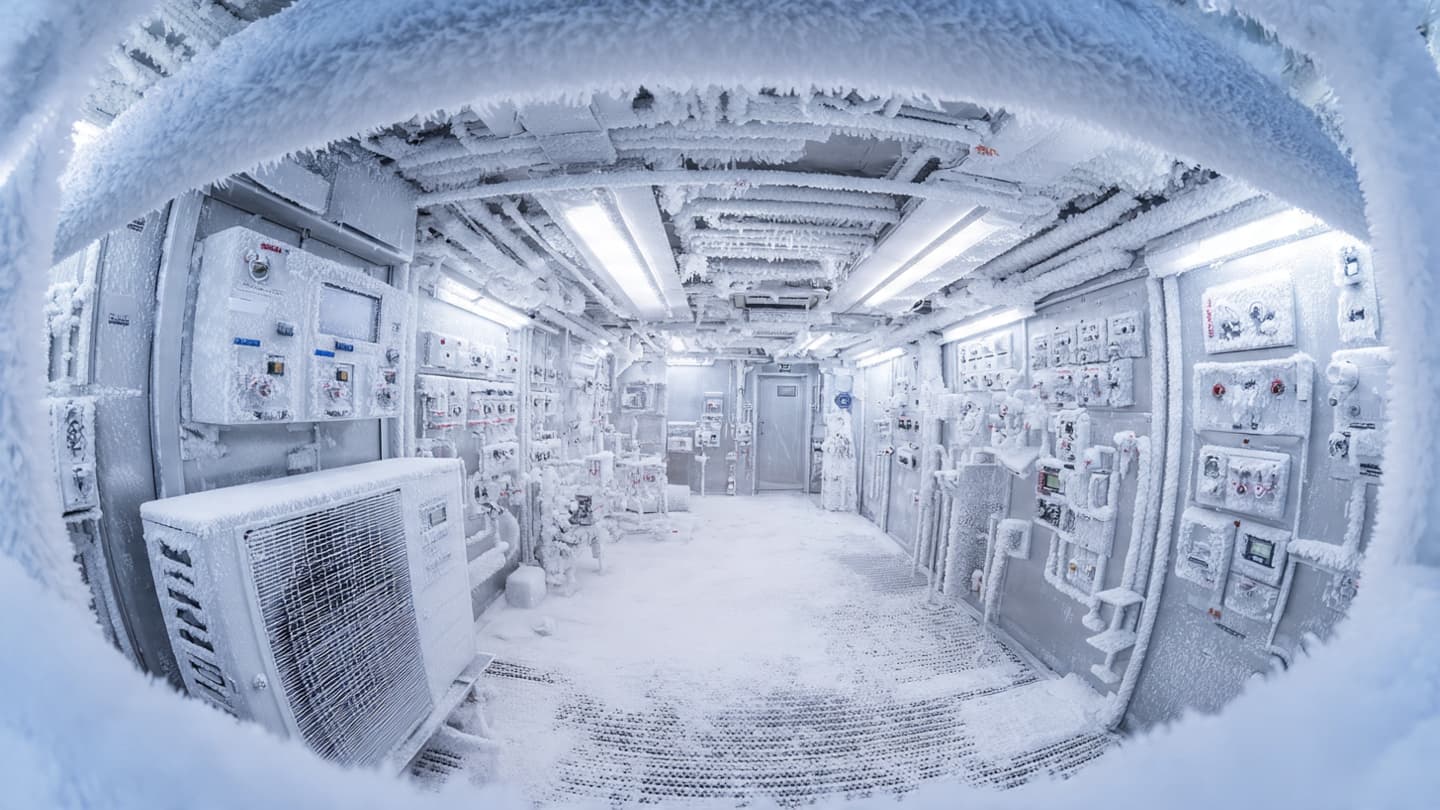
NASA has developed technology to simulate extreme lunar night temperatures, improving testing for future Moon missions.
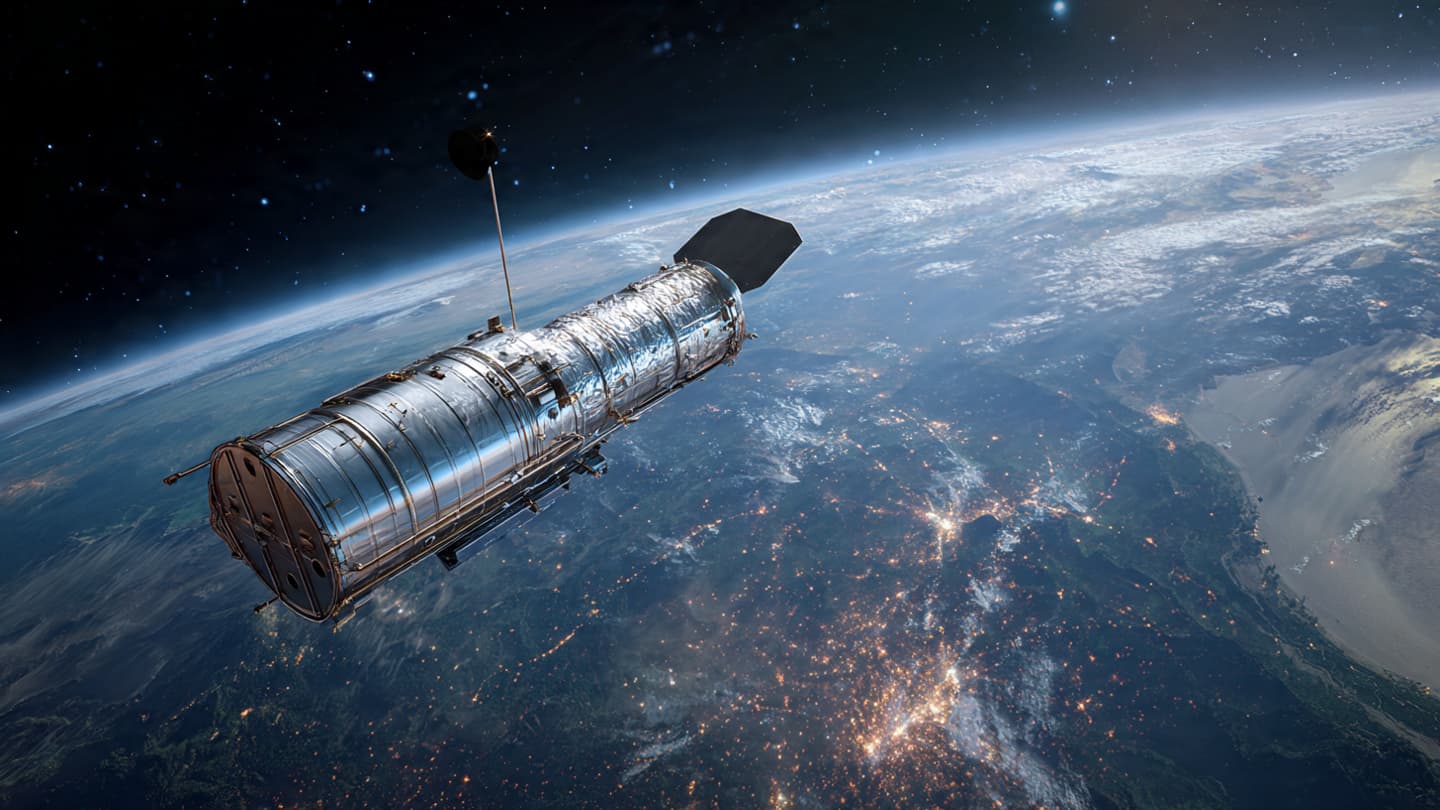
NASA’s Roman Space Telescope is set to enhance detection of neutron stars using gravitational microlensing techniques.
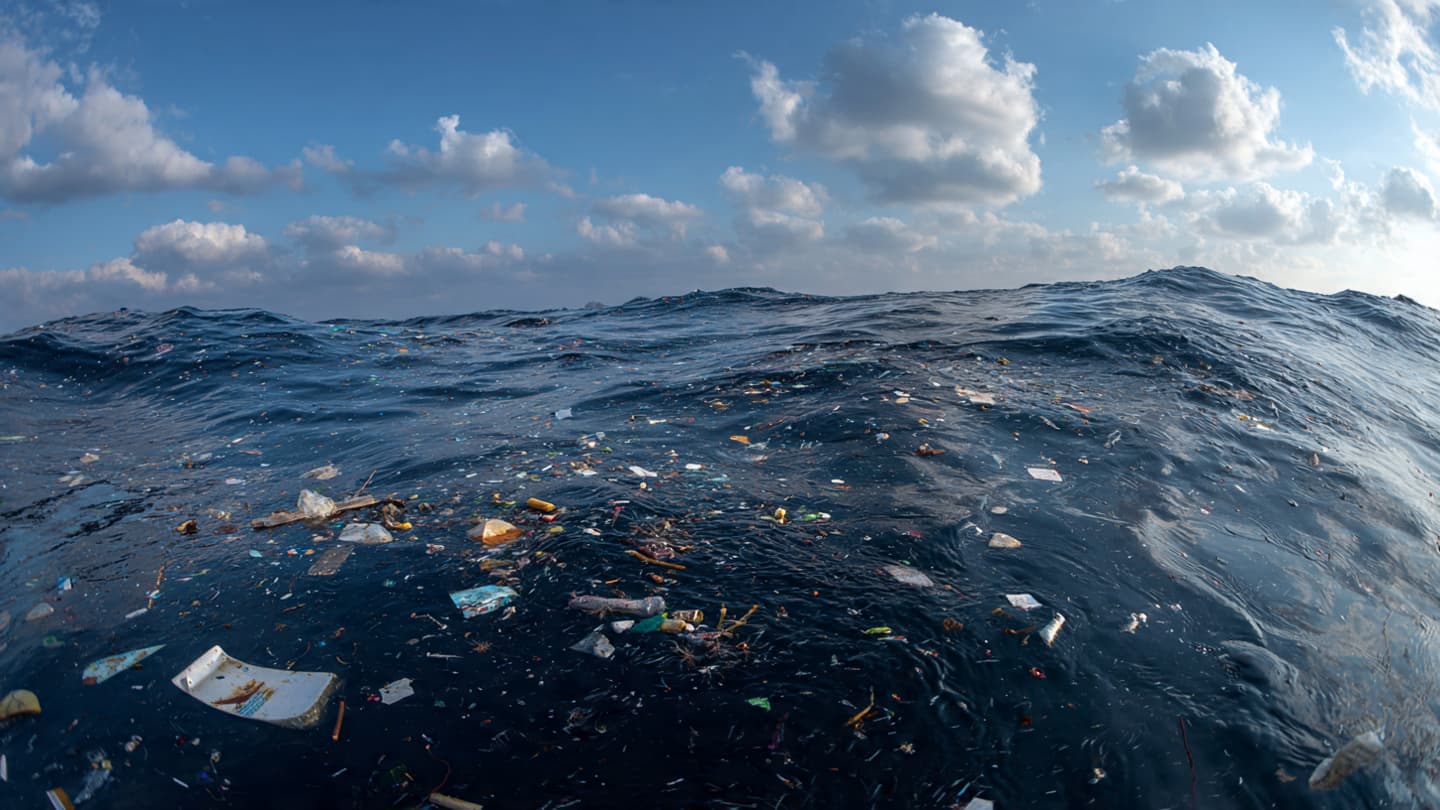
The Great Pacific Garbage Patch highlights visible plastic waste and a broader issue of microplastic pollution.
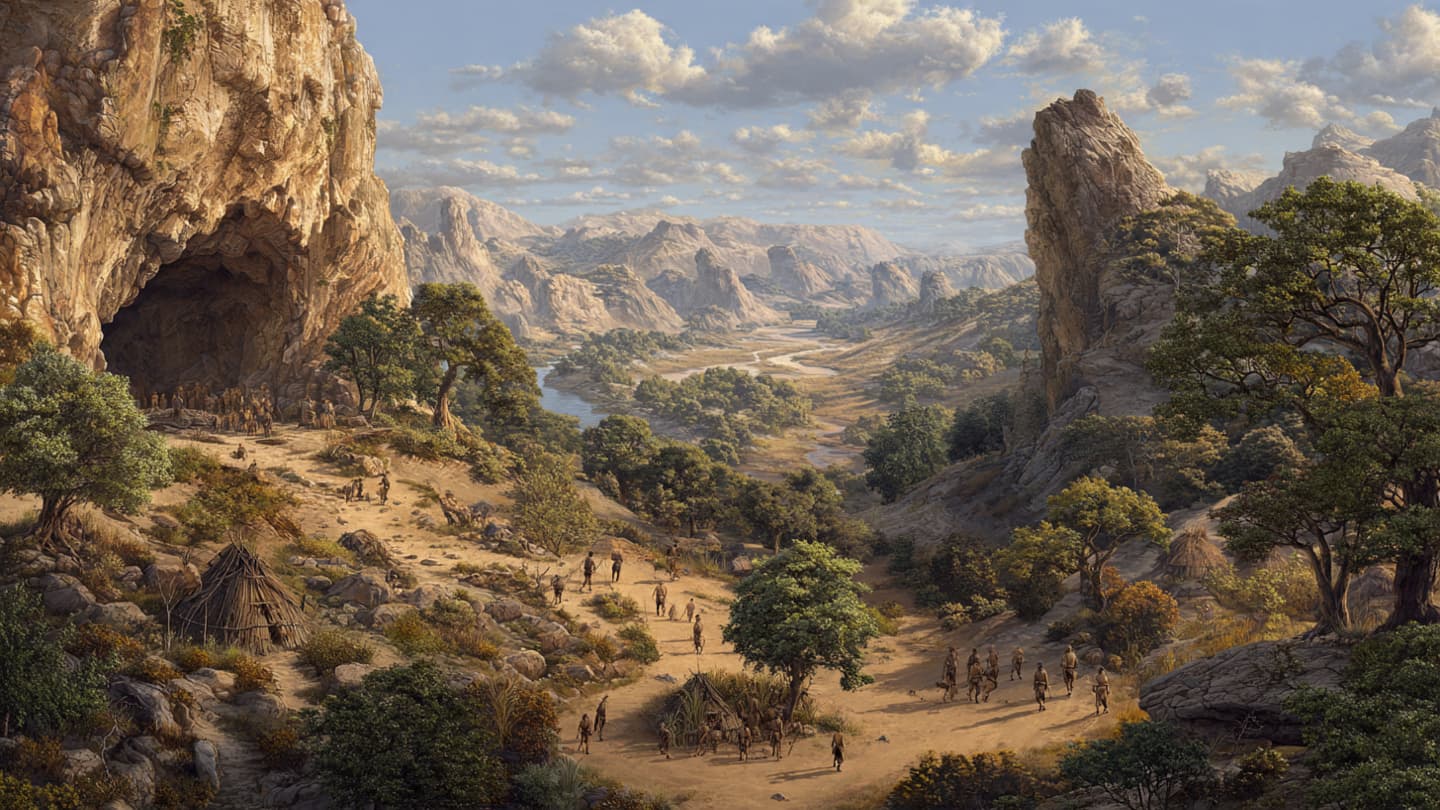
New research suggests modern humans had advantages that contributed to Neanderthal disappearance.
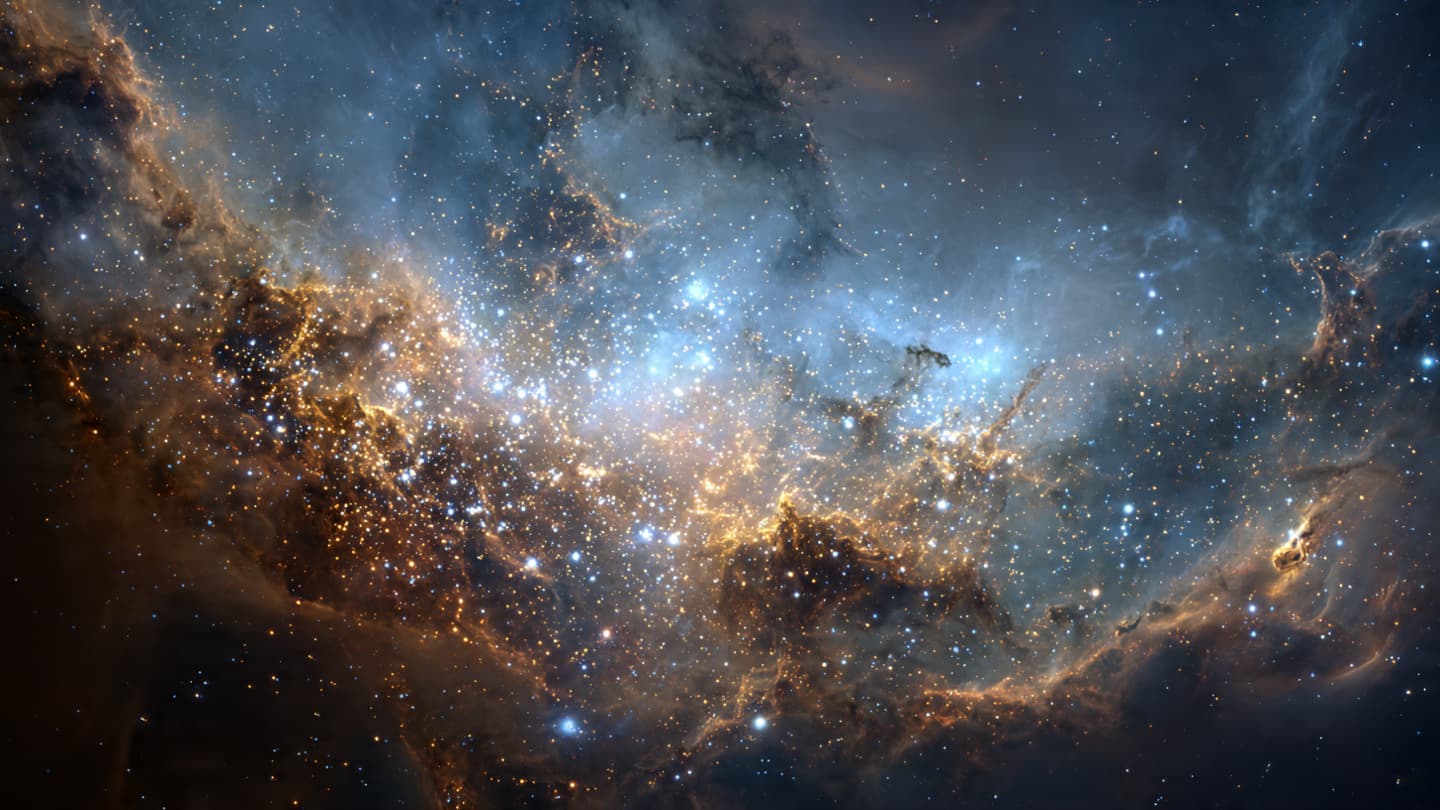
Webb and Hubble observations show massive star clusters may form faster than previously thought.
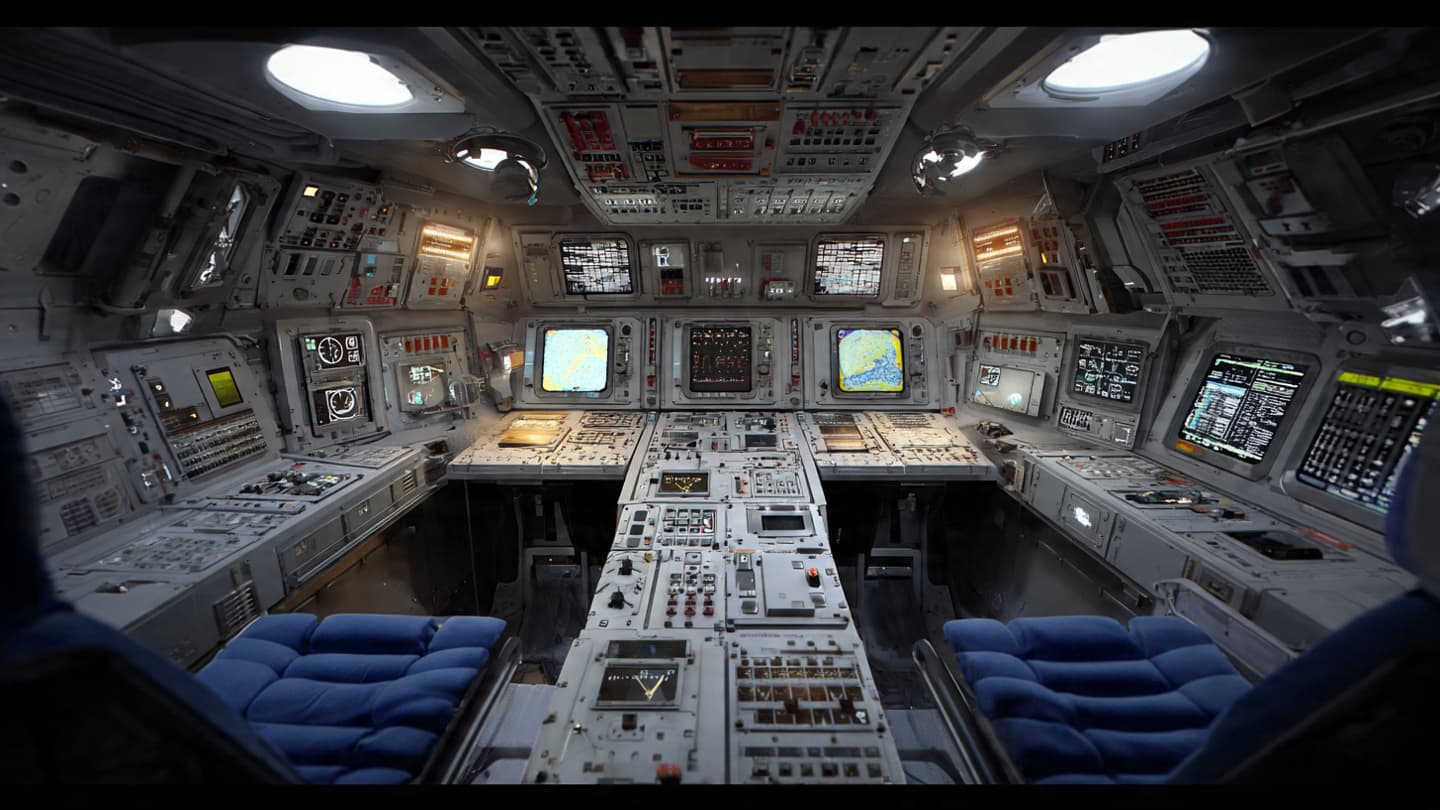
NASA releases Artemis II images, offering insight into spacecraft, training, and mission preparation.
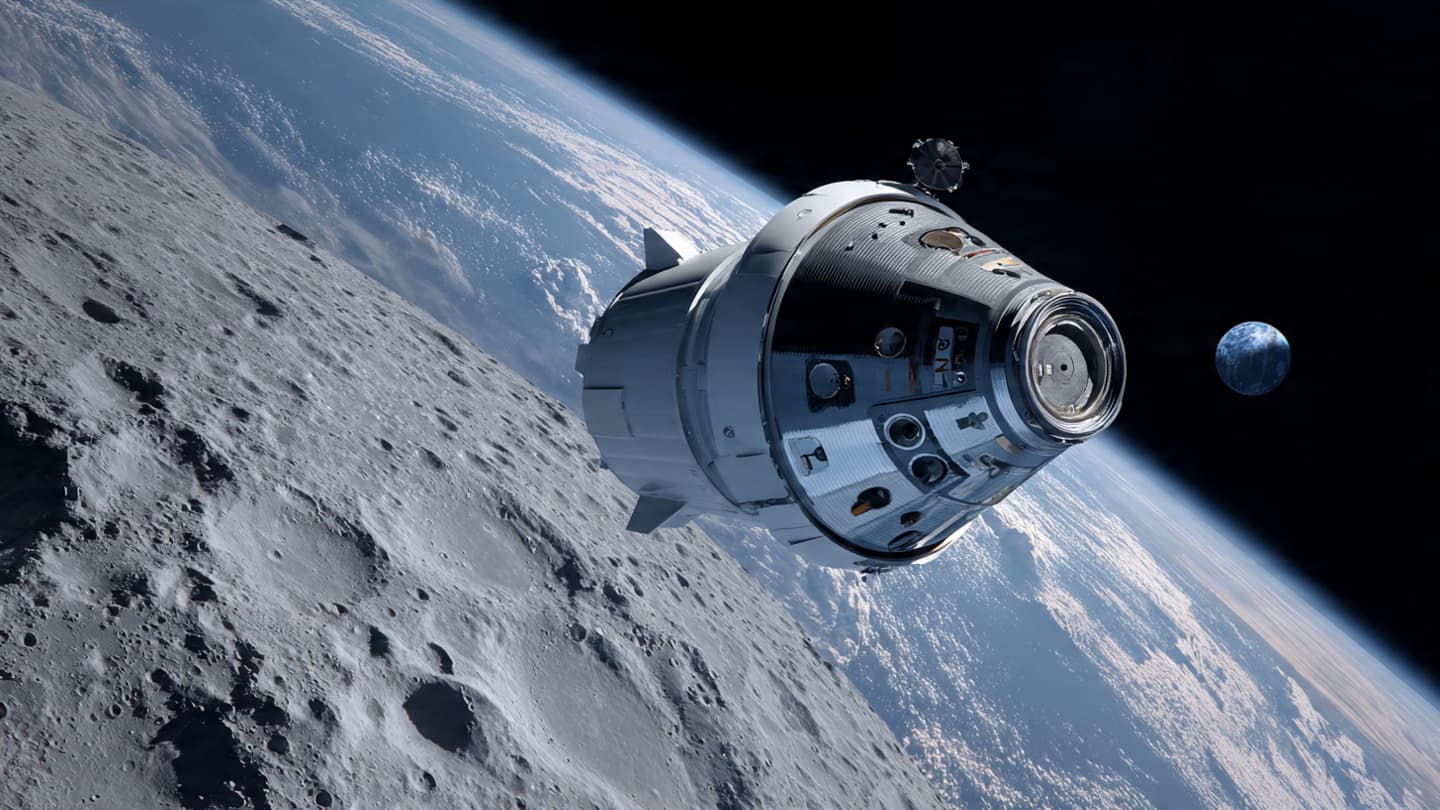
NASA’s Artemis II mission marks major progress toward returning astronauts to the Moon.
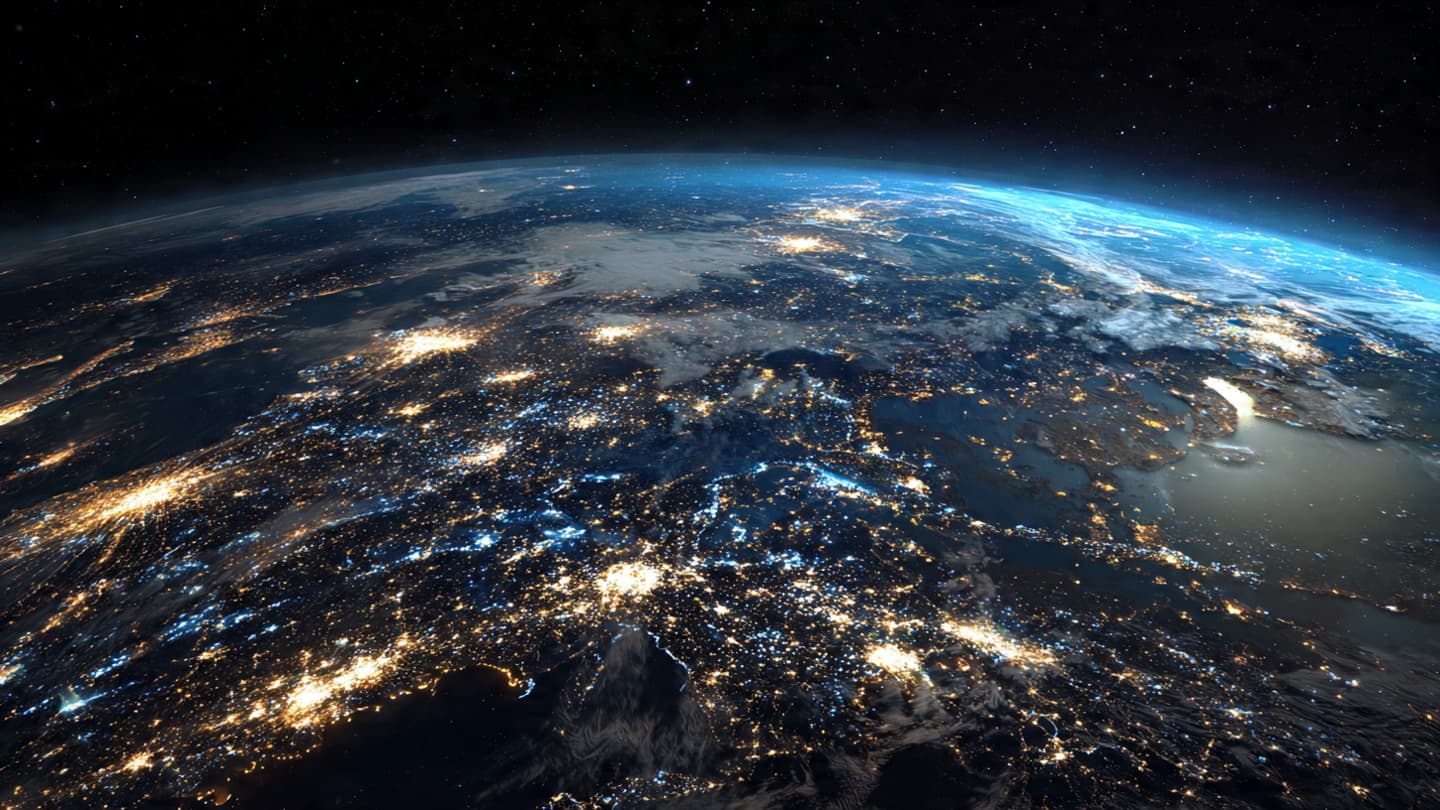
NASA imagery shows Earth’s night brightness increasing, reflecting urban growth and raising light pollution concerns.
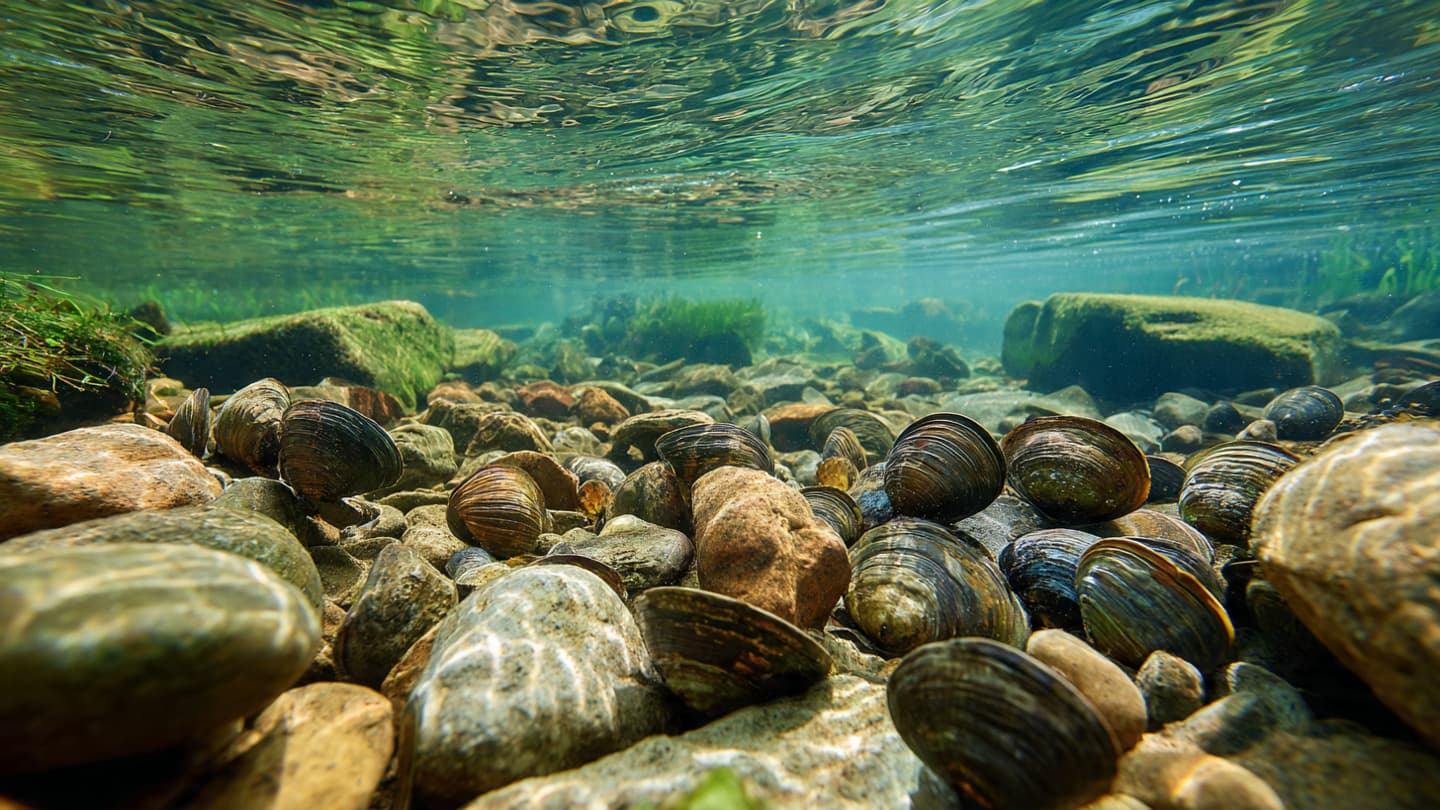
Freshwater mussel proteins inspire new research into medical adhesives for use in wet environments.
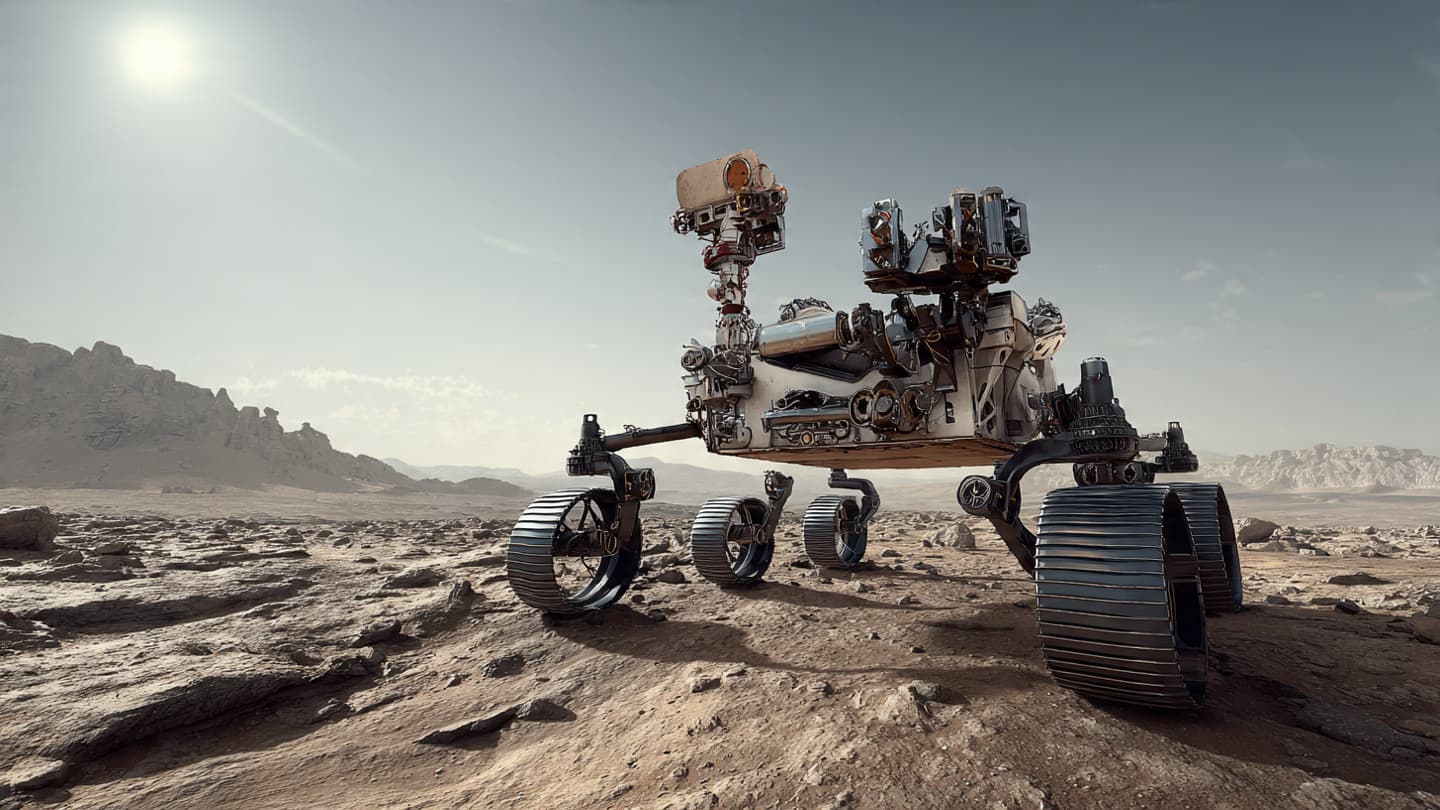
NASA’s Curiosity rover frees its drill after getting stuck, allowing Mars exploration to continue.